

September Born Hindus and Their Contributions to Hinduism
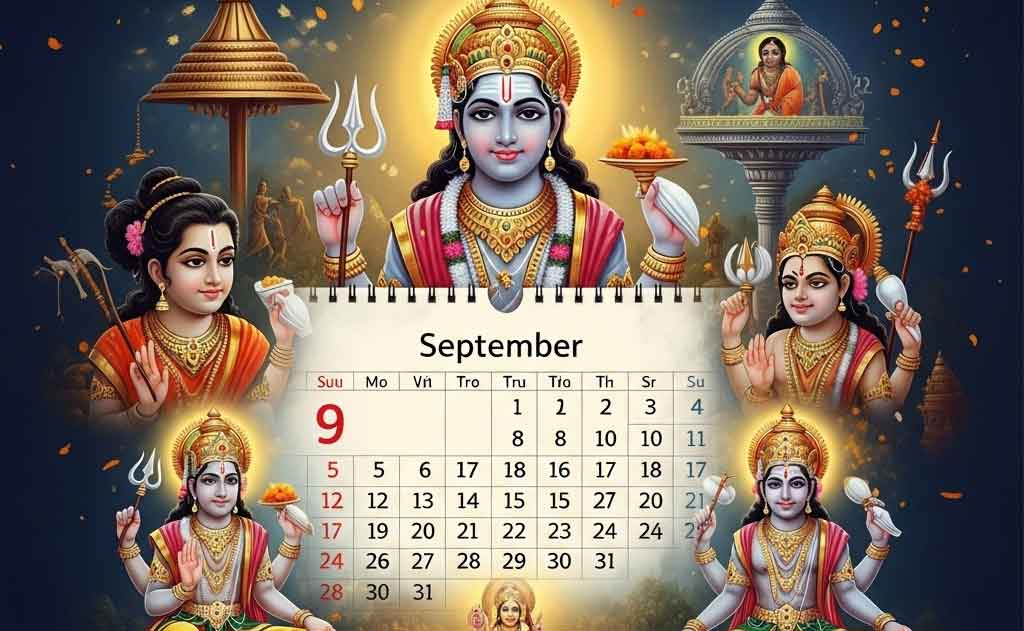
Hinduism, one of the world’s oldest religions, has been shaped by countless sages, scholars, and spiritual leaders over millennia. Among them, several notable figures born in September have made significant contributions to Hindu philosophy, culture, and spiritual practices. This article explores these individuals, their birthdates, and their enduring impact on Hinduism, optimized for search engines to reach those seeking insights into Hindu luminaries born in September.
Understanding Hinduism’s Foundations
Before diving into the list, it’s essential to understand that Hinduism, often referred to as Sanatana Dharma (eternal order), has no single founder. Its roots trace back to the Indus Valley Civilization (3rd–2nd millennium BCE) and the Vedic texts, which are considered divine in origin. According to Hindu scriptures, the religion’s wisdom comes from Brahman, the supreme reality, with deities like Brahma, Vishnu, and Shiva as its early teachers. Contributions to Hinduism often involve preserving sacred texts, reforming practices, or spreading spiritual teachings globally.
Notable Hindus Born in September and Their Contributions
Below is a comprehensive list of prominent Hindus born in September who have significantly influenced Hinduism. While the list focuses on those with direct contributions to Hindu philosophy, spirituality, or culture, it also acknowledges individuals from diverse fields who have indirectly strengthened Hindu identity through their work.
1. Swami Vivekananda (September 17, 1863)
Contribution to Hinduism: Swami Vivekananda, born Narendranath Datta, is one of the most influential figures in modern Hinduism. A disciple of Sri Ramakrishna, he introduced Hindu philosophies of Vedanta and Yoga to the Western world through his iconic speech at the Parliament of the World’s Religions in Chicago in 1893. His teachings emphasized universal tolerance, the divinity of the soul, and the unity of all religions. He founded the Ramakrishna Mission in 1897, which continues to promote spiritual education and social service globally. Vivekananda’s work elevated Hinduism’s global profile, making it accessible to modern audiences.
2. Sri Aurobindo (August 15, 1872, but celebrated in September per Hindu lunar calendar)
Contribution to Hinduism: Sri Aurobindo, a philosopher, yogi, and poet, developed Integral Yoga, a spiritual practice aimed at transforming human consciousness to realize the divine. His works, such as The Life Divine and Savitri, reinterpret Vedic and Upanishadic teachings for contemporary seekers. He also contributed to India’s freedom movement, blending nationalism with spiritual ideals. The Aurobindo Ashram in Pondicherry remains a hub for spiritual aspirants. His birthday is often celebrated in September per the Hindu lunar calendar (tithi), aligning with spiritual observances.
3. Purandara Dasa (September, circa 1484)
Contribution to Hinduism: Known as the Karnataka Sangita Pitamaha (father of Carnatic music), Purandara Dasa was a saint-composer who revolutionized devotional music in South India. His compositions in Kannada, dedicated to Lord Vishnu, popularized bhakti (devotional worship) among the masses. He structured the Carnatic music system, creating exercises like alankaras and geethams that are still used today. His songs, rich with spiritual themes, strengthened the bhakti movement, making Hinduism accessible through music.
4. Anandi Gopal Joshi (September 31, 1865)
Contribution to Hinduism: Anandi Gopal Joshi, India’s first female physician, indirectly contributed to Hinduism by advancing women’s education and healthcare, aligning with Hindu values of service (seva) and knowledge (jnana). Her M.D. thesis on Hindu obstetrics highlighted traditional practices, bridging them with modern medicine. Her life inspired reforms in Hindu society, encouraging women to pursue education and contribute to dharma (righteous living).
5. Narendra Modi (September 17, 1950)
Contribution to Hinduism: As India’s 14th Prime Minister, Narendra Modi has influenced Hindu culture through policies promoting India’s spiritual heritage. His initiatives, like the Kumbh Mela’s UNESCO recognition and the development of pilgrimage sites (e.g., Kashi Vishwanath Corridor), have revitalized Hindu traditions. While primarily a political figure, his efforts to preserve and promote Hindu cultural identity resonate with Sanatana Dharma‘s ethos of preserving sacred traditions.
Hindu Festivals in September
September is a significant month for Hindu festivals, which often align with the lunar calendar (Panchanga). These festivals, such as Krishna Janmashtami (celebrating Lord Krishna’s birth) and Ganesh Chaturthi (honoring Lord Ganesha), reflect the contributions of divine figures to Hinduism. While not tied to specific individuals, these observances underscore the religion’s diversity and vibrancy.
- Krishna Janmashtami: Celebrates Lord Krishna, the eighth avatar of Vishnu, known for his teachings in the Bhagavad Gita. Devotees fast, sing, and perform puja to honor his compassion and wisdom.
- Ganesh Chaturthi: A 10-day festival for Ganesha, the remover of obstacles, marked by prayers, offerings, and cultural events.
- Pitru Paksha: A 15-day period to honor ancestors with shraddha rituals, reflecting Hinduism’s emphasis on familial and spiritual duties.
- Navaratri: A nine-night festival celebrating the Divine Feminine (Durga), often starting in late September, with dances, fasting, and worship.
How These Figures Shaped Hinduism
The contributions of September-born Hindus span philosophy, music, medicine, and cultural preservation:
- Philosophical Advancements: Swami Vivekananda and Sri Aurobindo modernized Hindu thought, making Vedanta and Yoga globally relevant.
- Cultural Enrichment: Purandara Dasa’s music democratized bhakti, allowing ordinary people to connect with the divine.
- Social Reforms: Anandi Gopal Joshi’s work challenged gender norms, aligning with Hinduism’s evolving understanding of dharma.
- Cultural Preservation: Narendra Modi’s initiatives have strengthened Hindu pilgrimage sites, fostering spiritual tourism and pride.
Why September Matters in Hinduism
In the Hindu lunar calendar, September often aligns with Bhadrapada and Ashvin, months rich with festivals that reinforce Hindu values. The tithi (lunar day) system makes birthdays spiritually significant, as they align with cosmic frequencies, enhancing rituals’ efficacy. Celebrating birthdays per the Hindu calendar, as seen with figures like Sri Aurobindo, deepens spiritual connections.
Conclusion
September-born Hindus like Swami Vivekananda, Sri Aurobindo, Purandara Dasa, Anandi Gopal Joshi, and Narendra Modi have left indelible marks on Hinduism through philosophy, music, social reform, and cultural preservation. Their legacies continue to inspire millions, reinforcing Hinduism’s timeless wisdom and adaptability. By celebrating their contributions, we honor the diversity and depth of Sanatana Dharma, ensuring its relevance for future generations.
Related posts:
 Sri Puttaparthi Sathya Sai Baba
 Shri Chandrashekarendra Saraswati Swamigal
 Pothuluru Veerabrahmendra Swamy
 Marri Chenna Reddy’s Contributions to Hinduism and Indian Society
 The Political and Spiritual Impact of Veer Savarkar
 The Battle of Sinhagad: The Heroic Story of Tanaji Malusare
 Swami Vivekananda’s Influence in the West: How He Introduced Hinduism to America
 Sathya Sai Baba Bhajans: 10 Devotional Songs
