
The Political and Spiritual Impact of Veer Savarkar
Vinayak Damodar Savarkar, popularly known as Veer Savarkar, remains one of the most influential and controversial figures in India's freedom struggle and…
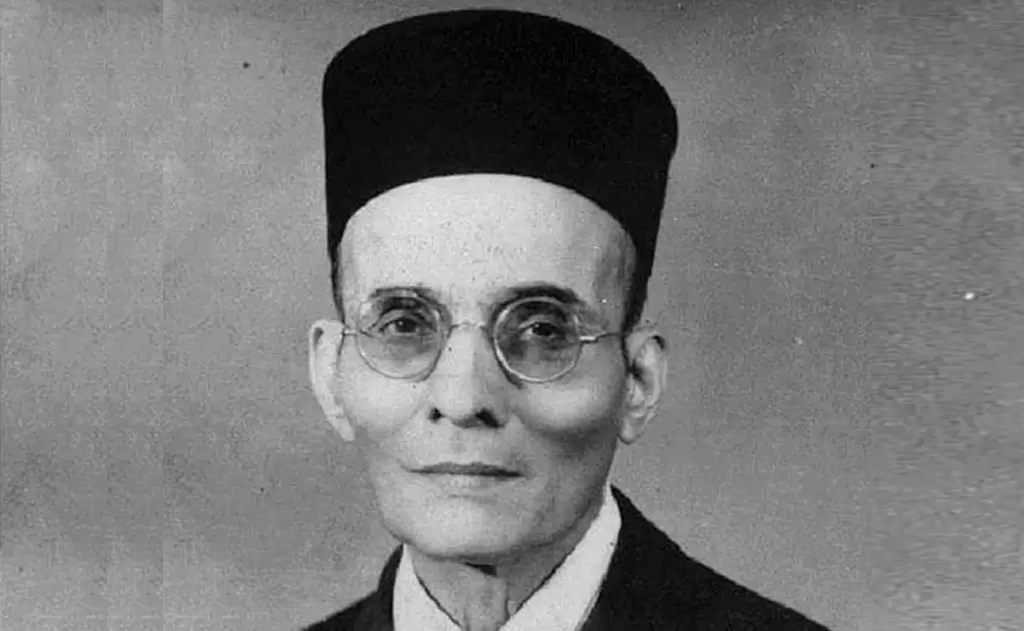
Vinayak Damodar Savarkar, popularly known as Veer Savarkar, remains one of the most influential and controversial figures in India's freedom struggle and modern Hindu philosophy. A multifaceted personality—freedom fighter, philosopher, poet, and playwright—Savarkar is best remembered for his pioneering role in shaping the concept of Hindutva and advocating for the cultural unity of Hindus. His political and spiritual ideologies have left a profound impact on India's socio-political landscape.
Early Life and Freedom Struggle
Born on May 28, 1883, in a small village near Nashik, Maharashtra, Savarkar was deeply influenced by the bravery of figures like Chhatrapati Shivaji Maharaj and the spirit of resistance against British colonialism. From a young age, he was an ardent nationalist, deeply committed to the cause of Indian independence.
Savarkar's revolutionary activities began when he formed a secret society, Mitra Mela, during his school days to instill patriotic sentiments and promote the cause of swaraj (self-rule). Later, while studying in England, he was associated with the India House, a group of radical Indian students that supported armed resistance against British rule. His writings, such as The First War of Indian Independence, which argued that the 1857 revolt was a unified uprising of Indians rather than a mere mutiny, inspired many revolutionaries.
However, his revolutionary activities led to his arrest by the British in 1909. Savarkar was sentenced to life imprisonment and sent to the Cellular Jail in the Andaman and Nicobar Islands, where he spent 10 years in solitary confinement. During his imprisonment, Savarkar’s political ideas evolved significantly. It was here that he penned his most influential work, Hindutva: Who is a Hindu?, which laid the foundation for his future political philosophy.
Shaping the Concept of Hindutva
Savarkar’s most significant contribution to Indian political thought is his articulation of Hindutva. For him, Hindutva was not just a religious term but a cultural and national identity that encompassed all Hindus. In his view, being a Hindu was about shared cultural values, traditions, and a sense of belonging to the land of India, or Bharat Mata. His definition of Hindu included anyone who considered India their holy land and fatherland, encompassing not just religious Hindus but also Sikhs, Buddhists, and Jains.
Savarkar’s Hindutva was a call for the unification of Hindus in the face of foreign domination, both in terms of British colonialism and what he perceived as threats from non-Hindu communities, particularly Muslims and Christians. He argued that the Hindu community needed to develop a strong sense of identity, unity, and self-respect to ensure their survival and growth in the modern world. While his ideas have been debated and critiqued, there is no denying that Hindutva has played a central role in shaping the political discourse of India, particularly in the post-independence era.
His Role in the Freedom Struggle
Veer Savarkar’s contributions to India’s freedom struggle are significant, though they have often been overshadowed by his controversial stance on Hindu nationalism. While he was initially a proponent of armed revolution, his years in prison made him reconsider some aspects of his approach. Upon his release, Savarkar focused on political engagement and social reform.
Though his direct participation in revolutionary activities lessened after his release from jail in 1924, Savarkar remained a staunch advocate for Indian independence. He became the president of the Hindu Mahasabha in 1937, a political party that promoted the idea of a united Hindu nation. During his tenure, Savarkar continued to stress the importance of Hindu unity and self-reliance.
One of his key contributions to the freedom struggle was his insistence on military strength. Savarkar believed that Hindus should play an active role in the defense of India, and he encouraged Hindu youth to join the armed forces, especially during World War II, as a means of gaining military training and strengthening India’s defense capabilities against British rule.
Philosophy on Hindu Unity
Savarkar’s emphasis on Hindu unity was not merely about religious consolidation; it was about cultural and political unity. He believed that the Hindu society had suffered centuries of oppression due to internal divisions and the lack of a collective identity. In his writings, he repeatedly called for Hindus to overcome caste barriers, regional differences, and sectarian divides to build a strong, cohesive community.
Savarkar was a fierce critic of the caste system and untouchability, which he saw as divisive forces that weakened Hindu society. He promoted social reforms, including the removal of caste distinctions, and urged Hindus to embrace modern education, scientific progress, and military strength. For him, the revival of Hindu society was intrinsically tied to the empowerment of every individual within that society.
Controversy and Legacy
Veer Savarkar’s legacy is a subject of significant debate in India. While his contributions to the freedom struggle and his calls for Hindu unity are celebrated by many, his vision of Hindutva has been criticized for fostering communalism and division between religious communities in India. His opposition to the Indian National Congress’s policy of non-violence and his critique of Mahatma Gandhi’s approach to independence also made him a polarizing figure.
Nonetheless, Savarkar’s ideas continue to influence contemporary Indian politics, particularly through political organizations that promote Hindutva as a guiding philosophy. His thoughts on Hindu unity, social reform, and self-reliance resonate with those who seek to promote a strong and cohesive Hindu identity in modern India.
Conclusion
Veer Savarkar was a revolutionary thinker whose political and spiritual contributions have had a lasting impact on India’s freedom movement and the discourse around Hindu identity. His concept of Hindutva continues to shape the socio-political landscape of India today. While his legacy remains contested, there is no denying his role as a visionary who sought to unify and empower Hindus in their quest for national independence and cultural resurgence.
For more articles on Hindu leaders and thinkers, visit www.hindutone.com.
Frequently Asked Questions
When and where was Veer Savarkar born?
Vinayak Damodar Savarkar was born on May 28, 1883, in a small village near Nashik, Maharashtra. He was influenced from a young age by Chhatrapati Shivaji Maharaj and the resistance to British colonialism.
Why was Savarkar sent to the Cellular Jail?
The British arrested him in 1909 for his revolutionary activities and sentenced him to life imprisonment in the Cellular Jail in the Andaman and Nicobar Islands. He spent 10 years in solitary confinement there.
What did Savarkar mean by Hindutva?
In Hindutva: Who is a Hindu?, written in prison, he described it as a cultural and national identity, not only a religious term. He counted anyone who considered India their holy land and fatherland, including Sikhs, Buddhists and Jains.
What was Savarkar's view on caste and untouchability?
He was a fierce critic of the caste system and untouchability, seeing them as divisive forces that weakened Hindu society. He promoted removing caste distinctions and urged Hindus to embrace modern education and scientific progress.
Why is Veer Savarkar considered a controversial figure?
His vision of Hindutva has been criticised for fostering communalism, and his opposition to the Congress policy of non-violence and critique of Gandhi made him polarising. Supporters celebrate his role in the freedom struggle and his calls for Hindu unity.
What political role did Savarkar hold after his release?
After his release from jail in 1924, his direct revolutionary activity lessened and he turned to political engagement and social reform. He became president of the Hindu Mahasabha in 1937.
Share this with family and friends
Send it on WhatsApp, post it, or copy the link.
More from Famous Hindus
- Hindu Spiritual Leaders and Temple Founders Abroad: The Swamis, Priests and Sabha Leaders Who Built the Diaspora
- Hindu Scientists, Astronauts and Business Leaders Abroad: 14 People Who Carried Their Faith Into Labs, Orbit and Boardrooms
- Sworn In on the Bhagavad Gita: 17 Leaders Outside India Who Took Their Oath on the Gita
- Famous Hindus Living Outside India in 2026: 42 Leaders, Scientists, Artists and Teachers Across the Diaspora
- Famous Hindus in Singapore, Malaysia, Bali and the UAE: Hindu Board Leaders, Kavadi-Carrying Ministers, a Balinese Governor and the Builders of Gulf Temples
You might also like

What to Eat and Avoid on Tuesday Fasting (Mangalvar Vrat Guide)
Om Namo Narayanaya
Spiritual Practices to Follow on Karthika Pournami: A Complete Guide to Sacred Observances
