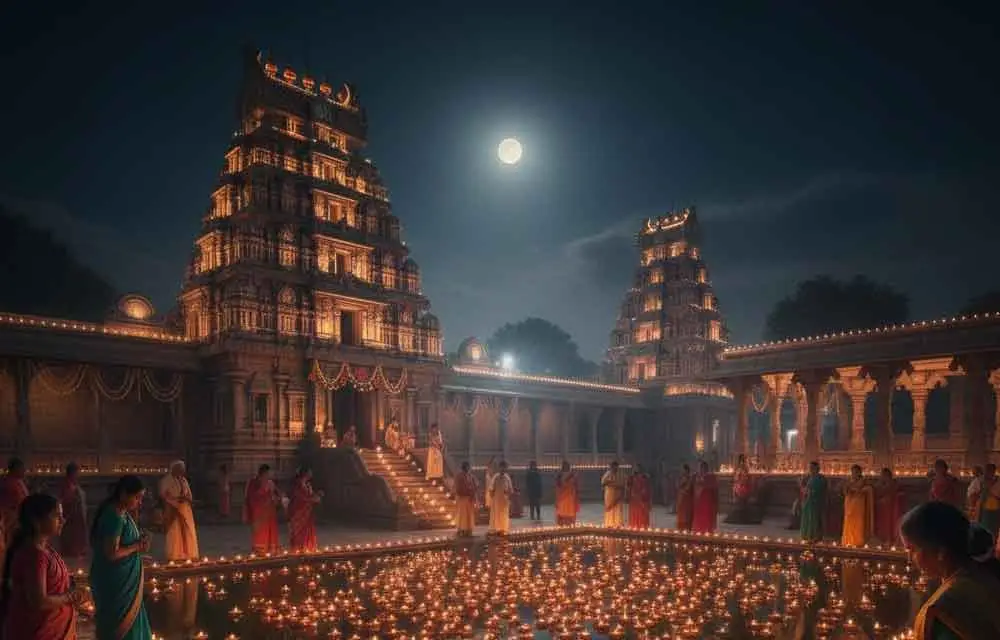
Om Namo Narayanaya
Dear seekers of truth, beloved souls walking the path of light, In the quiet hush of dawn or the gentle close of day, when the world quiets and the heart turns…
Dear seekers of truth, beloved souls walking the path of light, In the quiet hush of dawn or the gentle close of day, when the world quiets and the heart turns…
Dear seekers of truth, beloved souls walking the path of light,
In the quiet hush of dawn or the gentle close of day, when the world quiets and the heart turns inward, there is a sacred sound that has echoed through millennia: Om Namo Narayanaya. This eight-syllabled mantra—simple, profound, eternal—serves as a gentle bridge between the restless human spirit and the infinite divine. It is not merely words; it is an act of surrender, a plea for protection, and an embrace of everlasting peace.
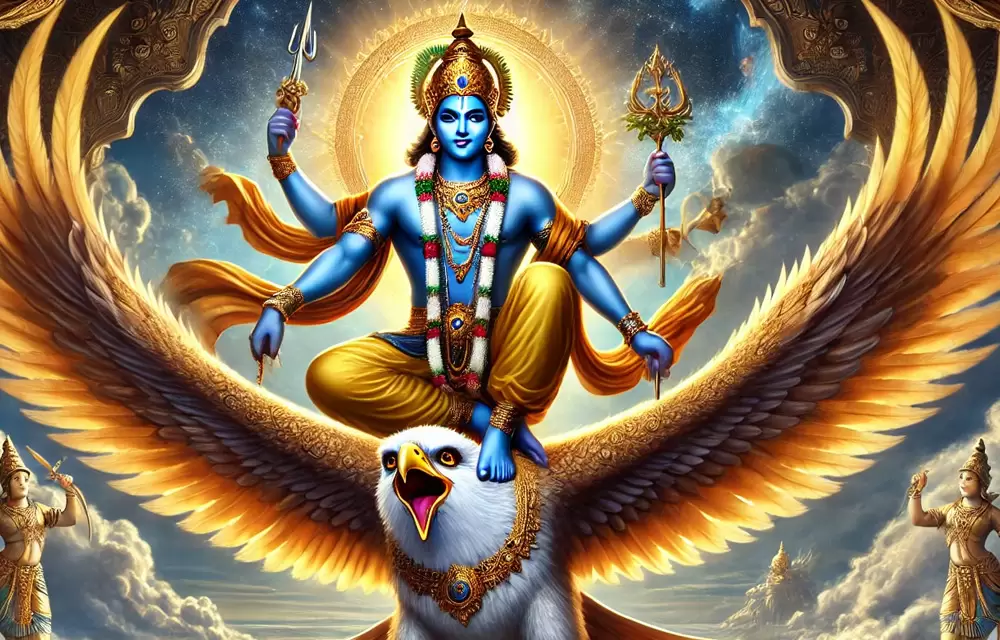
Today, let us immerse ourselves in its depth. Let us explore why this mantra holds such transformative power, especially for those weary from life's storms, seeking refuge in the preserving arms of Lord Vishnu, known as Narayana—the one who rests upon the cosmic waters, sustaining all existence.
The Meaning: A Salutation of Complete Surrender
At its essence, Om Namo Narayanaya translates to "I bow to Narayana" or "My salutations to the Supreme Reality, Narayana."
- Om is the primordial vibration, the cosmic hum from which creation emerges—the sound of the infinite Brahman, encompassing past, present, and future.
- Namo (or Namah) signifies bowing, homage, complete humility—the ego gently laying itself down.
- Narayanaya invokes Narayana, a revered name of Lord Vishnu. "Nara" means waters (the primordial cosmic ocean), and "Ayana" means abode or resting place. Thus, Narayana is He who dwells upon the waters of creation, the ultimate shelter for every soul, the preserver who maintains cosmic harmony.
In chanting these syllables, we offer ourselves fully: "I surrender my limited self to You, the Eternal Preserver." It is an declaration of Sharanagati—total surrender—where the devotee says, "I am Yours; guide me, protect me, grant me peace."
Vaishnava Roots and Vishnu's Preserving Energy
This mantra is the principal invocation in Vaishnavism, the devotional path centered on Lord Vishnu as the supreme deity. Rooted in ancient texts like the Tarasara Upanishad, Sama Veda, Narayana Upanishad, and various Puranas, it is celebrated as the Ashtakshara Mantra (eight-syllabled).
Vishnu, as Narayana, embodies the preserving energy of the universe. While Brahma creates and Shiva dissolves, Vishnu sustains—protecting dharma, nurturing life, and intervening whenever imbalance threatens. He incarnates as avatars (Rama, Krishna, Narasimha, and more) to restore balance, always responding to the cries of devotees.
In Vaishnava theology, constant recitation of this mantra bestows a full life, mastery over senses, divine protection, and ultimately, union with the Supreme. It aligns the chanter with Vishnu's compassionate, all-pervading presence, dissolving separation and awakening oneness.
Benefits: Dissolving Fear, Cultivating Harmony, Paving the Path to Moksha
The gifts of this mantra are manifold, touching every layer of being:
- Fear Dissolution — In moments of anxiety, uncertainty, or inner turmoil, the mantra acts as a shield. Its vibrations calm the nervous system, quiet racing thoughts, and remind us that we are held by an eternal protector. Fear arises from ego-identification; surrender to Narayana erodes that root.
- Inner Harmony and Peace — Regular chanting fosters emotional stability, compassion, and softness of heart. It purifies negative energies, removes obstacles, and restores balance—bringing tranquility that no external circumstance can disturb.
- Protection and Divine Grace — Narayana's preserving power envelops the devotee. Stories abound of devotees shielded from harm through remembrance of His name.
- Path to Moksha — As a maha-mantra, it leads to liberation. It burns karma, awakens divine consciousness, and guides the soul toward Vaikuntha, Vishnu's eternal abode—freedom from the cycle of birth and death.
Chanting invites eternal peace—not as escape, but as profound acceptance of life's flow under divine care.
Anecdote: How It Calmed the Storms of the Mind
I recall a devotee, once overwhelmed by grief and mental storms after profound loss. Nights brought no rest; thoughts raged like turbulent seas. In desperation, he turned to a simple practice: sitting quietly at dawn, holding a tulsi mala, he began chanting Om Namo Narayanaya—softly at first, then with growing rhythm.
At first, the mind resisted, pulling toward sorrow. But with each repetition, the syllables wrapped around his heart like cool waters. The "Om" grounded him in the present; "Namo" released clinging; "Narayanaya" invoked a vast, compassionate presence. Gradually, the inner tempests subsided. Waves of peace arose—not erasing pain, but cradling it. Fear dissolved into trust; turmoil into serenity. He described it as "the mind's storm finding its harbor in Narayana's embrace." What began as mechanical repetition became living surrender. The mantra didn't change the world—it changed him, revealing peace was always within.
Such experiences are not rare; they reflect the mantra's timeless power to still the mind's chaos.
Chanting Guide: Daily Practice with Tulsi
To invite this grace daily:
- Choose a quiet space, ideally facing east or north.
- Sit comfortably with spine straight.
- Hold a tulsi mala (sacred basil beads, dear to Vishnu)—tulsi amplifies devotion and purifies.
- Begin with a few deep breaths.
- Chant Om Namo Narayanaya clearly, slowly—108 times (one mala) or more.
- Focus on the sound vibrating in your heart; visualize Narayana resting on the cosmic ocean, radiating light.
- Chant aloud, whispered, or mentally—consistency matters more than volume.
- Ideal times: dawn (Brahma Muhurta), dusk, or before sleep.
- Offer it with love, without expectation—surrender the fruit to Him.
Even 10-15 minutes daily transforms. Combine with reading Vishnu Sahasranama or Bhagavad Gita for deeper immersion.
Stories from the Puranas: Eternal Lessons of Devotion
The Puranas abound with tales illustrating the mantra's potency.
- Prahlada's Unshakable Devotion (Bhagavata Purana): Young Prahlada, son of demon-king Hiranyakashipu, defied his father by chanting Narayana's name relentlessly. Despite torture, he repeated divine glories—embodying Om Namo Narayanaya in spirit. Vishnu emerged as Narasimha to protect him, slaying the tyrant. Prahlada's story teaches: sincere surrender invokes divine intervention; no force can silence the heart devoted to Narayana.
- Dhruva's Quest (Vishnu Purana/Bhagavata): Hurt by rejection, child Dhruva sought Narayana through intense tapas. Guided by Narada, he chanted divine names (including Narayana's essence). His devotion fixed him as the Pole Star—symbol of steadfast peace through surrender.
- Ramanujacharya's Compassion (Sri Vaishnava tradition): Initiated secretly into the mantra, Ramanuja climbed a temple tower in Srirangam and shared Om Namo Narayanaya with the masses, defying secrecy for universal welfare. His act spread the mantra widely, showing grace flows freely to sincere hearts.
These stories remind: Narayana responds to pure devotion, granting protection, peace, and liberation.
Closing Prayer of Surrender
As we conclude, let us offer this humble prayer together:
Om Namo Narayanaya...
O Eternal Narayana, preserver of worlds, You who rest upon the cosmic waters, sustaining all. I surrender my fears, my burdens, my limited self at Your lotus feet. Protect me from the illusions of maya; shield me in Your grace. Calm the storms within my mind; fill my heart with Your peace. Guide this soul on the path of dharma toward moksha. May every breath chant Your name; may every thought bow to You. In life and beyond, let me rest in Your eternal embrace.
Om Namo Narayanaya... Om Namo Narayanaya... Om Namo Narayanaya.
May this mantra be your constant companion, dissolving all into divine love.
With deepest reverence and love, In service to Narayana.
Frequently Asked Questions
What does Om Namo Narayanaya mean?
It means "I bow to Narayana" or "My salutations to the Supreme Reality, Narayana." Narayana is a name of Lord Vishnu, understood as the one who dwells upon the waters of creation.
Why is Om Namo Narayanaya called the Ashtakshara Mantra?
It has eight syllables, so it is called the Ashtakshara (eight-syllabled) Mantra. It is the principal invocation in Vaishnavism and is rooted in texts like the Narayana Upanishad and the Puranas.
How many times should Om Namo Narayanaya be chanted?
A common practice is 108 times, which is one mala, or more. It may be chanted aloud, whispered or mentally, and consistency matters more than volume.
What is the best time and method to chant this mantra?
Dawn (Brahma Muhurta), dusk or before sleep are ideal. Sit with a straight spine facing east or north, hold a tulsi mala, take a few deep breaths and chant slowly while visualizing Narayana.
What are the benefits of chanting Om Namo Narayanaya?
Devotees describe dissolving fear, inner peace, emotional stability and divine protection. In Vaishnava belief it also leads toward moksha, liberation from the cycle of birth and death.
Which Puranic stories are linked to this mantra?
As commonly told, Prahlada kept chanting Narayana's name despite torture and Vishnu appeared as Narasimha. Dhruva sought Narayana through tapas, and Ramanujacharya shared the mantra with the masses from a temple tower in Srirangam.
You might also like
Om Namo Venkatesaya: The Sacred Mantra of Devotion and Divine Protection
Nirjala Ekadashi June 25 2026 – The King of Ekadashis: Complete Guide with Bhima’s Story, Rituals, Mantras & Benefits
Parama Ekadashi June 11 2026 – Complete Devotional Guide: Date, Story, Rituals, Mantras & Benefits