Varanasi Sets New Record: 146.97 Million Visitors in 2025, Marking 25-Fold Surge Since 2014
Varanasi Tourism 2025: Kashi Vishwanath Temple Draws Record Devotees | Har Har Mahadev Varanasi, the ancient spiritual heart of India—also known as Kashi or…
Varanasi Tourism 2025: Kashi Vishwanath Temple Draws Record Devotees | Har Har Mahadev Varanasi, the ancient spiritual heart of India—also known as Kashi or…
Varanasi Tourism 2025: Kashi Vishwanath Temple Draws Record Devotees | Har Har Mahadev
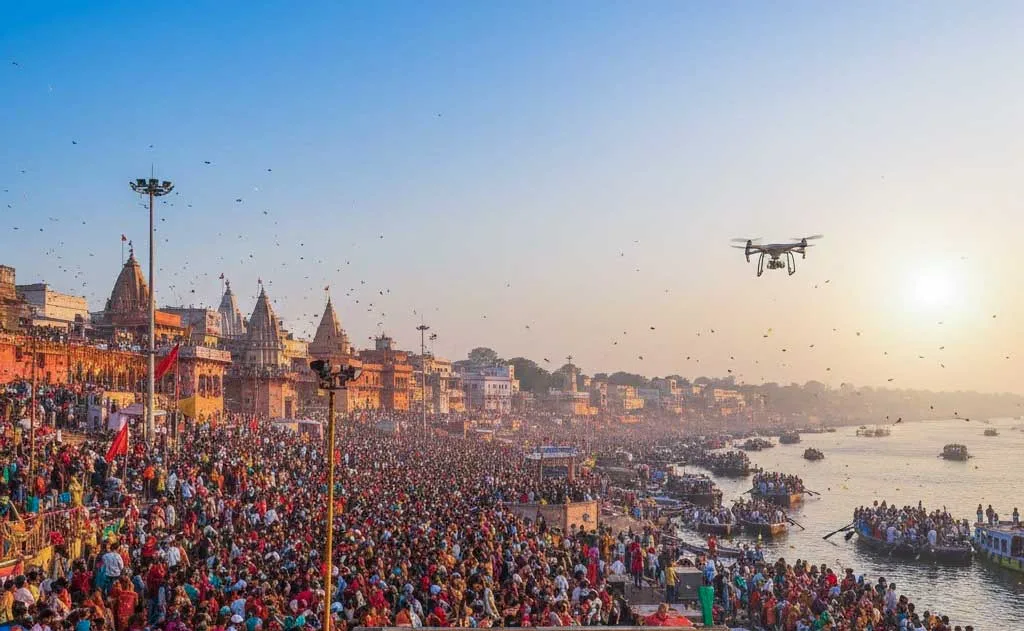
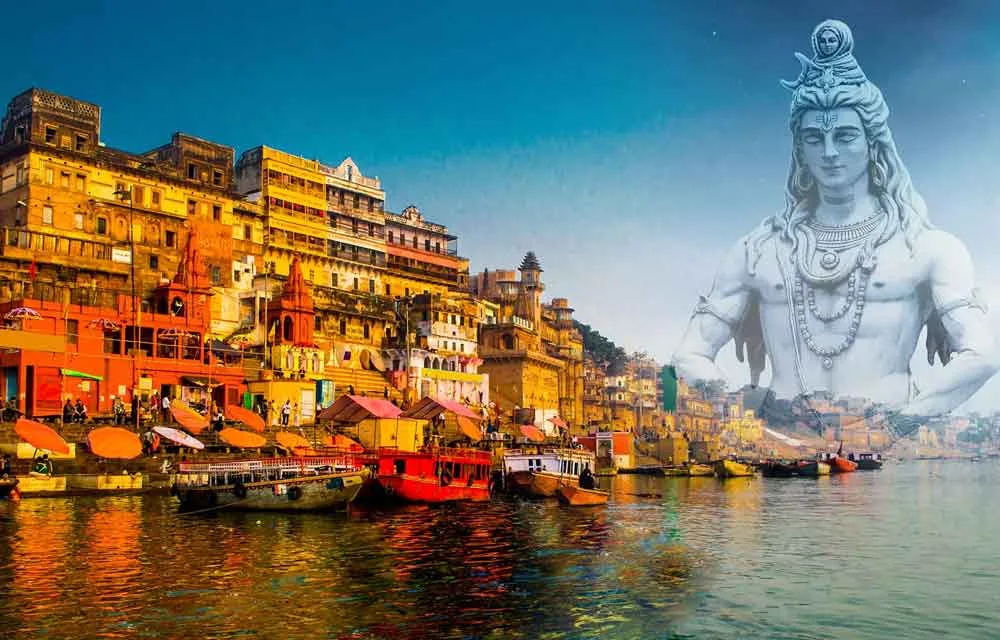
Varanasi, the ancient spiritual heart of India—also known as Kashi or Banaras—has achieved a historic milestone in 2025 by welcoming an unprecedented 146.97 million visitors. This figure represents the highest single-year footfall ever recorded for the city, solidifying its position as one of the world's top spiritual destinations.
According to official data from the Uttar Pradesh Tourism Department, this remarkable achievement reflects a dramatic 25-fold increase compared to 2014, when Varanasi saw approximately 5.49 million tourists. The surge highlights the city's transformation into a global pilgrimage and cultural hub, attracting devotees seeking blessings at the revered Kashi Vishwanath Temple and along the sacred Ganges ghats.
Key Factors Behind Varanasi's 2025 Tourism Boom
The extraordinary growth in Varanasi tourism can be attributed to several transformative developments:
- Kashi Vishwanath Corridor Project: The expanded corridor has revolutionized access to the Jyotirlinga temple, enhancing comfort and capacity for millions of pilgrims.
- Enhanced Infrastructure and Connectivity: Upgraded airports, roads, railways, and civic amenities have made travel to Kashi seamless and appealing.
- Spiritual and Cultural Significance: As the abode of Lord Shiva, Varanasi promises moksha (salvation), drawing Hindus worldwide for holy dips in the Ganga and darshan.
- Major Events and Festivals: Influences from Dev Deepawali, Ganga Aarti, and nearby attractions like the Maha Kumbh have amplified visitor numbers throughout the year.
From a modest base in 2014, the cumulative footfall from 2014 to 2025 exceeded 454 million, underscoring sustained growth driven by focused development initiatives.
Must-Experience Spiritual Attractions in Varanasi
A pilgrimage to Varanasi offers timeless divine experiences:
- Kashi Vishwanath Temple Darshan: Seek blessings at one of the 12 Jyotirlingas, where the chant of "Har Har Mahadev" resonates eternally.
- Evening Ganga Aarti at Dashashwamedh Ghat: Witness the mesmerizing ritual of lights and devotion along the sacred river.
- Holy Dip in the Ganges: Participate in the purifying ritual at the iconic ghats, believed to cleanse sins and grant spiritual liberation.
- Exploring Ancient Ghats and Alleys: Immerse in the vibrant culture, silk sarees, and street food that define Banaras.
These experiences continue to enchant millions, making Varanasi a year-round destination for faith and serenity.
Plan Your Pilgrimage to Varanasi in 2026
With Varanasi cementing its status as India's premier spiritual hub and a rising global attraction, 2026 promises even greater divine energy. Whether for temple darshan, Ganga snan, or cultural exploration, Kashi calls every devotee.
🌸 For More Devotional Journey, Follow
- Temples
/temples/ - Tirumala Updates
/tirumala/ - Sabarimala Yatra
/category/sabarimala-yatra/ - Pooja, Slokas & Mantras
/pooja-slokas-and-mantras/ - Hindu Gods
/hindu-gods/
For authentic guides on Hindu temples, pilgrimages, festivals, and spirituality, explore more at www.hindutone.com.
Har Har Mahadev! May Baba Vishwanath bless your journey to the eternal city of light.
Why Does Kashi Hold the Title of Moksha-Nagari in Hindu Scripture?
Varanasi's status as the city of liberation is not merely a popular belief but is grounded in some of Hinduism's most ancient texts. The Kashi Khanda, a section of the Skanda Purana spanning over 15,000 verses, declares Kashi the most sacred of all tirthas, stating that dying within its boundaries guarantees mukti because Lord Shiva himself whispers the Taraka Mantra — the name of Rama — into the ear of the dying. This doctrine, known as Kashi-labha or the 'gain of Kashi,' has drawn the dying and their families to the city for millennia.
The Mahabharata references Varanasi in the Vana Parva as a kshetra where even a single bath in the Ganga at the Dashashwamedha Ghat yields merit equal to performing ten Ashwamedha yajnas. The Rigveda identifies the Varanasi region through its two rivers — the Varuna (Varana) and the Asi — whose confluence with the Ganga defines the city's sacred boundaries, known as the Panchakroshi. This 84-kilometre circumambulatory route, the Panchakroshi Yatra, remains one of the most demanding and meritorious pilgrimages a Hindu can undertake.
The Kashi Vishwanath Corridor: What Changed After the 2021 Inauguration?
Before the corridor's inauguration in December 2021, the path to the Kashi Vishwanath Jyotirlinga was a narrow, labyrinthine network of lanes barely wide enough for two people to pass. The new corridor, spread across approximately 5.27 lakh square feet, demolished encroachments and cleared a direct visual and physical axis between the Ganga and the sanctum sanctorum. For the first time in centuries, devotees can now see the temple spire from the Lalita Ghat steps — a sight long obscured by dense urban construction.
The project also uncovered and restored several ancient temples that had been buried under later-era structures, including shrines dedicated to Gauri-Kedareshwara and Manokameshwara. Improved facilities such as dedicated queuing lanes, prasad kiosks, changing rooms, and modern sanitation have dramatically reduced physical hardship, allowing elderly and differently-abled pilgrims to complete darshan with far greater ease. This accessibility transformation is widely credited as a key driver behind the surge in annual visitor numbers from roughly 80 lakh in 2019 to over 14 crore in 2025.
Dev Deepawali and the Ganga Aarti: How Kashi's Festivals Shape Annual Pilgrimage Patterns
Dev Deepawali, celebrated on the full moon of Kartika (typically November), transforms all 84 ghats of Varanasi into a continuous river of flame, with over a million earthen lamps lit along the roughly 6.5-kilometre stretch from Ravidas Ghat to Raj Ghat. Tradition holds that on this night the gods themselves descend to bathe in the Ganga, making a holy dip especially meritorious. The festival now routinely attracts upwards of 10–15 lakh visitors in a single evening, requiring large-scale crowd management along the ghats.
The nightly Ganga Aarti at Dashashwamedha Ghat — performed by a team of trained pandits using towering multi-tiered brass lamps called the Saptarishi Aarti — has evolved into one of India's most recognised devotional spectacles. The ritual follows a choreographed sequence rooted in Agama Shastra, invoking the Ganga as Devi and offering incense, fire, flowers, and the conch. Thousands gather on the ghat steps and in boats every evening, and the ceremony is now live-streamed for global audiences, extending Varanasi's spiritual reach far beyond its physical geography.
The Sacred Ghats of Varanasi: A Pilgrimage Geography Unlike Any Other
Varanasi's 84 ghats are not merely bathing steps; each carries a distinct mythological identity and ritual purpose. Manikarnika Ghat, considered the most sacred cremation ground in the Hindu world, is said to be the spot where the manikarnika (ear ornament) of Goddess Sati fell, making it a Shakti Pitha as well as the preferred site for antyesti (last rites). The fires at Manikarnika are traditionally believed never to be extinguished, symbolising the unbroken cycle of death and liberation that defines Kashi's spiritual personality.
Assi Ghat marks the southernmost boundary of the sacred Pancha-Ganga pilgrimage circuit, where the Asi River once met the Ganga. The Panchaganga Ghat further north commemorates the mythological confluence of five rivers — Ganga, Yamuna, Saraswati, Kirana, and Dhutapapa — and features one of Varanasi's tallest deepa-stambhas (lamp pillars). For pilgrims performing the Pancha-Tirtha Yatra within the city — taking ritual baths at Assi, Dashashwamedha, Adi Keshava, Panchaganga, and Manikarnika — these ghats form a complete sacred geography that mirrors a miniature cosmological map of the universe.
Varanasi's Role in the Broader Kashi-Ayodhya-Prayagraj Pilgrimage Circuit
The record visitor numbers in Varanasi cannot be read in isolation; they reflect the activation of a broader Uttar Pradesh pilgrimage corridor. The Maha Kumbh Mela held at Prayagraj in early 2025 drew hundreds of millions of devotees to the Triveni Sangam, and a large proportion of those pilgrims extended their yatra to Varanasi — just 120 kilometres away — to complete their circuit with darshan at Kashi Vishwanath and a dip at Dashashwamedha Ghat. The Ram Mandir consecration at Ayodhya in January 2024 similarly energised the broader region, with devotees combining Ram Lalla darshan with visits to Kashi.
The Uttar Pradesh government has actively promoted this multi-city circuit through the 'Divya Kashi' and 'Naya Bharat' tourism campaigns, supported by upgraded expressways such as the Purvanchal Expressway and the Ganga Expressway corridor. Helicopter services connecting Varanasi, Ayodhya, and Prayagraj have further reduced travel time and opened pilgrimage to older devotees who previously could not undertake the full yatra. The synergy of these three mahakshetras — Kashi, Ayodhya, and Prayagraj — within a single state is historically unprecedented in terms of coordinated spiritual tourism infrastructure.
Balancing Devotion and Conservation: Challenges Facing Kashi's Sacred Ecology
The dramatic increase in footfall, while a sign of renewed spiritual engagement, places considerable pressure on the Ganga's ecology and the city's heritage fabric. The National Mission for Clean Ganga (Namami Gange programme) has invested significantly in sewage treatment plants along the Varanasi stretch, and real-time water quality monitoring stations have been installed at several ghats, including Assi and Tulsi Ghat. Despite these measures, managing the volume of floral offerings, diyas, and ritual immersibles deposited daily into the river during peak festival seasons remains an ongoing conservation challenge.
Ancient temples and havelis lining the ghats face structural stress from increased foot traffic and the vibration caused by motorised boat traffic on the river. Archaeologists and conservation architects affiliated with the Archaeological Survey of India have flagged the need for heritage impact assessments before further commercial infrastructure is introduced near the Pancha-Koshi precinct. Sustainable pilgrimage practices — such as using biodegradable offerings, designated floral collection points, and regulated boat timings during the Ganga Aarti — are increasingly promoted by local ghat samitis (committees) and the Varanasi Smart City project, reflecting a growing awareness that preserving Kashi's sanctity is inseparable from protecting its physical environment.
Frequently Asked Questions
What is Varanasi Sets New Record?
Varanasi Tourism 2025: Kashi Vishwanath Temple Draws Record Devotees | Har Har Mahadev Varanasi, the ancient spiritual heart of India—also known as Kashi or Banaras—has achieved a historic milestone in 2025 by welcoming an unprecedented 146.97 million visitors . This figure represents the highest single-year footfall ever recorded for the city, solidifying i
What are the key points about Varanasi Sets New Record?
According to official data from the Uttar Pradesh Tourism Department, this remarkable achievement reflects a dramatic 25-fold increase compared to 2014, when Varanasi saw approximately 5.49 million tourists. The surge highlights the city's transformation into a global pilgrimage and cultural hub, attracting devotees seeking blessings at t
Why does Varanasi Sets New Record matter in Hinduism?
It reflects core values of Sanatana Dharma and offers practical and spiritual guidance that remains relevant across generations.
How can devotees apply Varanasi Sets New Record in daily life?
By reflecting on its teaching, incorporating the related practices or observances into daily routine, and approaching it with sincere devotion and understanding.
You might also like
Vasant Panchami 2026: Saraswati Puja Date, Timings, Rituals, Mantras, Significance & Blessings for Knowledge & Wisdom
Monday Rituals for Hindus: Complete Guide to Somvar Vrat and Worship
Why Varanasi Is Called the City of Lord Shiva: The Eternal Abode of Moksha