
Sanatan Dharma
369 articles
Sanatan Dharma, often translated as the eternal way or the timeless order, is the name many Hindus prefer for their tradition. Rather than a single founder, creed or book, it describes a vast family of beliefs and practices rooted in the Vedas and Upanishads, expressed through the epics and Puranas, and lived out in temples, homes, pilgrimages and festivals across the world.
Core ideas recur across its many schools: dharma as right conduct suited to one's stage of life, karma and its consequences, rebirth, and moksha as liberation. Devotees may follow the path of devotion, knowledge, selfless action or meditation, and may worship Vishnu, Shiva, the Divine Mother or the formless Brahman, while regarding these as complementary rather than competing. This openness is one reason the tradition can seem difficult to define and why questions about it are so common.
On this page you will find introductions written for young people and newcomers, explanations of key concepts, overviews of major texts and philosophical schools such as Vedanta, essays on Hindu values and contemporary life, and answers to frequently asked questions. Related reading covers Hindu philosophy, the Vedas, dharma and karma, and Hindu traditions.
Start Here
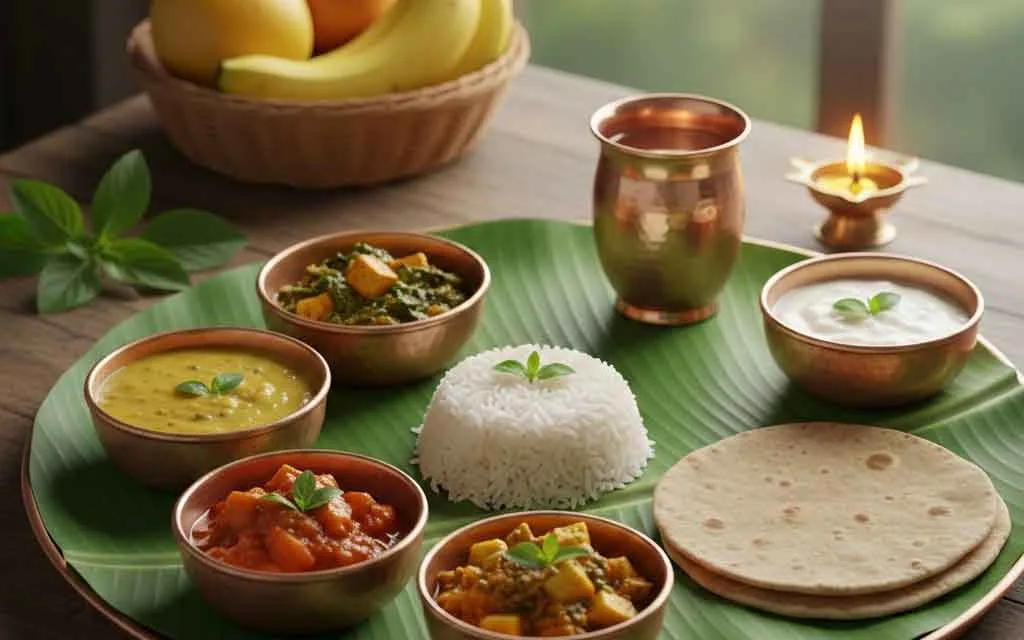
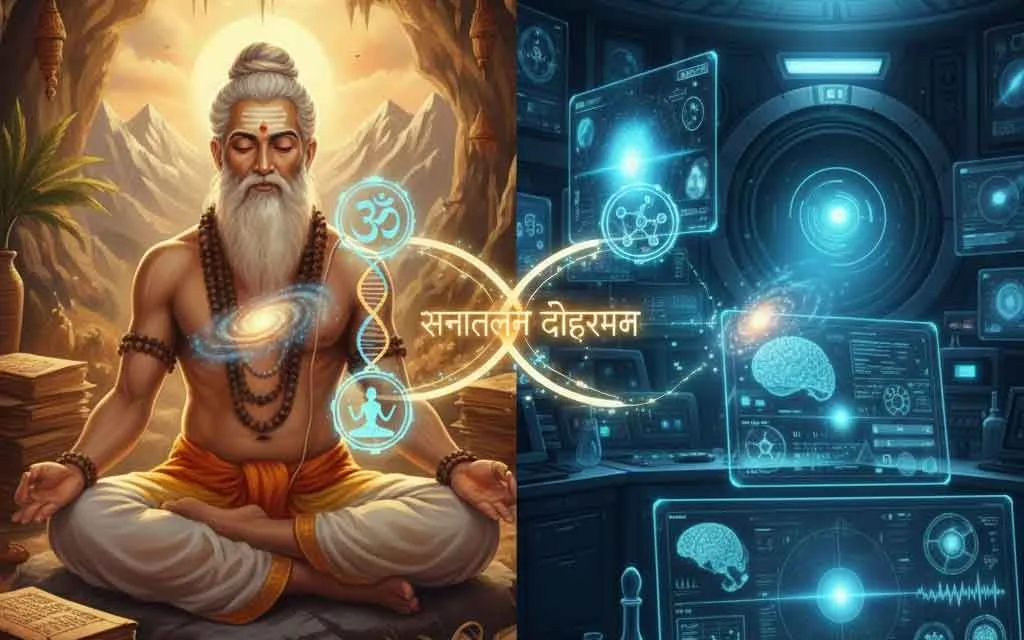
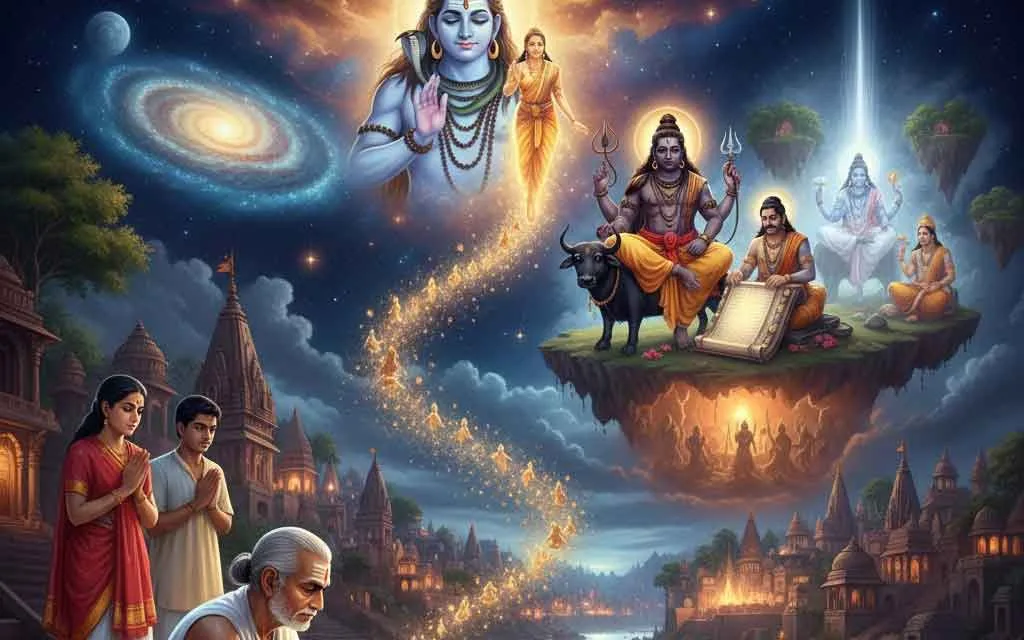
Latest Articles

Why Sanatan Dharma Is Called Eternal: Meaning, Rishis & Continuity
Quick answer: Sanatana is a Sanskrit word meaning "eternal, everlasting, ancient". Followers call their dharma…
Seva in Hinduism: Meaning, Types, Spiritual Significance and How to Practise Selfless Service
Seva (सेवा) means serving others with sincerity, humility and compassion. In Hindu life, service can be offered to God…
Conversion to Hinduism: Traditions, Ceremonies and the Law
Quick answer: Hinduism has no single church or authority that admits members, so there is no one procedure for…
Caste in Hinduism: Varna, Jati, History and Reform
Quick answer: Two different things are usually called "caste". Varna is the scheme of four classes found in Hindu…

Hinduism for Kids: A Simple Guide to What Hindus Believe
Quick answer: Hinduism is one of the oldest religions in the world. Hindus often call it Sanatana Dharma, "the eternal…
Annadanam in Hinduism: Meaning, Significance, Temple Traditions and How to Give Food Well
Quick answer: Annadanam (anna-daanam) means "the gift of food": feeding another person freely, with respect, as an act…
Karma and Rebirth in Hinduism, Buddhism, Jainism and Sikhism Compared
Karma and rebirth are shared by four religions born in India, yet each explains them differently: action and its…
Hinduism and Islam: Beliefs and Practices Compared, a Respectful Introduction
How do Hindus and Muslims understand God, scripture, prayer, fasting, charity, pilgrimage and life after death? A…
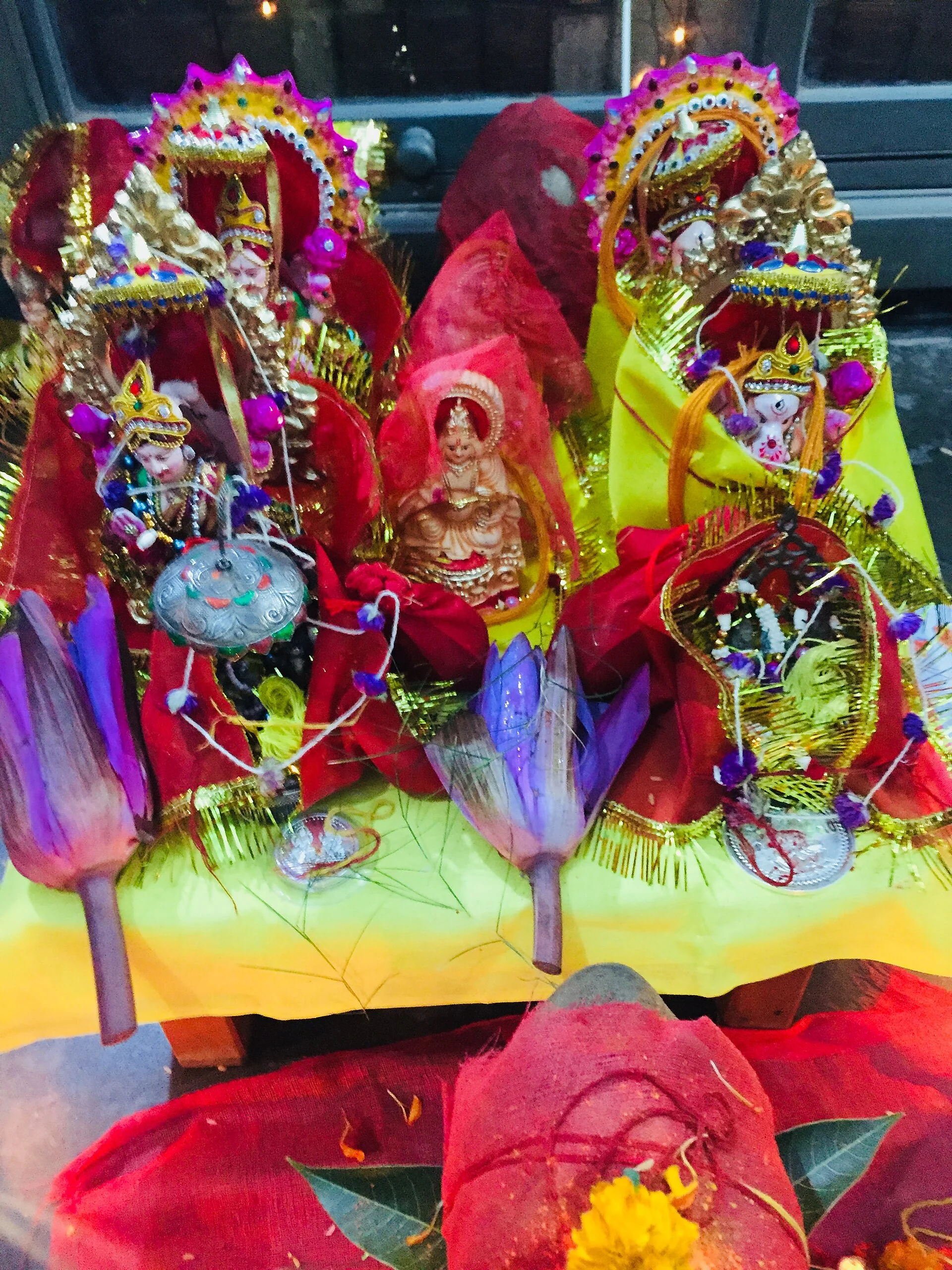
Friday Rituals in Hinduism — Shukravar Lakshmi Puja, Devi Worship & Complete NRI Guide for 2026
Friday Hindu rituals — Shukravar Lakshmi puja, Vaibhav Lakshmi vrat, Santoshi Maa worship, Venus blessing, red/pink…
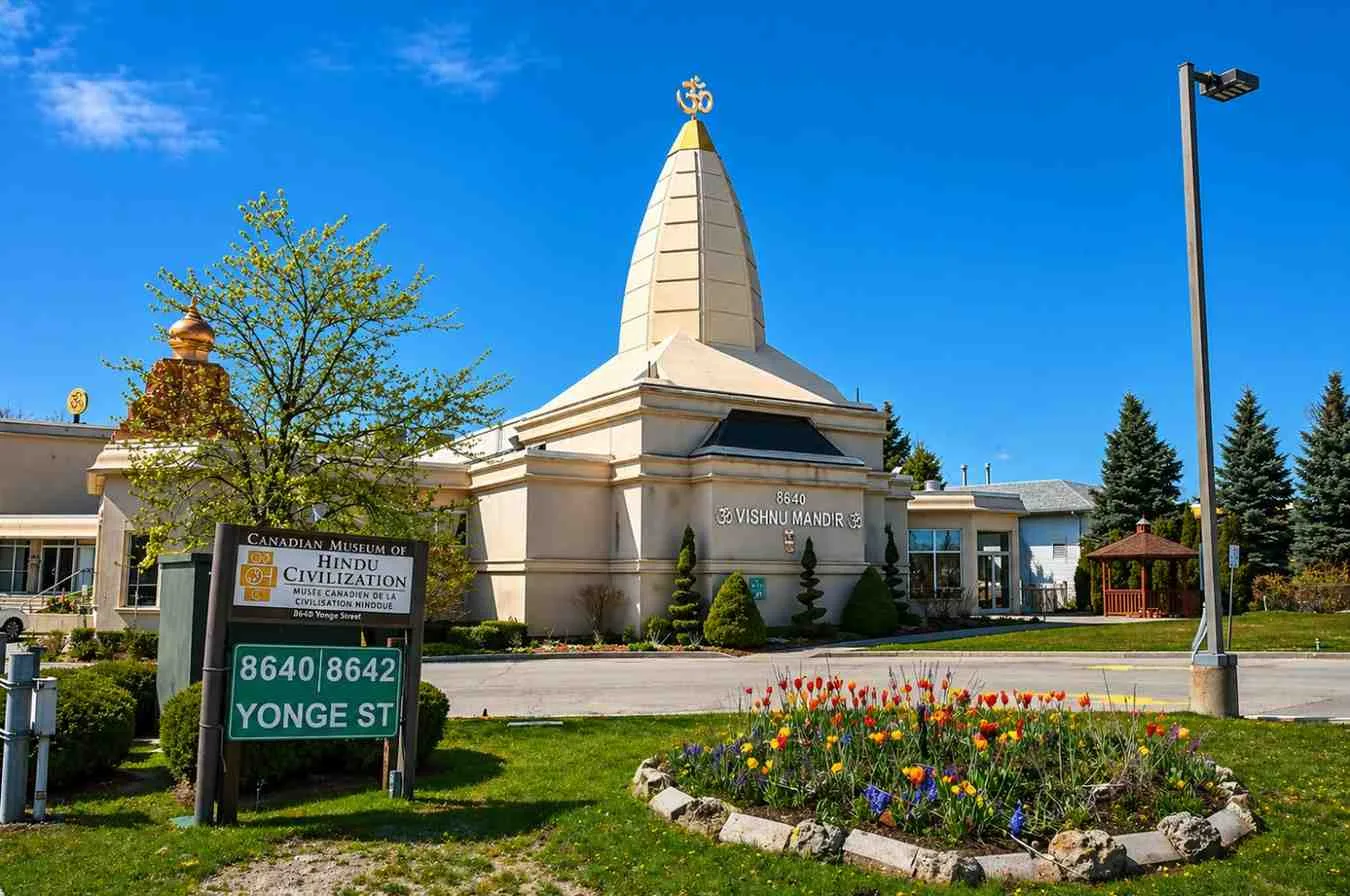
Thursday Rituals in Hinduism — Guruvara Vishnu Puja, Guru Worship & Complete NRI Guide for 2026
Thursday Hindu rituals — Guruvara Vishnu puja, Brihaspati worship, Guru veneration, Sai Baba traditions, Vishnu…
Monday Rituals in Hinduism — Somavar Shiva Puja, Vrat & Complete NRI Guide for 2026
Monday Hindu rituals — Somavar Shiva puja, Solah Somvar vrat, fasting guidelines, mantras, NRI home-altar guide. Why…
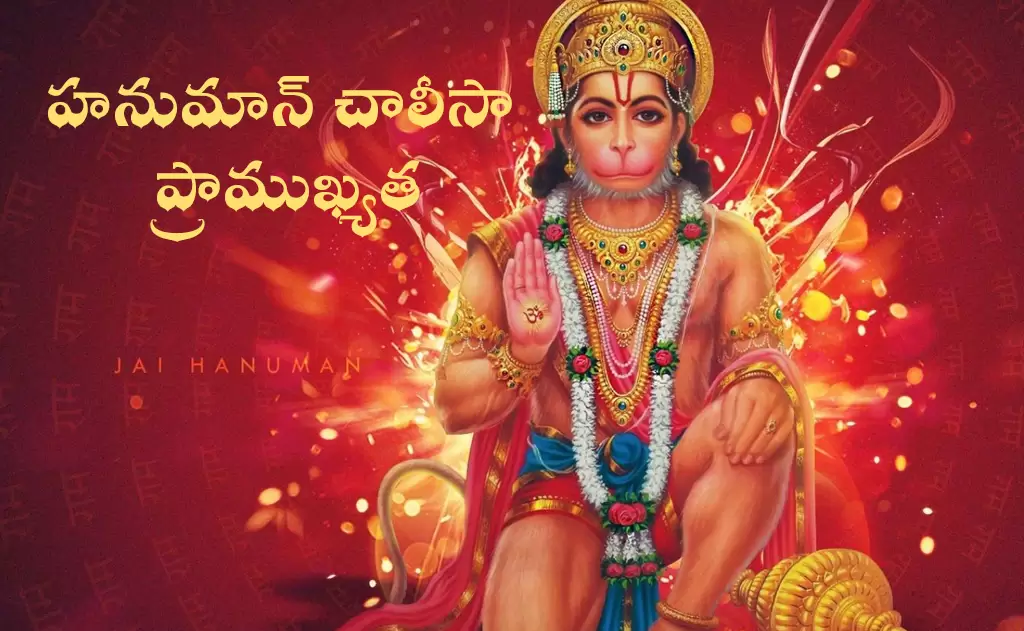
Tuesday Rituals in Hinduism: Must-Perform Mangalvar Puja, Vrats & Temples for NRIs Worldwide
Discover must-perform Tuesday (Mangalvar) rituals for Hindus and NRIs — Hanuman Chalisa, sindoor offering, Tuesday…

Love Jihad: How Hindus and Hindu Girls Can Protect Themselves – Complete Guide for 2026
By Hindu Tone Desk | April 13, 2026 Love Jihad (also known as Romeo Jihad) refers to the alleged pattern where young…
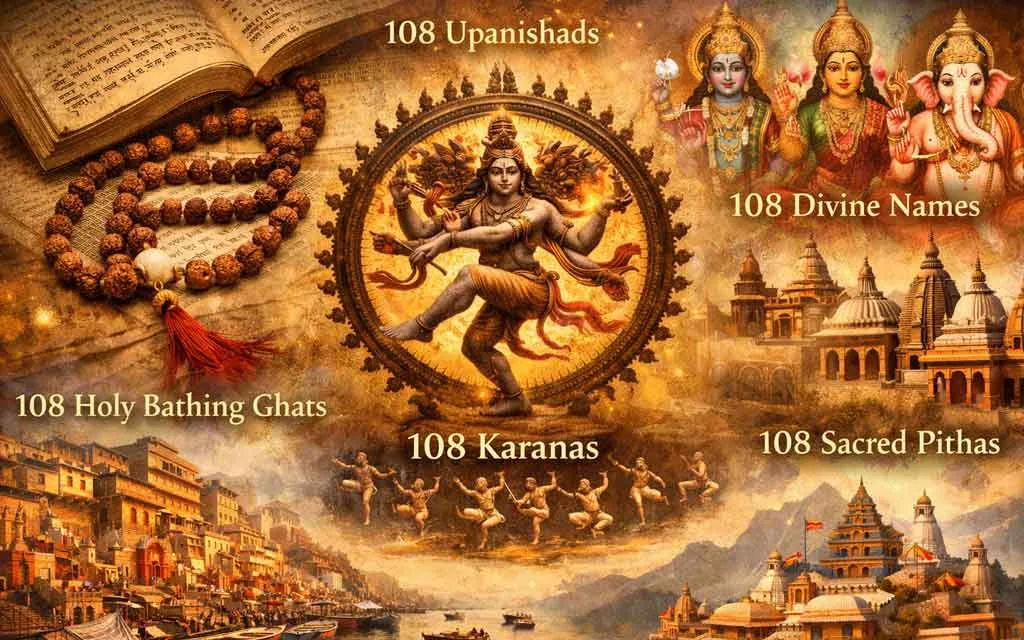
Sacred Hindu Numbers: The Complete Story of 108 and Its Divine Significance
Introduction: The Number That Holds the Universe Together Walk into any Hindu temple, sit with any yogi, open any…
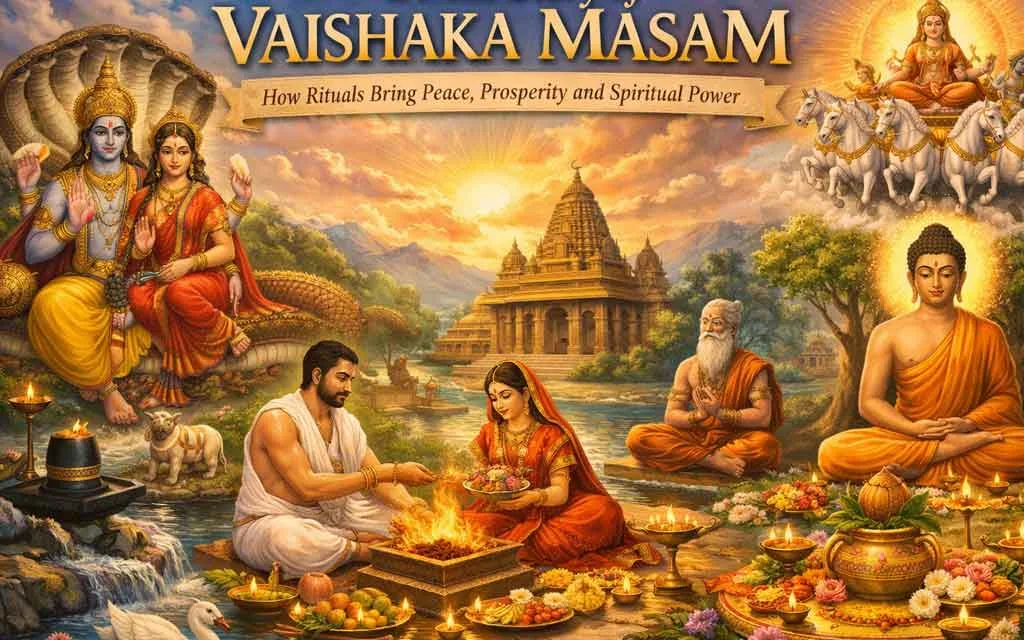
Divine Story of Vaishaka Masam: How Rituals Bring Peace, Prosperity, and Spiritual Power
Introduction Vaishaka Masam is not just a sacred month in Hinduism—it is a divine opportunity to transform your life.
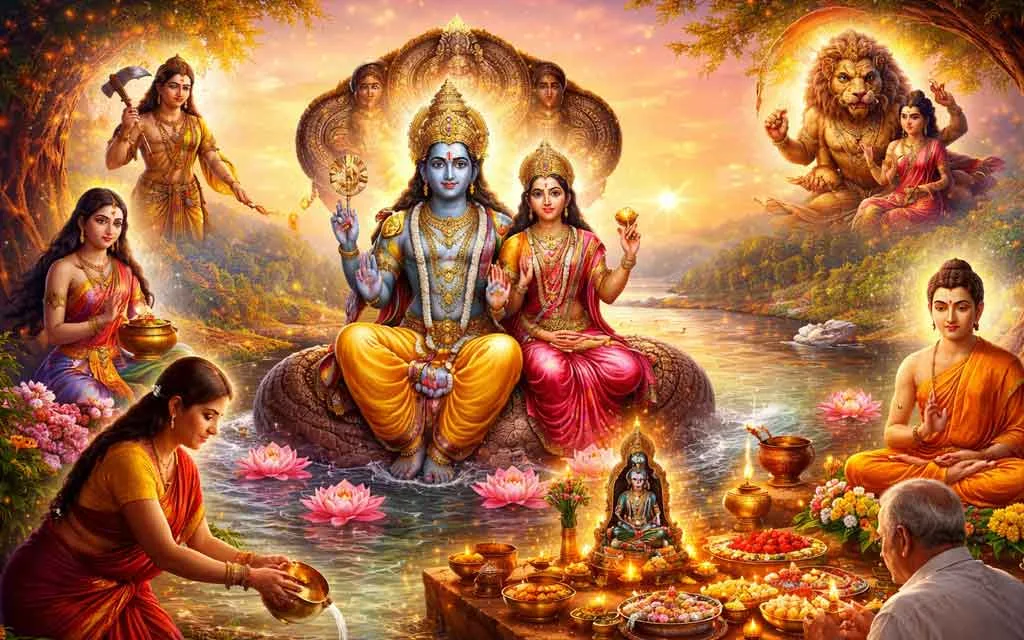
Vaishaka Masam Festivals 2026: Complete List with Dates, Importance & Rituals | HinduTone
Om Namo Bhagavate Vasudevaya! Hare Krishna! Jai Shri Vishnu! Namaste dear devotees, Vaishaka Masam (Vaishakha Maasam)…
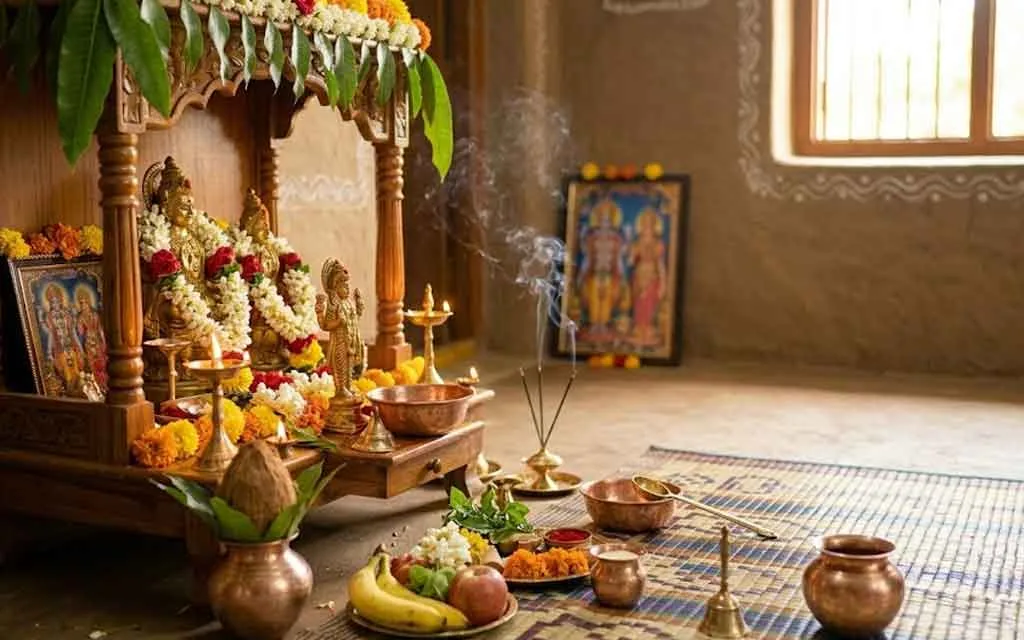
Vaishaka Masam Fasting and पूजा: Simple Steps for Devotees | HinduTone
Om Namo Bhagavate Vasudevaya! Hare Krishna! Jai Shri Vishnu! Namaste dear friends and new devotees, Vaishaka Masam…
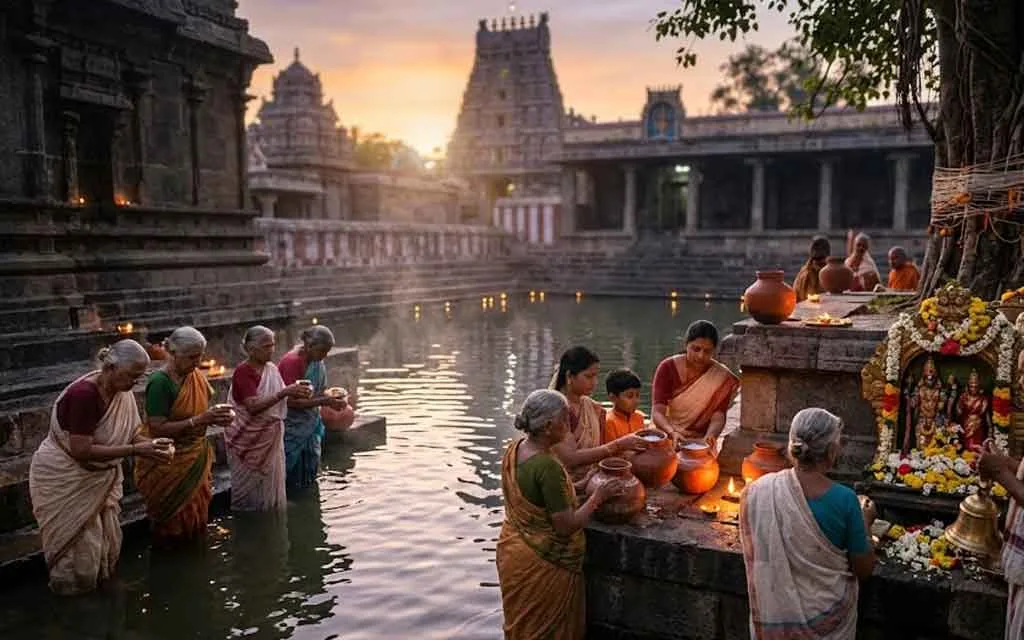
Vaishaka Masam: Why This Sacred Hindu Month Is So Powerful
What is Vaishaka Masam? Vaishaka Masam is one of the holiest months in the Hindu calendar, usually falling between…
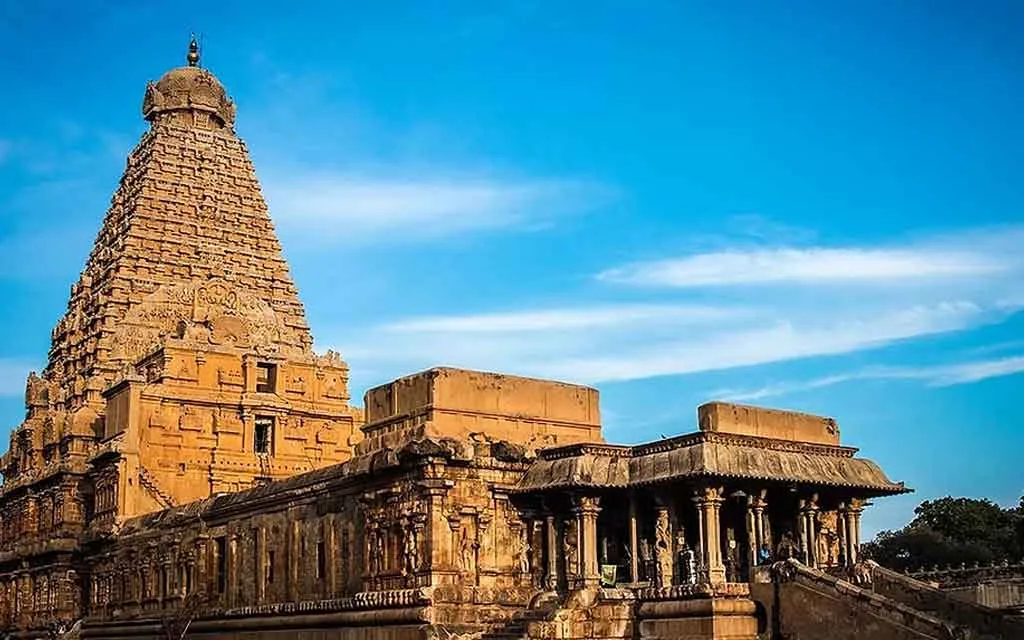
The Majestic Saga of Brihadeeswarar Temple, Thanjavur: The 1000-Year-Old Architectural Wonder Built in Just 7 Years
In the heart of Tamil Nadu’s fertile Kaveri delta lies Thanjavur (Tanjore), once the glorious capital of the mighty…
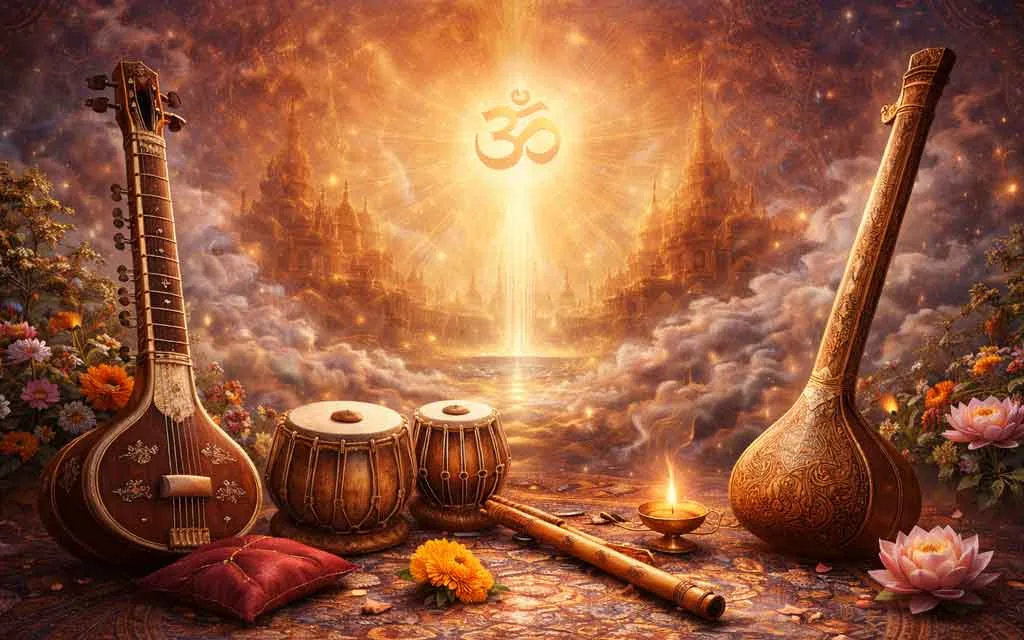
Raga and Spirituality — The Sacred Science of Indian Classical Music | Complete Guide
"Ranjayati iti Ragah — That which colours the mind is a Raga." — Matanga, Brihaddeshi (9th century CE) "Music is the…
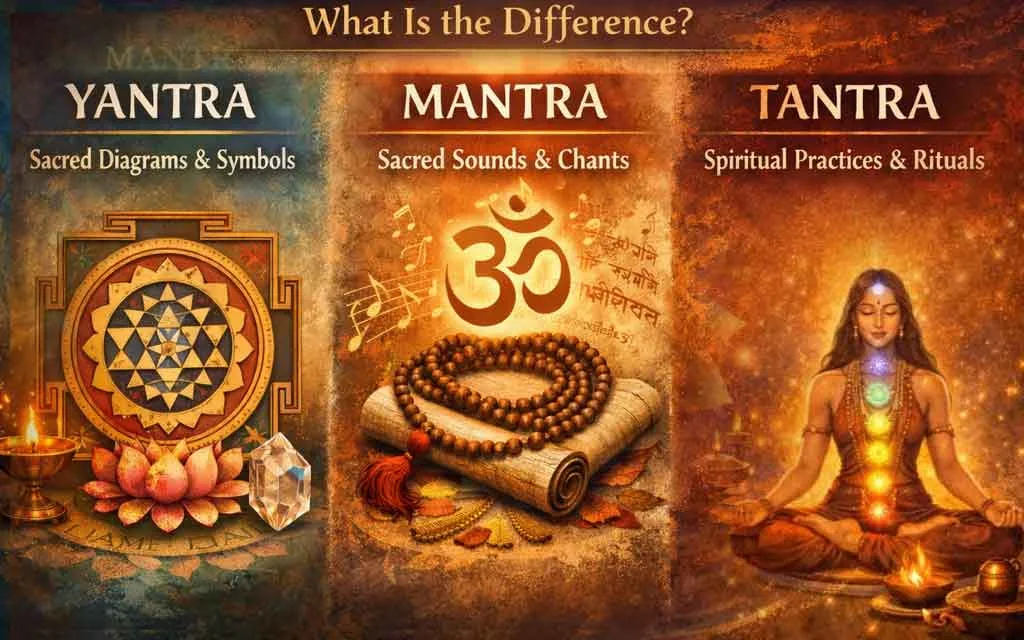
Yantra vs Mantra vs Tantra — What Is the Difference? | Complete Hindu Guide
"Mantrah prokto hi devasya, Yantram tasya shareeram cha, Tantram tasya prayogashcha — The Mantra is the deity's soul…

Gangotri to Gaumukh Trek 2026: The Ultimate Glacier Pilgrimage
"Gangā ca Yamunā caiva Godāvarī Sarasvatī —Narmadā Sindhu Kāverī jalesmin sannidhiṃ kuru.""O Ganga, Yamuna, Godavari…

Shroud of Turin DNA Study Revives Debate: Nearly 40% Human DNA Traces Linked to Indian Lineages – But Does It Mean Jesus Had Indian Origins?
A new pre-print study from researchers at the University of Padova in Italy has sparked global interest — and some…
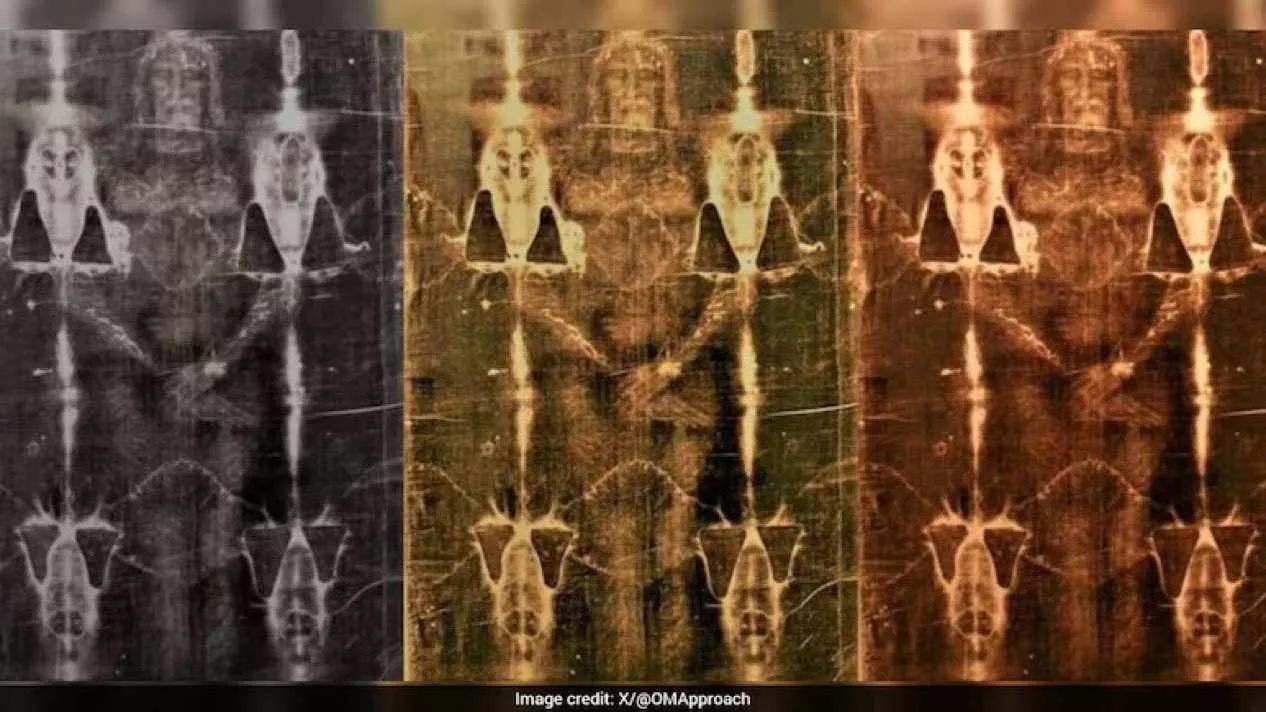
New DNA Analysis Suggests That Shroud Of Turin May Have Indian Origins: A Hindu Perspective on Ancient Civilizational Links
In a development that has captured global attention, a recent DNA study from researchers at the University of Padova…
FAQs
What is Sanatan Dharma?
Sanatan Dharma, meaning the 'eternal way' or 'eternal order', is the traditional name many Hindus use for their religion. It refers to timeless principles of right living rather than a single creed, drawing on the Vedas, Upanishads, epics and the teachings of many saints.
Who founded Sanatan Dharma?
Sanatan Dharma has no single founder or founding date. Followers regard it as eternal, revealed through the insights of ancient rishis and passed down through scripture, teachers and family practice. It developed into many traditions, including Vaishnavism, Shaivism and Shaktism.
What are the core beliefs of Sanatan Dharma?
Common ideas include dharma (righteous duty), karma (action and its consequences), samsara (the cycle of rebirth) and moksha (liberation). Many followers also speak of the four goals of life: dharma, artha, kama and moksha, and of one Supreme Reality worshipped in many forms.
Is Sanatan Dharma the same as Hinduism?
For most practical purposes, yes. 'Hinduism' is a later term that grew from a geographical name, while 'Sanatan Dharma' is the name many practitioners prefer because it describes the tradition in its own terms as an eternal way of life.