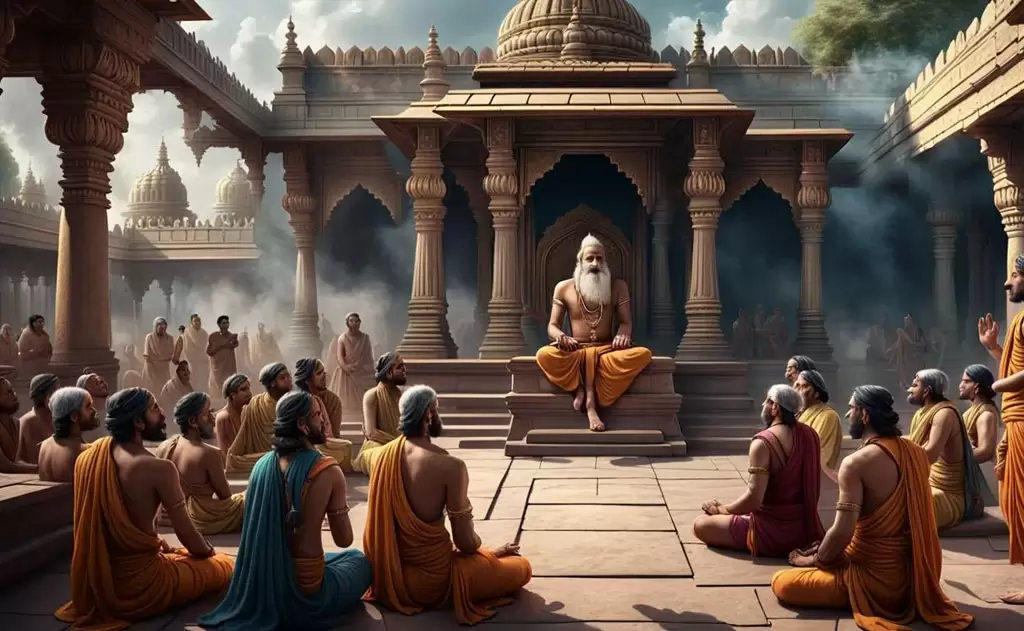
Hinduism and Islam: Beliefs and Practices Compared, a Respectful Introduction
How do Hindus and Muslims understand God, scripture, prayer, fasting, charity, pilgrimage and life after death? A neutral, side-by-side introduction that explains each tradition as its own followers do, with a comparison table, shared values, Bhakti and Sufi encounters, and tips for NRI families and friends.
How do Hindus and Muslims understand God, scripture, prayer, fasting, charity, pilgrimage and life after death? A neutral, side-by-side introduction that explains each tradition as its own followers do, with a comparison table, shared values, Bhakti and Sufi encounters, and tips for NRI families and friends.
Quick answer: Hinduism and Islam are two of the world's largest religious traditions and have lived side by side in South Asia for more than a thousand years. Hinduism is a family of traditions that speaks of one ultimate reality, Brahman, worshipped in many forms, with karma, rebirth and liberation (moksha) at the centre of its view of life. Islam teaches Tawhid, the absolute oneness of God, revealed through prophets ending with Muhammad, a single earthly life and a Day of Judgement. They differ on God, revelation and the afterlife, and share deep values of prayer, fasting, charity, hospitality and devotion.
How to read this comparison
This is an introductory guide written for curious readers, students and NRI families who live alongside friends of many faiths. Each tradition is described as its own mainstream followers and scholars describe it. Neither is ranked, and both are internally diverse. Hindu traditions include Vaishnava, Shaiva, Shakta and Smarta streams and several schools of Vedanta. Islam includes Sunni and Shia Muslims, each with its own schools of law and theology, and the mystical Sufi tradition runs through both. Generalisations here are broad; always defer to practitioners and teachers of each faith.
Concept of God: Brahman and Tawhid
Hindu thought speaks of Brahman, the one infinite reality behind and within everything. Brahman can be understood as beyond all attributes (nirguna) or as a personal Lord with qualities (saguna), often called Ishvara. Devotees may worship that one reality as Vishnu, Shiva, the Goddess or another form, and a famous Rig Vedic line, usually paraphrased as "Truth is one; the wise call it by many names", is often quoted to express this. The Vedanta schools differ: Advaita teaches that the self and Brahman are ultimately non-different, while Vishishtadvaita and Dvaita affirm a loving, personal God distinct from souls.
Islam's central teaching is Tawhid, the oneness and uniqueness of God (Allah, the Arabic word for God, also used by Arabic-speaking Christians). God is the one Creator, without partner, equal, offspring or physical form. The short chapter of the Quran known as Al-Ikhlas states that God is One, eternal, neither begets nor was begotten, and that nothing is comparable to Him. Associating anything with God (shirk) is considered the gravest error. Muslims also speak of God's ninety-nine Beautiful Names, such as the Most Merciful and the Most Compassionate.
The difference is real: Hindu worship of God through images and many forms, and Islam's insistence that God has no image or partner, rest on different understandings of how the divine relates to the world. Yet both traditions affirm a supreme reality who is merciful, all-knowing and worthy of devotion.
Scripture and revelation
Hindu scripture is vast. The Vedas, including the philosophical Upanishads, are regarded as shruti, "that which was heard" by ancient seers and treated as eternal and authoritative. Smriti, "that which is remembered", includes the Ramayana and Mahabharata (which contains the Bhagavad Gita), the Puranas, the Dharmashastras, and the Agamas that guide temple worship. Scholars date the earliest Vedic hymns to roughly the second millennium BCE, though many Hindus regard the Vedas as timeless. There is no single book that all Hindus read.
Muslims believe the Quran is the literal word of God, revealed to the Prophet Muhammad through the angel Gabriel (Jibril) over about twenty-three years in the early seventh century CE, and preserved in Arabic. The Hadith are collected reports of the Prophet's words and actions; together with the Quran they shape the Sunnah, the Prophet's example, and Islamic law (sharia). Sunni and Shia Muslims rely on partly different hadith collections. Muslims also honour earlier revelations given to Moses, David and Jesus.
Prophets, avatars and gurus
Islam teaches that God sent many prophets to humanity, including Adam, Noah, Abraham, Moses and Jesus, and that Muhammad is the final prophet, often called the Seal of the Prophets. Prophets are fully human and are honoured, but never worshipped. Shia Muslims additionally recognise a line of Imams from the Prophet's family as spiritual and religious guides.
In Hinduism, especially Vaishnava traditions, God descends into the world as an avatar to restore dharma; the Bhagavad Gita has Krishna say that whenever righteousness declines he manifests himself. Rama and Krishna are the best-known avatars. Hindus also revere rishis, saints and living gurus as guides to God. In Islam, the idea that God takes a human or any created form is rejected, so this is one of the clearest theological differences.
Worship and prayer
Hindu worship is varied and personal. Puja offers flowers, light, incense, food and water to God, often before a consecrated image (murti) at a home altar or in a temple. Japa is the repetition of a divine name or mantra, often on a mala. Bhajans, kirtans, aarti and meditation are all forms of worship, and there is no single mandatory daily prayer for every Hindu, though many perform daily rituals such as Sandhyavandanam or simple lamp-lighting.
Islamic worship centres on salah, the five daily prayers (Fajr, Dhuhr, Asr, Maghrib and Isha), offered facing the Kaaba in Mecca after ritual washing (wudu). The congregational prayer at midday on Friday (Jumu'ah) is a central weekly gathering at the mosque, which contains no images. Personal supplication (dua) and remembrance of God (dhikr) are also important, especially in Sufi practice.
Fasting, charity and pilgrimage
Fasting. Hindus keep vrats on days such as Ekadashi, Shivaratri and Navratri, and the form varies widely: a full fast, fruit and milk only, one meal, or avoiding grains. Vrats are largely voluntary devotional disciplines. In Islam, sawm during the month of Ramadan is one of the Five Pillars: adult Muslims who are able abstain from food, drink and certain other things from dawn to sunset for the whole month, with exemptions for the ill, travellers and others. See our sibling page on fasting across religions.
Charity. Hindu texts praise dana, giving without expectation, to the needy, to teachers and to temples; annadana, feeding people, is especially valued. In Islam, zakat is an obligatory annual alms on qualifying wealth above a threshold, commonly calculated at 2.5 percent, while sadaqah is voluntary charity at any time.
Pilgrimage. Hindus undertake tirtha yatra to sacred rivers, mountains and temples: the Kumbh Mela, held in rotation at Prayagraj, Haridwar, Ujjain and Nashik; the Char Dham of Badrinath, Dwarka, Puri and Rameswaram; the Himalayan Char Dham; Varanasi; Sabarimala; and countless others. Pilgrimage is meritorious but not universally required. In Islam, the Hajj to Mecca is a Pillar, required once in a lifetime of every adult Muslim who is physically and financially able, and Umrah is a shorter, voluntary pilgrimage that may be made at other times.
Life after death
Most Hindu traditions teach that the self (atman) is eternal and passes through many lives (samsara), with its future shaped by karma, the moral consequences of actions. The Gita compares this to discarding worn-out clothes for new ones. The ultimate goal is moksha, liberation from the cycle, understood as union with or loving nearness to God depending on the school.
Islam teaches that each person lives one earthly life. After death the soul awaits the resurrection, and on the Day of Judgement every person will be held accountable before God. Those whom God judges favourably, through faith, righteous deeds and above all His mercy, enter Jannah (paradise); Jahannam (hell) is the alternative. Belief in the Last Day is one of the articles of faith. For a wider view, see moksha, nirvana and salvation compared.
Food and life-cycle rites
Vegetarianism is widespread in many Hindu communities and is linked to ahimsa, non-violence; many other Hindus eat meat, and abstaining from beef out of reverence for the cow is very common. Food offered to God becomes prasad. Islamic dietary law distinguishes halal (permitted) from haram (forbidden): pork and intoxicants are prohibited, and meat should come from animals slaughtered in the prescribed way with God's name invoked.
Hindu life is marked by samskaras, traditionally counted as sixteen, from naming and first-feeding to the sacred thread ceremony, marriage around the sacred fire and the final rites, which usually involve cremation, though some communities and circumstances call for burial. Muslim life-cycle customs include reciting the call to prayer to a newborn, the aqiqah celebration, the nikah marriage contract, and burial, usually as soon as possible, after the funeral prayer (salat al-janazah).
At a glance: comparison table
| Topic | Hinduism (as Hindus describe it) | Islam (as Muslims describe it) |
|---|---|---|
| God | One ultimate reality, Brahman; worshipped as Vishnu, Shiva, Devi and other forms | Tawhid: one God, Allah, without partner, form or incarnation |
| Scripture | Vedas and Upanishads (shruti); Gita, epics, Puranas, Agamas (smriti and others) | Quran as God's word; Hadith as reports of the Prophet's example |
| Messengers | Avatars, rishis, saints, gurus | Prophets from Adam to Muhammad, the final prophet |
| Daily worship | Puja, japa, aarti, bhajan, meditation; home altar and temple | Salah five times daily; Friday congregational prayer; dua, dhikr |
| Fasting | Vrats on chosen days; forms vary | Sawm through the month of Ramadan (a Pillar) |
| Charity | Dana, annadana | Zakat (obligatory), sadaqah (voluntary) |
| Pilgrimage | Tirtha yatra: Kumbh, Char Dham, Varanasi and more | Hajj (once if able), Umrah |
| Afterlife | Karma, rebirth, moksha | One life, resurrection, Judgement, Jannah |
| Images | Consecrated murtis central to much worship | No images of God; mosques are aniconic |
| Internal diversity | Vaishnava, Shaiva, Shakta, Smarta; Vedanta schools | Sunni, Shia; schools of law; Sufi orders |
Shared values and common ground
- Prayer and remembrance of God are daily disciplines in both: japa and dhikr are strikingly similar practices of repeating sacred names, often on a string of beads.
- Both treat charity as a religious duty, not simply kindness.
- Fasting is valued in both as self-discipline and devotion.
- Hospitality to guests is a sacred obligation in both cultures; the Hindu saying that the guest is like God has close parallels in Islamic teaching on honouring guests.
- Both emphasise humility, honesty, care for parents and family, and accountability for one's actions.
Bhakti and Sufi encounters in Indian history
In medieval India, the Hindu Bhakti movement and Islamic Sufism developed side by side, and historians describe a rich cultural exchange between them: both emphasised love of God over ritual, used vernacular poetry and music, and drew followers from many backgrounds. Sufi shrines (dargahs) such as those associated with the Chishti order at Ajmer and Delhi have long been visited by people of many faiths.
The fifteenth-century poet-saint Kabir is commonly described as revered by Hindus and Muslims alike, and some of his verses are included in the Sikh Guru Granth Sahib. A popular story says that at his death both communities sought to perform his last rites and found only flowers beneath the shroud. At Sabarimala, the tradition of Ayyappa and Vavar Swamy is another well-known example of shared sacred space.
For families and friends
For NRI families, interfaith friendships are part of daily life at school, work and in the neighbourhood. A few suggestions:
- When explaining Hinduism, start simply: "We believe in one divine reality that we worship in many forms, and that our actions shape our future lives."
- Ask questions with curiosity rather than assumptions; let your friend describe their faith in their own words.
- When visiting a mosque, dress modestly, remove shoes, avoid prayer times unless invited, and women may be asked to cover their hair. When hosting Muslim friends, offer vegetarian or halal options and avoid alcohol at the table.
- When inviting friends to a temple or a puja, explain what will happen, that they are welcome to observe without participating, and that accepting prasad is optional.
- Respect fasting: if a friend is fasting, avoid pressing food on them, and consider sharing an evening meal at the time they break the fast.
For related comparisons, see our guides on Hinduism and Christianity, Hinduism and Buddhism, Hinduism and Jainism and Hinduism and Sikhism.
Also read: sacred texts compared, pilgrimage compared and dietary practices compared.
Frequently asked questions
Do Hindus and Muslims believe in the same God?
Each tradition answers this in its own terms. Islam teaches Tawhid, the absolute oneness of God (Allah), who has no partners, no incarnations and no images. Most Hindu traditions speak of one ultimate reality, Brahman, worshipped through many names and forms. Some people from both communities see a shared reverence for one supreme reality; others stress that the theologies are genuinely different. Both views are held sincerely, and this page does not settle the question.
Is Hinduism polytheistic?
Hindus often describe their tradition as worshipping one supreme reality in many forms. Vishnu, Shiva and Devi are each regarded by their devotees as the Supreme, and other deities are often understood as aspects or powers of that one reality. Scholars use terms such as henotheism or monism to describe parts of this picture, and Hindu schools themselves differ, so a single label rarely fits.
What is the difference between a prophet in Islam and an avatar in Hinduism?
In Islam a prophet is a human being chosen by God to deliver His guidance; Muslims believe Muhammad is the final prophet in a line that includes Abraham, Moses and Jesus. Prophets are not divine. In Vaishnava Hinduism an avatar is a descent of God himself into the world, such as Rama or Krishna. Islam teaches that God does not incarnate, so the two ideas are different in kind.
Can a Hindu visit a mosque, or a Muslim visit a temple?
Often yes, as a respectful visitor, although rules differ by place. Many mosques welcome visitors outside prayer times and many temples welcome guests of all faiths, while some shrines restrict entry to their own community. Ask in advance, dress modestly, remove shoes where asked and follow the guidance of the people who look after the place.
What is the Vavar shrine at Sabarimala?
Vavar is remembered in Sabarimala tradition as a Muslim companion of Lord Ayyappa. Pilgrims customarily pay respects at the shrine associated with Vavar at Erumeli on the way to Sabarimala, and there is a Vavar shrine near the main temple. It is often cited as an example of a sacred space shared across communities.
Where can I learn more?
Speak to a knowledgeable priest, acharya or teacher in the Hindu tradition and to an imam or Islamic scholar for Islam. Reading good introductions written by practitioners and academic scholars of each tradition, and visiting with an open mind, is the best next step.
Editor's note (9 October 2026)
This page is an introductory comparison written for general readers. It describes each tradition as its mainstream followers and scholars describe it and simplifies a great deal; practices vary by community, school and family. Scripture is paraphrased rather than quoted. For guidance on belief or practice, please consult qualified teachers of each tradition: a Hindu acharya or priest, and an imam or Islamic scholar.
Related guides
- Concept of God in Hinduism, Christianity and Islam compared
- Worship compared: puja, salah, Mass, Buddhist and Jain puja
- Fasting across religions: vrat, Ramadan, Lent, Paryushana
- Karma and rebirth in Hinduism, Buddhism, Jainism and Sikhism
- Moksha, nirvana, salvation: liberation compared
- What makes Sanatana Dharma unique among world religions
You might also like

The Concept of God in Hinduism, Christianity and Islam Compared
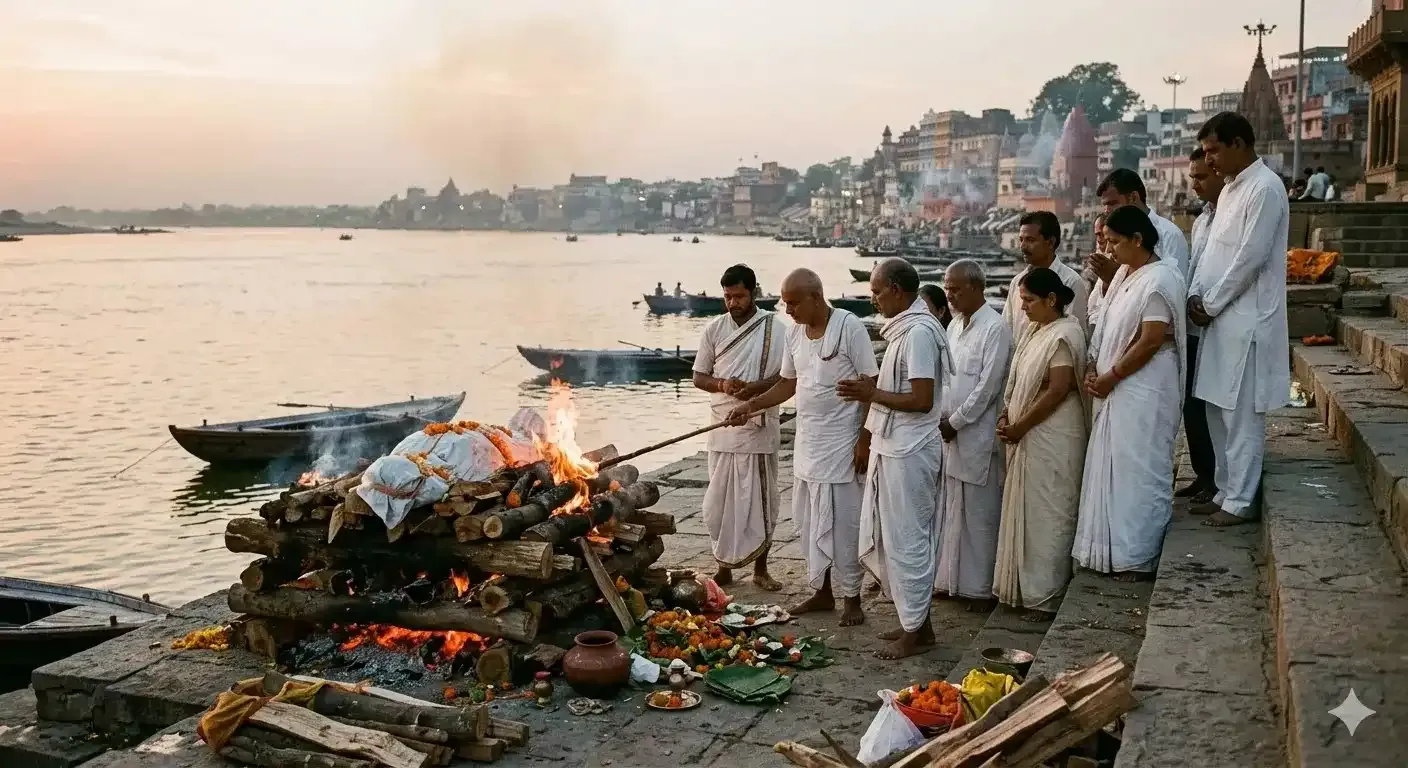
Life After Death in Hinduism, Buddhism, Jainism, Christianity and Islam
RSS Chief Mohan Bhagwat Emphasizes Unity and Coexistence of Islam in India