Worship Compared: Hindu Puja, Islamic Salah, Christian Mass, Buddhist, Jain and Sikh Worship
How Hindus, Muslims, Christians, Buddhists, Jains and Sikhs worship: puja and aarti, the five daily prayers, Mass and services, offerings and chanting, ashtaprakari puja and darshan, kirtan and langar. A respectful comparison with a table and practical etiquette for visiting each other's places of worship.

How Hindus, Muslims, Christians, Buddhists, Jains and Sikhs worship: puja and aarti, the five daily prayers, Mass and services, offerings and chanting, ashtaprakari puja and darshan, kirtan and langar. A respectful comparison with a table and practical etiquette for visiting each other's places of worship.
Quick answer: Hindus worship through puja, offering water, flowers, light, incense and food to the deity at home or in a temple, ending with aarti and prasad. Muslims pray salah five times a day facing the Kaaba in Mecca. Christians gather for the Mass, Divine Liturgy or a service of Bible readings, sermon and prayer. Buddhists make offerings, chant and meditate. Jains perform ashtaprakari puja and take darshan of the Tirthankaras. Sikhs gather in the gurdwara for kirtan before the Guru Granth Sahib and share langar.
This is an introductory, respectful comparison. Each tradition is described as its own followers usually describe it, without ranking, and each has real internal variety.
Hindu puja: home and temple
Puja is the act of honouring the Divine as a beloved and respected guest. It can be as simple as lighting a lamp before a picture at the home shrine or as elaborate as a temple ritual performed by trained priests. Most Hindu homes have a shrine (puja room or corner), and many families pray there every morning and evening. Practice varies widely across Vaishnava, Shaiva, Shakta and Smarta traditions, and some reform movements, such as the Arya Samaj, centre worship on the fire ritual (havan) rather than images.
Shodashopachara: the sixteen offerings
A full puja is often described as shodashopachara, sixteen acts of service, though lists vary between texts. They typically include inviting the deity, offering a seat, water for the feet and hands, water to sip, a bath, clothing, sandalwood paste, flowers, incense, a lamp, food (naivedya), betel and finally circumambulation and prostration. A shorter panchopachara puja uses five offerings: sandalwood, flowers, incense, lamp and food.
Aarti, darshan and prasad
Aarti is the waving of lit lamps before the deity, usually with singing and bells, after which devotees pass their hands over the flame and touch their eyes. Darshan, seeing and being seen by the deity, is at the heart of temple visits. Food offered to God is returned as prasad, a blessing to be received with the right hand. In many South Indian temples, worship follows the Agamas, the texts that govern temple ritual. See the Navratri and Dussehra 9-day Devi worship guide and why Ganesha is worshipped first for examples.
Islamic salah
Salah, the ritual prayer, is the second of the Five Pillars of Islam. Muslims understand it as a direct act of worship of the one God (Allah), without images or intermediaries.
- Five daily prayers: Fajr (dawn), Dhuhr (midday), Asr (afternoon), Maghrib (sunset) and Isha (night). Many Shia Muslims pray the same five prayers combined at three times of day.
- Direction: worshippers face the Qibla, the direction of the Kaaba in Mecca.
- Preparation: ritual washing (wudu) of hands, mouth, face, arms, head and feet, on a clean place, often a prayer mat.
- Form: each prayer has units (rak'ahs) of standing, recitation from the Quran in Arabic, bowing, prostration and sitting.
- Jumu'ah: the Friday midday congregational prayer, with a sermon, is especially important for men and attended by many women.
Beyond salah, Muslims make personal supplication (dua), and many Sufi communities practise dhikr, the remembrance of God through repeated phrases. Sunni, Shia and other communities share the core of salah while differing in some details. See Hinduism and Islam: beliefs and practices compared.
Christian worship: Mass, liturgy and services
Christians worship God as Father, Son and Holy Spirit, and most gather on Sundays, the day they associate with Jesus's resurrection. Forms vary across the main families of churches:
- Catholic Mass: the Liturgy of the Word (Bible readings and a homily) and the Liturgy of the Eucharist, in which Catholics believe the bread and wine become the Body and Blood of Christ, received in Holy Communion.
- Orthodox Divine Liturgy: a sung liturgy rich in icons, incense and chant, where worshippers often stand for much of the service.
- Protestant services: wide variety, usually centred on Bible reading, a sermon, hymns or contemporary worship songs and prayer, with Communion (the Lord's Supper) celebrated weekly in some churches and less often in others.
- Personal prayer, including the Lord's Prayer taught by Jesus in the Gospels, Bible reading and, for many Catholics, the rosary, are part of daily devotion.
See Hinduism vs Christianity for a broader comparison.
Buddhist devotion: offerings, chanting and meditation
- Offerings: flowers (reminding of impermanence), candles or lamps (wisdom), incense, water and food placed before an image of the Buddha.
- Bowing: often three prostrations, honouring the Three Jewels: the Buddha, the Dharma (teaching) and the Sangha (community).
- Chanting: Theravada communities chant in Pali, including taking refuge and the precepts; Mahayana communities chant sutras or the name of Amitabha Buddha; Vajrayana practice uses mantras, visualisation and prayer wheels.
- Meditation: central in many schools, from mindfulness and loving-kindness meditation to Zen sitting practice.
- Circumambulation: walking clockwise around a stupa or shrine.
See Hinduism vs Buddhism for more.
Jain puja and darshan
Jain temples house images of the Tirthankaras, the twenty-four liberated teachers of the present age, of whom Mahavira was the last. Many Jains begin the day with darshan at the temple and recite the Navkar (Namokar) Mantra, which honours the liberated souls and spiritual teachers rather than any personal god. Jains understand that the Tirthankaras, being liberated, do not intervene in the world; worship is reverence that inspires the devotee to follow their example.
In Svetambara image-worshipping communities, the ashtaprakari puja consists of eight offerings: water (bathing the image), sandalwood, flowers, incense, lamp, rice (often arranged in a symbolic pattern), sweets and fruit. Digambara Jains also offer eight substances, with differences in procedure. Sthanakvasi and Terapanthi Svetambara communities do not worship images and focus on meditation, scripture and respect for monks and nuns. See Hinduism vs Jainism and the Ranakpur Jain temple.
Sikh worship: gurdwara, kirtan and langar
Sikhs worship one formless God and do not use images. The Guru Granth Sahib, the scripture, is honoured as the living Guru and placed on a raised, canopied seat in the gurdwara. Worship includes kirtan (singing hymns from the scripture), the communal prayer Ardas, reading the day's hukamnama (a passage read at random as guidance), and sharing karah prashad, a sweet offering. Many Sikhs recite daily prayers (Nitnem) such as Japji Sahib. Every gurdwara runs a langar, a free community kitchen where everyone sits together, regardless of background. See Hinduism vs Sikhism.
Comparison table: worship in six traditions
| Tradition | Main form | Place | Typical frequency | Key elements |
|---|---|---|---|---|
| Hinduism | Puja, aarti, darshan | Home shrine, temple | Daily for many; festivals | Offerings, lamp, prasad, mantras |
| Islam | Salah | Anywhere clean; mosque | Five times daily; Friday congregation | Wudu, facing Qibla, bowing, prostration, Quran in Arabic |
| Christianity | Mass, Divine Liturgy, services | Church, home | Sunday; daily for some | Scripture, sermon, hymns, Communion |
| Buddhism | Offerings, chanting, meditation | Temple, monastery, home shrine | Daily for many; uposatha days | Bowing, Three Jewels, Pali or Mahayana chants |
| Jainism | Ashtaprakari puja, darshan (in image-worshipping sects) | Temple, home | Daily for many | Eight offerings, Navkar Mantra, Tirthankara images |
| Sikhism | Kirtan, Ardas | Gurdwara, home | Daily prayers; congregational gatherings | Guru Granth Sahib, karah prashad, langar |
Common ground and real differences
Most traditions share discipline and preparation (bathing, washing or clean clothing), set times of prayer, sacred words and scripture, community gatherings and sharing food, from prasad and langar to iftar and church meals. They also differ in real ways: Hindu, Jain and many Buddhist and Christian traditions use sacred images or icons, while Islam and Sikhism worship without images; some forms are highly structured, such as salah and the liturgy, and others are more personal and flexible, such as home puja.
Etiquette when visiting each other's places of worship
- Shoes: removed in Hindu, Jain, Sikh and Buddhist temples and in mosques; kept on in most churches.
- Head covering: required for everyone in gurdwaras; expected for women in mosques; customary for women in some Orthodox and traditional churches; men usually remove hats in churches.
- Dress: modest clothing covering shoulders and knees is a safe choice everywhere. Many Jain temples ask that leather items be left outside.
- Photography: often restricted inside sanctums and during worship; always ask first.
- Conduct: stay quiet, do not walk in front of people praying, do not point your feet towards a Buddha image or the Guru Granth Sahib, and in Theravada settings avoid touching monks.
- Food and sacraments: accepting prasad, karah prashad or langar is welcomed; Christian communion is usually only for members.
For families and friends
For NRI families, visiting each other's places of worship is one of the best ways for children to build friendships and understanding. Before inviting friends to your temple, explain what will happen: "We take off our shoes, ring the bell, watch the aarti and receive prasad, a sweet that has been offered to God." When you are invited to a mosque open day, a church service, a Buddhist meditation evening or a gurdwara langar, go with curiosity, follow the hosts' lead and ask questions afterwards rather than during worship.
Also read: meditation and prayer compared, pilgrimage compared and wedding rituals compared.
Frequently asked questions
Can non-Hindus attend a puja or aarti at a Hindu temple?
In most Hindu temples outside India, and many in India, visitors of any faith are welcome to watch and often to join the aarti and receive prasad. A few temples in India restrict entry to the inner sanctum or to the temple itself to Hindus, so check the temple's official website or ask at the entrance.
Can a non-Muslim visit a mosque?
Many mosques welcome visitors and some hold open days. It is best to contact the mosque in advance, dress modestly, remove shoes before the prayer area, and for women to bring a scarf to cover the hair. Avoid visiting during the main Friday prayer unless invited, and do not walk in front of people who are praying.
Should a Hindu receive communion at a church service?
Generally, no. In Catholic and Orthodox churches, communion is for members of that church, and many Protestant churches also ask that it be received by baptised believers. Visitors can simply stay seated; in many Catholic churches, a visitor may come forward with arms crossed over the chest to receive a blessing instead.
What is the difference between Hindu and Jain puja?
Both use offerings such as water, sandalwood, flowers, incense, lamps, rice, sweets and fruit, and both centre on darshan of a sacred image. Jains, however, understand the Tirthankaras as liberated souls who do not grant favours, so Jain puja is seen as veneration that inspires the worshipper to follow their path. Some Jain communities, such as Sthanakvasis and Terapanthis, do not worship images at all.
Do I need to cover my head in a gurdwara?
Yes. Everyone, men and women, Sikh or not, covers their head in the prayer hall, removes their shoes and usually washes hands. Most gurdwaras provide head scarves. Tobacco and alcohol are not allowed on the premises, and all visitors are welcome to eat in the langar.
Is Buddhist bowing to a Buddha image the same as worship?
Buddhists describe it in different ways. Many explain bowing and offerings as expressions of gratitude and respect for the Buddha, the Dharma and the Sangha and as ways of cultivating humility, rather than as worship of a creator God. In Mahayana and Vajrayana traditions, devotion to Buddhas and bodhisattvas is more explicitly part of practice.
Editor's note (9 October 2026)
This page is an introductory comparison for general readers. Worship customs differ between schools, communities and individual places of worship, so the descriptions here are necessarily broad. Before visiting, check the place of worship's own guidance, and for questions of practice, please consult the teachers, clergy or elders of each tradition.
Related guides
You might also like
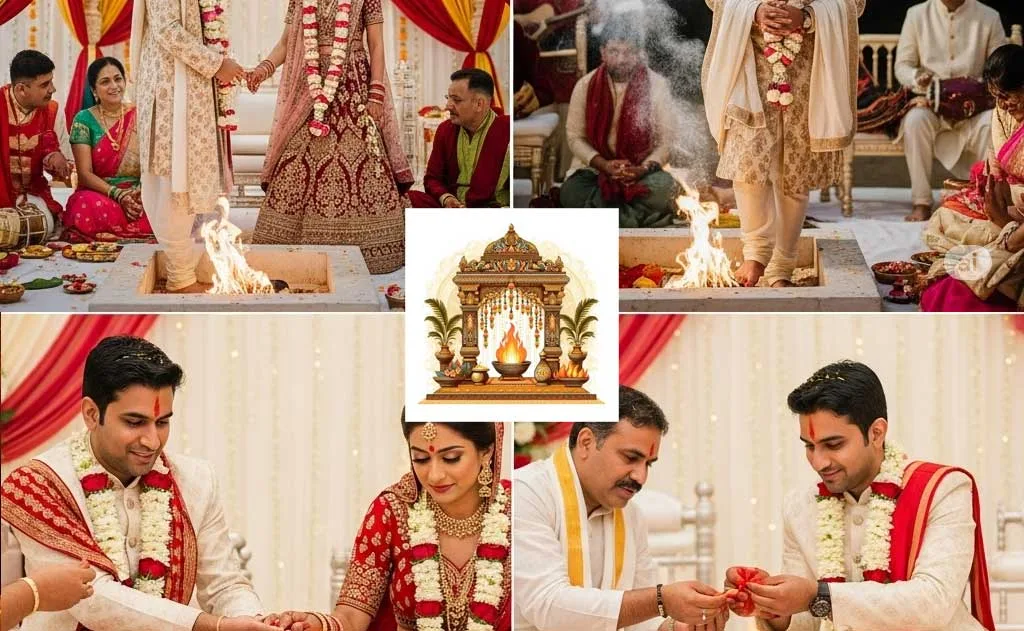
Wedding Rituals Compared: Hindu Vivah, Nikah, Christian, Buddhist, Jain and Sikh Weddings
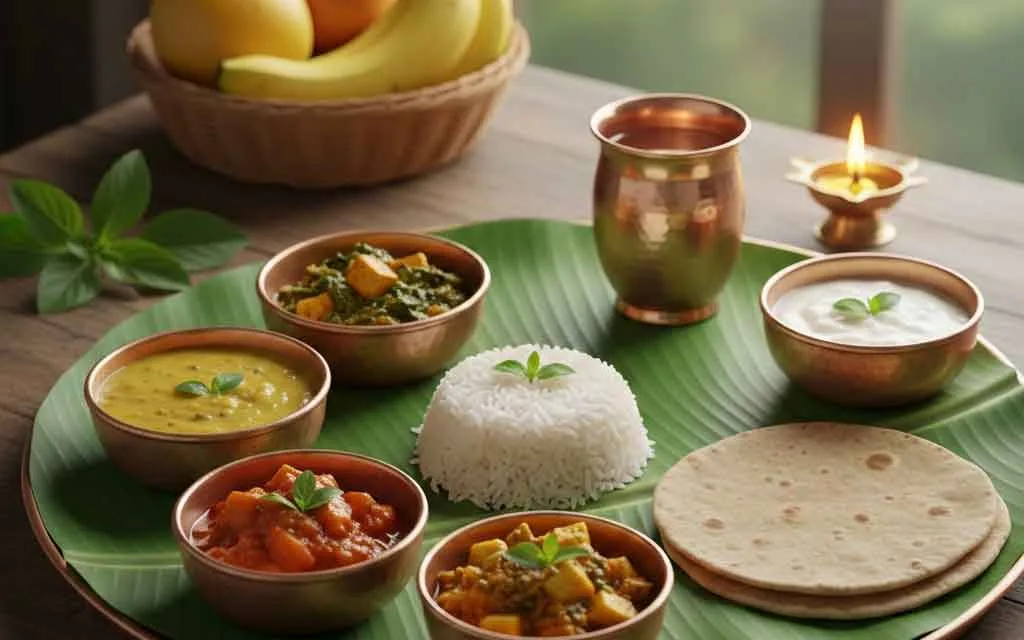
Dietary Practices Compared: Sattvic, Jain, Buddhist, Halal, Christian and Sikh Food Traditions
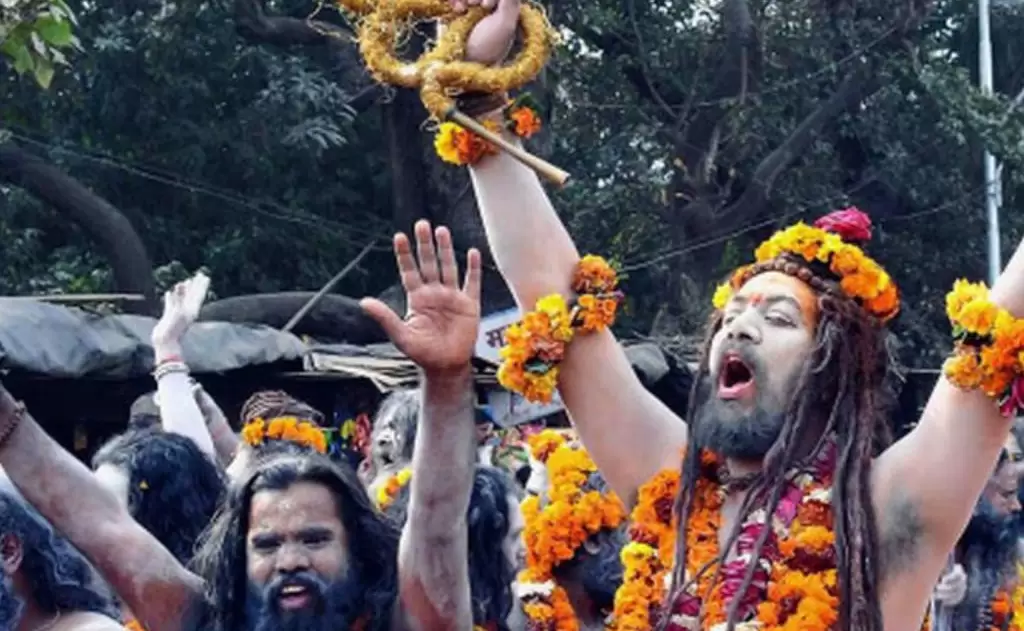
Monastic Life Compared: Sannyasa, the Buddhist Sangha, Jain Monks and Christian Monasticism