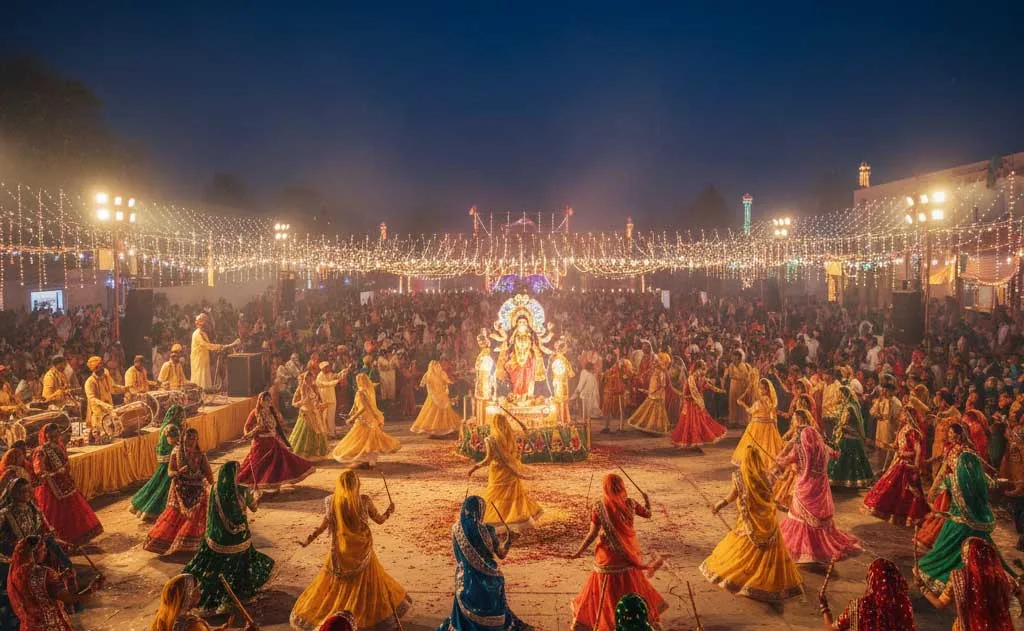
Skanda Sashti 2026 in Singapore and Malaysia: Soora Samharam on 15 November, Six-Day Vratam and Murugan Temples
Skanda Sashti 2026 falls on Sunday 15 November in Singapore and Malaysia, the day of Soora Samharam, with Tirukalyanam commonly celebrated the next day. Here is how the six-day Kanda Sashti vratam after Deepavali is kept, what happens at Murugan temples, sensible fasting food, Kanda Sashti Kavasam recitation and practical tips for working families.
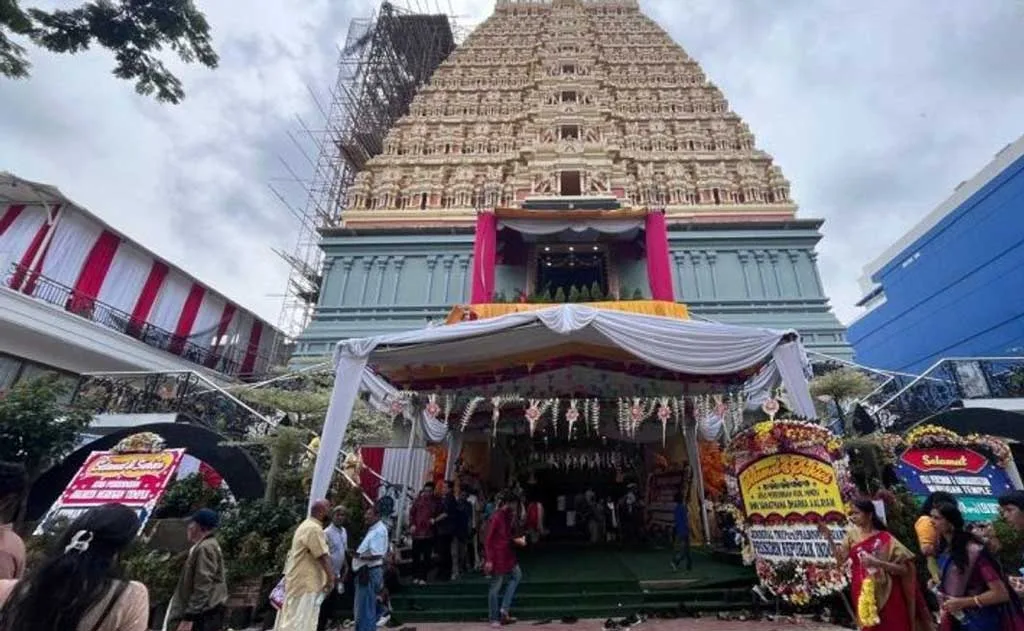
Skanda Sashti 2026 falls on Sunday 15 November in Singapore and Malaysia, the day of Soora Samharam, with Tirukalyanam commonly celebrated the next day. Here is how the six-day Kanda Sashti vratam after Deepavali is kept, what happens at Murugan temples, sensible fasting food, Kanda Sashti Kavasam recitation and practical tips for working families.
Quick answer: Skanda Sashti 2026 falls on Sunday 15 November 2026 in Singapore and Malaysia, the day of Soora Samharam, when Lord Murugan's victory over the demon Surapadman is celebrated. The six-day Kanda Sashti vratam begins right after Deepavali (in India, Tuesday 10 to Sunday 15 November), and Tirukalyanam is commonly held the next day, Monday 16 November. These are HinduTone calculated dates (Drik method); confirm with your temple.
Skanda Sashti 2026 dates for Singapore and Malaysia
| Observance | Singapore and Malaysia | India | Note |
|---|---|---|---|
| Deepavali | Sun 8 Nov 2026 | Sun 8 Nov 2026 | Public holiday in Singapore and most of Malaysia |
| Kanda Sashti vratam begins | Day after the Deepavali new moon | Tue 10 Nov 2026 | Temples announce their six-day schedule |
| Skanda Sashti / Soora Samharam | Sun 15 Nov 2026 | Sun 15 Nov 2026 | Shashti tithi at sunrise; calculated |
| Tirukalyanam (commonly) | Mon 16 Nov 2026 | Mon 16 Nov 2026 | Day after Soora Samharam; check temple |
| Karthigai Deepam | Tue 24 Nov 2026 | Tue 24 Nov 2026 | Krittika nakshatra at sunset; calculated |
Singapore and Malaysia are two and a half hours ahead of India, which in 2026 does not change the Skanda Sashti date. Do not convert India's tithi times to local time; use your temple's own calendar or a panchang set for your city. The day-by-day vratam table for India is on our main Skanda Sashti 2026 page.
What Skanda Sashti celebrates
Skanda Sashti honours Lord Murugan, also called Skanda, Kartikeya, Subrahmanya and Kandaswamy, the son of Shiva and Parvati. As the story is commonly told, Murugan was born to defeat the asura Surapadman, who had overrun the worlds. Armed with the vel, the divine spear given by his mother Parvati, Murugan fought him for six days. On the sixth day, Sashti, he split the demon in two; the two halves became the peacock that Murugan rides and the rooster on his banner. The demon is not simply destroyed but transformed, which devotees read as the conquest of ego and inner negativity.
The most famous Soora Samharam takes place on the seashore at Tiruchendur in Tamil Nadu, one of Murugan's six sacred abodes (Arupadai Veedu). The tradition travelled with Tamil communities to Malaya and Singapore, where Murugan worship has a long and deep history and where Thaipusam is one of the best-known Hindu festivals in the world.
Murugan devotion in Singapore and Malaysia
For many Tamil Hindu families in Singapore and Malaysia, Murugan is the household deity, and the year is marked by his festivals: Thaipusam in January or February, monthly Sashti and Krittika days, and Kanda Sashti in the weeks after Deepavali. Some of the best-known Murugan temples in the region are:
- Sri Thendayuthapani Temple, Singapore: a historic Murugan temple, widely known as the destination of Singapore's Thaipusam procession.
- Sri Srinivasa Perumal Temple, Singapore: a major Vishnu temple, well known as the starting point of the Thaipusam kavadi procession; useful context for how Singapore's Hindu temples work together during festivals.
- Batu Caves Sri Subramaniar Temple, Selangor: the limestone cave temple near Kuala Lumpur with its giant golden Murugan statue and long flight of steps, the centre of Malaysia's Thaipusam.
- Hilltop Murugan temple in Penang: Penang's well-known hill temple to Murugan is another major focus of devotion in northern Malaysia.
Many neighbourhood temples in both countries also have a Murugan shrine and mark Kanda Sashti. We do not list timings or programmes, which change each year; check the temple's official website or notice board for current timings.
What happens at the temple over the six days
- Daily abhishekam and archanai: Murugan is bathed with milk, curd, honey, panchamritam and sandalwood, then decorated and offered prayers each day of the six.
- Kanda Sashti Kavasam and Thiruppugazh: devotees recite or sing hymns to Murugan, often in groups.
- Soora Samharam on Sashti: in temples that stage it, the festival image of Murugan with his vel confronts effigies of Surapadman and his brothers, who change their heads and forms until the final victory. The atmosphere is joyful and noisy, and crowds can be large.
- Tirukalyanam the next day: the wedding of Murugan with Deivanai (Devasena) is commonly celebrated after the victory, with devotees attending as wedding guests.
- Breaking the fast: many devotees end their vratam after Soora Samharam or after Tirukalyanam, depending on family custom.
How to keep the Kanda Sashti vratam
Practices vary a lot between families. Common patterns include:
- One meal a day: a simple vegetarian meal, usually at midday, with fruit and milk otherwise.
- Fruit and milk only: for those who are used to fasting and medically fit.
- Full fast on Sashti only: keeping the first five days lighter and fasting more strictly on the sixth.
- Food to avoid: meat, fish, eggs and alcohol for the whole period; many families also avoid onion and garlic.
- Simple fasting foods: bananas and other fruit, milk or buttermilk, coconut water, plain curd rice, and light dishes your family normally uses on vrat days.
Health caution: Singapore and Malaysia are hot and humid, and dehydration comes quickly. Drink water through the day unless your custom and health clearly allow otherwise. People with diabetes, low blood pressure or other conditions, pregnant or nursing women, children and older devotees should consult a doctor; a lighter vratam is fully accepted in most families. Fasting is an offering, not a test.
At home: lamp, Kavasam and simple prayers
- Light a lamp each morning and evening in front of a picture of Murugan or the vel.Recite or play Kanda Sashti Kavasam, the much-loved Tamil hymn traditionally attributed to Devaraya Swamigal. Many families recite it once a day, others several times on Sashti.Offer fruit, a little milk or a simple sweet. Red flowers are often used for Murugan.Tell children the story of Murugan and Surapadman, and why the peacock and rooster are his symbols.On Sashti evening, if you cannot reach the temple, pray at home at the time your temple holds Soora Samharam.
Tips for working families
In 2026 the six days run through a working week and end on a Sunday, which helps. Plan meals ahead so fasting does not leave you exhausted at work, keep fruit and water at your desk, and let your manager know if you need to leave early for an evening puja. Temples are usually most crowded on Soora Samharam evening, so travel early and use public transport where possible.
What comes next: Karthigai Deepam
Nine days after Soora Samharam, Tamil families celebrate Karthigai Deepam with rows of clay lamps, on Tuesday 24 November 2026 in Singapore and Malaysia by HinduTone's calculation. See our Karthigai Deepam 2026 guide for the USA, Canada, Singapore and Malaysia and the wider Karthigai month 2026 festival list.
Frequently asked questions
When is Skanda Sashti 2026 in Singapore and Malaysia?
Skanda Sashti and Soora Samharam fall on Sunday 15 November 2026 in Singapore and Malaysia, the same day as in India. This is HinduTone's panchang calculation (Drik method), so please confirm with your temple.
When does the Kanda Sashti vratam start in 2026?
The six-day vratam begins on the day after the Deepavali new moon, on Kartika Shukla Pratipada, and ends on Sashti. In India that is Tuesday 10 to Sunday 15 November 2026; our India Skanda Sashti page lists each day. Temples in Singapore and Malaysia announce their own six-day schedule, so check their notices.
When is Tirukalyanam after Soora Samharam?
Tirukalyanam, the celestial wedding of Lord Murugan with Deivanai, is commonly celebrated on the day after Soora Samharam. In 2026 that would be Monday 16 November, but each temple sets its own programme, so confirm locally.
Is it compulsory to fast for all six days?
No. Many devotees keep a full six-day vratam, others fast only on Sashti, and many simply eat one vegetarian meal a day or give up certain foods. Anyone with diabetes or another medical condition, pregnant or nursing women, children and the elderly should speak to a doctor before fasting.
Is Skanda Sashti a public holiday in Singapore or Malaysia?
No. Deepavali is a public holiday in Singapore and in most Malaysian states, but Skanda Sashti is not. In 2026, Soora Samharam falls on a Sunday, which makes it easier for working families to attend the temple.
Can I recite Kanda Sashti Kavasam at home?
Yes. Reciting or listening to Kanda Sashti Kavasam, the well-known Tamil hymn to Murugan, is a common home practice during the six days, especially in the morning or evening in front of a lamp. Use a trusted printed text or recording from your temple or family.
Editor's note (9 October 2026)
This guide was written in October 2026. Skanda Sashti and Soora Samharam on Sunday 15 November 2026 and Karthigai Deepam on Tuesday 24 November 2026 are HinduTone panchang calculations (Drik method) for Singapore and Malaysia, matching Drik Panchang's India listing; please confirm with your temple. The vratam start date given is for India. Temples are named only in general terms, and no timings, programmes or prices are given. The Murugan and Surapadman story is told as commonly narrated in Tamil tradition.
Related guides
You might also like
Skanda Sashti 2026 in the USA, Canada, UK and Australia: Soora Samharam Date by Country and How to Observe

Karthigai Deepam 2026 in the USA, Canada, Singapore and Malaysia: Date by Country, Lamps at Home and Safety Tips

Guru Nanak Jayanti 2026: Gurpurab Date (24 November), Life, Teachings and How It Is Celebrated