Hinduism vs Sikhism: Understanding Two Ancient Indian Religions
Hinduism and Sikhism are two major religions that originated in the Indian subcontinent, each with distinct philosophies, practices, and historical contexts.
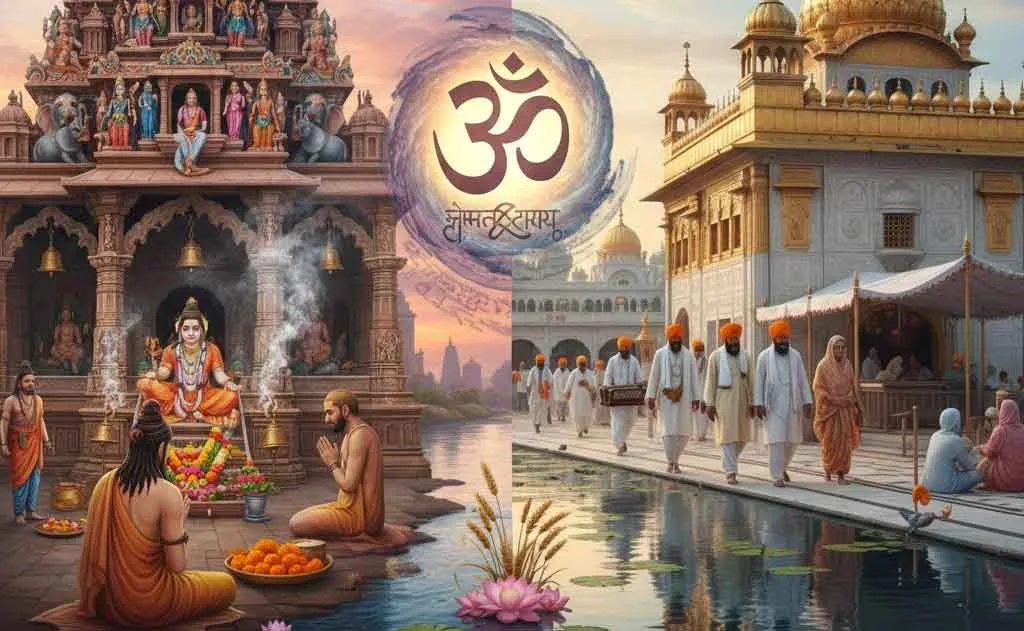
Hinduism and Sikhism are two major religions that originated in the Indian subcontinent, each with distinct philosophies, practices, and historical contexts. While Hinduism is one of the world's oldest religions, dating back over 4,000 years, Sikhism emerged much later in the 15th century as a reform movement. This comprehensive guide explores the key differences and similarities between these two faiths, helping readers understand their unique characteristics and shared cultural heritage.
Origins and Historical Background
Hinduism: The Ancient Faith
Hinduism has no single founder and evolved organically over millennia through the Vedic traditions of ancient India. Its roots trace back to the Indus Valley Civilization around 2000 BCE, with sacred texts like the Vedas, Upanishads, and later the Bhagavad Gita forming its philosophical foundation. The religion developed through various phases, incorporating diverse beliefs, practices, and regional traditions into a complex spiritual system.
Sikhism: A Revolutionary Beginning
Sikhism was founded by Guru Nanak Dev Ji in 1469 CE in Punjab, India. Born during a time of religious conflict between Hindus and Muslims, Guru Nanak sought to bridge spiritual divides by teaching universal truths. The faith was further developed by nine successive Gurus, with the tenth Guru, Guru Gobind Singh Ji, establishing the Khalsa in 1699 and declaring the Guru Granth Sahib as the eternal Guru of the Sikhs.
Core Beliefs and Philosophy
The Concept of God
Hinduism presents a complex view of divinity. While some Hindus believe in one supreme reality called Brahman that manifests in multiple forms, others worship specific deities like Vishnu, Shiva, or Devi. The religion encompasses both monotheistic and polytheistic interpretations, allowing for diverse theological perspectives.
Sikhism is strictly monotheistic, believing in one formless, eternal God called Waheguru or Ik Onkar (One Universal Creator). Sikhs reject idol worship and believe God is beyond human comprehension, existing everywhere and in everything. The opening lines of the Guru Granth Sahib affirm this belief: "Ik Onkar, Satnam, Karta Purakh" (There is One God, Truth is His Name, He is the Creator).
Salvation and Liberation
Hinduism teaches that the ultimate goal is moksha, liberation from the cycle of birth, death, and rebirth (samsara). This can be achieved through various paths including karma yoga (path of action), bhakti yoga (path of devotion), jnana yoga (path of knowledge), and raja yoga (path of meditation).
Sikhism also believes in liberation from the cycle of reincarnation, achieved through remembering God (Naam Simran), selfless service (Seva), and living an honest life (Kirat Karo). Sikhs seek to merge with Waheguru, experiencing spiritual union while still living in the world.
Sacred Texts
Hindu Scriptures
Hinduism has an extensive collection of sacred texts divided into two categories:
- Shruti (heard): The Vedas, considered divinely revealed
- Smriti (remembered): Including the Mahabharata, Ramayana, Puranas, and Dharma Shastras
The Bhagavad Gita, part of the Mahabharata, is particularly revered for its philosophical teachings on duty, righteousness, and devotion.
Sikh Scripture
The Guru Granth Sahib is the sole holy book of Sikhism, containing 1,430 pages of hymns and teachings. It includes compositions from all ten Sikh Gurus and various Hindu and Muslim saints, reflecting Sikhism's inclusive philosophy. Sikhs treat this scripture with the highest reverence, considering it their living, eternal Guru.
Religious Practices and Rituals
Worship and Prayer
Hindu worship varies widely, from elaborate temple rituals (puja) to personal devotions at home shrines. Practices include offering flowers, incense, and food to deities, chanting mantras, and performing yagnas (fire ceremonies). Pilgrimages to sacred sites like Varanasi, Haridwar, and Tirupati are important spiritual practices.
Sikh worship centers on congregational prayer in Gurdwaras (Sikh temples). The main practices include reciting and singing hymns from the Guru Granth Sahib (Kirtan), listening to spiritual discourses, and partaking in Langar (community kitchen). Daily prayers include Japji Sahib in the morning and Rehras Sahib in the evening.
Major Festivals
Hinduism celebrates numerous festivals including:
- Diwali (Festival of Lights)
- Holi (Festival of Colors)
- Navratri/Dussehra
- Janmashtami (Lord Krishna's birthday)
Sikhism observes festivals called Gurpurabs, marking significant events in Sikh history:
- Guru Nanak's birthday
- Guru Gobind Singh's birthday
- Martyrdom days of Sikh Gurus
- Vaisakhi (establishment of the Khalsa)
Social Structure and Equality
The Caste System
Hinduism historically incorporated the varna system, a social hierarchy dividing society into four main categories: Brahmins (priests), Kshatriyas (warriors), Vaishyas (merchants), and Shudras (laborers). While modern India legally prohibits caste discrimination, its social impact remains in some communities.
Sikhism fundamentally rejects the caste system and advocates for complete equality regardless of birth, gender, or social status. The practice of Langar, where everyone sits together on the floor to eat, symbolizes this egalitarian principle. Guru Nanak explicitly taught that all humans are equal before God.
Women's Role
Hinduism has a complex relationship with women's roles, varying by region and tradition. While ancient texts like the Vedas mention female scholars, later practices sometimes restricted women's participation. Modern Hinduism is experiencing reform movements promoting gender equality.
Sikhism grants women equal spiritual status with men. Women can lead prayers, read from the Guru Granth Sahib, and participate fully in religious ceremonies. The Gurus explicitly condemned practices like sati (widow burning) and female infanticide.
Religious Symbols and Identity
Hindu Symbols
Hindus use various symbols including:
- Om (Aum): The primordial sound
- Swastika: Symbol of auspiciousness
- Lotus: Representing purity and divine beauty
- Tilak: Sacred marks on the forehead
Sikh Symbols - The Five Ks
Baptized Sikhs (Khalsa) maintain five articles of faith, all beginning with the letter 'K':
- Kesh: Uncut hair, respecting God's creation
- Kangha: Wooden comb, symbolizing cleanliness
- Kara: Steel bracelet, representing unity with God
- Kirpan: Ceremonial sword, symbolizing dignity and self-defense
- Kachera: Cotton undergarment, representing modesty
The Sikh flag (Nishan Sahib) and the Khanda symbol are also important religious emblems.
Similarities Between Hinduism and Sikhism
Despite their differences, these religions share several commonalities:
- Karma and Reincarnation: Both believe actions have consequences and souls undergo rebirth
- Indian Cultural Heritage: Both emerged from and are deeply rooted in Indian civilization
- Emphasis on Meditation: Both traditions value contemplative practices
- Vegetarianism: Many adherents of both faiths practice vegetarianism, though it's not universally required
- Respect for Saints: Both honor spiritual teachers and enlightened beings
- Philosophy of Non-violence: Ahimsa or non-violence is valued, though interpreted differently
Key Differences Summary
Modern Practice and Global Presence
Hinduism Today
Hinduism remains the dominant religion in India, with over 1 billion followers worldwide. The faith has adapted to modern times while preserving ancient traditions, with diaspora communities establishing temples globally. Various reform movements, like the Arya Samaj and ISKCON, have influenced contemporary Hindu practice.
Sikhism Today
With approximately 25-30 million followers worldwide, Sikhs maintain strong religious identity through visible symbols. The Sikh diaspora, particularly in countries like Canada, the United Kingdom, and the United States, has established vibrant communities. Gurdwaras serve as community centers, preserving Punjabi culture and Sikh traditions.
Interfaith Relations
Historically, Hindus and Sikhs have maintained close cultural ties due to their shared Indian heritage. Many Hindu families in Punjab had traditions where one son would become a Sikh. However, there have also been periods of tension, particularly surrounding political issues in modern India. Understanding and respecting both traditions remains important for communal harmony.
Conclusion
Hinduism and Sikhism represent two distinct spiritual paths that emerged from the rich soil of Indian civilization. While Hinduism offers diverse approaches to spirituality through its ancient wisdom and varied practices, Sikhism presents a clear, reform-oriented message emphasizing equality, service, and devotion to one God. Both religions continue to inspire millions of followers worldwide, contributing to the spiritual and cultural tapestry of humanity.
Whether you're exploring these faiths for academic interest, spiritual seeking, or cultural understanding, recognizing both their differences and commonalities enriches our appreciation of religious diversity. Each tradition offers valuable insights into the human quest for meaning, purpose, and connection with the divine.
For more articles on Hinduism, Indian spirituality, and comparative religion, visit HinduTone.com - your comprehensive resource for understanding Hindu philosophy and practice.
Also read: karma and rebirth across the Dharmic religions and moksha, nirvana and salvation compared.
Also read: Guru Nanak Jayanti 2026.
Frequently Asked Questions
What is the main difference between Hinduism and Sikhism?
Sikhism is strictly monotheistic, worshipping one formless God called Waheguru or Ik Onkar, and rejects idol worship. Hinduism allows both monotheistic and polytheistic views, with worship of deities like Vishnu, Shiva or Devi.
Who founded Sikhism and when?
Guru Nanak Dev Ji founded Sikhism in 1469 CE in Punjab. Nine successive Gurus followed, and Guru Gobind Singh Ji established the Khalsa in 1699 and declared the Guru Granth Sahib the eternal Guru.
Do Hinduism and Sikhism both believe in reincarnation and karma?
Yes, both teach that actions have consequences and souls undergo rebirth. Hindus seek moksha through paths like karma, bhakti, jnana and raja yoga, while Sikhs seek liberation through Naam Simran, Seva and honest living.
What are the Five Ks of Sikhism?
Baptized Sikhs of the Khalsa keep Kesh (uncut hair), Kangha (wooden comb), Kara (steel bracelet), Kirpan (ceremonial sword) and Kachera (cotton undergarment).
Where do Hindu and Sikh diaspora communities live abroad?
The Sikh diaspora is strong in Canada, the United Kingdom and the United States, where Gurdwaras serve as community centres. Hindu diaspora communities have likewise established temples around the world.
Share this with family and friends
Send it on WhatsApp, post it, or copy the link.
More from Hinduism
- AI and the Sanskrit Revival in 2026: Language Models, Manuscript OCR, Translation Tools and What AI Still Gets Wrong
- Can a Robot Perform Puja? Robot Aarti, AI in Rituals and What Hindu Tradition Says
- GitaGPT and AI Bhagavad Gita Chatbots: How Accurate Are They, and What Does Hindu Tradition Say?
- Robotic Elephants and AI in Hindu Temples: Kerala's Mechanical Tuskers, Tirumala's AI Command Centre and the Debate
- Quantum Computing Explained for Hindus: Qubits, Superposition and Entanglement, with Vedanta Analogies (Not Equivalences)