
Monastic Life Compared: Sannyasa, the Buddhist Sangha, Jain Monks and Christian Monasticism
Why do some people renounce home and family for a spiritual life? A respectful introduction to Hindu sannyasa and the four ashramas, the Buddhist sangha and Vinaya, Jain monks and nuns, Christian monks, nuns and friars, Sufi orders in Islam and the Sikh householder ideal, with a comparison table.
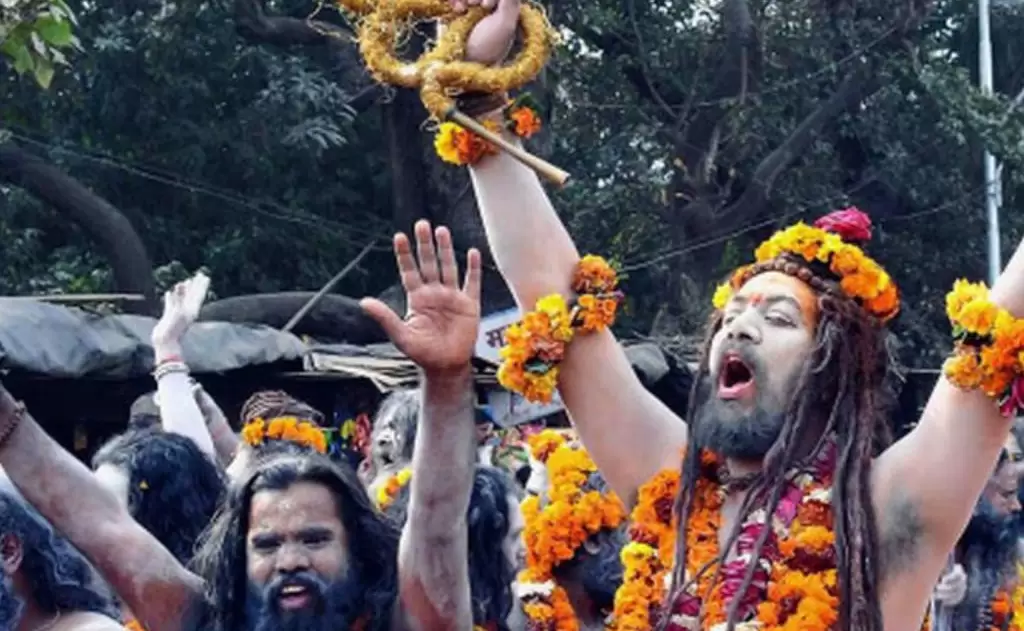
Why do some people renounce home and family for a spiritual life? A respectful introduction to Hindu sannyasa and the four ashramas, the Buddhist sangha and Vinaya, Jain monks and nuns, Christian monks, nuns and friars, Sufi orders in Islam and the Sikh householder ideal, with a comparison table.
Quick answer: Several traditions honour men and women who leave ordinary household life to seek God or liberation full time. Hinduism has sannyasa, the fourth ashrama, with lineages and mathas. Buddhism has the sangha of monks and nuns living by the Vinaya. Jainism has monks and nuns bound by five great vows. Christianity has monks, nuns and friars who vow poverty, chastity and obedience. Islam has no monastic order in the same sense, and Sikhism upholds the householder as the ideal spiritual life.
Why compare monastic paths?
NRI families may meet a visiting swami, take children to a Buddhist vihara, see Jain sadhvis walking barefoot, or have Catholic friends with a relative in a convent. This introductory guide describes each tradition as its own followers and scholars describe it, without ranking any path. Every tradition is internally diverse, and every tradition that has monastics also honours devout lay life.
Hinduism: the four ashramas and sannyasa
The Dharmashastra literature describes four ashramas or stages of life: brahmacharya (student), grihastha (householder), vanaprastha (retirement and reflection) and sannyasa (renunciation). The householder stage is often praised as the support of all the others. Some Upanishadic passages also allow renunciation directly from any stage when detachment is genuine.
A sannyasi receives initiation (diksha) from a guru, takes a new name, wears ochre robes in many orders, and gives up family ties, property and the household fire rituals. In many traditions the rite symbolises death to the old life. Sannyasis may live in a matha (monastery), an ashram, or wander.
- Advaita lineages: the Dashanami (ten-name) order is traditionally associated with Adi Shankaracharya, and four principal mathas, at Sringeri, Dwarka, Puri and Jyotirmath, are traditionally linked with him. Each is led by a Shankaracharya.
- Vaishnava sampradayas: the Sri Vaishnava, Madhva, Gaudiya and other traditions have their own renunciate orders and mathas, such as the eight mathas of Udupi in the Madhva tradition.
- Other forms: Shaiva ascetics, Naga sadhus, women sannyasinis and modern orders such as the Ramakrishna Order show the breadth of Hindu renunciation.
The Bhagavad Gita adds an important balance: Krishna teaches that true renunciation is giving up attachment to the fruits of action, not action itself. Many Hindus therefore see karma yoga in household life as a full spiritual path.
Buddhism: the sangha and the Vinaya
The Buddha founded the sangha, the community of fully ordained monks (bhikkhus) and nuns (bhikkhunis), whose life is regulated by the Vinaya, the monastic discipline in the first part of the Tripitaka. Ordination has two steps: going forth as a novice and full ordination. Monastics keep celibacy, own very little, and in Theravada countries go on a morning alms round and eat before midday. They traditionally stay in one place during the rains retreat.
- Theravada: Sri Lanka, Thailand, Myanmar, Laos and Cambodia; temporary ordination for young men is common in some countries. Revival of full ordination for women is being pursued in some places and debated in others.
- Mahayana: Chinese, Korean and Vietnamese monastics also take bodhisattva precepts and are generally vegetarian. In Japan, many temple priests marry, a practice that became widespread from the late nineteenth century.
- Vajrayana: Tibetan and Himalayan monasteries combine monastic discipline with study and tantric practice.
The relationship between sangha and laity is reciprocal: lay people support monastics with food and requisites, and monastics offer teaching and an example of practice.
Jainism: the five great vows
Jain monks (sadhus, munis) and nuns (sadhvis, aryikas) take the five mahavratas: complete non-violence (ahimsa), truthfulness (satya), not stealing (asteya), celibacy (brahmacharya) and non-possession (aparigraha). Lay Jains keep lesser versions of the same vows. Initiation (diksha) is a major community event.
- Wandering and alms: monastics walk barefoot, use no vehicles, and stay in one place during the four months of the monsoon (chaturmas). They accept food as alms from several households so that nothing is prepared especially for them.
- Digambara: monks renounce all clothing, carry a peacock-feather whisk (pichhi) and water pot, and eat once a day from their cupped hands. Digambara nuns wear white.
- Svetambara: monks and nuns wear white, carry a woollen whisk to gently move insects, and in some sub-traditions wear a mouth-cloth. Nuns considerably outnumber monks in Svetambara communities.
Many Jain monastics ceremonially pluck out their hair (kesh lochan) as a discipline of non-attachment. See Hinduism and Jainism compared and ahimsa across traditions.
Christianity: monks, nuns and friars
Christian monasticism is usually traced to the Egyptian desert in the late third and fourth centuries, where figures such as Anthony the Great lived as hermits and Pachomius organised communities. Monastics see their life as following Christ wholeheartedly in prayer, simplicity and love of neighbour.
- Benedictines: the Rule of St Benedict (sixth century) shaped Western monasticism around communal prayer, work and reading. Benedictines vow stability, obedience and conversion of life, which includes poverty and chastity.
- Friars: Franciscans (founded by Francis of Assisi) and Dominicans, from the thirteenth century, live under vows of poverty, chastity and obedience but serve in the wider world through preaching and care for the poor.
- Orthodox: Eastern Orthodox monasticism has no separate orders; monks and nuns follow a common tradition, with Mount Athos in Greece as a famous centre and a strong emphasis on the Jesus Prayer.
- Protestant: most Reformation churches closed monasteries, though Anglican, Lutheran and ecumenical communities exist today.
Monks and nuns are distinct from parish clergy. Many orders of women religious, from contemplative Carmelites to teaching and nursing sisters, have served in India for generations.
Islam: no monastic order, a spiritual path in the world
Islam does not have a monastic order in the same sense. A Quranic passage refers to monasticism as something the followers of Jesus instituted for themselves, and Muslim interpreters read it in different ways. Mainstream Islamic teaching, drawing on the example of the Prophet Muhammad, regards marriage, work and family as part of a life of faith. Sufi orders (tariqas), such as the Chishti, Qadiri and Naqshbandi orders, offer a disciplined path of remembrance of God (dhikr) under a teacher (shaykh), sometimes centred on lodges and shrines, but most Sufis marry and live ordinary lives. Many Muslims also make a temporary retreat (itikaf) in a mosque.
Sikhism: the householder ideal
The Sikh Gurus taught that liberation does not require renunciation. In the Guru Granth Sahib, Guru Nanak's dialogue with yogis (Sidh Gosht) is often cited for the teaching that one can live detached while in the world, like a lotus in water. The ideal Sikh life combines remembrance of God, honest work and sharing, with seva at the gurdwara. Guru Nanak himself married and raised a family, as did most of his successors. Ascetic groups such as the Udasis developed historically, but the householder remains the mainstream ideal. See Hinduism and Sikhism compared.
Comparison table
| Tradition | Monastic form | Key vows or rules | Dress and daily life | Internal diversity |
|---|---|---|---|---|
| Hinduism | Sannyasa; mathas, ashrams, wandering | Renunciation of family, property, household rites; guru lineage | Ochre robes in many orders; study, worship, teaching | Advaita, Vaishnava, Shaiva orders |
| Buddhism | Sangha of bhikkhus and bhikkhunis | Vinaya monastic code | Robes; alms round and eating before midday in Theravada | Theravada, Mahayana, Vajrayana |
| Jainism | Sadhus and sadhvis | Five mahavratas | Barefoot wandering; alms; chaturmas | Digambara, Svetambara |
| Christianity | Monks, nuns, friars | Poverty, chastity, obedience (Benedictine: stability, obedience, conversion of life) | Habit; common prayer and work | Catholic orders, Orthodox, some Protestant |
| Islam | No monastic order; Sufi orders | Following a shaykh's guidance | Ordinary life with dhikr; temporary itikaf | Sunni, Shia; many Sufi orders |
| Sikhism | Householder ideal | Naam japna, kirat karni, vand chhakna | Family life, work and seva | Historical Udasi tradition |
Common ground and genuine differences
Common ground: simplicity, self-discipline, prayer or meditation, celibacy where monasticism exists, and a reciprocal bond in which lay people support monastics and receive teaching and blessing. Differences: Hinduism and Jainism frame renunciation within paths to liberation and karma; Buddhism centres the sangha as one of the Three Jewels; Christianity understands religious life as a vocation within the church; and Islam and Sikhism deliberately locate the highest spiritual life within household and society.
For families and friends
- When greeting a swami, a Buddhist monk or a Jain monastic, a respectful folded-hands greeting is appropriate; many Buddhist and Jain monastics do not shake hands, and some do not touch people of the opposite sex.
- Do not offer food to Jain or Theravada monastics unless you have asked how to do so correctly.
- When explaining sannyasa to friends, you might say: "It is the stage when someone gives up everything to devote their whole life to God and liberation."
- Christian monasteries often welcome retreat guests of any faith; respect silence and prayer times.
Frequently asked questions
Is a Hindu sannyasi the same as a Christian monk?
They share renunciation, celibacy and a life devoted to God, but differ in structure. A sannyasi often belongs to a lineage (sampradaya) and may live in a matha or wander, with no single rule for all. A Christian monk or nun lives under a written rule within a community or order and takes formal vows within the church. Both are seen by their own traditions as a particular calling rather than the only path.
Can women become monastics in these traditions?
Yes, in most. Hindu traditions have sannyasinis and women ascetics; Jain nuns (sadhvis or aryikas) are numerous, especially among Svetambaras; Buddhist nuns (bhikkhunis) are well established in East Asian Buddhism, while full ordination for women in Theravada and Tibetan lineages is a subject of ongoing discussion; Christian nuns and sisters belong to many orders.
Why do Digambara Jain monks not wear clothes?
Digambara means sky-clad. Digambara monks give up even clothing as the final form of non-possession (aparigraha), carrying only a peacock-feather whisk and a water pot. Svetambara monks and nuns, and Digambara nuns, wear simple white garments. Both traditions honour the same five great vows.
Does Islam have monks?
Islam does not have a monastic order in the Christian or Buddhist sense, and Muslims widely regard marriage and family life as part of faith. Sufi orders offer a spiritual path of remembrance of God under a teacher, but most Sufis marry, work and live in society. Spiritual retreat in a mosque (itikaf) is a temporary practice.
Why does Sikhism not have monks?
The Sikh Gurus taught that liberation is possible while living as a householder: remembering God (naam japna), earning honestly (kirat karni) and sharing with others (vand chhakna). Guru Nanak's dialogues with yogis, recorded in the Guru Granth Sahib, are often cited for this. A few historical ascetic traditions, such as the Udasis, developed alongside the mainstream.
Can a lay person visit a monastery or matha?
Usually, yes. Many mathas, Buddhist viharas, Jain upashrayas and Christian monasteries welcome respectful visitors and retreatants. Dress modestly, follow guidance on shoes and seating, ask before photographing monastics, and check the community's own website for visiting arrangements.
Editor's note (9 October 2026)
This page is an introductory comparison for general readers. It summarises long and varied monastic histories briefly, describes each tradition as its mainstream followers and scholars do, and paraphrases scripture rather than quoting it. For deeper understanding, please consult teachers of each tradition: a swami or acharya, a Buddhist monastic, a Jain muni or sadhvi, a priest, monk or nun, an imam or Sufi teacher, or a granthi.
Related guides
You might also like

Worship Compared: Hindu Puja, Islamic Salah, Christian Mass, Buddhist, Jain and Sikh Worship
Wedding Rituals Compared: Hindu Vivah, Nikah, Christian, Buddhist, Jain and Sikh Weddings
Dietary Practices Compared: Sattvic, Jain, Buddhist, Halal, Christian and Sikh Food Traditions
