
Karma and Dharma
Dharma and karma are two of the most important ideas in Hindu thought, and also two of the most often misunderstood. Dharma refers to the order that sustains life and to one's right conduct and duty within it, shaped by stage of life, relationships and circumstances. Karma, literally 'action', refers both to what we do and to the principle that actions carry consequences, within this life and, according to tradition, beyond it.
The Bhagavad Gita offers one of the best-known teachings on how the two fit together, urging Arjuna to act according to his dharma without attachment to the fruits of action. Schools of Hindu Philosophy, including Vedanta and Advaita, explore further how karma relates to freedom, rebirth and liberation. For everyday devotees, these ideas are less abstract: they are about honesty at work, care for family and responsibility toward others.
On this page you will find clear explainers, stories that illustrate karma and dharma, passages from scripture with commentary, answers to common questions, and reflections on applying these teachings in modern life.
Latest Articles
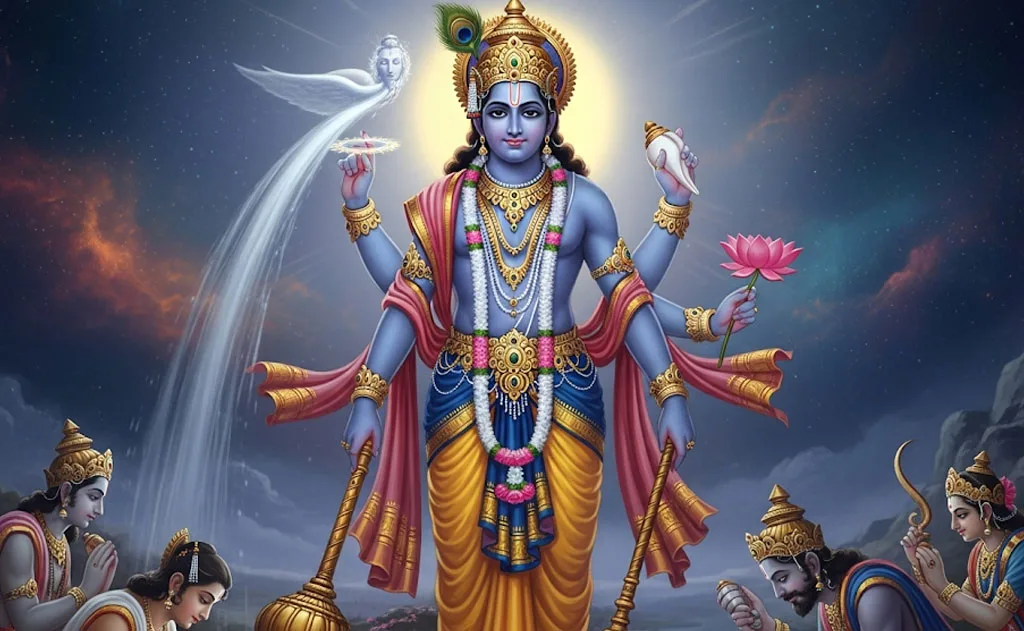
Gajendra Moksha Stotram (Srimad Bhagavatam 8.3): Full Text with Meaning

Moksha, Nirvana, Mukti, Salvation and Jannah: Liberation Compared Across Religions
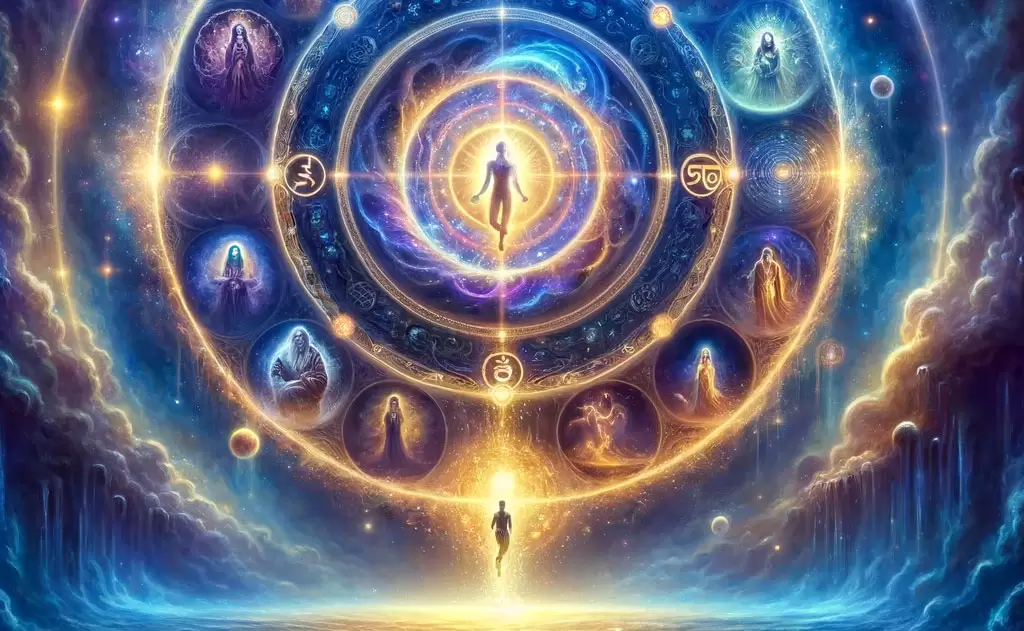
Karma and Rebirth in Hinduism, Buddhism, Jainism and Sikhism Compared
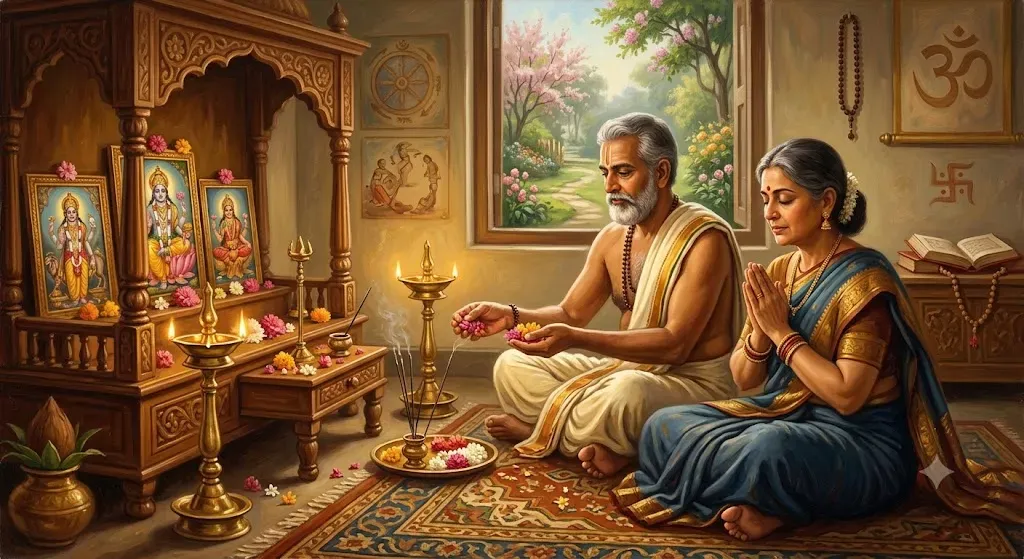
Karma, Rebirth, and Remembrance of God – Why Worship God Even During Good Times?
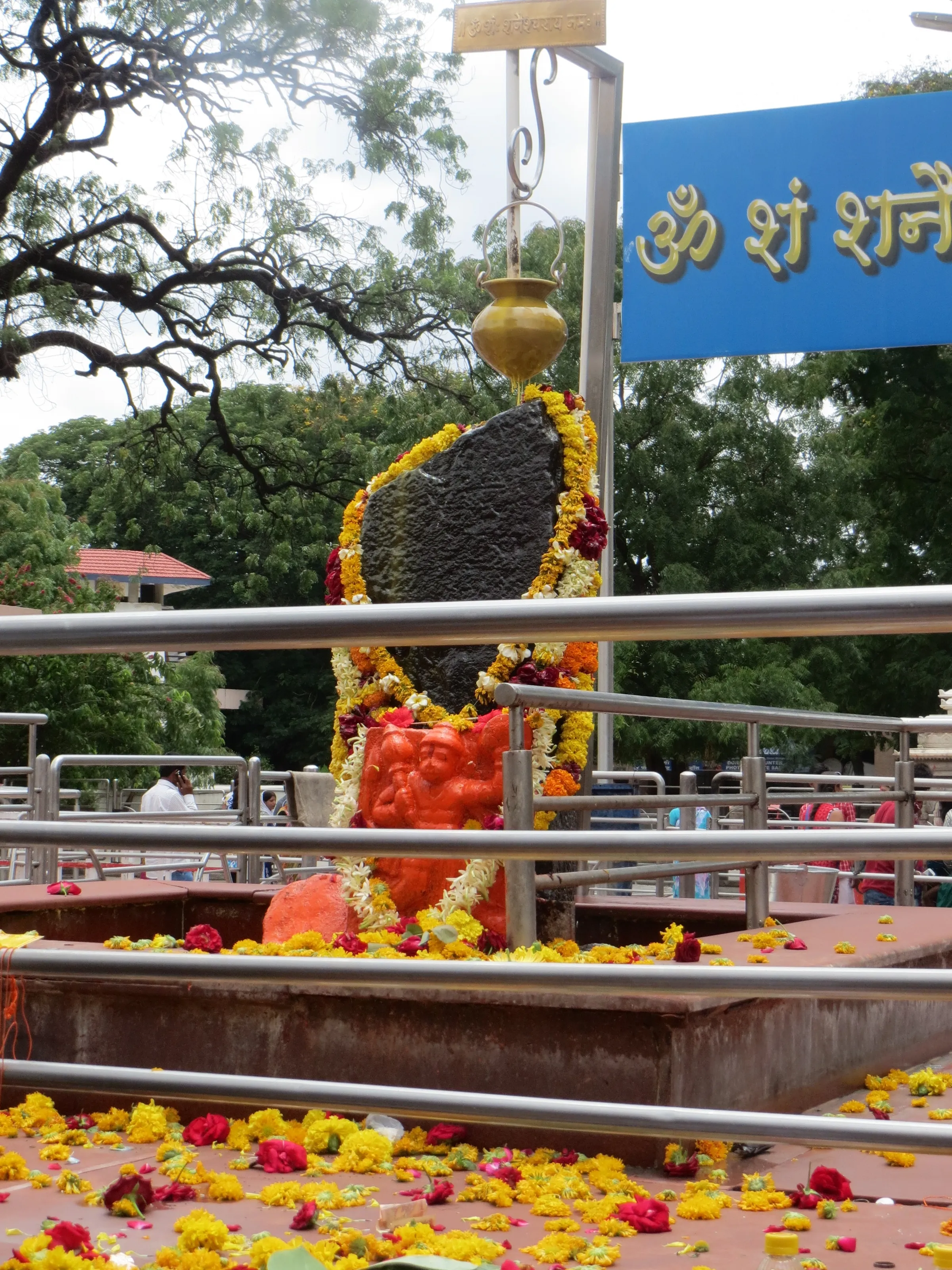
Karma & Rebirth in the Garuda Purana — A Modern Hindu Perspective for 2026
What Is Moksha? The Four Paths to Liberation in Hinduism — A Complete Devotional Guide
Karma, Rebirth, and Moksha Explained Simply: Core Concepts in Hinduism for 2026 Readers

Vaikuntha Ekadashi & Moksha: Can One Day Truly Change Your Karma?

Karma Yoga in Coding: How Selfless Action Boosts Developer Productivity
Karma and Rebirth: Exploring the Cycle of Samsara in Garuda Purana
The Concept of Moksha in the Garuda Purana and Hinduism
Hinduism’s View on Rebirth, Swargam, Narakam, and Life After Death
FAQs
What is the difference between dharma and karma?
Dharma refers to righteous duty, moral order and the right way of living according to one's stage and role in life. Karma means action and the law that every action produces consequences. In simple terms, dharma guides what one should do, and karma describes what follows from what one actually does.
What are the types of karma in Hindu philosophy?
Hindu texts commonly describe three types: sanchita karma, the total accumulated results of past actions; prarabdha karma, the portion now bearing fruit in this life; and kriyamana or agami karma, the new results created by present actions. Spiritual practice is said to influence future karma.
What does the Bhagavad Gita teach about karma?
The Gita teaches karma yoga: performing one's duty sincerely without being attached to its results, and offering the action to God. It says one cannot avoid action altogether, so the aim is to act selflessly, with balance in success and failure. Our Gita pages explore this teaching in detail.