
Vedas
22 articles
The Vedas are the oldest scriptures of Hinduism and are regarded by tradition as shruti, knowledge that was heard or revealed to the ancient rishis rather than composed by them. There are four: the Rig Veda with its hymns to the deities, the Yajur Veda with its formulas for sacrificial ritual, the Sama Veda set to melody for chanting, and the Atharva Veda with its prayers for everyday life. Each is layered into Samhitas, Brahmanas, Aranyakas and the philosophical Upanishads.
For most Hindu families the Vedas are encountered not as books but as sound. The Gayatri mantra, the Purusha Suktam, the Sri Suktam and the peace chants recited at ceremonies all come from Vedic sources, and the oral chanting tradition kept alive by families and pathashalas is valued as a living heritage. Many devotees regard the Vedas as the ultimate foundation of dharma, while understanding of their meaning has developed through schools such as Vedanta.
On this page you will find accessible introductions to each Veda, explanations of well-known hymns and mantras, essays on the Upanishads and Vedanta, and articles on how Vedic chanting is taught and preserved today. Related reading covers the Gayatri mantra and the Sri Suktam.
Start Here
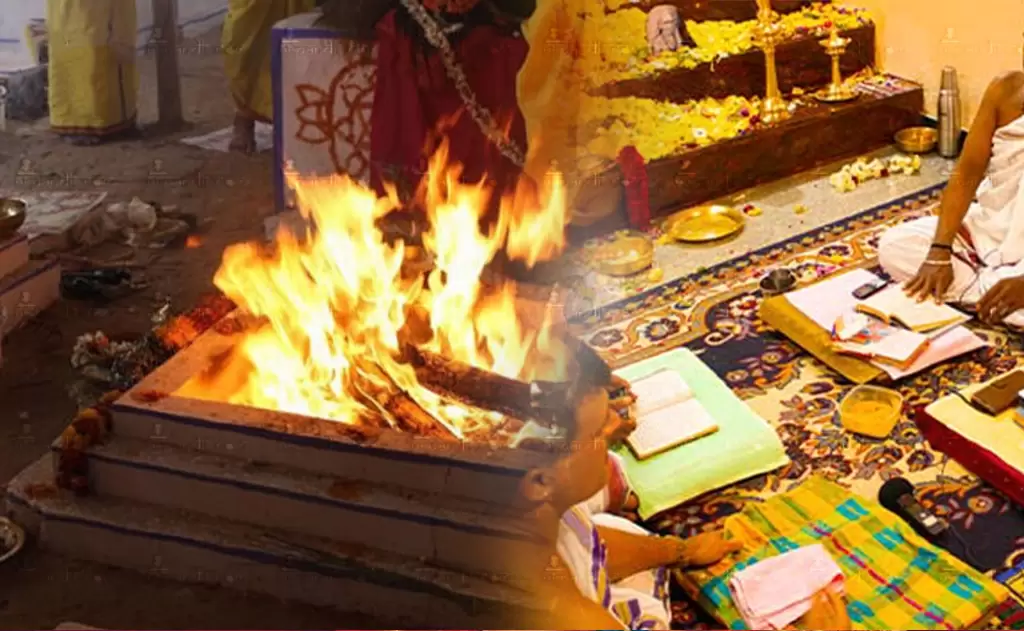
Purusha Suktam: Full Text, Meaning and Significance (Rig Veda 10.90)
The Purusha Suktam (Rig Veda 10.90) pictures the whole universe as one cosmic Person. Here are all 16 verses of the Rigveda text in Devanagari and IAST from sanskritdocuments.org, with our own verse-by-verse meaning…
 Sacred Texts Compared: Vedas, Bible, Quran, Tripitaka, Jain Agamas and Guru Granth Sahib
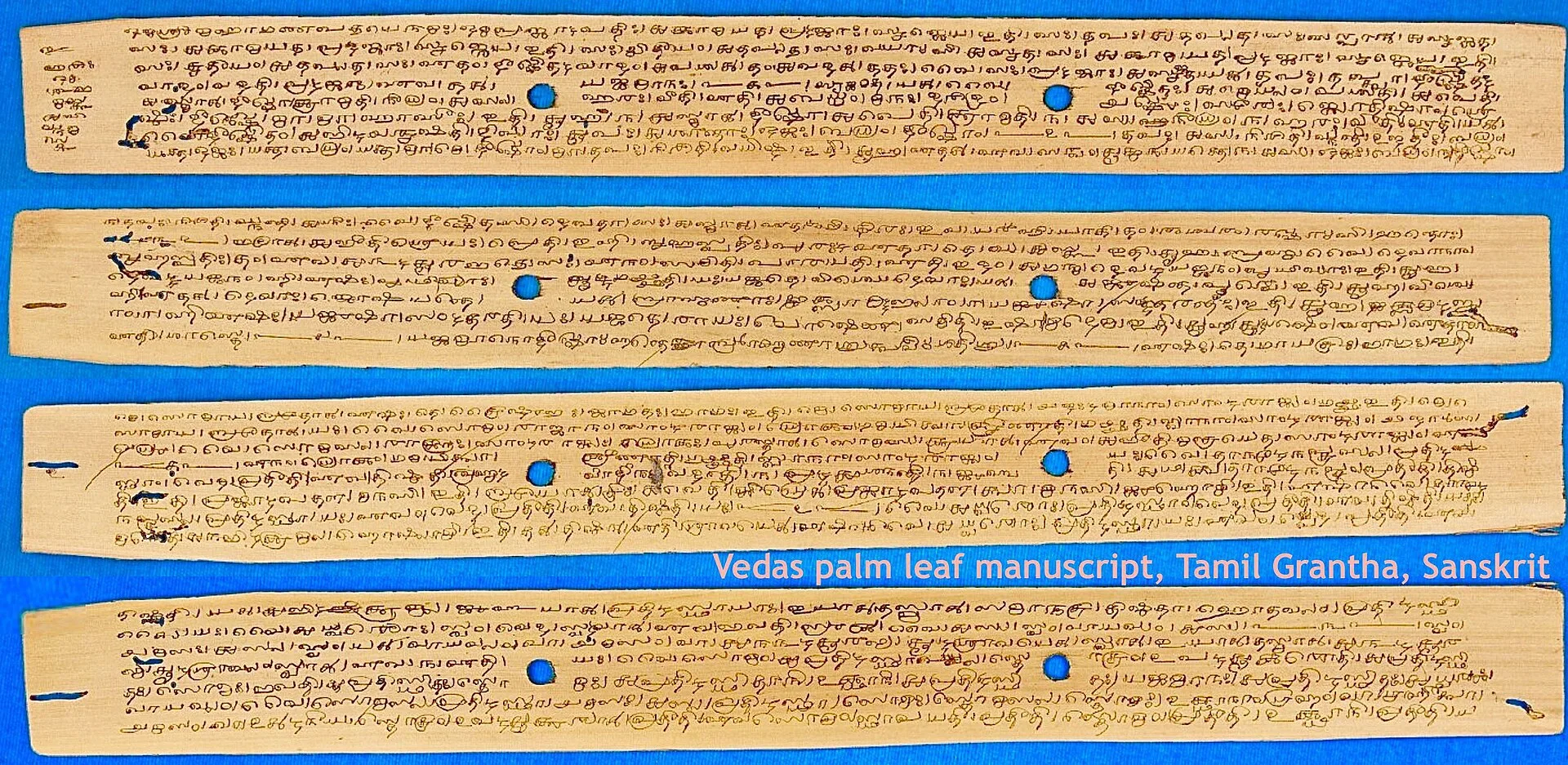 Devi Suktam (Rigveda 10.125): Aham Rudrebhih in Sanskrit with IAST and Meaning
 The Evolution of Vedic Religion: From Rigveda to Modern Hinduism
 Famous Scientists Inspired by Hinduism: Bohr, Heisenberg, and Oppenheimer on Vedas
Latest Articles
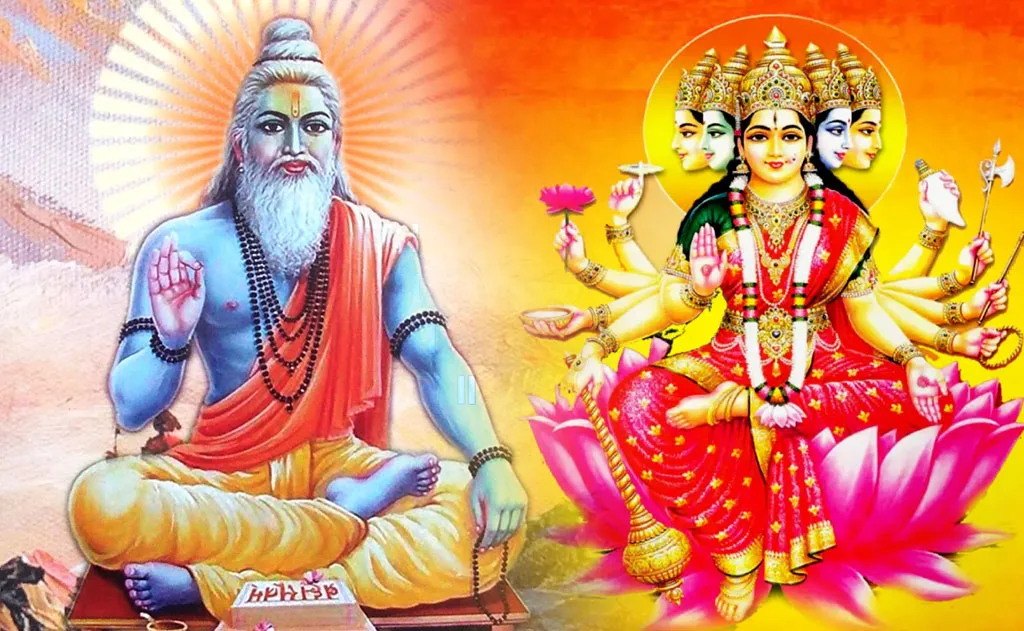
Maharishi Vishwamitra: From King Kaushika to Brahmarishi, Seer of the Gayatri Mantra
Maharishi Vishwamitra (Vishvamitra, "friend of all") is remembered as the king who became a sage. The third book of…
Maharishi Vashishta (Vasishtha): Seer of the Seventh Mandala and Guru of the Ikshvakus
Maharishi Vashishta, written Vasishtha in scholarly transliteration, is one of the most honoured sages of Hindu…
Agastya: The Rishi of the Rig Veda, the Epics and the Tamil South
Agastya is one of the most widely revered sages of Hindu tradition. He is named as the seer of a group of hymns in the…
Samaveda: The Veda of Song
Quick answer: The Samaveda is the Veda of melody. Most of its verses are taken from the Rigveda and set to music…
Rigveda: Structure, Well-Known Hymns and What It Teaches
Quick answer: The Rigveda is the oldest of the four Vedas and the oldest Hindu scripture. It is a collection of 1,028…
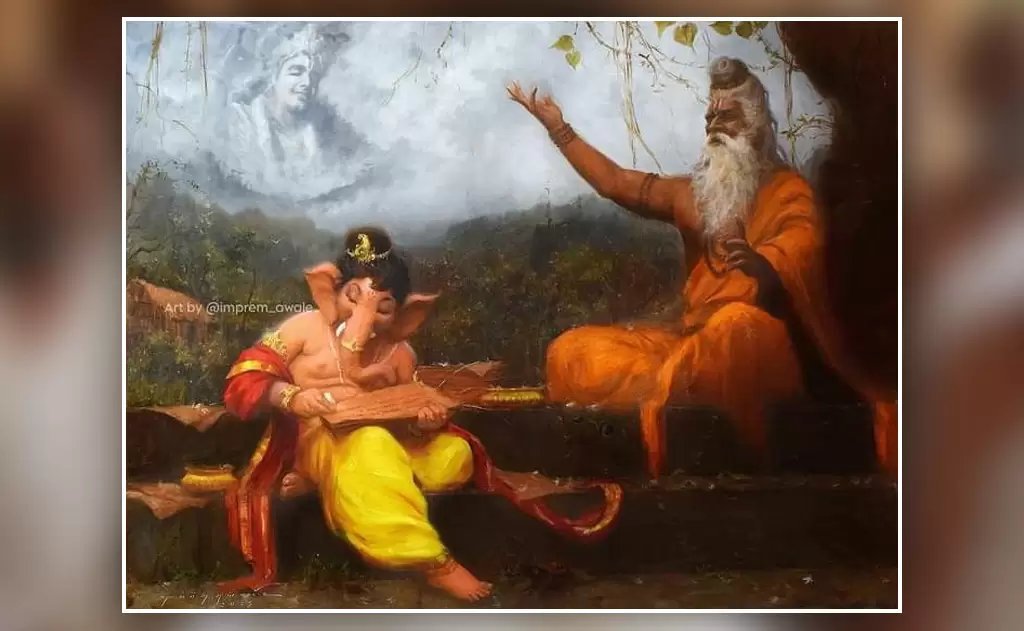
Veda Vyasa: Life, the Vedas and the Mahabharata
Veda Vyasa, also called Krishna Dvaipayana, is the sage whom Hindu tradition honours as the arranger of the Vedas into…
The Four Vedas Explained: Rigveda, Yajurveda, Samaveda and Atharvaveda
Quick answer: The Vedas are the oldest and most authoritative scriptures of Hinduism. There are four: the Rigveda…
Ratri Suktam (Rigveda 10.127): All 8 Verses in Sanskrit with IAST and Meaning
The Ratri Suktam (Rigveda 10.127) is the Vedic hymn to Ratri, the goddess Night, who lights the dark with the stars…

33 Crore Gods Meaning: What "33 Koti Devatas" Really Means, from the Vedas to the One Brahman
Hindus are often said to have 33 crore (330 million) gods. The Vedic texts actually count 33 devas: 8 Vasus, 11…

Dhanurmasam 2026 UK Dates City by City: Margazhi Begins Wed 16 December (4:59 AM), Tiruppavai Routine for British Winters
Dhanurmasam (Margazhi) 2026 begins in the UK with Dhanu Sankranti at 4:59 AM on Wednesday 16 December, so the first…
Sravana Pournami 2026: Veda Upakarma, Gayatri Japam & Hayagriva Jayanti
Sravana Pournami 2026 (28 August): Veda Upakarma (sacred-thread renewal), Gayatri Japam / Jandhyala Purnima, Hayagriva…
AI, Quantum Physics and the Vedas: Analogies, Not Predictions
A deep exploration of how the Vedas, Upanishads, and Puranas anticipated modern AI and quantum computing — Indra's…

Mantras That Cleanse Karma According to the Vedas
The ancient Vedas, the eternal source of divine wisdom, reveal that sound vibrations—when chanted with pure…

Did Ancient Hindu Sages Predict Quantum Physics? Exploring Parallels in Vedas and Upanishads
Did Ancient Hindu Sages Predict Quantum Physics? Exploring Parallels in Vedas and Upanishads The intersection of…
Why Andal's Tiruppavai Is Called the "Tamil Vedas": Deep Symbolism Explained
The Divine Poetess Who Became God's Bride In the sacred town of Srivilliputtur in Tamil Nadu, a remarkable story…
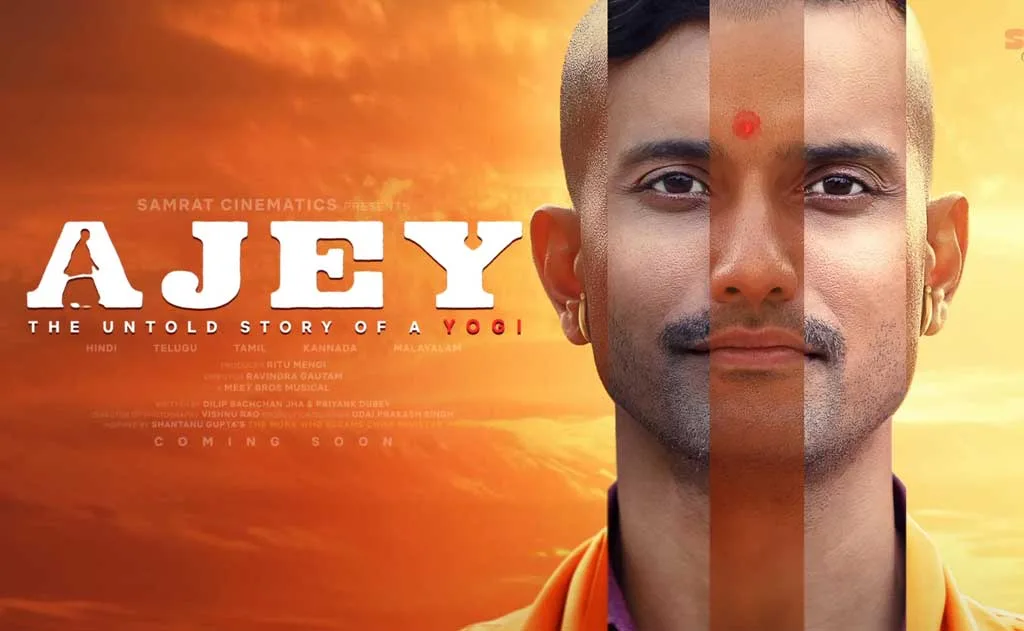
Ajey: The Untold Story of a Yogi Movie Review
Anant Joshi’s Powerful Portrayal Celebrates a Spiritual Leader’s Rise Released on August 1, 2025, Ajey: The Untold…
FAQs
What are the four Vedas?
The four Vedas are the Rig Veda, Yajur Veda, Sama Veda and Atharva Veda. They are the oldest sacred texts of Hinduism, regarded as shruti, meaning revealed knowledge 'heard' by ancient rishis, and they form the foundation of Hindu ritual and philosophy.
What does each Veda contain?
Broadly, the Rig Veda contains hymns to deities, the Yajur Veda formulas for sacrificial rituals, the Sama Veda melodies for chanting, and the Atharva Veda hymns for daily life, healing and protection. Each Veda has Samhita, Brahmana, Aranyaka and Upanishad portions.
Where can I read the Vedas in English?
Older public-domain translations, such as Ralph Griffith's, are available online, along with modern scholarly translations. Because the Vedas are dense, many readers begin with introductions, selected hymns or the Upanishads. Our Vedas pages offer plain-language summaries.
How were the Vedas preserved?
For many centuries the Vedas were preserved orally, passed from teacher to student through precise chanting methods that protect every syllable and accent. This living oral tradition continues in Vedic schools (pathashalas) today, alongside written texts.