Quick answer: The Ratri Suktam is a Vedic hymn addressed to Ratri Devi, the goddess of Night. The classical version is Rig Veda 10.127, in which Night is praised as a luminous, peaceful, and protective divine presence who watches over all beings and dispels fear. A separate Tantrokta Ratri Sukta is recited as an anga of the Durga Saptashati (Devi Mahatmya), where Night is invoked as Yoganidra and Mahamaya, the sleep-power of the Devi. It is chanted at night, during Navaratri and Devi puja, for peaceful sleep and protection.

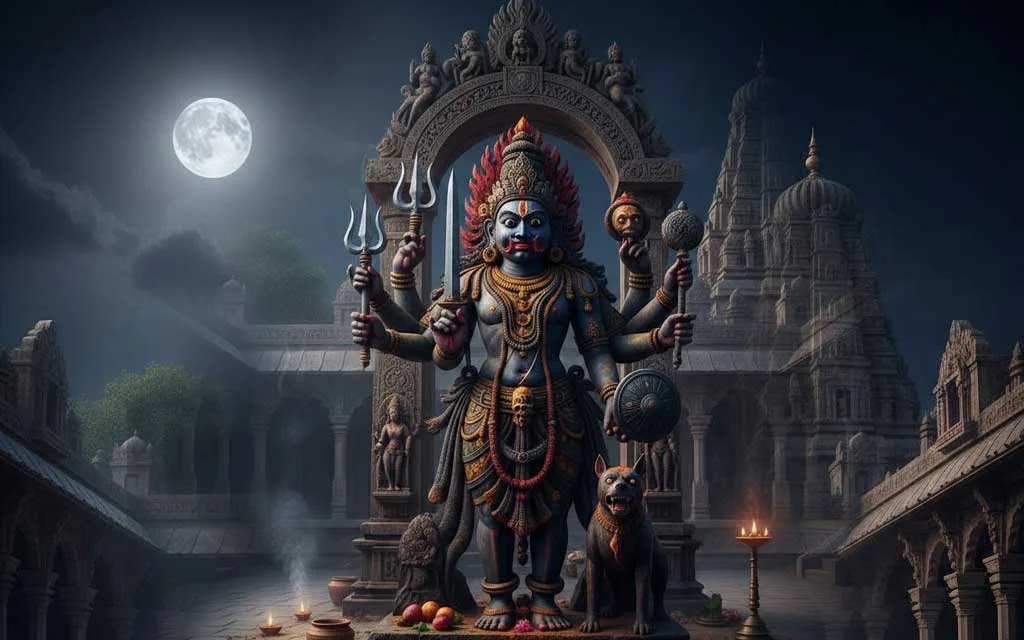
The Ratri Suktam is one of the most beautiful and unusual hymns in the Vedic tradition: a prayer not to a fierce deity or a solar force, but to the Night herself. In it, Ratri Devi, the goddess of Night, is addressed as a living, luminous, and benevolent presence who spreads across the sky, watches over every creature, and quietly protects the world while it sleeps.

Far from being a symbol of darkness or fear, Ratri in this hymn is radiant with stars, gentle, and deeply reassuring. She is asked to keep away danger, to grant restful sleep, and to lead the worshipper safely through the darkness to the light of dawn. This is why the Ratri Suktam is cherished both as a Vedic hymn and as a devotional prayer to the Divine Mother in her nightly form.

Advertisement

What is the Ratri Suktam?

The word Ratri means Night, and Suktam means a well-recited hymn or sacred song of praise. The Ratri Suktam, therefore, is a hymn of praise to Ratri Devi, the goddess who presides over the night. In the Hindu vision, Night is not merely an absence of day but a distinct divine power, a form of the Devi who governs rest, protection, dreams, and the hidden dimension of existence.

There are two well-known compositions that carry this name. One belongs to the Rig Veda and is the original Vedic Ratri Suktam. The other is a Tantric hymn recited alongside the Durga Saptashati (Devi Mahatmya) and is often called the Tantrokta Ratri Suktam. Both praise the Goddess of Night, but they arise from different layers of tradition.

The Vedic Source: Rig Veda 10.127

The classical Ratri Suktam is found in the tenth mandala of the Rig Veda, as hymn 10.127. It is a short and self-contained sukta of a few verses, opening with the well-known line describing how the goddess Night comes forth and looks out in many directions with her eyes.

The traditional opening verse begins: Ratri vyakhyad ayati purutra devy akshabhih. This describes Night arriving and beholding all places with her many eyes, understood as the countless stars that gleam across the sky. Through this imagery, the hymn portrays Night as watchful, aware, and everywhere present, rather than blind or empty.

In the Rig Vedic hymn, the goddess Ratri is the sister of Ushas, the Dawn. As one recedes, the other appears, and together they weave the endless rhythm of time. The rishi praises Night for spreading her presence gently over high places and low, for putting weariness to rest, and for holding back the wolf and the thief so that beings may pass the darkness in safety.

Advertisement

The Theme of the Vedic Hymn

The Vedic Ratri Suktam is remarkable for its tenderness. The seer does not fear the night; instead, he welcomes her as a mother and a protector. He asks Ratri to keep away all that harms, to carry the worshipper safely across the darkness as one is ferried across a river, and to accept his heartfelt praise like a herd offered to a beloved.

  • Night arrives and beholds all directions with her starry eyes
  • She grants rest to the weary and stills the movement of the day
  • She is asked to protect against wolves, thieves, and unseen dangers
  • She is entreated to carry the worshipper safely to the light of dawn
  • She is honored as the sister of Ushas, the Dawn

The Tantric Source: Ratri Sukta in the Durga Saptashati

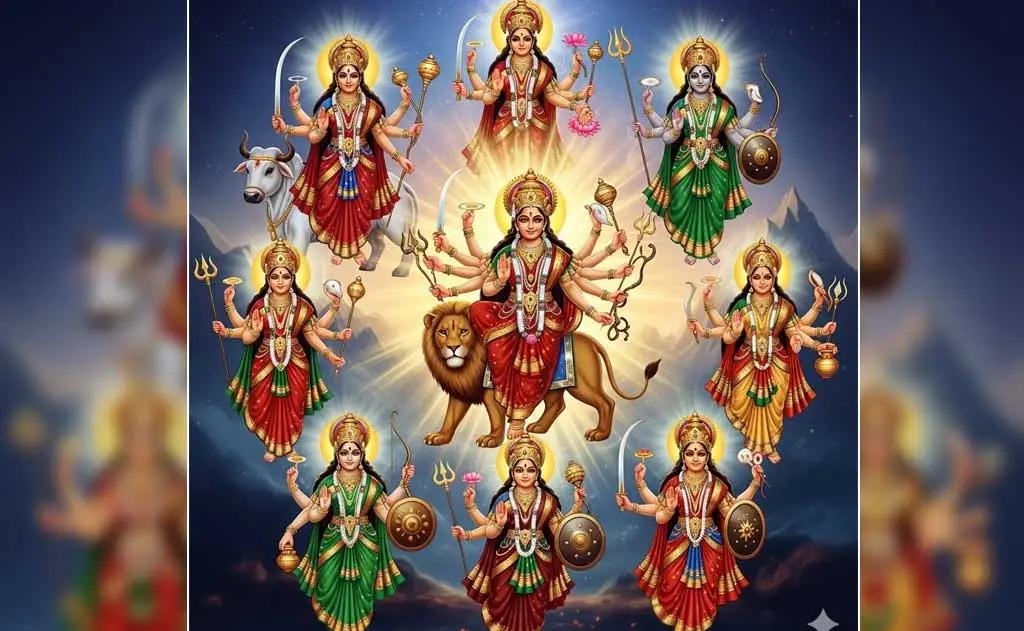
The second Ratri Suktam is the Tantrokta Ratri Sukta, recited as an anga, or supporting limb, of the Durga Saptashati, also known as the Devi Mahatmya or Chandi Path. It is traditionally chanted before beginning the Saptashati during Navaratri and Devi worship.

This hymn is drawn from the very first episode of the Devi Mahatmya, where the gods praise the Goddess as Yoganidra, the yogic sleep in which Lord Vishnu rests upon the cosmic ocean at the end of an age. Here, Night is identified with Mahamaya, the great cosmic power of illusion and withdrawal, who holds the universe in a state of dissolution and then awakens it again.

In this Tantric hymn, the Goddess of Night is far more than the sky at nightfall. She is the sleep-power of the Supreme, the force that binds and releases the whole of creation. By praising her, the gods awaken Vishnu so that he may rise and destroy the demons Madhu and Kaitabha, and in the same way the devotee invokes her to remove obstacles before reciting the sacred text.

Ratri as a Form of the Devi

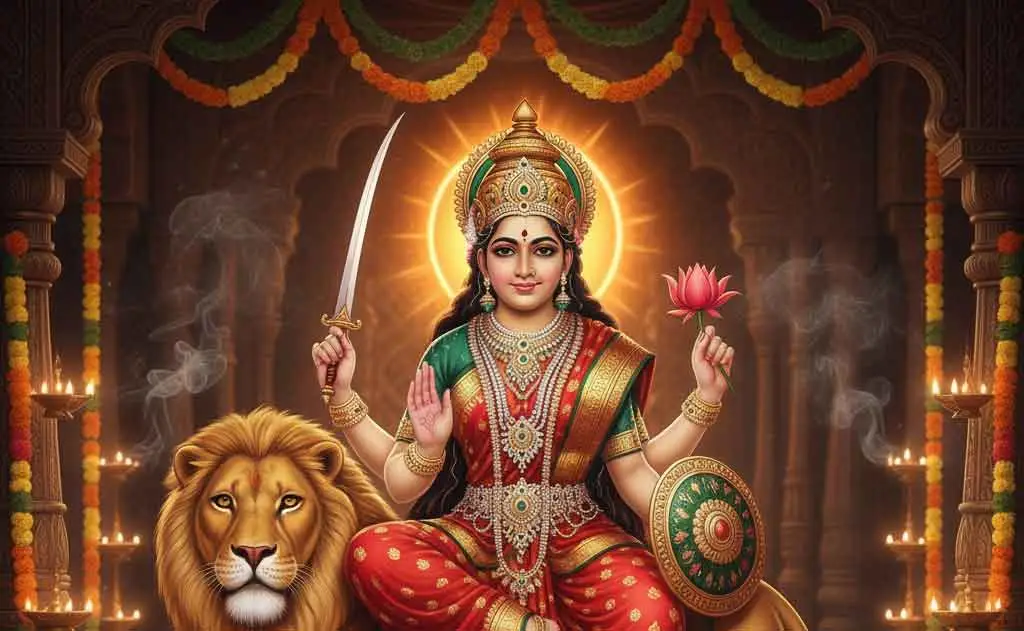
In both hymns, Ratri is not a minor deity but a manifestation of the one Divine Mother. In the Vedic vision she is the caring, watchful Night; in the Tantric vision she is Yoganidra and Mahamaya, the cosmic power of rest and dissolution. Together they reveal a single truth: the same Goddess who unfolds the visible world by day withdraws it into her peaceful darkness by night, and both movements are acts of grace.

This is why devotees see the Ratri Suktam as a hymn to Shakti in her nocturnal aspect. She is the Mother who watches while her children sleep, the stillness that heals the tired mind, and the mysterious power that resolves all activity back into rest.

Advertisement

The Meaning and Message of the Ratri Suktam

The heart of the Ratri Suktam is the transformation of the night from something feared into something revered. Darkness, in ordinary experience, brings anxiety, uncertainty, and vulnerability. The hymn reframes the night entirely: it is divine, conscious, peaceful, and protective. What seems empty is actually full of the Mother's watchful presence.

Three great themes run through the hymn. First, protection: Ratri guards all beings against harm through the dark hours. Second, peace and rest: she grants restful sleep and stills the restlessness of the day. Third, the dispelling of fear: by recognizing the night as the Goddess, the worshipper is freed from dread and rests in trust.

  • The night is divine, not merely an absence of light
  • Ratri Devi actively watches over and protects all beings
  • She grants deep, peaceful, healing sleep
  • She dispels fear, nightmares, and anxiety of the dark
  • She leads the worshipper safely from darkness to dawn

When and How the Ratri Suktam is Chanted

Because it is a hymn to Night, the Ratri Suktam is most naturally chanted in the evening or at night, especially before sleep. It is also recited as part of Devi puja and is especially associated with Navaratri, the nine nights sacred to the Divine Mother, when the Durga Saptashati and its supporting hymns are read with devotion.

The Tantrokta Ratri Suktam is traditionally recited before beginning the Durga Saptashati, along with the other angas of the text, to invoke the Goddess and remove obstacles. Many devotees, however, also chant a Ratri Suktam on its own as a simple nightly prayer for protection and peaceful rest.

Simple Practice for Devotees

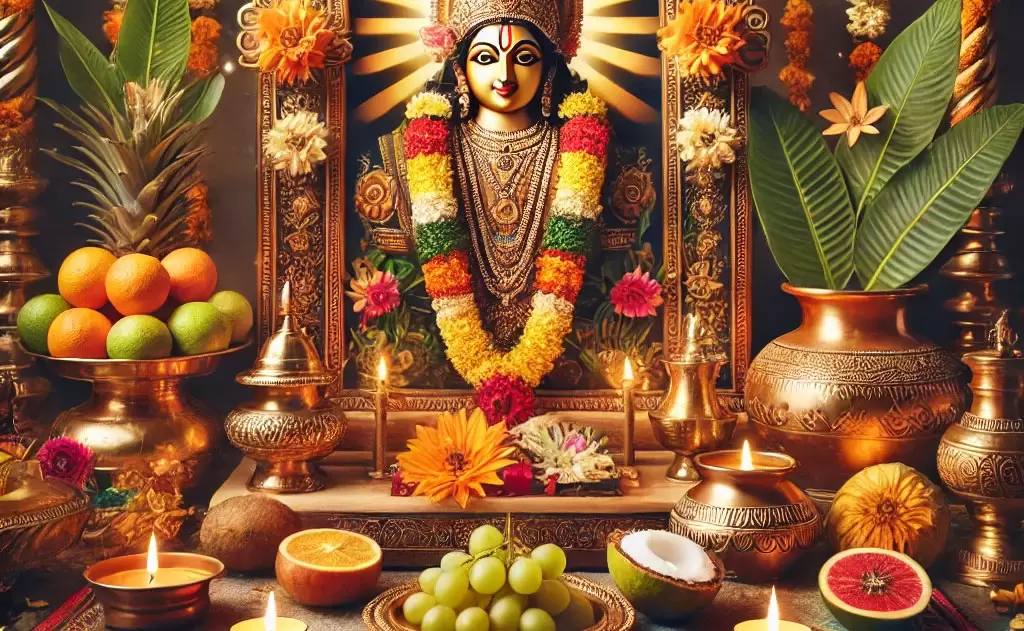
  1. Sit or lie down quietly in the evening, facing a lamp or image of the Devi if possible
  2. Take a few slow breaths and bring the mind to rest
  3. Chant or listen to the Ratri Suktam with attention, understanding that Night herself is the protecting Mother
  4. Offer a prayer for peaceful sleep, freedom from fear, and protection for yourself and your household
  5. Rest in the feeling of being watched over by the Goddess

Benefits Traditionally Associated with the Ratri Suktam

Devotees turn to the Ratri Suktam for the calm and security it brings. As a prayer to the Goddess of Night, it is felt to soothe the mind before sleep, ease anxiety and fear of the dark, and surround the home with a protective presence through the night.

AspectWhat Devotees Seek
Peaceful sleepRest free from disturbance and restlessness
ProtectionSafety for the self and family during the night
Freedom from fearRelease from nightmares, dread, and anxiety of darkness
DevotionNearness to the Divine Mother in her nightly form

As with all sacred hymns, the deepest benefit is inward. Chanting the Ratri Suktam cultivates trust in the Divine Mother and a settled awareness that even in the darkest hours one is never alone, but held in the watchful care of Ratri Devi.

Conclusion

The Ratri Suktam gives voice to a profound and comforting vision: that the night is not to be feared, but revered as a form of the Goddess. Whether in the tender verses of Rig Veda 10.127 or in the cosmic praise of Yoganidra within the Durga Saptashati, the Goddess of Night stands as watcher, protector, and giver of peaceful rest. To chant her hymn is to lie down each night in the arms of the Divine Mother, trusting her to carry us safely through the darkness to the light of a new dawn.

Frequently Asked Questions

What is the Ratri Suktam?

The Ratri Suktam is a Vedic and devotional hymn of praise to Ratri Devi, the goddess of Night. It portrays the night as a divine, peaceful, and protective presence who watches over all beings, grants restful sleep, and dispels fear and darkness.

Advertisement

Where does the Ratri Suktam come from?

The classical Vedic Ratri Suktam is Rig Veda 10.127. A second hymn, the Tantrokta Ratri Sukta, is recited as an anga of the Durga Saptashati (Devi Mahatmya), where the Goddess of Night is invoked as Yoganidra and Mahamaya.

Who is Ratri Devi?

Ratri Devi is the goddess who presides over the night. In the Vedas she is the watchful, protective Night and the sister of Ushas, the Dawn. In the Devi Mahatmya she is identified with Yoganidra and Mahamaya, the sleep-power of the Supreme and a form of the Divine Mother.

What is the meaning of the Ratri Suktam?

It reframes the night as divine rather than fearful. Its central themes are protection of all beings through the dark hours, the granting of peaceful and healing sleep, and the dispelling of fear, leading the worshipper safely from darkness to dawn.

When should the Ratri Suktam be chanted?

It is most naturally chanted in the evening or at night, especially before sleep. It is also recited during Navaratri and Devi puja, and the Tantric version is chanted before beginning the Durga Saptashati.

Is the Ratri Suktam connected to Durga Saptashati?

Yes. The Tantrokta Ratri Sukta is one of the supporting hymns (angas) recited with the Durga Saptashati. It draws on the first episode of the Devi Mahatmya, praising the Goddess as Yoganidra to invoke her before the main recitation.

What are the benefits of chanting the Ratri Suktam?

Devotees chant it for peaceful sleep, protection of the self and family through the night, freedom from nightmares and fear of the dark, and a deepened sense of nearness to the Divine Mother in her nightly form.

Is Ratri a form of the Divine Mother?

Yes. In both the Vedic and Tantric hymns, Ratri is a manifestation of the one Goddess (Shakti). She is the caring, watchful Night in the Vedas and Yoganidra or Mahamaya, the cosmic power of rest and dissolution, in the Tantric tradition.