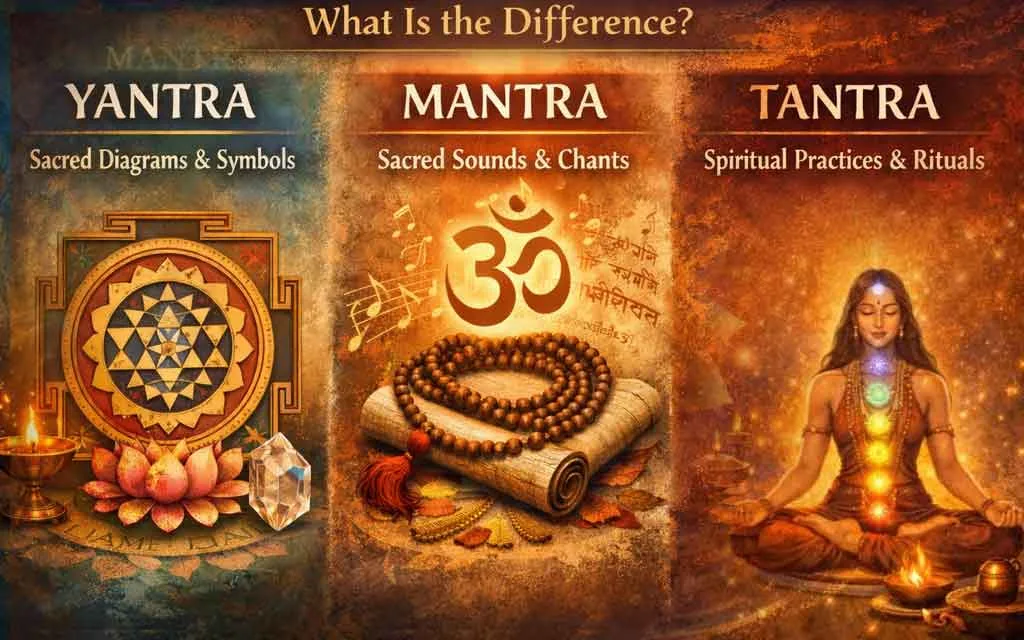
Mantras That Cleanse Karma According to the Vedas
The ancient Vedas, the eternal source of divine wisdom, reveal that sound vibrations—when chanted with pure devotion—possess the power to purify the soul,…

The ancient Vedas, the eternal source of divine wisdom, reveal that sound vibrations—when chanted with pure devotion—possess the power to purify the soul,…
The ancient Vedas, the eternal source of divine wisdom, reveal that sound vibrations—when chanted with pure devotion—possess the power to purify the soul, dissolve accumulated karma, and align us with the supreme consciousness. In Hindu tradition, karma is the law of cause and effect, binding us through actions across lifetimes. Yet, through sincere mantra japa (repetition), performed with deep bhakti (devotion), we invoke divine grace to cleanse these impressions, burn away negative residues, and pave the path toward liberation (moksha).
At Hindutone.com, we explore the profound spiritual sciences of Sanatana Dharma. This post delves into Vedic mantras renowned for karma cleansing, drawing from scriptural essence and devotional practice. Chant these with faith, ideally during Brahma Muhurta (pre-dawn), facing east, with a calm mind and clean heart. Combine with good deeds, self-reflection, and surrender to amplify their transformative power.
1. Gayatri Mantra – The Mother of All Vedas
Om Bhur Bhuvah Svah Tat Savitur Varenyam Bhargo Devasya Dhimahi Dhiyo Yo Nah Prachodayat
Meaning: We meditate on the divine light of the radiant Sun (Savitur), the supreme source of illumination. May that glorious effulgence inspire and awaken our intellect toward truth.
From the Rigveda (and revered across all Vedas), this is the most sacred Vedic mantra, considered the essence of Vedic knowledge. Chanting it purifies the mind, intellect, and subtle body, dissolving ignorance (avidya) that fuels karmic cycles. Devotees believe consistent Gayatri japa—especially 108, 1,008, or more repetitions daily—invokes divine wisdom, reduces past karmic burdens, and bestows spiritual clarity. It is said to offer the merit of reciting all four Vedas.
Devotional Narration: Imagine sitting in quiet dawn light, the world asleep, as you offer this prayer to the eternal Savitur. With each syllable, feel layers of karmic dust gently lifting from your soul, replaced by pure, golden awareness. The Gayatri is not mere words—it's a loving call to the Divine Mother, cleansing and enlightening.
2. Maha Mrityunjaya Mantra – The Conqueror of Death and Karma
Om Tryambakam Yajamahe Sugandhim Pushtivardhanam Urvarukamiva Bandhanan Mrityor Mukshiya Maamritat
Meaning: We worship the three-eyed Lord (Shiva), fragrant and nourisher of all beings. Like a ripe cucumber freed from its vine, may we be liberated from death (and the cycle of rebirth) for the sake of immortality.
This powerful mantra from the Rigveda (7.59.12) and Yajurveda is dedicated to Lord Shiva as Rudra, the destroyer of afflictions. It purifies deep karmic impressions, heals physical and spiritual ailments, and liberates from the fear of death—ultimately dissolving the roots of karmic bondage. Vedic texts describe it as a tool for karma shuddhi (purification), promoting longevity, health, and moksha when chanted with devotion.
Devotional Narration: In moments of inner turmoil, when past actions weigh heavy, turn to Mahadeva with this mantra. Each "Tryambakam" invokes Shiva's compassionate gaze, burning away sins like fire consumes dry grass. Feel the blue throat of Neelakantha absorbing your karmic poisons, granting freedom and peace. Chant it 108 times daily, especially on Mondays or during challenges, surrendering fully to the Destroyer who transforms suffering into liberation.
3. Om Namah Shivaya – The Panchakshari Mantra
Meaning: Salutations to the auspicious Lord Shiva (the inner Self beyond form).
This five-syllable mantra, rooted in Vedic and Shaiva traditions (echoed in Yajurveda and Shiva Purana contexts), is celebrated as a destroyer of karmic cobwebs. It invokes Shiva's purifying energy, clearing accumulated vasanas (tendencies) and ego-driven actions. Many sages and modern teachers describe it as directly addressing karma through devotion to the ultimate transformer.
Devotional Narration: Whisper "Om Namah Shivaya" like a heartbeat of surrender. With each repetition, offer your past deeds at Shiva's feet. The "Na" dissolves ego, "Ma" removes illusion, "Shi" bestows peace, "Va" grants grace, and "Ya" unites you with the divine. In deep bhakti, this simple chant becomes a river washing away lifetimes of karma, leaving only pure Shiva-consciousness.
How to Practice These Mantras for Karma Cleansing
- Sit in a quiet space with a japa mala (108 beads).
- Begin with sankalpa (intention): "I chant for purification of my karma and spiritual growth."
- Chant mindfully, focusing on meaning and devotion.
- Ideal counts: 108 daily for beginners; 1,008 or more for deeper sadhana.
- Combine with acts of seva (selfless service), charity, and ethical living to accelerate results.
- Consistency over years, with humility, yields profound transformation.
The Vedas teach that true karma cleansing comes not from mechanical repetition but from heartfelt devotion and surrender to the Divine. These mantras are bridges to that grace.
Explore more on the science of mantra chanting and the power of sound in Hinduism here on Hindutone.com. May these sacred vibrations bring peace, purification, and divine light to your journey.
Hari Om Tat Sat. Jai Shiva Shankara! [image: 🌿] [image: 🕉️]
Frequently Asked Questions
What is the Mantras That Cleanse Karma According to the Vedas?
The ancient Vedas , the eternal source of divine wisdom, reveal that sound vibrations—when chanted with pure devotion—possess the power to purify the soul, dissolve accumulated karma, and align us with the supreme consciousness. In Hindu tradition, karma is the law of cause and effect, binding us through actions across lifetimes.
How many times should the Mantras That Cleanse Karma According to the Vedas be chanted?
It is traditionally chanted 108 times using a rudraksha or tulsi mala. Even 11 or 21 sincere repetitions daily are considered beneficial — steady, focused practice matters more than the count.
What is the best time to chant the Mantras That Cleanse Karma According to the Vedas?
Dawn (Brahma Muhurta) after a bath is considered ideal, though it may be chanted any time with a calm, focused mind. Many devotees keep a fixed daily time to build consistency.
Who can chant the Mantras That Cleanse Karma According to the Vedas?
Anyone may chant it with faith and a pure mind, regardless of age, gender or background. Beginners benefit from first hearing the correct pronunciation and understanding its meaning.
What are the benefits of chanting the Mantras That Cleanse Karma According to the Vedas?
It is believed to calm the mind, dissolve negativity, and draw divine grace, protection and clarity to the devotee.
You might also like
Maha Mrityunjaya Mantra for Hindus
Mahishasura Mardini Stotram (Aigiri Nandini): Full Sanskrit Lyrics, IAST and Meaning
Powerful Mantras for Students & Parents Before Joining School