The Impact of Recent Conflicts on Hindus: Seeking Peace Through Ancient Mantras – A Spiritual Perspective
In March 2026, the world grapples with escalating geopolitical tensions, including the US-Israel strikes on Iran leading to the reported death of Supreme…
In March 2026, the world grapples with escalating geopolitical tensions, including the US-Israel strikes on Iran leading to the reported death of Supreme…
In March 2026, the world grapples with escalating geopolitical tensions, including the US-Israel strikes on Iran leading to the reported death of Supreme Leader Ayatollah Ali Khamenei, retaliatory actions, and broader instability in West Asia. Closer to home for many Hindus, ongoing violence against minority communities in Bangladesh persists ahead of national elections, with reports of attacks, killings, and intimidation. These developments affect Hindu populations directly and indirectly—through diaspora safety concerns, economic ripples, and heightened communal fears.
At www.hindutone.com, we focus on preserving Sanatan Dharma, cultural resilience, and spiritual strength in challenging times. This article explores the real-world impacts on Hindus amid these conflicts and offers powerful Vedic mantras for peace, protection, and inner harmony. Chanting these sacred sounds can foster personal calm, collective well-being, and a prayerful call for global shanti (peace).
Current Geopolitical Conflicts and Their Toll on Hindus
The Iran-US-Israel escalation has disrupted lives across West Asia, home to millions of Indian expatriates, many of whom are Hindus. Over 9 million Indians reside in Gulf countries like the UAE, Saudi Arabia, Kuwait, Qatar, and Oman, with smaller communities in Israel and Iran. Flight cancellations, airspace closures, and safety fears have stranded thousands, including students and workers from regions like Kashmir and Uttar Pradesh.
For the Hindu diaspora, this means family separations, livelihood disruptions, and anxiety over remittances that support communities back in India. While India maintains diplomatic balance—evacuating citizens when needed and prioritizing sovereignty—the uncertainty tests resilience. Protests in Jammu & Kashmir and Ladakh highlight domestic ripples, where tensions spill into local sentiments.
In Bangladesh, the Hindu minority faces acute threats. Since the 2024 political upheaval following Sheikh Hasina's ouster, the Bangladesh Hindu Buddhist Christian Unity Council has documented thousands of attacks on Hindus, including temple desecrations, property arson, and killings. In 2025-2026, violence surged further, with incidents like the lynching of Dipu Chandra Das in December 2025 and ongoing fears ahead of February elections. Reports indicate hundreds of communal incidents, amplifying insecurity for Bangladesh's 13+ million Hindus amid rising polarization and impunity concerns.
These events remind us of historical patterns where geopolitical shifts or internal strife disproportionately affect minorities. For Hindus worldwide, they underscore the need for spiritual fortitude alongside worldly awareness and advocacy.
The Power of Mantras: Ancient Tools for Peace and Protection
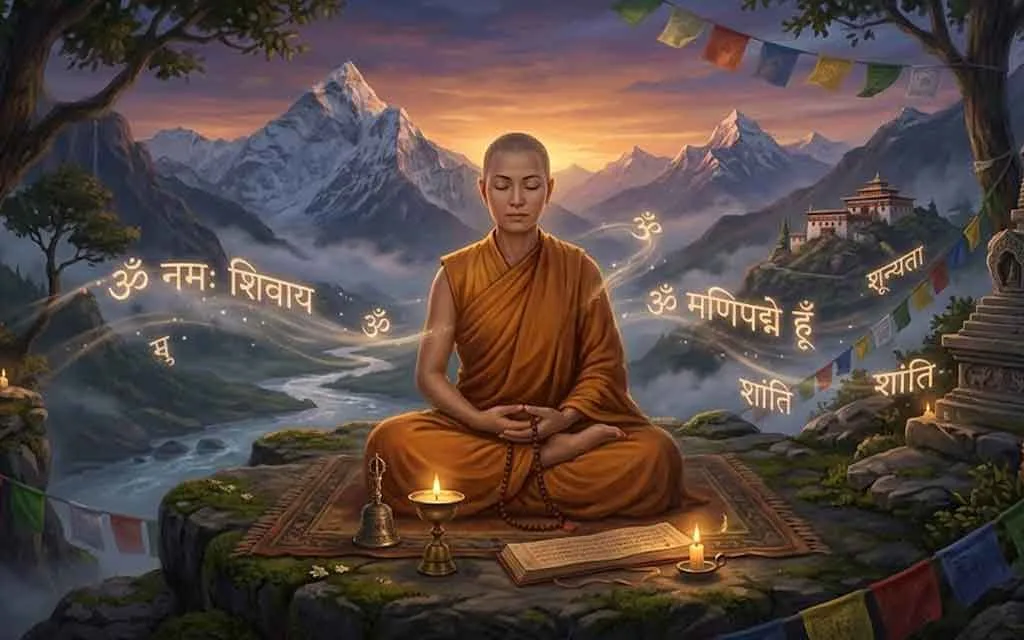
In Sanatan Dharma, mantras are not mere words—they are vibrational energies that align the mind, body, and soul with divine forces. During times of war, conflict, or personal turmoil, our rishis prescribed specific chants to invoke protection (raksha), inner peace (shanti), and universal harmony.
Chanting with devotion, focus, and correct pronunciation amplifies their potency. Begin in a clean space, facing east or north, using a mala (108 beads) for japa. Even 11, 21, or 108 repetitions daily can bring profound calm.
Here are some of the most revered mantras for peace and safety in turbulent times:
- Om Shanti Om A primordial Vedic chant invoking universal peace. "Om" is the cosmic sound; "Shanti" means peace thrice—for self, others, and the world. Chant: Om Shanti Om Shanti Om Shanti Benefit: Calms the mind instantly, spreads peace vibrations, and counters fear or agitation from external conflicts.
- Lokah Samastah Sukhino Bhavantu "May all beings everywhere be happy and free." Full Chant: Om Lokah Samastah Sukhino Bhavantu Benefit: A compassionate prayer for global harmony, ideal when witnessing violence against communities like Hindus in Bangladesh or diaspora hardships. It fosters empathy and collective healing.
- Mahamrityunjaya Mantra (Great Death-Conquering Mantra) Dedicated to Lord Shiva for protection from untimely death, danger, and calamities—including war-like situations. Sanskrit: Om Tryambakam Yajamahe Sugandhim Pushtivardhanam | Urvarukamiva Bandhanan Mrityor Mukshiya Maamritat Benefit: Creates a protective shield, heals physical/mental afflictions, and grants longevity/safety. Recite 108 times daily during crises for divine intervention.
- Gayatri Mantra The ultimate Vedic prayer to Savitr (the divine light) for enlightenment and protection. Sanskrit: Om Bhur Bhuvaḥ Svaḥ Tat Savitur Vareṇyaṃ Bhargo Devasya Dhīmahi Dhiyo Yo Naḥ Prachodayāt Benefit: Purifies the intellect, dispels darkness (ignorance/fear), and invokes wisdom to navigate conflicts peacefully. Chant at dawn for strength.
- Om Namah Shivaya (Panchakshari Mantra) A simple yet potent Shiva mantra meaning "I bow to Shiva" (the auspicious one). Chant: Om Namah Shivaya Benefit: Surrenders ego, removes negativity, and builds inner resilience. In times of external turmoil, it brings profound inner peace and protection from harm.
- Shanti Mantra (from Upanishads)Om Dyauḥ Shāntiḥ Antarikṣaṃ Shāntiḥ Pṛithivī Shāntiḥ Āpaḥ Shāntiḥ (and continues invoking peace in heavens, space, earth, waters, etc.) Benefit: A comprehensive prayer for peace across all realms, countering war's chaos by affirming universal tranquility.
- Sarvesham Svastir Bhavatu "May all be auspicious, may all be peaceful, may all be whole." Full Chant: Sarvesham Svastir Bhavatu | Sarvesham Shantir Bhavatu | Sarvesham Purnam Bhavatu | Sarvesham Mangalam Bhavatu Benefit: Promotes well-being, peace, and auspiciousness for everyone, especially useful for praying for affected Hindu communities.
How to Incorporate These Mantras in Daily Life
- Morning Routine: Start with Gayatri or Om Shanti Om for clarity and protection.
- Evening Reflection: Chant Mahamrityunjaya or Lokah Samastah for healing from the day's stresses.
- During Anxiety: Repeat Om Namah Shivaya silently or aloud to ground yourself.
- Group Chanting: Organize family or community sessions for collective prayers—especially powerful for global peace.
Combine with acts of dharma: support affected communities through awareness, donations, or advocacy while maintaining spiritual practice.
Final Thoughts: Dharma Prevails Through Inner Strength
Conflicts test humanity, but Sanatan Dharma teaches that true victory lies in preserving peace within. As Hindus face challenges—from West Asian instability affecting our diaspora to threats in neighboring lands—let us turn to these timeless mantras. They remind us that divine energy transcends borders and chaos.
May Lord Shiva, Devi Durga, and all protective deities shield the vulnerable. May global shanti prevail.
Om Shanti Shanti Shanti.
At www.hindutone.com, we honor Sanatana Dharma's eternal wisdom. Explore more on Vedic practices, cultural resilience, and community support. Share your experiences with these mantras in the comments.
Frequently Asked Questions
What is the The Impact of Recent Conflicts on Hindus?
In March 2026, the world grapples with escalating geopolitical tensions, including the US-Israel strikes on Iran leading to the reported death of Supreme Leader Ayatollah Ali Khamenei, retaliatory actions, and broader instability in West Asia. Closer to home for many Hindus, ongoing violence against minority communities in Bangladesh persists ahead of nation
How many times should the The Impact of Recent Conflicts on Hindus be chanted?
It is traditionally chanted 108 times using a rudraksha or tulsi mala. Even 11 or 21 sincere repetitions daily are considered beneficial — steady, focused practice matters more than the count.
What is the best time to chant the The Impact of Recent Conflicts on Hindus?
Dawn (Brahma Muhurta) after a bath is considered ideal, though it may be chanted any time with a calm, focused mind. Many devotees keep a fixed daily time to build consistency.
Who can chant the The Impact of Recent Conflicts on Hindus?
Anyone may chant it with faith and a pure mind, regardless of age, gender or background. Beginners benefit from first hearing the correct pronunciation and understanding its meaning.
What are the benefits of chanting the The Impact of Recent Conflicts on Hindus?
It is believed to calm the mind, dissolve negativity, and draw divine grace, protection and clarity to the devotee.
You might also like
Pitru Tarpan Vidhi — Complete Ancestral Offering Guide
Lord Sri Rama Powerful Mantras for every Hindu
Powerful Mantras for Students & Parents Before Joining School