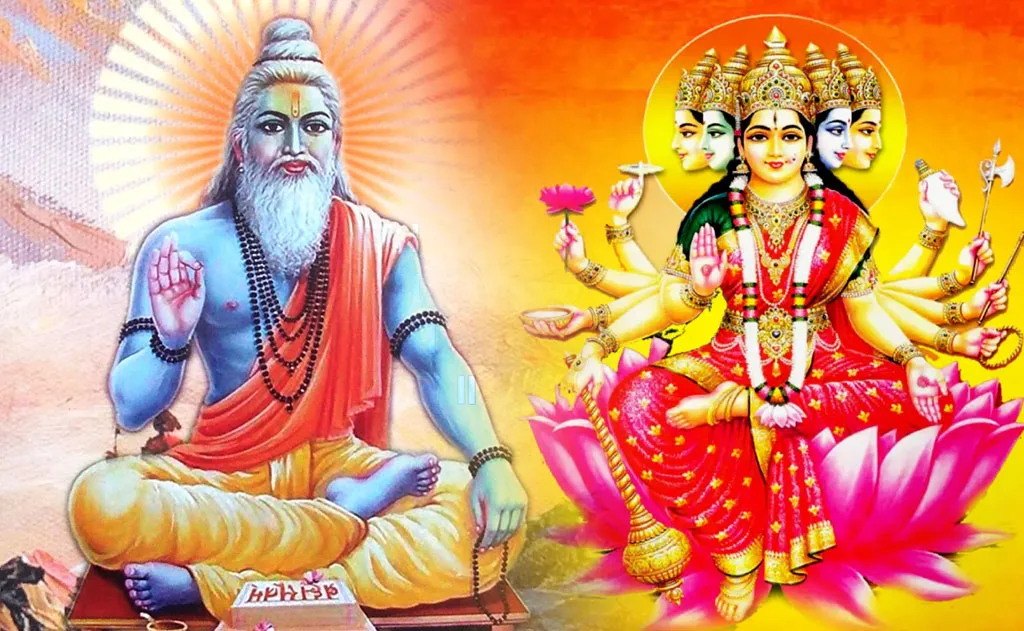
Maharishi Vashishta (Vasishtha): Seer of the Seventh Mandala and Guru of the Ikshvakus
Maharishi Vashishta, written Vasishtha in scholarly transliteration, is one of the most honoured sages of Hindu tradition. The seventh book of the Rig Veda is ascribed to him and his family, the Ramayana makes him the family priest and teacher of Rama's Ikshvaku dynasty, and he is one of the Saptari
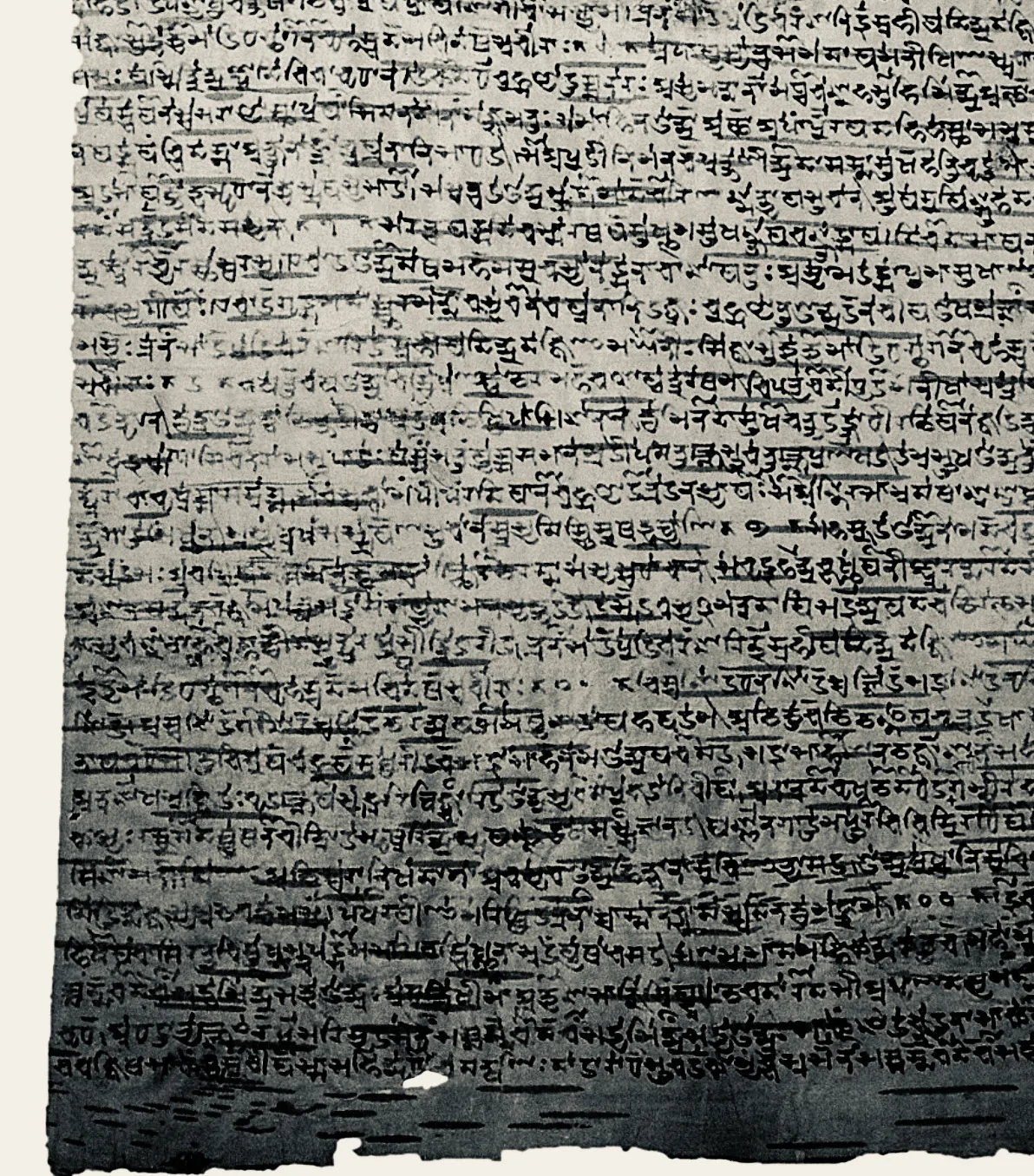
Maharishi Vashishta, written Vasishtha in scholarly transliteration, is one of the most honoured sages of Hindu tradition. The seventh book of the Rig Veda is ascribed to him and his family, the Ramayana makes him the family priest and teacher of Rama's Ikshvaku dynasty, and he is one of the Saptarishis, the seven great sages, with his wife Arundhati as the model of a faithful spouse. This profile separates what the Vedic texts attribute to him, what the epics and Puranas tell as sacred story, and what historians can say.
At a glance
| Fact | Detail |
|---|---|
| Name | Vasishtha (popularly Vashishta, Vasishta) |
| Period | Vedic. No historical dates; the Rig Veda is usually dated to roughly c. 1500–1000 BCE |
| Wife | Arundhati |
| Vedic attribution | Rig Veda mandala 7, the "family book" of the Vasishthas |
| Role in the Rig Veda | Poet-priest (purohita) of King Sudas of the Bharatas |
| In the epics | Family priest and guru of the Ikshvaku (Raghu) dynasty in the Ramayana |
| Texts linked with his name | Vasishtha Dharmasutra; the much later Yoga Vasishtha |
Vashishta in the Vedas
The Rig Veda has six "family books" (mandalas 2 to 7), each collected around one priestly family. Mandala 7, with 104 hymns, is ascribed to Vasishtha and his descendants. It includes many hymns to Varuna, Agni, Indra and the Ushas (Dawn).
- King Sudas and the Battle of the Ten Kings: several hymns in mandala 7, especially 7.18, celebrate the victory of the Bharata king Sudas over a confederation of ten kings, and present Vasishtha as Sudas's priest. Historians treat this battle as one of the few events in the Rig Veda that may preserve a memory of real tribal conflict.
- His birth: hymn 7.33 describes Vasishtha's birth from Mitra and Varuna and the apsara Urvashi, and says that Agastya brought him to his people. Later tradition calls him Maitravaruni, "son of Mitra-Varuna".
A Vedic ascription means the tradition remembers him and his family as the seers of these hymns; it is not a modern statement of individual authorship.
Vashishta in the Ramayana and Puranas (tradition)
Guru of the Ikshvakus
In the Ramayana, Vasishtha is the kula-guru (family priest and preceptor) of the kings of Ayodhya. He counsels King Dasharatha, names and teaches Rama and his three brothers, and after Rama's return from exile presides over his coronation. See the Ramayana family tree of the Ikshvaku dynasty.
The wish-fulfilling cow and Vishwamitra
The best-known story about Vasishtha is his conflict with King Kaushika, who later became the sage Vishwamitra. In the Ramayana (Bala Kanda) the king visits Vasishtha's hermitage and sees the wish-fulfilling cow Shabala (called Nandini, daughter of Kamadhenu, in the Mahabharata) feed his whole army. He demands the cow; Vasishtha refuses; the king's army is defeated by the power of the sage's penance. Humbled, Kaushika undertakes long austerities and at last earns the title of brahmarishi, which Vasishtha himself acknowledges. The story is told as a lesson that spiritual power surpasses royal might. Read the other side in our profile of Maharishi Vishwamitra.
Arundhati and the Saptarishis
Vasishtha's wife Arundhati is honoured as a model of devotion and fidelity. In Indian star lore the Saptarishis are the seven bright stars of the Great Bear (Ursa Major); Vasishtha is identified with one of them and Arundhati with the faint star beside it. In many Hindu weddings the couple is shown the Arundhati star as a blessing on the marriage.
Texts associated with Vashishta
| Text | What it is | Date (scholarly) |
|---|---|---|
| Rig Veda mandala 7 | Hymns of the Vasishtha family | Rig Veda c. 1500–1000 BCE |
| Vasishtha Dharmasutra | A text on dharma (law and conduct), one of the early dharmasutras | c. 300–100 BCE |
| Yoga Vasishtha | A long philosophical dialogue in which Vasishtha teaches Rama | Medieval; estimates run from the 6th–7th to the 14th century CE, with many scholars placing its present form between the 10th and 14th centuries |
| Vasishtha Samhita | A yoga text | Medieval |
These works carry Vasishtha's name, but historians do not regard them as written by the Vedic seer himself.
What historians can say
- A Vedic poet-priest family called the Vasishthas existed, and mandala 7 preserves their hymns. A Vasishtha served as purohita to King Sudas.
- Scholars have long discussed whether the Vasishtha–Vishvamitra rivalry has a historical core in competition to serve the Bharata kings. Others point out that the Rig Veda gives little internal evidence for a feud, and that the later stories project later ideas back onto it.
- The Ramayana and Puranic episodes are sacred narrative and cannot be dated.
- No dates can be given for Vasishtha the person.
Legacy
Vasishtha is one of the most common gotras, the lineages that many Hindu families trace to a rishi. His name appears in daily rituals that invoke the Saptarishis, and the Yoga Vasishtha remains widely read for its teaching on the mind and liberation.
Explore more sages in Famous Hindus, including Agastya, Vishwamitra, Veda Vyasa and Maharishi Valmiki, and read about the structure of the Rigveda.
Frequently Asked Questions
Which part of the Rig Veda is attributed to Vashishta?
Mandala 7, the family book of the Vasishthas, with 104 hymns.
Who was Vashishta's wife?
Arundhati, honoured as a model of devotion; in star lore she is the faint star beside Vasishtha's star in the Great Bear.
What was Vashishta's role in the Ramayana?
He was the family priest and guru of the Ikshvaku kings of Ayodhya, teacher of Rama and his brothers, and he presided over Rama's coronation.
Why did Vashishta and Vishwamitra clash?
In the traditional story, King Kaushika (later Vishwamitra) tried to take Vasishtha's wish-fulfilling cow and was defeated by the sage's spiritual power, which led him to seek that power through penance.
Did Vashishta write the Yoga Vasishtha?
The text presents Vasishtha teaching Rama, but scholars date it to the medieval period, many centuries after the Rig Veda.
Sources
- The Rig Veda, mandala 7, including hymns 7.18 and 7.33 (Ralph T. H. Griffith, The Hymns of the Rigveda, 1896, via sacred-texts.com).
- Valmiki Ramayana, Bala Kanda (the Vasishtha–Vishvamitra episode) and Ayodhya Kanda; Mahabharata, Adi Parva (Nandini).
- Wikipedia, "Vasishtha", "Rigveda" and "Yoga Vasistha" (consulted 20 November 2026), for the mandala ascription, the dates of the Vasishtha Dharmasutra and Yoga Vasishtha, and the scholarly debate (Witzel; Jamison and Brereton; Chapple; Slaje).
Last updated: 20 November 2026
Share this with family and friends
Send it on WhatsApp, post it, or copy the link.
More from Famous Hindus
- Sister Nivedita: Margaret Noble, Disciple of Swami Vivekananda
- Rani Velu Nachiyar of Sivaganga: Exile, Return and Legacy
- Ahilyabai Holkar: The Queen of Malwa and Builder of Temples
- Panini: The Grammarian of the Ashtadhyayi
- Varahamihira: Astronomer of Ujjain, Author of the Pancha Siddhantika and Brihat Samhita
You might also like