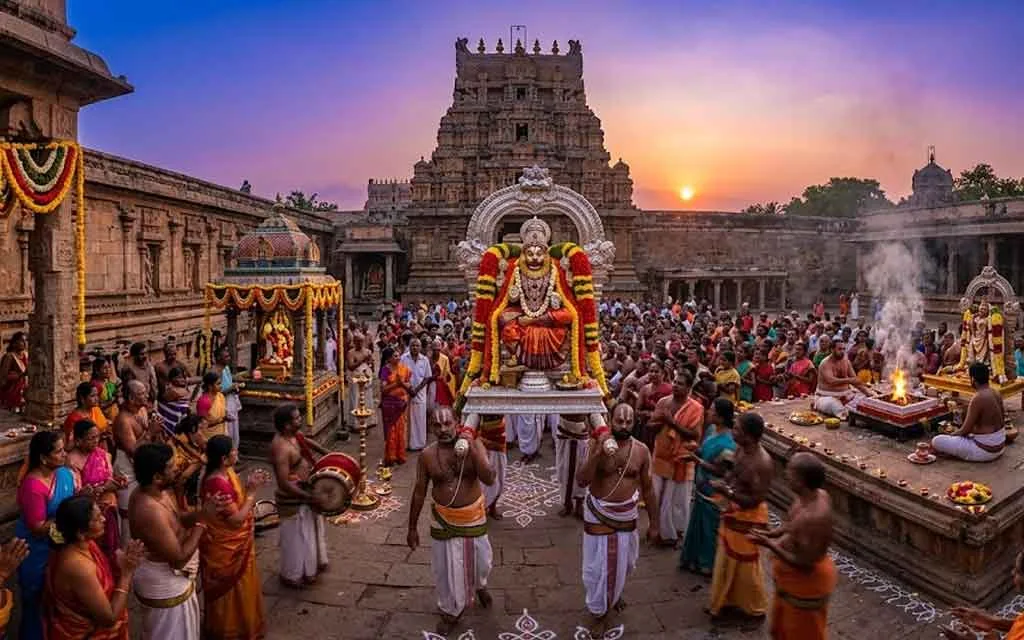
Vaishaka Masam: Why This Sacred Hindu Month Is So Powerful
What is Vaishaka Masam? Vaishaka Masam is one of the holiest months in the Hindu calendar, usually falling between April and May.
What is Vaishaka Masam? Vaishaka Masam is one of the holiest months in the Hindu calendar, usually falling between April and May.
What is Vaishaka Masam?
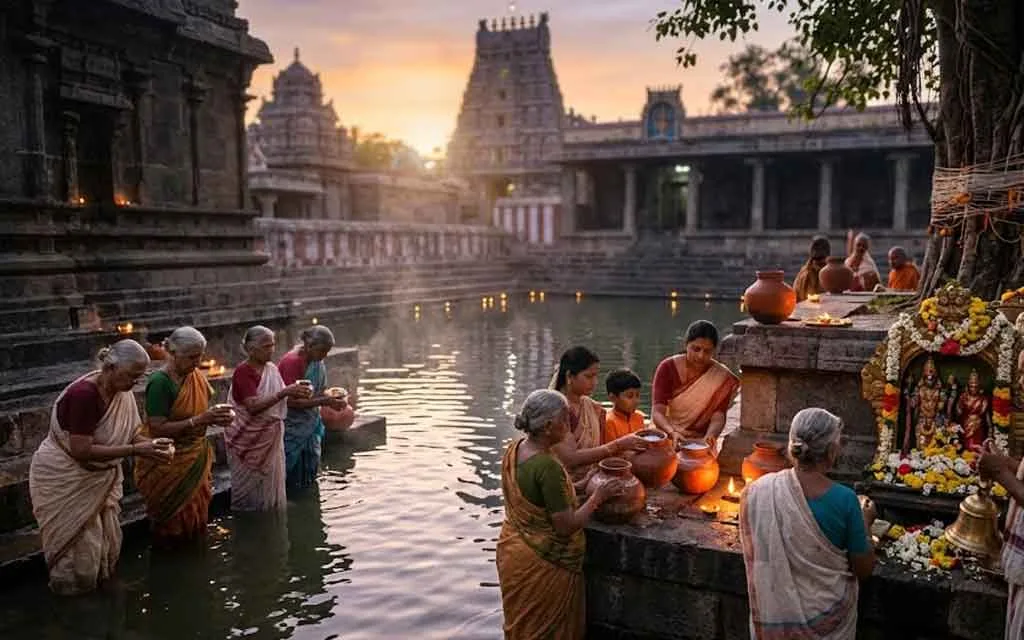
Vaishaka Masam is one of the holiest months in the Hindu calendar, usually falling between April and May. It is dedicated to worship, charity, fasting, and spiritual growth. Scriptures consider this month highly auspicious for earning punya (spiritual merit).
Spiritual Importance of Vaishaka Masam
During Vaishaka Masam, devotees believe that even small acts of devotion bring multiplied blessings.
Key highlights:
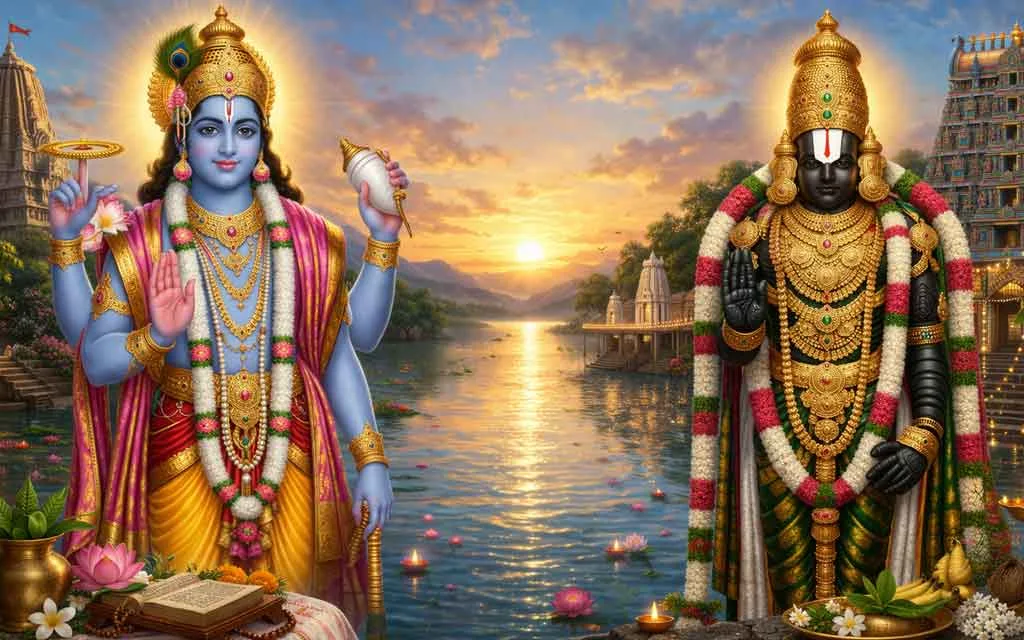
- Considered dear to Lord Vishnu
- Ideal time for daan (charity) and snanam (holy bath)
- Observing fasts and prayers leads to spiritual purification
- Reading sacred texts like Bhagavad Gita is highly recommended
Important Festivals in Vaishaka Masam
1. Akshaya Tritiya
- One of the most auspicious days
- Symbolizes eternal prosperity and success
- Perfect day for starting new ventures and buying gold
2. Narasimha Jayanti
- Celebrates the incarnation of Lord Narasimha
- Represents the victory of good over evil
3. Buddha Purnima
- Birth anniversary of Gautama Buddha
- Promotes peace, compassion, and enlightenment
Why Holy Bath (Snanam) Matters
Taking a bath in sacred rivers during this month is believed to:
- Cleanse sins
- Improve health and positivity
- Bring divine blessings
Devotees often take dips in rivers like Ganga River
Charity (Daan) During Vaishaka Masam
Charity holds special importance. Popular donations include:
- Water and buttermilk (especially in summer )
- Food for the needy
- Clothes and footwear
Even offering water to a thirsty person is considered highly पुण्य (meritorious)!
Benefits of Observing Vaishaka Masam Rituals
- Enhances inner peace and clarity
- Reduces negative karma
- Brings prosperity and happiness
- Strengthens devotion and discipline
What Do the Puranas Actually Say About Vaishaka Masam?
The Padma Purana dedicates an entire section called the Vaishaka Mahatmya to the glories of this month, declaring that Vaishaka is the most beloved month of Lord Vishnu — more so than even Kartika. The text states that Lord Vishnu himself proclaims: 'As the Vedas are foremost among scriptures and as I am foremost among gods, so is Vaishaka foremost among all months.' This places Vaishaka Masam in the highest tier of sacred time in the Vaishnava tradition.
The Skanda Purana and the Vishnu Purana also reference the exceptional merit earned during this period. According to these texts, a single lamp (deepa) lit before Lord Vishnu during Vaishaka equals the merit of performing the Ashvamedha Yajna — the most elaborate of all Vedic sacrifices. Such comparisons underscore why ordinary householders without access to complex rituals are urged to observe even simple devotions during this month.
The Significance of Lord Vishnu's Connection to Vaishaka
Vaishaka Masam is intimately linked to Lord Vishnu's cosmic role as the Preserver (Palana Karta) of the universe. The month's presiding deity is Madhusudana, one of the twenty-four forms of Vishnu, whose name itself means 'destroyer of the demon Madhu.' Worshipping Madhusudana with Tulasi leaves, yellow flowers, and recitation of the Vishnu Sahasranama during this month is considered especially potent.
The lunar asterism (nakshatra) after which the month is named is Vishaka, which falls under the planetary lordship of Jupiter (Brihaspati) and is associated with the divine pair Indra and Agni. Because Lord Vishnu is described in the Rigveda as taking his three cosmic strides (Trivikrama) across the universe, and because this expansive, all-pervading quality is mirrored in the nakshatra Vishaka's symbolism, the month carries an inherent energy of divine reach and cosmic grace.
How Should One Observe the Daily Discipline of Vaishaka Masam?
Traditional observance begins with Brahma Muhurta snanam — a bath taken before sunrise, ideally in a sacred river, a temple tank, or even water in which Tulasi leaves and sesame seeds (til) have been placed. The Vaishaka Mahatmya specifically names the Ganga at Haridwar, the Yamuna at Mathura, and the Godavari at Nashik as rivers whose waters carry exceptional purifying power during this month. Devotees who cannot travel to these sites are advised to mentally invoke the sacred rivers while bathing at home, a practice called Tirtha Ahvana.
The daily practice also includes lighting a ghee or sesame-oil lamp (Vishnu Deepa) at dawn and dusk, offering water mixed with sugar and sandal paste to a Tulasi plant, and reading or listening to at least one chapter of the Srimad Bhagavatam. Fasting on Ekadashi days within the month, particularly Mohini Ekadashi which falls during Vaishaka, is held to dissolve accumulated karma across multiple lifetimes according to the Bhavishyottara Purana.
Vaishaka Masam Across Major Temples of India
At the Tirumala Venkateswara Temple in Tirupati, Andhra Pradesh, the entire month of Vaishaka is observed with special Brahmotsavams and daily Vishnu Sahasranama recitations in the early morning hours. The temple trust organises mass Tulasi archana and the distribution of charanaamrit to thousands of pilgrims each day throughout the month.
In Vrindavan and Mathura, which are considered the earthly home of Lord Krishna — an avatar of Vishnu — the month is celebrated as Vaishaka Mela, drawing millions of pilgrims for parikramas (circumambulations) of the sacred Govardhan Hill and the banks of the Yamuna. At the Jagannath Temple in Puri, Odisha, the month sees the Chandan Yatra festival, during which the deity is taken in a ceremonial boat on the temple tank — a ritual unique to this season and tied directly to the auspiciousness of Vaishaka.
The Practice of Jala Daan: Deeper Meaning Behind Offering Water
Offering water — Jala Daan — during Vaishaka is not merely a seasonal act of kindness prompted by summer heat; it carries deep scriptural weight. The Padma Purana states that one who places earthen pots filled with cool water at crossroads, temples, and schools during Vaishaka earns merit equivalent to donating gold. The logic is rooted in the concept of Prana Raksha — protecting life — which in dharmic thought is one of the highest acts a human being can perform.
Traditional Jala Daan extends beyond plain water to include Panakam (a drink made of jaggery, water, cardamom, and dry ginger) and Neer Mor (spiced buttermilk), both of which are specifically mentioned in temple customs across Tamil Nadu and Andhra Pradesh as naivedyam (offerings) to Lord Vishnu during this month. Offering footwear and umbrellas to travellers and the underprivileged is similarly categorised under Vaishaka Daan because it addresses the practical hardships of the summer season while expressing the spirit of Vasudhaiva Kutumbakam — the world as one family.
Mohini Ekadashi: The Most Powerful Ekadashi of the Year
Among all the twenty-four Ekadashis in the Hindu lunar calendar, Mohini Ekadashi — which falls on the eleventh lunar day of the bright fortnight (Shukla Paksha) of Vaishaka — is described in the Uttara Kanda of the Ramayana as the most powerful. Lord Rama himself is said to have observed this fast on the advice of Sage Vasishtha, and it is believed to remove even the heaviest of sins, including Brahmahatya (the gravest moral transgression in dharmic law).
The name Mohini refers to the enchanting female form that Lord Vishnu assumed to retrieve the Amrita (nectar of immortality) from the demons during the churning of the cosmic ocean (Samudra Manthan), an episode narrated in detail in the Bhagavata Purana. Fasting on Mohini Ekadashi, spending the night in jagaran (prayerful wakefulness), and reciting the Vishnu Sahasranama is believed to grant liberation (moksha) in addition to worldly blessings — making it the spiritual centerpiece of the entire Vaishaka Masam.
Frequently Asked Questions
When is Vaishaka Masam observed?
Vaishaka Masam usually falls between April and May in the Hindu calendar. Exact dates follow the lunar panchang.
What is Jala Daan during Vaishaka Masam?
Jala Daan is the offering of water, such as earthen pots of cool water at crossroads, temples and schools, along with panakam and spiced buttermilk. The Padma Purana is said to equate it with donating gold.
How do devotees observe the daily discipline of Vaishaka Masam?
Devotees bathe before sunrise in a river, temple tank or water with Tulasi leaves and sesame seeds. They light a ghee or sesame-oil lamp at dawn and dusk, offer water to a Tulasi plant and read a chapter of the Srimad Bhagavatam.
Why is Mohini Ekadashi important in Vaishaka Masam?
Mohini Ekadashi falls on the eleventh lunar day of Vaishaka's bright fortnight and is described as the most powerful Ekadashi. Devotees fast, keep a night vigil and recite the Vishnu Sahasranama, believing it removes sins and grants moksha.
Which festivals fall in Vaishaka Masam?
Akshaya Tritiya, Narasimha Jayanti and Buddha Purnima fall in this month. Akshaya Tritiya is considered ideal for new ventures and buying gold.
Who is the presiding deity of Vaishaka Masam?
The presiding deity is Madhusudana, one of the twenty-four forms of Lord Vishnu. He is worshipped with Tulasi leaves, yellow flowers and recitation of the Vishnu Sahasranama.
You might also like
Vaishaka Masam Rituals: Complete Devotional Guide with Mythological Stories from Puranas | HinduTone
Divine Story of Vaishaka Masam: How Rituals Bring Peace, Prosperity, and Spiritual Power
Vaishakha Masam 2026 Start Date: North vs South Indian Calendar Comparison