Karthika Masam 2026: Dates, Rituals, Vrat, Festivals & North vs South India Guide
Karthika Masam 2026 — North India (Purnimant) 27 Oct–24 Nov, South India (Amanta) ~9 Nov–8 Dec. Complete guide to dates, Deepa Dana, Karthika Somavaram vrat, Kartik Purnima / Dev Diwali, Karthigai Deepam, Tulsi Vivah and North-vs-South rituals.
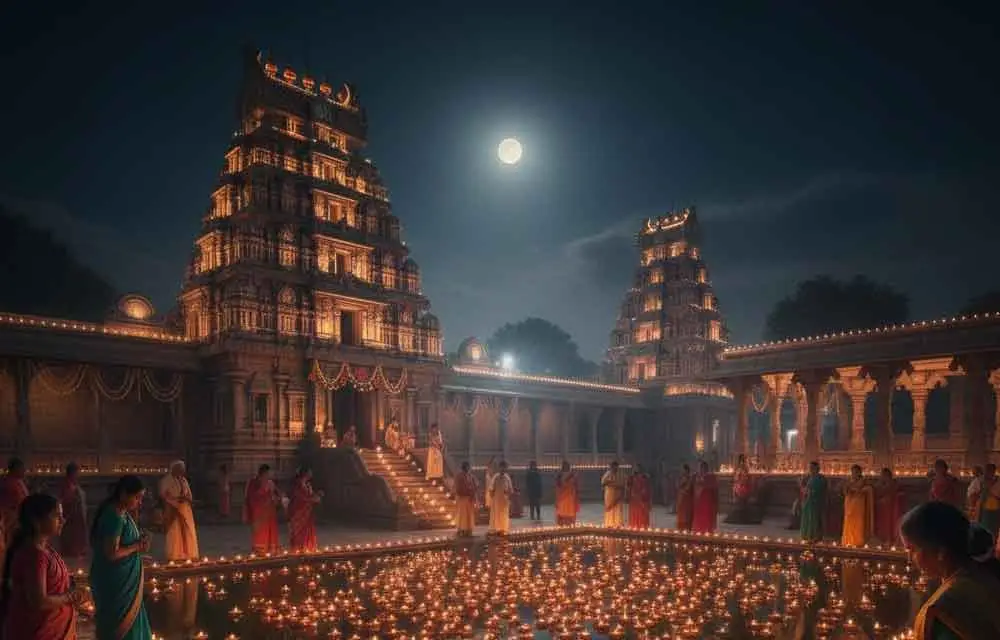
Karthika Masam 2026 — North India (Purnimant) 27 Oct–24 Nov, South India (Amanta) ~9 Nov–8 Dec. Complete guide to dates, Deepa Dana, Karthika Somavaram vrat, Kartik Purnima / Dev Diwali, Karthigai Deepam, Tulsi Vivah and North-vs-South rituals.
“Deepam jyoti parabrahma, deepam jyoti Janardhanah / deepo harati me paapam, sandhyaa deepam namostute” — the lamp is Parabrahman, the lamp is Janardana; the lamp dispels my sins — salutations to the twilight lamp.
Karthika Masam 2026 at a glance
Karthika Masam (also Kartik Maas / Kartika month) is the holiest lunar month of the Hindu year — sacred to Lord Shiva, Lord Vishnu and Lord Kartikeya (Murugan). Its signature act of worship is Deepa Dana — the lighting of lamps — and the Karthika Puranam teaches that even a small act of devotion in this month yields the merit of long austerities performed at other times.
Because the Hindu calendar runs on two systems, the same month falls on two different windows: North India (Purnimant) observes Karthika from 27 October to 24 November 2026, while South India (Amanta) observes it from around 9 November to 8 December 2026. The devotion — light, purity and charity — is identical across Bharat.
Karthika Masam 2026: start & end dates
North India — Purnimant calendar
Begins: Tuesday, 27 October 2026 (the day after Sharad / Ashwin Purnima).
Ends: Tuesday, 24 November 2026 — Kartik Purnima (Dev Diwali / Tripuri Purnima).
South India — Amanta calendar
Begins: the day after Deepavali — around Monday, 9 November 2026 (Kartika Shukla Pratipada).
Ends: around Tuesday, 8 December 2026 (Margashirsha Amavasya).
The difference arises because the Purnimant system ends each month on the full moon (Purnima), while the Amanta system ends each month on the new moon (Amavasya). Andhra Pradesh, Telangana, Karnataka and Maharashtra follow Amanta; Tamil Nadu observes Kartikai as a solar month. Exact tithi start can shift by a day with your city’s sunrise — confirm against your local Drik Panchang.
Why Karthika Masam is so auspicious
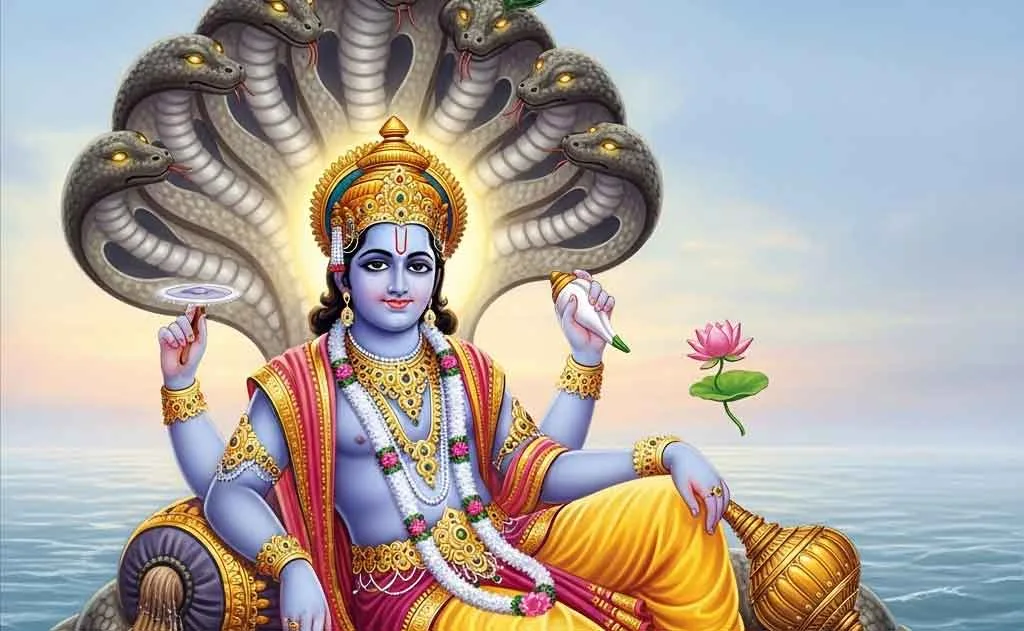
According to the Karthika Purana, this month is equally dear to Lord Shiva and Lord Vishnu — a rare unity in which both Hari and Hara are worshipped together. It opens at the close of Sharad ritu and carries the year’s densest cluster of light-festivals.
Deepa Dana is supreme: lighting lamps in temples, at the Tulsi plant and on river banks is the single most meritorious act of the month.
Holy dips: a pre-dawn bath in the Ganga, Yamuna, Godavari, Krishna or Kaveri (or with a few drops of Ganga jal at home) cleanses sins.
Karthika Somavaram: Mondays of this month are among the most powerful days of the year to worship Lord Shiva.
Festival density: it holds Deepavali, Kartik Purnima, Dev Diwali, Tulsi Vivah, Karthigai Deepam and Vaikuntha Chaturdashi within a single month.
Daily rituals & practices (common to North & South)
Early morning holy bath: rise in Brahma muhurta (before sunrise) and bathe, ideally in a river or with Ganga jal.
AdvertisementDeepa Dana (lighting lamps): light a ghee or sesame-oil lamp each evening at the Tulsi plant, home shrine or doorway. Lighting 11, 21 or 108 lamps is considered especially auspicious.
Tulsi Puja: worship the sacred basil daily; many homes perform Tulsi Pooja and a full Tulsi Vivah.
Fasting & sattvic diet: observe Ekadashi and Somavaram fasts; avoid onion, garlic and non-vegetarian food.
Reading Karthika Puranam: hearing or reading a chapter of the Karthika Purana each day is held to bring great merit.
Charity (daanam): donate lamps, ghee, blankets, food or books to the needy and to temples.
Shiva & Vishnu worship: perform Rudrabhishekam for Shiva and Satyanarayana Puja for Vishnu, especially on Purnima.
Major festivals during Karthika Masam 2026
North India focus (27 Oct – 24 Nov 2026)
Dhanteras: Friday, 6 November 2026.
Naraka Chaturdashi (Choti Diwali): Saturday, 7 November 2026.
AdvertisementDeepavali / Lakshmi Puja: Sunday, 8 November 2026 (Kartik Amavasya) — see our Diwali 2026 complete 5-day festival of lights guide.
Govardhan Puja / Annakut: Monday, 9 November 2026 — including the Chappan Bhog (56 dishes) for Govardhan Puja 2026.
Bhai Dooj: Tuesday, 10 November 2026.
Chhath Puja: around 14–15 November 2026 (Kartik Shukla Shashti).
Devutthana (Prabodhini) Ekadashi & Tulsi Vivah: around 20 November 2026.
Kartik Purnima — Dev Diwali, Tripuri Purnima & Guru Nanak Jayanti: Tuesday, 24 November 2026 — mass lamp-lighting on the ghats of Varanasi.
South India focus (9 Nov – 8 Dec 2026)
Nagula Chavithi: worship of the serpent deity in Andhra & Telangana, early in the month (Kartika Shukla Chaturthi).
Karthika Somavaram: every Monday — Shiva abhishekam, fasting and evening Deepa Dana, the heart of the South-Indian observance.
AdvertisementKartik Purnima / Karthika Pournami: 24 November 2026 — Jwala Toranam and lamp floats on temple tanks and the Krishna & Godavari.
Vaikuntha Chaturdashi: the sacred 14th day, when Shiva and Vishnu are worshipped together.
Subrahmanya / Murugan worship: special pujas to Lord Kartikeya through the month.
Karthigai Deepam (Tamil Nadu): early December 2026 (Krittika nakshatra in the Tamil month of Karthigai) — the giant Maha Deepam on Arunachala hill, Tiruvannamalai. Confirm the date on your local Tamil panchang.
North India vs South India: how Karthika Masam is celebrated
North India (Purnimant tradition)
Massive public celebrations — Kartik Purnima Ganga Aarti, boat processions and lamp floats at Varanasi, Haridwar and Pushkar.
Strong focus on Tulsi Vivah, Govardhan Puja and the five days of Diwali.
Women observe vrats for the welfare of the family; huge crowds gather for holy dips on Kartik Purnima.
South India (Amanta tradition)
Greater emphasis on daily Deepa Dana and personal discipline — lamps every evening for the whole month.
In Tamil Nadu, Karthigai Deepam is the highlight, with the giant beacon on Tiruvannamalai hill.
In Andhra & Telangana, special importance to Lord Shiva, Karthika Somavaram and group readings of the Karthika Puranam on river banks.
In Karnataka and Kerala, the focus is temple visits, Vana Bhojanam (forest meals under the Amla tree) and family pujas.
Special vrats & pujas of Karthika Masam
Karthika Somavaram Vrat (Mondays): fasting and Shiva abhishekam — the defining vrat of the month.
Ekadashi Vrats: especially Prabodhini (Devutthana) Ekadashi, when Vishnu wakes from cosmic sleep.
Pradosh Vrat: twilight worship of Shiva on the trayodashi tithis.
Tulsi Vivah: the ceremonial marriage of Tulsi to Shaligrama (Vishnu), opening the wedding season.
Satyanarayana Puja: performed on Purnima for prosperity and family welfare.
Benefits of observing Karthika Masam
Spiritual liberation: sincere month-long observance is held to advance the devotee toward moksha.
Removal of obstacles: lamps and charity are believed to clear debts, ill-health and negativity.
Family harmony: shared evening Deepa Dana strengthens the household and brings peace.
Karmic cleansing: holy dips and daanam are said to wash away accumulated sins.
Protection: the lit lamp at the doorway is the classic ward against darkness and misfortune.
Step-by-step daily routine for Karthika Masam 2026
Morning
Wake before sunrise and offer arghya (water) to Lord Surya.
Take a holy bath and apply tilak.
Perform Shiva (Rudrabhishekam) or Vishnu (Satyanarayana) puja and a short sankalpa for the day.
Evening
Light lamps at twilight — at the Tulsi plant, shrine and doorway.
Offer aarti to Tulsi and your ishta-devata.
Read a chapter of the Karthika Puranam.
Night
Chant “Om Namah Shivaya” or “Om Namo Narayanaya” (108 times).
Reflect on the day’s devotion and sleep early, maintaining sattvic discipline.
Recommended temples for Karthika Masam 2026
North
Kashi Vishwanath, Varanasi — Dev Diwali Ganga Aarti.
Kedarnath and the Char Dham (closing for winter early in the month).
Brahma Temple, Pushkar — the famed Kartik Purnima mela and holy dip.
South
Arunachaleswar Temple, Tiruvannamalai — Karthigai Maha Deepam.
Srikalahasti and Srisailam — Shiva kshetras thronged on Karthika Somavaram.
Murugan temples of Tamil Nadu (the Arupadai Veedu) for Subrahmanya worship.
How to make your Karthika Masam more powerful
Avoid anger, gossip and harsh speech; practise forgiveness.
Help the poor and support temple lamp-lighting and annadanam.
Maintain sattvic food and personal discipline through the month.
Keep an unbroken evening lamp — consistency matters more than scale.
Frequently Asked Questions
When does Karthika Masam start and end in 2026?
In North India (Purnimant) it runs 27 October – 24 November 2026, ending on Kartik Purnima. In South India (Amanta) it runs from the day after Deepavali (around 9 November) to about 8 December 2026.
Why are the North and South dates different?
North India follows the Purnimant calendar, where the month ends on the full moon (Purnima). South India follows the Amanta calendar, where the month ends on the new moon (Amavasya). The same lunar month therefore maps to two different windows.
What is the most important ritual of Karthika Masam?
Deepa Dana — lighting lamps every evening, especially at the Tulsi plant, in temples and on river banks. The Karthika Puranam calls it the supreme act of the month.
When is Kartik Purnima / Dev Diwali in 2026?
Tuesday, 24 November 2026. It is also observed as Tripuri Purnima, Dev Diwali, Karthika Pournami and Guru Nanak Jayanti.
When is Karthigai Deepam 2026?
In early December 2026 — the day of Krittika nakshatra in the Tamil month of Karthigai — celebrated grandly at Arunachaleswar Temple, Tiruvannamalai. Confirm the exact date on your local Tamil panchang.
What should I avoid during Karthika Masam?
Onion, garlic, non-vegetarian food and alcohol; anger, gossip and conflict. Many devotees also observe partial fasts on Mondays and Ekadashis.
Can I observe Karthika Masam if I live abroad?
Yes. NRIs in the USA, UK, Canada and Australia can light an evening lamp at home, perform Tulsi puja, keep the Somavaram and Ekadashi vrats, and time the holy bath to their own local sunrise. Devotion, not geography, is what the month asks for.
Embrace the divine light of Karthika Masam 2026
Whether you follow the North-Indian Purnimant or the South-Indian Amanta tradition, the essence of Karthika Masam is the same — light, purity and charity. Clean your home, set out your lamps, and make a firm sankalpa to observe the month with sincerity. May Lord Shiva, Lord Vishnu and Maa Tulsi bless you with health, peace and spiritual progress.
Jai Karthikeya · Om Namah Shivaya · Hare Srinivasa · Shiva Shambho
Read next: Diwali 2026 — complete 5-day festival of lights guide · How Hindus should celebrate Dussehra and Diwali 2026 · Tulsi Pooja Vidhi — worship the sacred basil at home · Chappan Bhog — 56 dishes for Govardhan Puja 2026.
Last updated: 24 May 2026 · Sources: Karthika Puranam, Skanda Purana, Drik Panchang; Deepavali date verified against HinduTone festival-dates 2026.
You might also like
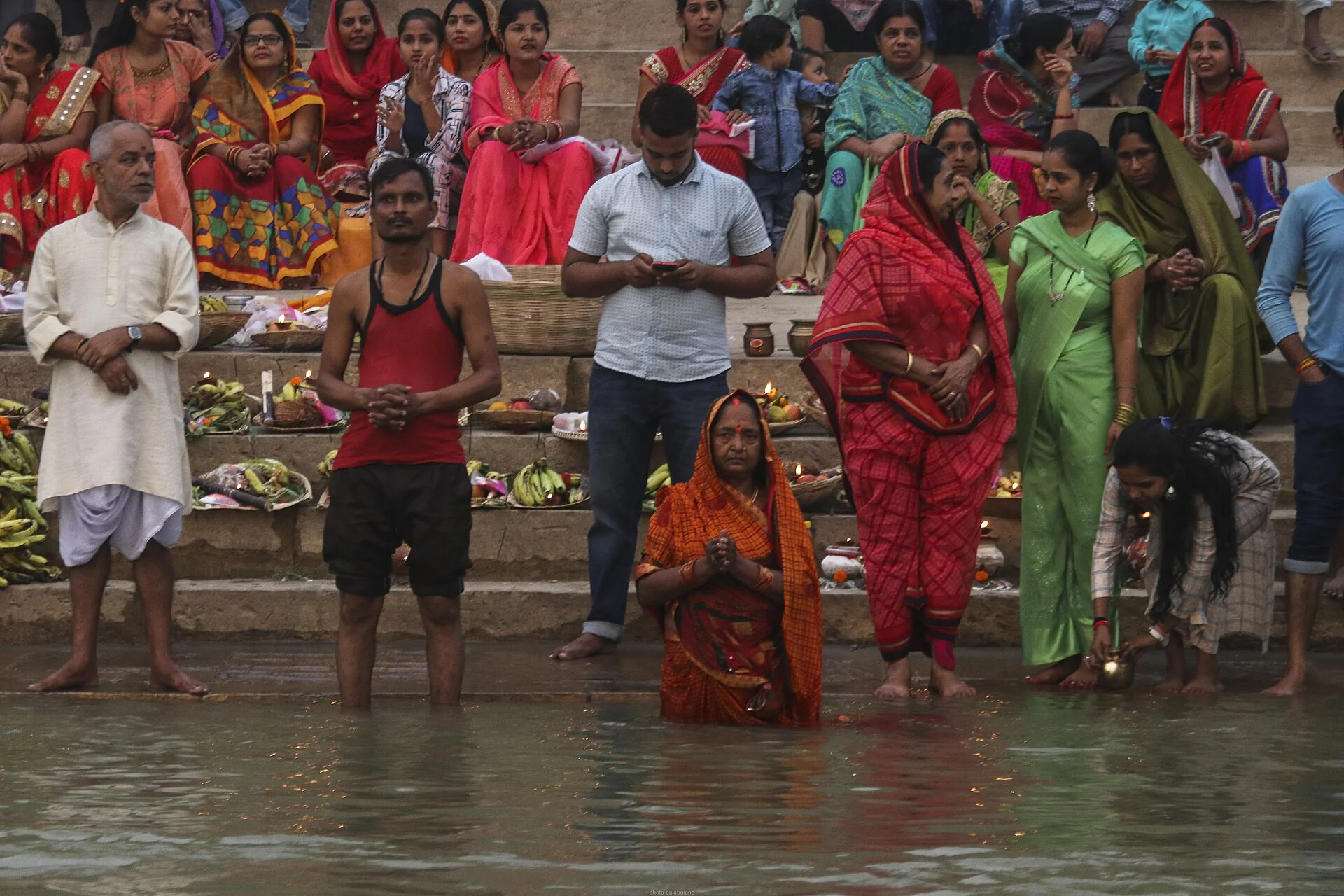
Karthika Purnima 2026: Significance, Rituals, and the Triple Festival Across Hindu, Sikh, and Jain Traditions
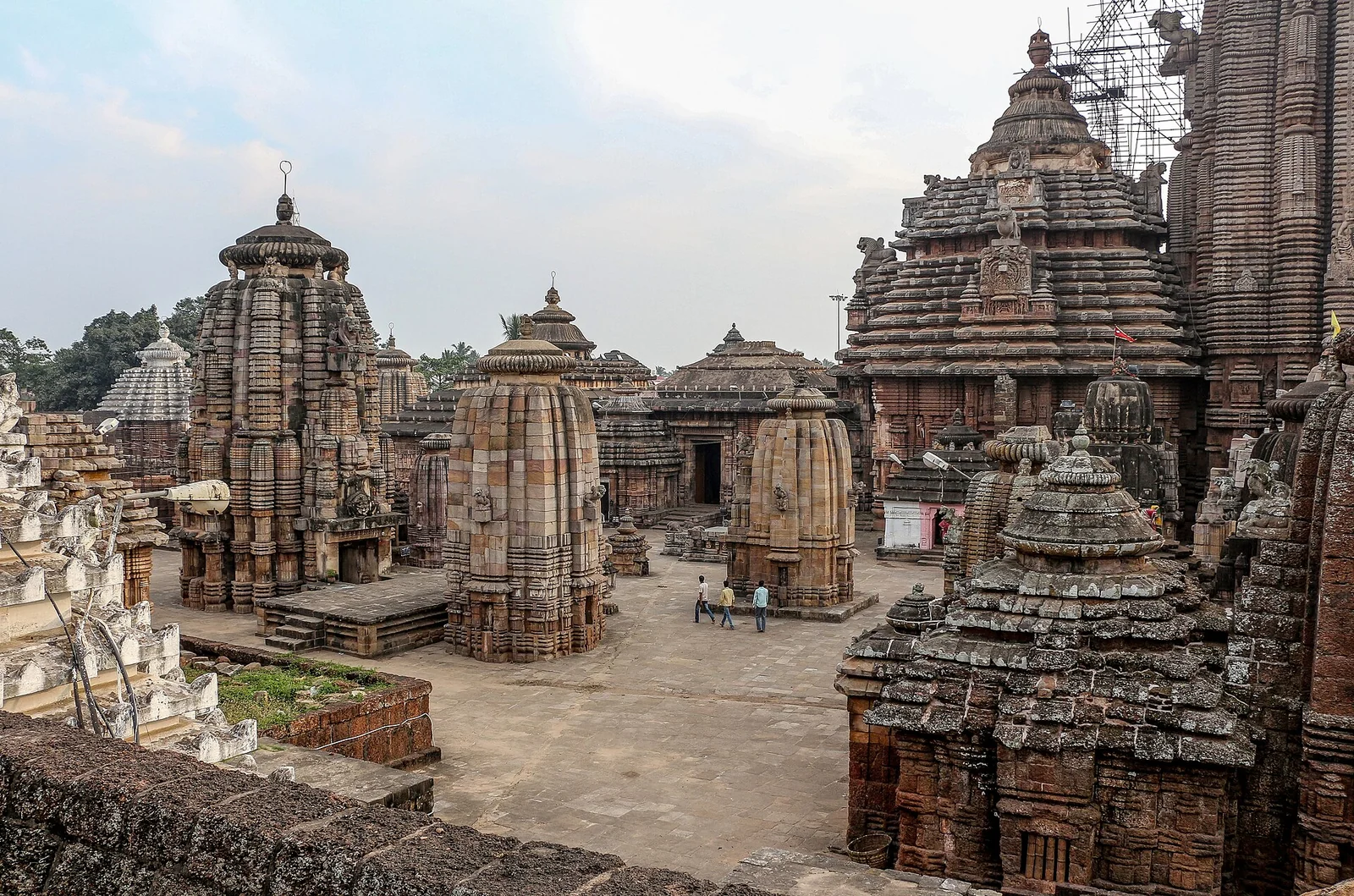
Lingaraja: Divine Mysteries & Soul-Stirring Miracles of the Eleventh-Century Shiva-Vishnu Temple at Bhubaneswar
Yogini Ekadashi 2026: Date, Vrat Katha, Rules & Benefits (July 10)