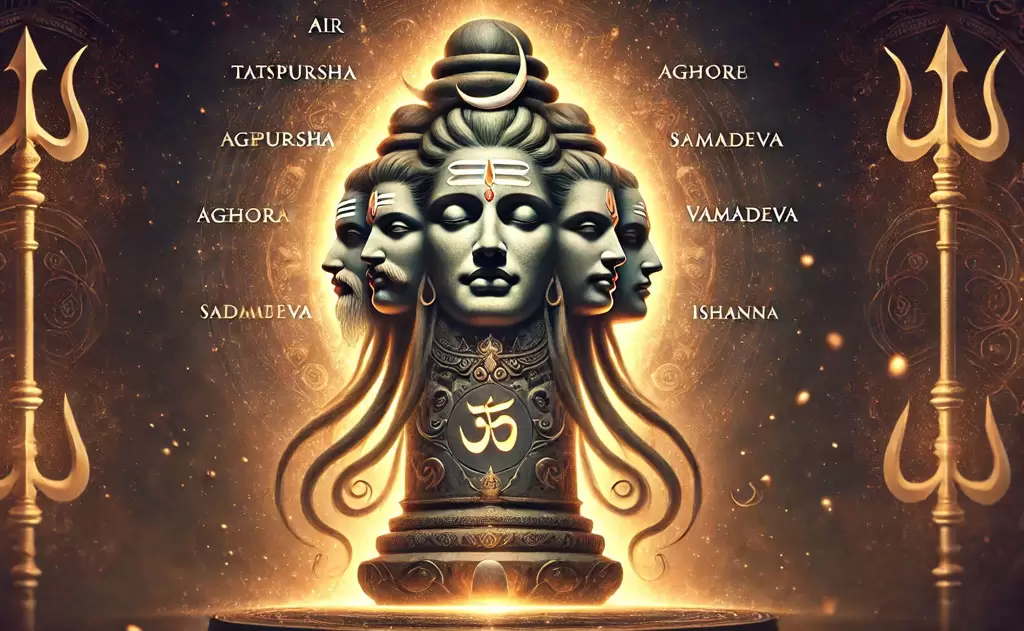
Shiva Ashtottara Shatanamavali — 108 Names of Lord Shiva (with Meanings)
The Shiva Ashtottara Shatanamavali — the authentic 108 names of Lord Shiva with meanings, benefits of chanting, and how & when to chant.
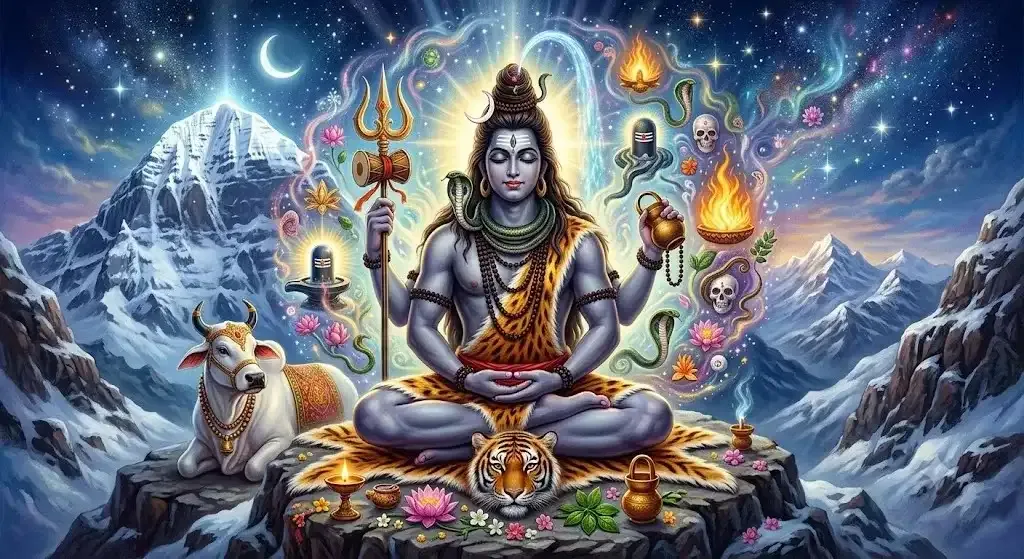
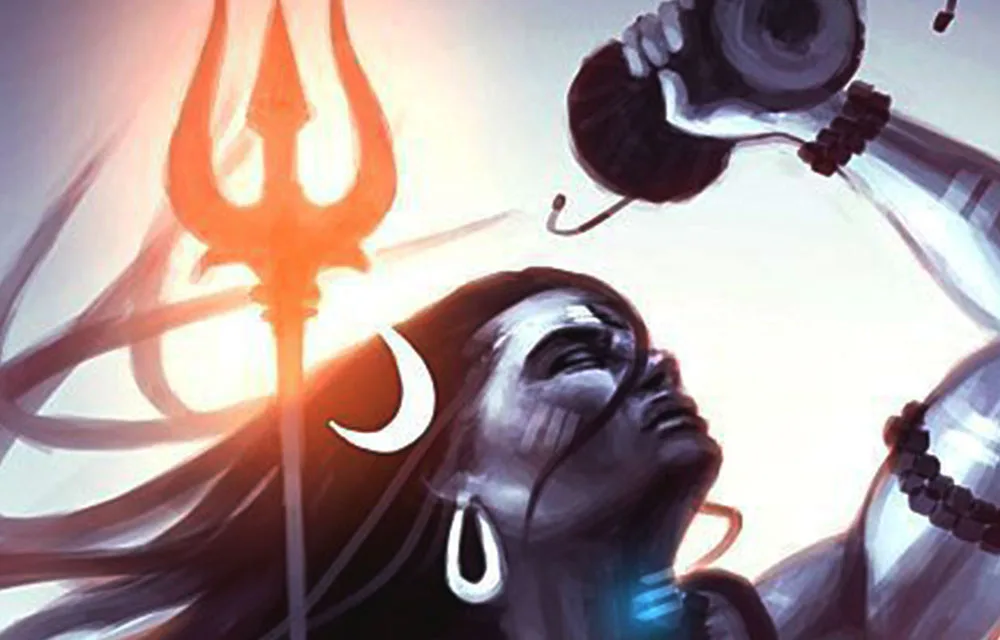
The Shiva Ashtottara Shatanamavali is a sacred recitation of the 108 names of Lord Shiva, drawn from the Shiva Purana. Each name reveals a facet of Mahadeva — the auspicious one, the destroyer of evil, the conqueror of death. Below are the authentic 108 names with their meanings.
The 108 Names (with meanings)
- 1. Shiva — the supremely auspicious one
- 2. Maheshvara — the great lord of all gods
- 3. Shambhu — the bestower of happiness
- 4. Pinaki — the wielder of the Pinaka bow
- 5. Shashishekhar — who wears the moon on his head
- 6. Vamadev — the auspicious and beautiful one
- 7. Virupaksha — the three-eyed one
- 8. Kapardi — the one with matted hair
- 9. Nilalohita — blue and red in form
- 10. Shankar — the bestower of prosperity
- 11. Shulapani — the trident-bearer
- 12. Khatvanggi — the carrier of the Khatvanga
- 13. Vishnuvallabha — the beloved of Vishnu
- 14. Shipivishta — of radiant form
- 15. Ambikanatha — the consort of Ambika (Parvati)
- 16. Shrikantha — the beautiful-throated one
- 17. Bhaktavatsala — the loving protector of devotees
- 18. Bhava — existence itself
- 19. Sharva — the destroyer of suffering
- 20. Trilokesh — the lord of the three worlds
- 21. Shitikantha — the white-throated one
- 22. Shivapriya — beloved of Parvati
- 23. Ugra — the fierce one
- 24. Kapali — wearer of the skull garland
- 25. Kamaari — the enemy of desire (Kama)
- 26. Andhakasurasudana — the slayer of demon Andhaka
- 27. Gangadhar — the bearer of the Ganga
- 28. Lalataksha — the forehead-eyed one
- 29. Kalakal — the death of death (Yama)
- 30. Kripanidhi — the ocean of compassion
- 31. Bhima — the mighty one
- 32. Parasuhasta — the axe-bearer
- 33. Mrigpani — holder of the deer
- 34. Jatadhar — the dreadlocked one
- 35. Kailasvasini — the dweller of Kailash
- 36. Kavachi — the armour-wearer
- 37. Kathan — the extremely strong one
- 38. Tripurantaka — the destroyer of Tripura
- 39. Vrishank — the bull-marked one
- 40. Vrishabharudha — the bull-rider
- 41. Bhasmoddhulitvigrah — the ash-smeared one
- 42. Sampriya — the lover of the Sama Veda
- 43. Svarmaiya — the embodiment of the musical notes
- 44. Trayimurt — the embodiment of the three Vedas
- 45. Anisvara — the supreme lord of all
- 46. Sarvagya — the all-knowing one
- 47. Paramatma — the supreme soul
- 48. Somasuryagnilochan — whose eyes are moon, sun and fire
- 49. Havis — the embodiment of oblation
- 50. Yajnamaya — the embodiment of sacrifice
- 51. Soma — cool and pure like the moon
- 52. Panchvaktra — the five-faced one
- 53. Sadashiva — the eternally auspicious one
- 54. Vishveshvar — the lord of the universe
- 55. Virabhadra — of fierce nature
- 56. Gananatha — the lord of the ganas
- 57. Prajapati — the lord of all beings
- 58. Hiranyaretas — radiant like a thousand suns
- 59. Durdharsha — the invincible one
- 60. Girisha — the lord of mountains
- 61. Girisha — who reposes on Kailash
- 62. Anagha — the sinless one
- 63. Bhujangabhushana — adorned with serpents
- 64. Bharga — the destroyer of all sins
- 65. Giridhanvi — who holds Mount Meru as a bow
- 66. Giririya — the lover of mountains
- 67. Krittivasas — clad in elephant-hide
- 68. Purarati — the destroyer of the three cities
- 69. Bhagavat — the supreme lord
- 70. Pramathadhipa — the lord of the pramatha ganas
- 71. Mrityunjaya — the conqueror of death
- 72. Sukshmatanu — of subtle form
- 73. Jagadvyapi — who pervades the universe
- 74. Jagadguru — the guru of all worlds
- 75. Vyomakesha — whose hair pervades the sky
- 76. Mahasenajanaka — the father of Kartikeya
- 77. Charuvikrama — of beautiful prowess
- 78. Rudra — of formidable form
- 79. Bhutapati — the lord of beings and elements
- 80. Sthanu — the immovable, eternal lord
- 81. Ahirbudhnya — the holder of kundalini
- 82. Digambara — clad in the directions (sky-clad)
- 83. Ashtamurti — the one of eight forms
- 84. Anekatma — of manifold forms
- 85. Sattvika — of pure sattva nature
- 86. Shuddhavigrah — of pure form
- 87. Shashvata — the eternal, imperishable one
- 88. Khandarasha — holder of the cleaving axe
- 89. Aja — the unborn, eternal one
- 90. Pashavimochaka — the liberator from worldly bondage
- 91. Mrida — the giver of happiness
- 92. Pashupati — the lord of all creatures
- 93. Deva — the one we worship
- 94. Mahadeva — the god of gods
- 95. Avyaya — the imperishable one
- 96. Hari — the lord of nature
- 97. Pushadantabhid — who broke the teeth of Pushan
- 98. Avyagra — the steady, unshakeable one
- 99. Dakshadhvarahar — the destroyer of Daksha’s sacrifice
- 100. Hara — the remover of all sins
- 101. Bhaganetrbhid — who pierced Bhaga’s eye
- 102. Avyakta — the unmanifest one
- 103. Sahasraksha — the thousand-eyed one
- 104. Sahasrapada — the thousand-footed one
- 105. Apavargaprada — the bestower of liberation
- 106. Ananta — the infinite one
- 107. Tarak — the deliverer to liberation
- 108. Parameshvara — the supreme lord (Parabrahman)
Benefits of Chanting
- steadies the mind and dispels fear
- deepens devotion to Lord Shiva
- is traditionally chanted on Mondays, Pradosha and Maha Shivaratri
- each name is prefixed with "Om" and suffixed with "Namah" while chanting
How & When to Chant
- After a bath, sit before an image of the deity and light a lamp.
- Chant each name with "Om … Namah" (e.g. "Om Shivaya Namah").
- Recite with devotion and attention; you may use a mala.
- Note: names are given in IAST/roman transliteration; chant as taught in your tradition.
Source of the names verified against the traditional Ashtottara Shatanamavali; meanings explained in our own words.
Also read: Shivashtakam (prabhum prananatham).
Frequently asked questions
What is the Shiva Ashtottara Shatanamavali?
It is a sacred recitation of the 108 names of Lord Shiva, drawn from the Shiva Purana. Each name reveals a facet of Mahadeva, such as the auspicious one, the destroyer of evil and the conqueror of death.
How do I chant the 108 names of Shiva?
After a bath, sit before an image of the deity and light a lamp. Chant each name prefixed with "Om" and suffixed with "Namah", for example "Om Shivaya Namah", with devotion and attention; you may use a mala.
When is the best time to chant the Shiva 108 names?
The names are traditionally chanted on Mondays, Pradosha and Maha Shivaratri. Chanting after a bath, in front of an image of the deity, is the recommended practice.
What are the benefits of chanting the Shiva Ashtottara Shatanamavali?
Chanting is traditionally said to steady the mind, dispel fear and deepen devotion to Lord Shiva.
What does the name Mrityunjaya mean in the Shiva 108 names?
Mrityunjaya, name number 71, means the conqueror of death. Other names include Mahadeva (the god of gods) and Pashupati (the lord of all creatures).
Should I use a particular pronunciation when chanting the names?
The names are given in IAST/roman transliteration, so chant them as taught in your own tradition. Recite with devotion and attention rather than speed.
Share this with family and friends
Send it on WhatsApp, post it, or copy the link.
More from Pooja, Slokas and Mantras
- Sri Venkatesa Vijayarya Saptavibhakti Stotram: Full Text in Telugu, Sanskrit and IAST with Meaning
- Deeparadhana: Significance of Lighting the Lamp, Deepam Jyoti Parabrahma Meaning, Oil and Wicks
- Narmadashtakam (Sabindu Sindhu) by Adi Shankaracharya: Full Text in Sanskrit with Meaning
- Hari Stotram (Jagajjalapalam) by Swami Brahmananda: Full Text in Sanskrit with Meaning
- Ganeshashtakam (Yato Anantashakteh) from the Ganesha Purana: Full Text with Meaning
You might also like
Vishnu Ashtottara Shatanamavali: 108 Names of Lord Vishnu with Meaning
Shiva Manasa Puja (Ratnaih Kalpitam Asanam) by Adi Shankaracharya: Full Text with Meaning
Shiva Mahimna Stotram (Pushpadanta): Full Lyrics with Meaning