Kailash Parikrama – Sacred Path to Moksha
Kailash Parikrama: The Sacred Kora Around Mount Kailash – Path to Sin Cleansing and Moksha As a spiritual seeker drawn to the divine call of Lord Shiva, few…
Kailash Parikrama: The Sacred Kora Around Mount Kailash – Path to Sin Cleansing and Moksha As a spiritual seeker drawn to the divine call of Lord Shiva, few…
Kailash Parikrama: The Sacred Kora Around Mount Kailash – Path to Sin Cleansing and Moksha
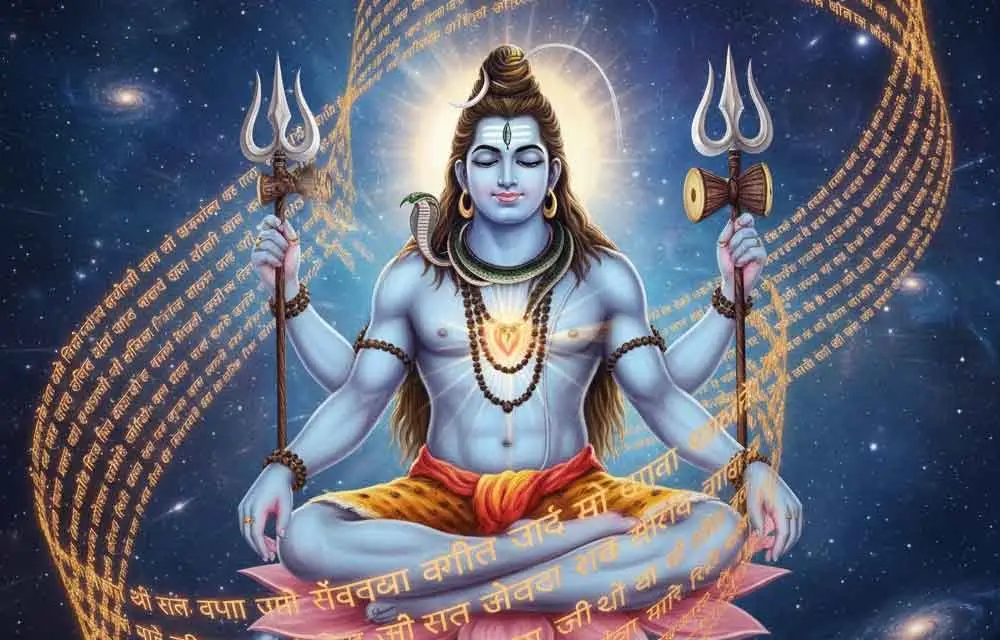
As a spiritual seeker drawn to the divine call of Lord Shiva, few journeys rival the profound transformation of the Kailash Parikrama—the sacred circumambulation, or kora, around Mount Kailash. Revered as the eternal abode of Shiva, this majestic, unclimbed peak in western Tibet stands at 6,638 meters, embodying cosmic stillness and infinite grace. For Hindus, undertaking the parikrama is an act of ultimate devotion, believed to dissolve accumulated karma, purify the soul, and pave the path to moksha—liberation from the cycle of rebirth.
From the moment I stepped into this sacred landscape as a spiritual tourist, the air itself felt charged with divinity. The rugged terrain tests the body, but the rewards transcend the physical: moments of profound bliss where Shiva's presence becomes palpable, washing away worldly burdens with each step.
Mythological Roots: Shiva's Celestial Abode
Hindu scriptures, including the Shiva Purana, Skanda Purana, and references in the Mahabharata and Ramayana, describe Mount Kailash as the divine residence of Lord Shiva and Goddess Parvati. Here, Shiva meditates eternally, surrounded by his ganas, Nandi the bull, and the cosmic energies of creation, preservation, and destruction. It is the axis mundi—the spiritual center of the universe—where the Tridev (Brahma, Vishnu, Shiva) converge.
Legends abound: Ravana once attempted to uproot Kailash to bring it to Lanka, only for Shiva to press his toe, humbling the demon king. The mountain's four crystal faces (ruby, gold, lapis, and crystal, as per Vishnu Purana) symbolize its multifaceted sanctity. For pilgrims, the parikrama honors this abode, invoking Shiva's grace to erase sins and grant enlightenment. One full kora is said to cleanse a lifetime of karma; 108 koras lead to ultimate liberation.
Shared sanctity extends to Buddhists (as the home of Demchok), Jains (where Rishabhanatha attained nirvana), and Bon followers, making it a universal beacon of spirituality.
The Sacred Journey: Route and Key Milestones
The outer parikrama spans approximately 52 km, typically completed in 3 days, starting and ending at Darchen (4,670 m). It is done clockwise for Hindus and Tibetans.
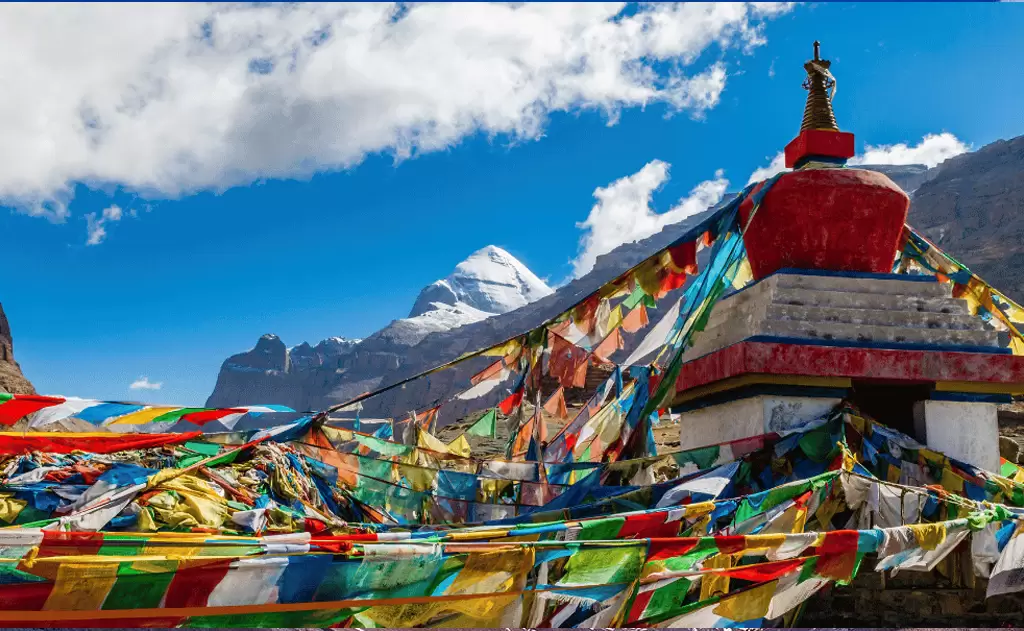
- Day 1: Yam Dwar to Dirapuk (≈12 km, 5-7 hours) The journey begins at Yam Dwar (Gateway of Death), a symbolic portal where pilgrims shed worldly attachments and ego—much like crossing into the realm of Yama, only to emerge renewed. Passing prayer flags and mani walls, the trail follows the Lha Chu River through wide valleys. The highlight: breathtaking views of Kailash's north face at Dirapuk (≈4,890-5,050 m), where the peak appears closest, often glowing golden at sunrise. Many pilgrims trek to Charan Sparsh (touching Shiva's feet) for intimate darshan.
- Day 2: Dirapuk to Zuthulpuk via Dolma La Pass (≈22 km, 8-10 hours) The most arduous and spiritually intense day. Starting early (often 4 AM), the steep ascent leads to Dolma La Pass (5,630-5,650 m), the highest point. This pass, adorned with vibrant prayer flags, marks a profound transition—believed to be where Tara (Dolma) resides, granting protection. At Shivasthal (near the pass), pilgrims symbolically leave behind burdens (a lock of hair, cloth, or offering) to shed past karma. The descent is steep and rocky, passing Gauri Kund (sacred lake linked to Parvati's bath and Ganesha's birth), before reaching Zuthulpuk (≈4,760 m).
- Day 3: Zuthulpuk to Darchen (≈16-17 km, 5-6 hours) A gentler trail along the Karnali River, with eastern face views, completes the circuit. Returning to Darchen brings immense fulfillment—tears of joy, a sense of rebirth.
Mansarovar Snan: Purification in the Divine Lake
Before or after the parikrama, a holy dip in Lake Mansarovar (4,590 m) is essential. Believed formed from Shiva's mind (Manas), its crystal waters cleanse sins and bestow peace. Pilgrims perform snan (ritual bath), puja, and parikrama of the lake (often by vehicle). The contrasting Rakshas Tal nearby symbolizes darkness, yet the experience amplifies inner light.
Spiritual Benefits: Soul Purification and Enlightenment
Each step of the parikrama invokes Shiva's grace. Devotees chant "Om Namah Shivaya," perform prostrations (dandavat pranam), and meditate, dissolving negativity. Benefits include:
- Karma cleansing and sin eradication
- Mental clarity, inner strength, and protection
- Path to moksha and spiritual enlightenment
- Profound bliss and connection to the divine
Many report transformative visions or overwhelming peace amid challenges.
Challenges and Practical Tips for Hindus
The parikrama demands resilience: high altitude (risk of Acute Mountain Sickness—headache, nausea, fatigue), unpredictable weather (cold, wind, snow), and rugged terrain. Dolma La Pass tests endurance most.
Preparation Tips:
- Acclimatize gradually (itineraries include rest days).
- Stay hydrated (3-4 liters/day), avoid alcohol/caffeine.
- Train with cardio, walking, and strength exercises.
- Carry Diamox (for AMS prevention, consult doctor), warm layers, trekking poles, sunscreen.
- Hire pony/porter if needed (available at Yam Dwar).
- Chant mantras continuously for mental fortitude; perform prostrations where possible.
- Medical check-up essential; those with heart/lung issues should consult.
Dangers like AMS require descending if severe—safety first.
Why Embark on This Life-Changing Yatra?
In an era of distractions, the Kailash Parikrama offers raw, unfiltered communion with Shiva. It strips ego, rebuilds spirit, and reminds us of life's impermanence. As a spiritual tourist, I returned transformed—lighter, more compassionate, eternally grateful.
For deeper Shiva devotion, explore our 10 Must-Visit Lord Shiva Temples: A Divine Journey Through India's Sacred Sites or Kashi Vishwanath articles on moksha themes.
Prepare for this ultimate yatra with Hindutone. Consult experts, book guided tours (permits via authorized operators essential), and embrace the call of Kailash. Shiva awaits—may your parikrama grant moksha and boundless grace.
Frequently Asked Questions
How long is the Kailash Parikrama and how many days does it take?
The outer parikrama is approximately 52 km and is typically completed in 3 days. It starts and ends at Darchen, which sits at 4,670 m.
In which direction do Hindus walk the Kailash kora?
The circuit is done clockwise for Hindus and Tibetans. It begins at Yam Dwar, the Gateway of Death, a symbolic portal where pilgrims shed worldly attachments and ego.
What is the toughest day of the Kailash Parikrama?
Day 2, from Dirapuk to Zuthulpuk via Dolma La Pass, is the most arduous at about 22 km and 8-10 hours. The pass, at 5,630-5,650 m, is the highest point, and the descent is steep and rocky.
What are the spiritual benefits of completing the Kailash kora?
One full kora is said to cleanse a lifetime of karma, and 108 koras are said to lead to ultimate liberation. Devotees chant Om Namah Shivaya, perform prostrations and meditate along the way.
How should pilgrims prepare for altitude sickness on the parikrama?
Acclimatize gradually with rest days, stay hydrated at 3-4 liters a day, avoid alcohol and caffeine, and train with cardio and walking. Carry Diamox only after consulting a doctor, and descend if symptoms are severe.
Is a dip in Lake Mansarovar part of the Kailash yatra?
Yes, a holy dip in Lake Mansarovar (4,590 m) is considered essential, before or after the parikrama. Pilgrims perform snan, puja and a parikrama of the lake, often by vehicle.
You might also like
Garuda Purana Quote: “Satisfied Pitris Grant Long Life, Fame, Heaven & Moksha”
What Is Moksha? The Four Paths to Liberation in Hinduism — A Complete Devotional Guide
Pilgrimage to Kailash Giri: A Path to Self-Realization