Pongal Celebrations in India: A Complete Guide to the Tamil Harvest Festival

Pongal Celebrations in India: A Complete Guide to the Tamil Harvest Festival
Introduction to Pongal Festival
Pongal is one of the most significant harvest festivals celebrated primarily in Tamil Nadu and other parts of South India. This four-day festival marks the end of the winter solstice and the beginning of the sun’s six-month-long journey northwards, known as Uttarayan. Celebrated in mid-January, Pongal coincides with Makar Sankranti and is a time of thanksgiving to the Sun God, nature, and the farm animals that contribute to a bountiful harvest.
When is Pongal Celebrated?
Pongal typically falls between January 14-17 every year, following the Tamil month of Thai. The festival’s timing aligns with the winter harvest season when farmers reap the rewards of their hard work. In 2026, Pongal will be celebrated from January 14 to January 17.
The Four Days of Pongal: Traditions and Rituals
Day 1: Bhogi Pongal
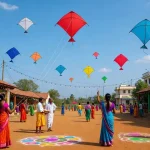
The first day, Bhogi Pongal, is dedicated to Lord Indra, the god of rain and clouds. This day symbolizes the discarding of old belongings and welcoming new beginnings. Families light bonfires early in the morning, burning old items and unwanted possessions. Homes are thoroughly cleaned, painted, and decorated with kolam (rangoli) designs made from rice flour. Young girls celebrate by dancing around the bonfire, singing traditional folk songs.
Day 2: Thai Pongal (Main Day)
Thai Pongal is the most important day of the festival. Families wake up early, wear new clothes, and prepare the traditional Pongal dish in earthen pots. Fresh rice is boiled with milk and jaggery until it overflows from the pot, symbolizing abundance and prosperity. As the dish overflows, family members shout “Pongalo Pongal!” expressing joy and gratitude. The first serving is offered to Surya, the Sun God, along with sugarcane stalks, turmeric plants, and coconuts. Homes are adorned with mango leaves, and elaborate kolam designs decorate doorsteps.
Day 3: Mattu Pongal
Mattu Pongal honors cattle, particularly cows and bulls, which are integral to farming. Farmers decorate their cattle with painted horns, flower garlands, and colorful bells. The animals are bathed, and special Pongal is prepared for them. In some regions, Jallikattu, a traditional bull-taming sport, is organized, drawing massive crowds and showcasing Tamil culture and bravery. This day acknowledges the vital role livestock plays in agricultural prosperity.
Day 4: Kaanum Pongal
Kaanum Pongal, meaning “to view,” is a day for family reunions and social gatherings. Families visit relatives, friends, and neighbors to exchange greetings and sweets. Young people often visit beaches, parks, and tourist spots. In traditional households, women perform a ritual of placing colored rice, betel leaves, and nuts on turmeric leaves, praying for their brothers’ well-being. This day strengthens community bonds and celebrates togetherness.
Traditional Pongal Recipes and Foods
The signature dish, Sakkarai Pongal (sweet Pongal), is made with newly harvested rice, moong dal, jaggery, ghee, cashews, and cardamom. Ven Pongal (savory Pongal) is another popular variant seasoned with black pepper, cumin, curry leaves, and cashews. Other traditional foods include vadai, payasam, murukku, and various rice-based dishes. Sugarcane is prominently featured, symbolizing sweetness and prosperity in life.
Cultural Significance of Pongal
Pongal represents the harmonious relationship between humans, nature, and animals. It’s a festival that celebrates agricultural abundance, expresses gratitude to the elements, and reinforces community values. Unlike many Indian festivals rooted in mythology, Pongal is primarily a secular celebration focused on nature worship and thanksgiving. The festival promotes environmental consciousness, animal welfare, and the importance of sustainable farming practices.
Pongal Celebrations Across India
While Pongal is predominantly a Tamil festival, similar harvest festivals are celebrated across India under different names:
- Makar Sankranti in North India, Maharashtra, and Karnataka
- Lohri in Punjab and Haryana
- Magh Bihu in Assam
- Uttarayan in Gujarat
Each region has unique traditions, but all share the common theme of celebrating the harvest season and expressing gratitude for nature’s bounty.
Modern Pongal Celebrations
Contemporary Pongal celebrations blend tradition with modernity. Urban families maintain core rituals while adapting to apartment living. Community Pongal events are organized in neighborhoods, bringing people together. Social media has become a platform for sharing Pongal greetings, recipes, and celebration photos. Despite urbanization, the festival’s essence of gratitude, family bonding, and cultural pride remains intact.
How to Celebrate Pongal at Home
To celebrate Pongal authentically at home:
- Clean and decorate your home with kolam designs and mango leaves
- Prepare traditional Pongal in a clay pot outdoors, allowing it to overflow
- Wear new or traditional clothes
- Offer prayers to the Sun God and express gratitude
- Share Pongal with neighbors and loved ones
- Engage children in learning about the festival’s cultural significance
- Support local farmers by purchasing fresh produce
Environmental and Social Aspects of Pongal
Pongal promotes environmental consciousness through nature worship and sustainable practices. The use of clay pots, organic ingredients, and biodegradable decorations reflects eco-friendly values. The festival strengthens social fabric by bringing families together, bridging urban-rural divides, and preserving agricultural heritage. Mattu Pongal specifically highlights animal welfare and the ethical treatment of livestock.
For More Devotional Journey, Follow
- Temples
https://hindutone.com/temples/ - Tirumala Updates
https://hindutone.com/tirumala/ - Sabarimala Yatra
https://hindutone.com/category/sabarimala-yatra/ - Pooja, Slokas & Mantras
https://hindutone.com/pooja-slokas-and-mantras/ - Hindu Gods
https://hindutone.com/hindu-gods/
Conclusion
Pongal is more than just a harvest festival; it’s a celebration of life, gratitude, and cultural identity. As Tamil communities worldwide celebrate this auspicious occasion, they keep alive ancient traditions that honor nature, agriculture, and the bonds that unite humanity. Whether you’re celebrating in Tamil Nadu or abroad, Pongal offers a meaningful opportunity to pause, give thanks, and rejoice in abundance.
Happy Pongal! Pongalo Pongal!
Related posts:
 Why Kavady Devotees Wear Yellow?
 Ugadi Resolutions 2025: Spiritual, Health, and Personal Growth
 Janmashtami 2025: Celebrating Krishna’s Birth Across India and the World
 Dhanteras 2025: Celebrate Wealth, Health, and Prosperity on October 18
 The Divine Story of Dhanteras
 Diwali 2025 in Australia: Vibrant Celebrations Among Hindus and Heartfelt Wishes from Indian Cricketers
 Vaikuntha Ekadashi 2025 Canada: Full Guide to Fasting, Pooja, Vrat Katha & Devotion
 Vaikunta Ekadashi 2025 in Philadelphia: Temples, Events & Devotee Guide