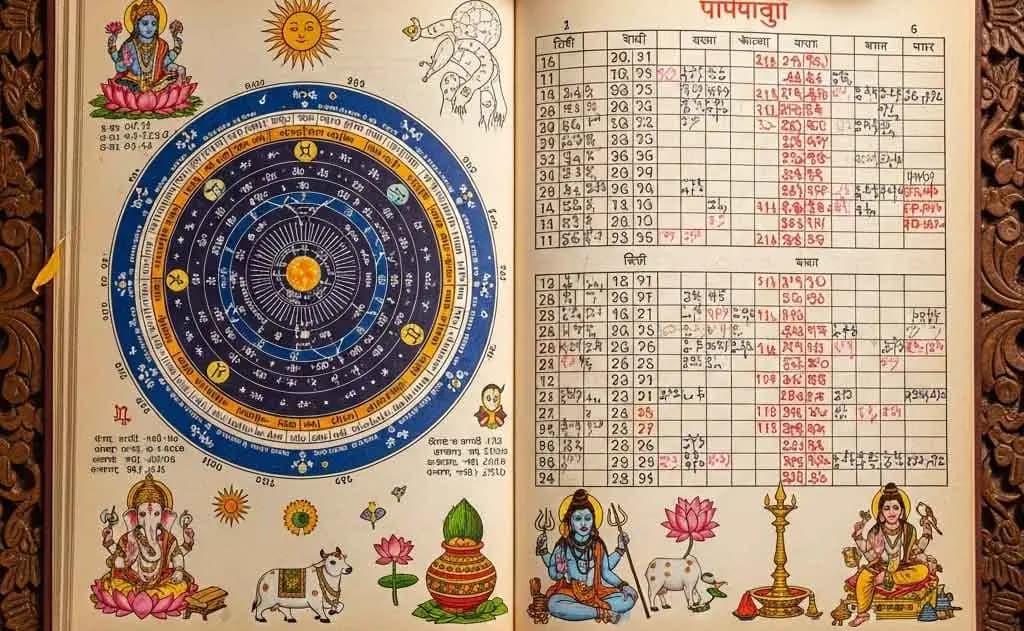
Dhanteras 2026: Date, Muhurat, Puja Vidhi, What to Buy, Dhanvantari Jayanti & Complete Guide
"Om Dhanvantaraye Namah — Om Shreem Hreem Kuberaya Namah — Om Shreem Mahalakshmyai Namah" Dhanteras — the Festival of Wealth and Wellbeing — is the golden…
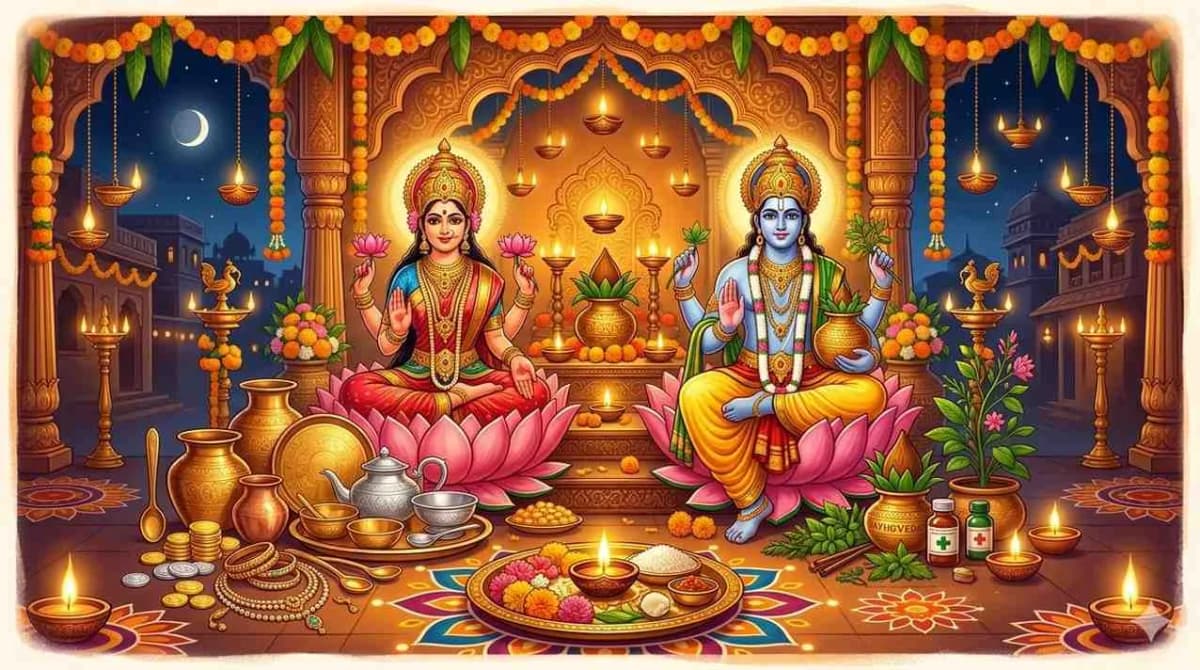
"Om Dhanvantaraye Namah — Om Shreem Hreem Kuberaya Namah — Om Shreem Mahalakshmyai Namah" Dhanteras — the Festival of Wealth and Wellbeing — is the golden…
"Om Dhanvantaraye Namah — Om Shreem Hreem Kuberaya Namah — Om Shreem Mahalakshmyai Namah"
Dhanteras — the Festival of Wealth and Wellbeing — is the golden gateway that opens the magnificent five-day Diwali celebration. On this day, the universe aligns in a rare triple blessing: Goddess Lakshmi (wealth) emerges from the cosmic ocean, Lord Dhanvantari (health and Ayurveda) appears with the nectar of immortality, and Lord Kubera (divine treasurer) distributes abundance to all sincere devotees. No other festival in the Hindu calendar combines material prosperity and physical health into a single, sacred day quite like Dhanteras.
In 2026, Dhanteras falls on Friday, November 6 — the auspicious first day of the five-day Diwali festival. This complete HinduTone guide gives you everything — exact dates, Pradosh Kaal and Vrishabha Lagna muhurat, step-by-step puja vidhi for all three deities, the sacred Dhanteras Vrat Katha, what to buy (and what strictly to avoid), Yama Deepam ritual, powerful mantras, regional celebrations, and a complete Dhanteras shopping guide.
Dhanteras 2026 — Date & All Key Timings
Prime Muhurat Insight: The overlap of Pradosh Kaal + Vrishabha (Taurus) Lagna from 6:17 PM to 8:15 PM IST on November 6, 2026, is the most powerful window for Dhanteras puja. Vrishabha is a "Sthir" (fixed) Lagna — performing Lakshmi puja during this time ensures the Goddess's blessings of wealth become permanently established in your home, not just temporary.
Why is Dhanteras 2026 on a Friday?
Dhanteras 2026 falls on Friday, November 6, as the festival is celebrated on the Trayodashi (thirteenth day) of the Krishna Paksha (dark fortnight) of the Hindu month of Kartik every year. Friday (Shukravar) is ruled by Shukra (Venus) — the planet of luxury, beauty, and material abundance — making this Dhanteras particularly auspicious for wealth rituals, gold purchase, and Lakshmi puja.
What is Dhanteras? — Meaning & Threefold Significance
The name Dhanteras joins two Sanskrit words — "Dhan" meaning wealth and "Teras" meaning the thirteenth day — signifying the thirteenth lunar day dedicated to wealth, prosperity, and wellbeing.
What makes Dhanteras uniquely powerful is that it celebrates three divine events simultaneously:
- The Emergence of Goddess Lakshmi (Wealth)
During the Samudra Manthan (churning of the cosmic ocean) by the gods and demons seeking the nectar of immortality, Goddess Lakshmi emerged from the ocean of milk on the Trayodashi (thirteenth) day. Hence, Goddess Lakshmi is worshipped on Dhanteras as the queen of all wealth and prosperity. - The Birth of Lord Dhanvantari (Health & Ayurveda)
Lord Dhanvantari, an incarnation of Lord Vishnu, is the divine physician and father of Ayurveda. According to Hindu scriptures, he emerged from the churning of the ocean carrying a pot of Amrit (the nectar of immortality) in his four hands, along with a conch shell, healing herbs, and the Sudarshana Chakra. This day is observed as Dhanvantari Jayanti — his sacred birth anniversary. Hospitals, Ayurveda practitioners, and medical professionals across India observe special pujas on this day. - Propitiation of Yamraj (Lord of Death)
Dhanteras also honors Yamraj — the God of Death — through the Yama Deepam ritual. By lighting a lamp in the southern direction (Yama's direction) and seeking his grace, devotees pray for the long life and protection of all family members from untimely death throughout the year.
The Sacred Dhanteras Vrat Katha — The Prince & the Serpent
The Dhanteras Vrat Katha tells the story of a young prince whose destiny was marked by a dark prophecy. At birth, the royal astrologers warned King Hima that his son would die from a snake bite on the fourth night after his wedding. The king and queen lived in constant fear as the prince grew into a fine young man.
When the prince was wed, his devoted young bride was told of the prophecy. Determined to defeat fate through devotion, she took matters into her own hands on the fourth night after their marriage — the prophesied night of the serpent's strike.
She kept her husband awake all night by singing songs, telling stories, and reciting prayers. At the entrance of their chamber, she piled up all their gold ornaments, silver coins, and jewels into a towering mound and placed blazing oil lamps all around it, illuminating the entire room.
When Yamadoot (the messenger of Yama) arrived in the form of a deadly serpent, he was blinded by the dazzling light of the lamps and the gleam of the gold and silver. He could not enter the chamber. He coiled himself around the mound of gold and silver for the entire night, listening to the bride's songs and stories, and left at dawn without taking the prince's life.
The lesson of the Dhanteras Katha: Devotion, light, and the sacred power of gold and silver can conquer even death. This is why:
- Lights (diyas) are lit on Dhanteras
- Gold and silver are purchased on this day
- Yama Deepam is lit facing South — to honor and appease Yamraj
- Staying awake with prayers and bhajans through the night is considered meritorious
Dhanteras 2026 — Complete Puja Vidhi (Step-by-Step)
Dhanteras puja involves the simultaneous worship of three deities — Goddess Lakshmi, Lord Kubera, and Lord Dhanvantari — each requiring specific rituals and offerings.
Puja Samagri (Complete Items List)
Morning Rituals (November 6, 2026)
Step 1: Rise Early, Clean the Home
Wake up early, take a ritual bath, and deep-clean the entire home — every room, corner, and storehouse. Sprinkle Gangajal (holy water) in every corner while chanting:
"Om Apavitrah Pavitro Va, Sarvavasthaam Gato Api Va, Yah Smaret Pundarikaksham Sa Bahyabhyantarah Shuchihi"
Goddess Lakshmi visits only clean, bright, and welcoming homes on Dhanteras and Diwali. Clutter and dirt are said to repel her divine presence.
Step 2: Decorate the Entrance
- Draw a fresh Rangoli at the main entrance with auspicious symbols — lotus, swastika, Lakshmi footprints.
- Hang mango leaf torans (festoons) on all doorways.
- Place marigold garlands along the entrance.
- Draw Lakshmi Charan (Goddess Lakshmi's footsteps in kumkum) from the main door leading inward — symbolizing the Goddess entering your home.
Step 3: Set Up the Puja Altar
- Place the chowki (wooden platform) covered with yellow or red cloth.
- Arrange the three deity idols/images: Lakshmi (center), Kubera (right), Dhanvantari (left).
- Set up the Kalash filled with water, topped with mango leaves and a coconut.
- Arrange all puja samagri in a thali.
- Place the newly purchased gold and silver items before the deities for blessing.
Evening Puja Vidhi — Pradosh Kaal (5:46 PM Onwards)
Step 1: Lighting the First Diya
At sunset (5:46 PM), light the main ghee diya on the altar and the Akhand Jyoti (uninterrupted lamp). This marks the formal beginning of the Dhanteras puja.
Step 2: Yama Deepam — The Most Important Unique Ritual
Yama Deepam is the tradition of lighting a south-facing lamp in the evening to seek protection from untimely death and negative influences. This is the singular most unique and important ritual of Dhanteras — not performed on any other day of the year.
How to perform Yama Deepam:
- Take a large clay diya (4-wick or single wick) and fill it with mustard or sesame oil.
- Place it at the main entrance of your home, facing South — the direction of Yamraj.
- Light it after sunset (5:46 PM) and let it burn for the entire night.
- Offer flowers, rice grains (akshat), and jaggery near the diya.
- Bow respectfully and pray:
"Mrityuna Paashahastena Kalena Bharyaya Saha, Trayodashyaam Deepadaanaat Suryo Preetimaan Bhavet" ("May Yamraj, holding the rope of death, along with Kala (Time), be pleased with this diya lit on Trayodashi — and may the Sun God also be propitiated.")
It is believed that lighting this lamp will ward off all evils and prevent untimely death of any member of the family throughout the coming year.
Step 3: Light 13 Diyas Throughout the Home
Light 13 diyas inside the house and 13 at the main gate in the evening of Dhanteras, and keep another lamp (Yama Deepam) lit through the night.
Step 4: Sankalpa (Sacred Resolve)
Sit before the altar, take water in the right palm, and resolve:
"Om Vishnu, Vishnu, Vishnu — Adya Kartik Krishna Trayodashi Tithau, Sri Mahalakshmi–Kubera–Dhanvantari Pujam Karikhye"
Step 5: Ganesh Puja (Always First)
Begin all Hindu worship by invoking Lord Ganesha:
"Om Gam Ganapataye Namah — Vakratunda Mahakaya, Suryakoti Samaprabha, Nirvighnam Kuru Me Deva, Sarva Karyeshu Sarvada"
Lakshmi–Kubera Puja (Main Wealth Ritual)
Avahana — Inviting Goddess Lakshmi:
"Om Mahalakshmyai Cha Vidmahe, Vishnu Patnyai Cha Dhimahi, Tanno Lakshmi Prachodayat"
Panchamrit Abhishekam: Bathe the Lakshmi idol with milk, curd, honey, sugar, and ghee — then rinse with pure water. Pat dry with a clean white cloth.
Flower & Tulsi Offering: Offer lotus flowers, marigold, and Tulsi leaves to Goddess Lakshmi. For each lotus offered, chant:
"Om Shreem Hreem Kamalaye Namah"
Sri Sukta Recitation: Recite the Sri Sukta — the 16-verse Vedic hymn from the Rigveda — the most ancient and potent Lakshmi hymn. Even a single recitation on Dhanteras multiplies the blessings manifold.
Gold & Silver Blessing: Place all newly purchased gold ornaments, silver coins, and utensils before the Goddess. Offer kumkum, turmeric, and a flower to each item. Chant:
"Om Shreem Hreem Shreem Kamale Kamalalaye Praseed Praseed, Om Shreem Hreem Shreem Mahalakshmyai Namah"
Kubera Puja:
Lord Kubera, the Lord of the Yakshas who protect all the world's wealth, is worshipped alongside Goddess Lakshmi on Dhanteras for happiness and prosperity.
Place a Kubera Yantra or Kubera image beside Lakshmi. Offer yellow flowers, yellow sweets, and a camphor lamp. Chant the Kubera Ashtottara (108 names) and the main mantra:
"Om Hreem Shreem Hreem Kuberaya Namah — Dhan Dhan Dhan Kuru Kuru Swaha"
"Om Yaksha Rajaya Vidmahe, Vaishravanaya Dhimahi, Tanno Kubera Prachodayat" (Kubera Gayatri)
Dhanvantari Puja (Health & Ayurveda Ritual)
Lord Dhanvantari is the divine physician of the gods — worshipping him on his birth anniversary (Dhanvantari Jayanti) is the most powerful act for health, longevity, and freedom from disease.
Avahana of Lord Dhanvantari:
"Om Namo Bhagavate Vasudevaya Dhanvantaraye Amrita Kalasha Hastaya, Sarva Bhaya Vinashaya Trailokya Nathaya Sri Mahavishnave Namah"
Special Herbal Offerings for Lord Dhanvantari:
Offer Tulsi leaves, herbs, and Panchamrit while chanting the Dhanvantari mantra — these plant offerings are uniquely associated with Dhanvantari and are not typically offered to other deities in the same manner.
Offer:
- Fresh Tulsi leaves — sacred to all Vishnu avatars
- Neem leaves — the "Village Pharmacy" of Ayurveda
- Turmeric root — the golden healer
- Dry Amla (Indian Gooseberry) — the king of Ayurvedic herbs
- Betel leaves — for longevity and good digestion
Dhanvantari Stotra: Recite the Dhanvantari Stotra or these powerful verses:
"Shankham Chakram Jaloukashcha Dhadhatho Harithalabhau, Dvibhujam Vaidyaraajam Tam Vande Dhanvantarim Aham" ("I bow to the two-armed Lord Dhanvantari, who holds the conch, chakra, and leeches in his green-hued hands — the King of Physicians.")
Prayer for Health: With folded hands, pray:
"O Lord Dhanvantari, remover of all disease and suffering — bless my family with vibrant health, longevity, immunity, and freedom from all physical and mental ailments. May no untimely death or disease touch our home this year."
Grand Aarti & Completion
Lakshmi Aarti: Wave the five-wick camphor aarti clockwise 7 times to the face and 4 times to the feet:
"Om Jai Lakshmi Mata, Maiya Jai Lakshmi Mata, Tumko Nishidin Sevat, Har Vishnu Data"
Kubera Aarti:
"Om Jai Yaksha Kubera Hare, Dhana Ke Daatare, Sab Ki Ichha Puri Karo, Aap Hi Daatare"
Pradakshina & Pranam: Circumambulate the altar 3 times, then perform Sashtanga Pranam (full prostration) with gratitude.
Prasad Distribution: Distribute kheer, batashe, fruits, and the special Dhanvantari herbal prasad (amla, tulsi, dry ginger) to all family members.
Dhanteras 2026 Shopping Guide — What to Buy & When
Shopping on Dhanteras is not mere consumerism — it is a sacred ritual of welcoming abundance. It is believed that buying an item with money on this day increases its value and positive energy thirteen times.
Most Auspicious Items to Purchase
- Gold & Silver (Top Priority)
Buying silver utensils on Dhanteras is considered very auspicious because silver is a symbol of the moon, which gives coolness, and the wealth of contentment resides in the mind. Gold and silver coins with Lakshmi–Ganesha imprints are the most popular purchases.
- Gold jewelry, bangles, chains, rings
- Silver coins, silver Lakshmi–Ganesha idols
- Silver plates, glasses, or small utensils
- New Utensils & Cookware
On this day, new utensils should be bought in place of any old or broken utensils in the house. Brass, copper, and stainless steel utensils are all auspicious. The act of bringing new cookware symbolizes the arrival of Dhanvantari's blessing — since he emerged from the ocean carrying a divine pot (kalash). - Brass or Copper Kalash (Sacred Pot)
Buying a new brass or copper kalash on Dhanteras and using it for Diwali Lakshmi Puja is considered supremely auspicious — directly echoing Dhanvantari's emergence with the Amrit Kalash. - Lakshmi–Ganesha Idol for Diwali Puja
Purchase the main Lakshmi–Ganesha clay or brass idol for your Diwali puja on Dhanteras — it will be consecrated and worshipped on the main Diwali night (November 8). - Diyas & Lamps
Buy new clay diyas (oil lamps), decorative brass diyas, and LED string lights for Diwali decoration. Lighting oil lamps symbolizes the victory of light over darkness and welcomes blessings into the home. - Electronic Appliances (Modern Tradition)
In modern India, Dhanteras has become the biggest shopping day for electronic appliances, vehicles, and real estate. Washing machines, refrigerators, televisions, laptops, and mobile phones purchased on Dhanteras are believed to be blessed with durability and good fortune. Car and two-wheeler showrooms see record sales. - Brooms (Jhadu) — South Indian Tradition
Buying a new broom on Dhanteras is a powerful prosperity ritual — especially in South India. The broom symbolizes Lakshmi herself (she sweeps poverty away) and is kept in the puja room on Dhanteras, then used to cleanse the home before Diwali. - Coriander Seeds
On this occasion people buy coriander seeds and keep them at home. These seeds are then sown in their gardens or fields after Diwali — a beautiful agricultural blessing ritual representing new growth and abundance in the coming year.
What NOT to Do on Dhanteras
Following these prohibitions preserves the sanctity and good fortune of the festival:
Avoid consuming alcohol and non-vegetarian food, lending or borrowing money, and sexual activities on Dhanteras.
Dhanvantari Jayanti 2026 — Day of Ayurveda
Dhanteras is simultaneously observed as Dhanvantari Jayanti — the sacred birth anniversary of Lord Dhanvantari, the divine physician and father of Ayurveda. Since 2016, the Government of India has officially designated Dhanvantari Jayanti as National Ayurveda Day.
Who is Lord Dhanvantari?
Lord Dhanvantari is an incarnation of Lord Vishnu — the Father and Teacher of Ayurveda and the Physician of the Gods. He holds four divine objects: a pot of Amrit (nectar of immortality), a Shankha (conch), healing herbs, and the Sudarshana Chakra.
His emergence from the churning of the ocean on this Trayodashi day is the cosmic origin story of Ayurveda — the ancient Indian science of life that uses herbs, diet, yoga, meditation, and natural therapies to create and sustain holistic health.
How to Honor Dhanvantari Jayanti
- Visit Ayurveda doctors and practitioners and seek their blessings
- Donate Ayurvedic medicines to hospitals and charitable clinics
- Begin a new Ayurvedic health practice — oil pulling, Abhyanga (oil massage), taking Triphala, or starting daily tulsi and amla intake
- Government hospitals and AYUSH ministries hold special programs on this day
Dhanvantari Mantra for Perfect Health
"Om Namo Bhagavate Vasudevaya Dhanvantaraye Amrita Kalasha Hastaya Sarva Bhaya Vinashaya Trailokya Nathaya Sri Mahavishnave Namah"
Meaning: "I bow to Lord Dhanvantari — incarnation of Lord Vishnu — who holds the pot of immortal nectar, destroys all fear and disease, and is the Lord of all three worlds."
Chant this mantra 108 times on Dhanteras for health, healing, and freedom from disease.
The 13 Diyas of Dhanteras — Significance & Placement
Lighting 13 diyas on Dhanteras is a sacred tradition with deep numerical significance:
All 13 diyas should be lit with sesame oil or ghee — never use synthetic candles for these sacred placements. Ghee diyas are considered the most potent spiritually.
Powerful Dhanteras Mantras
Mahalakshmi Mantra (Wealth)
"Om Shreem Hreem Shreem Kamale Kamalalaye Praseed Praseed, Om Shreem Hreem Shreem Mahalakshmyai Namah"
Chant 108 times during puja — for permanent wealth and material abundance.
Kubera Mantra (Treasury Blessings)
"Om Hreem Shreem Hreem Kuberaya Namah"
Chant 108 times for business growth and financial stability.
Kubera Dhana Prapti Mantra
"Om Yaksha Rajaya Vidmahe, Vaishravanaya Dhimahi, Tanno Kubera Prachodayat"
For rapid accumulation of wealth and clearing financial blockages.
Dhanvantari Mantra (Health)
"Om Namo Bhagavate Vasudevaya Dhanvantaraye, Amrita Kalasha Hastaya Sarva Bhaya Vinashaya, Trailokya Nathaya Sri Mahavishnave Namah"
Chant for perfect health, healing from disease, and family wellbeing.
Yama Deepam Prayer (Protection from Death)
"Mrityuna Paashahastena Kalena Bharyaya Saha, Trayodashyaam Deepadaanaat Suryo Preetimaan Bhavet"
Recited while lighting the Yama Deepam for protection from untimely death.
Lakshmi Gayatri Mantra
"Om Mahalakshmyai Cha Vidmahe, Vishnu Patnyai Cha Dhimahi, Tanno Lakshmi Prachodayat"
Traditional Dhanteras Prasad & Festive Foods
North India
- Batashe (puffed sugar balls) — the quintessential Lakshmi puja prasad
- Mathri — flaky fried wheat flour crackers
- Ghevar — honeycomb-shaped fried sweet soaked in sugar syrup
- Kheer (rice pudding with saffron and dry fruits)
Maharashtra — Special Dhanteras Naivedyam
In Maharashtra, there is a unique custom of making Naivedyam with powdered dry coriander seeds and jaggery — an offering uniquely associated with Dhanteras. This simple, earthy offering connects the festival to its agricultural roots.
South India (AP, Telangana, Karnataka)
- Bobbatlu / Puran Poli — lentil-jaggery stuffed flatbread
- Murukku — spiral crunchy rice snack
- Rava Laddoo — semolina spheres
- Neer Mor — spiced buttermilk prasad
Gujarat
- Sukhdi (Gol Papdi) — wheat flour, ghee, and jaggery
- Mohanthal — besan halwa-fudge
- Chakli — spiral savory rice snack
Dhanteras 2026 — Regional Celebrations
North India — Grand Shopping & Yama Deepam Night
North India celebrates Dhanteras with the most visible enthusiasm. Jewelry markets in Delhi, Jaipur, Varanasi, and Lucknow are packed with buyers from morning to midnight. Every home glows with 13 oil lamps, and the street-side Yama Deepam traditions create a mesmerizing golden glow across every neighborhood at dusk.
Gujarat — Chopda Puja Preparation & Diwali Eve Festivities
In Gujarat, Dhanteras is the day of intense home cleaning and final Diwali market shopping. The business community begins preparing their new account books (Chopda) — which will be formally inaugurated on the main Diwali night. Gold jewelry shops in Surat and Ahmedabad record some of their highest annual sales on Dhanteras.
Maharashtra — Marathi Pradhan Puja
In Maharashtra, Dhanvantari is given special prominence. Families prepare the traditional coriander-jaggery naivedyam unique to this state and offer elaborate Dhanvantari worship at home altars and at Dhanvantari temples in Pune and Mumbai.
Andhra Pradesh & Telangana — Deepavali Begins
In the Telugu states, Dhanteras marks the true beginning of the Deepavali season. Families light oil lamps and perform the Lakshmi–Kubera puja in the evening during Pradosh Kaal, and the oil lamp-lined streets of Hyderabad, Vijayawada, and Tirupati begin their festive glow two days before the main Diwali night.
Rajasthan — Dhanteras Mela
Pushkar, Jaipur, and Jodhpur host magnificent Dhanteras Melas (fairs) where traditional goldsmiths, potters, and artisans display their finest work. The vibrant bazaars of Rajasthan are at their most spectacular during Dhanteras night.
Frequently Asked Questions — Dhanteras 2026
Q1. When is Dhanteras 2026?
Dhanteras 2026 is on Friday, November 6, 2026. The Trayodashi Tithi begins at 10:30 AM on November 6 and ends at 10:47 AM on November 7.
Q2. What is the Dhanteras puja muhurat for 2026?
The best puja muhurat for Dhanteras 2026 is during Pradosh Kaal from 5:46 PM to 8:20 PM and **Vrishabha (Sthir) Kaal from 6:17 PM to 8:15 PM IST. The peak window is 6:17 PM – 8:15 PM.
Q3. What is the best time to buy gold on Dhanteras 2026?
The most auspicious gold and silver purchase window is during Pradosh Kaal — 6:00 PM to 8:30 PM IST on November 6, 2026. Avoid purchases during Rahu Kaal (10:30 AM – 12:00 PM).
Q4. What is Dhanvantari Jayanti?
Dhanvantari Jayanti is the birth anniversary of Lord Dhanvantari, the divine physician and father of Ayurveda, who emerged from the churning of the cosmic ocean carrying the pot of immortal nectar (Amrit). It coincides with Dhanteras — November 6, 2026.
Q5. What is Yama Deepam and why is it important?
Yama Deepam is the tradition of lighting a south-facing lamp in the evening to seek protection from untimely death and negative influences. It is the most unique ritual of Dhanteras — performed only on this day — and is rooted in the Dhanteras Vrat Katha of the young prince saved by his bride's devotion.
Q6. Can I buy a vehicle on Dhanteras 2026?
Yes! Buying new vehicles (cars, two-wheelers) on Dhanteras is an extremely popular modern tradition and is considered very auspicious — the vehicle purchase is blessed and placed before a Lakshmi-Ganesha idol before being driven for the first time.
Q7. What should I not buy on Dhanteras?
Avoid buying iron or steel scrap, black items, scissors, knives, and oil as these are considered inauspicious purchases. Also avoid borrowing money or repaying debts on this day.
Q8. Is fasting (vrat) observed on Dhanteras?
Fasting is optional on Dhanteras. Many devotees choose a simple fast until the evening Dhanvantari puja, while others observe the day with regular meals and devotion.
Q9. Why are utensils bought on Dhanteras?
The tradition of buying new utensils echoes the story of Lord Dhanvantari emerging with the sacred Amrit Kalash (nectar pot). Bringing new vessels into the home on this day symbolizes filling your life with the divine nectar of health and abundance.
Q10. How many diyas should be lit on Dhanteras?
Traditionally, 13 diyas are lit inside the house and 13 at the main gate, plus one Yama Deepam lit facing south at the entrance for the entire night.
Q11. What is the connection between Dhanteras and Diwali?
Dhanteras is the first day of the five-day Diwali festival — the sacred opening act that sets the tone for all the celebrations that follow: Choti Diwali (November 7), Main Diwali/Lakshmi Puja (November 8), Govardhan Puja (November 9), and Bhai Dooj (November 10).
Q12. Can the Yama Deepam be placed inside the home?
No. The Yama Deepam must be placed outside the home, at the main entrance or gate, facing South. It is specifically meant to be visible from outside — a signal to Yamraj that the home's residents honor him and seek his protection.
Final Blessings — Shubh Dhanteras 2026!
Dhanteras is the divine reminder that wealth and health are not opposites — they are twin gifts from the same cosmic generosity. Lord Dhanvantari brings the nectar of life; Goddess Lakshmi brings the abundance to live it fully; Lord Kubera ensures the treasury never runs dry. Together, they represent the Hindu understanding that a truly blessed life needs all three.
On this Friday, November 6, 2026, as you clean your home, light your lamps, and perform the sacred puja — remember that the most powerful magnet for Goddess Lakshmi is not gold or silver, but a clean heart, a grateful spirit, and a home filled with the light of devotion.
May your 13 diyas glow bright. May the Yama Deepam protect all you love. May Lord Dhanvantari bless your family with perfect health. May Goddess Lakshmi never leave your threshold. May Lord Kubera overflow your treasury with abundance.
Shubh Dhanteras 2026! Shubh Diwali!
Published by HinduTone — Your complete guide to Hindu festivals, rituals, mantras, and spiritual living.
Found this guide helpful? Share it with family and friends so everyone celebrates Dhanteras 2026 with full devotion, correct muhurat, and divine blessings!
You might also like
June 2026 Hindu Festival Calendar — Complete Dates, Vrat & Puja Guide for NRIs
Shani Deva Temples Worldwide & Must-Performed Rituals — Complete Devotee's Guide
Gayatri Jayanti 2026: Date, Gayatri Mantra, Puja Vidhi & Significance