

Keesaragutta Sri Ramalingeswara Swamy Temple – Maha Shivaratri 2026: Grand Brahmotsavams, Massive Devotee Influx & Hilltop Devotion Near Hyderabad
By HinduTone Spiritual Festivals Correspondent Published: February 10, 2026
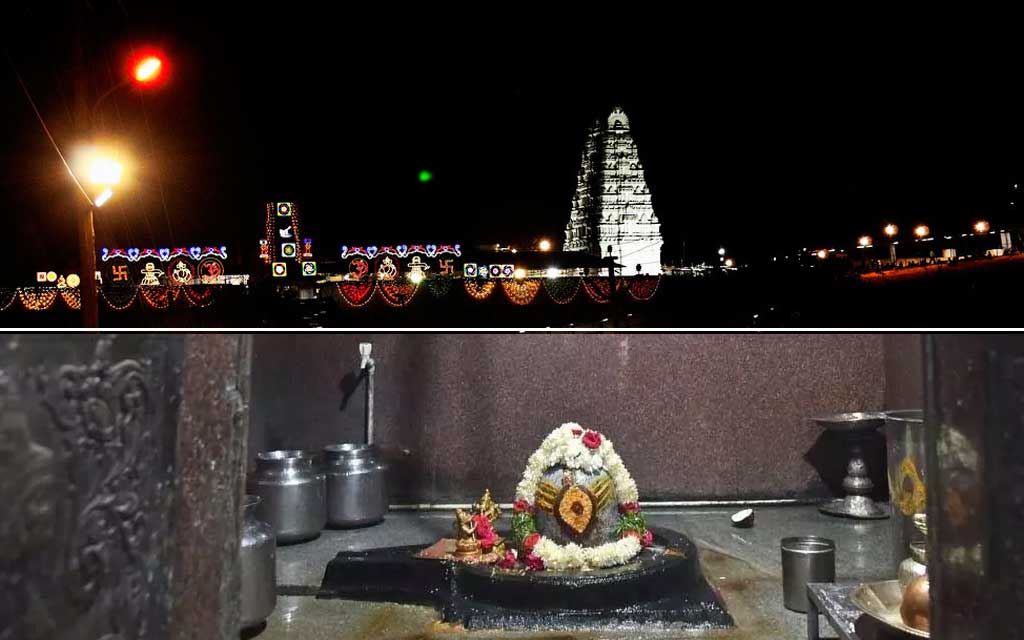
Keesaragutta Sri Ramalingeswara Swamy Temple, perched atop a scenic hill in Keesara Village, Medchal-Malkajgiri District, Telangana (about 35–40 km from Hyderabad), is an ancient and powerful Shiva shrine. Dedicated to Lord Sri Ramalingeswara Swamy (Shiva) along with Goddess Bhavani and Sivadurga, the temple is famous for its 101 ancient Shiva Lingas carved on the hill, archaeological significance from the Vishnukundin era (circa 100 BCE–300 CE), and legends linking it to Lord Rama’s worship of Shiva here after defeating Ravana.
The name “Keesaragutta” derives from “Kesarigiri” (Hanuman’s hill), as Hanuman is believed to have installed the main lingam. This hilltop temple offers panoramic views of surrounding landscapes and draws lakhs of devotees, especially during Maha Shivaratri, when it hosts one of Telangana’s largest Shiva festivals—Keesaragutta Maha Shivaratri Brahmotsavams.
Maha Shivaratri 2026 falls on Sunday, February 15, 2026 (Phalguna Krishna Chaturdashi). The celebrations span several days (typically a multi-day Brahmotsavam leading to Shivaratri), attracting massive crowds from Hyderabad, Telangana, Andhra Pradesh, and beyond. The Telangana government and temple authorities make elaborate preparations, including barricades, queue management, medical camps, free annadanam, and enhanced security to handle the sea of devotees.
Spiritual Significance of Keesaragutta & Maha Shivaratri
According to local traditions and Puranic references, Lord Rama performed penance and worshipped Shiva at this hill to atone and gain strength—hence the name Ramalingeswara. The 101 lingas represent cosmic multiplicity united in Shiva. Maha Shivaratri here emphasizes Rudrabhishekam, Bilva offerings, night-long jagran, and hill climbing for darshan, believed to dissolve sins, grant health, prosperity, and spiritual upliftment. Devotees seek blessings for family well-being, career success, and removal of obstacles, amplified by the hill’s serene, elevated energy.
The festival draws several lakh pilgrims annually, making it one of the top Shiva celebration spots in Telangana alongside Vemulawada and Kolanupaka.
Key Rituals & Celebrations on February 15, 2026
The Brahmotsavams feature Vedic rituals, processions, and peak fervor on Shivaratri:
- Multi-Day Brahmotsavam → Flag hoisting (Dwajarohanam), daily vahana sevas (processions of the deity on mounts like Nandi, elephant, horse), and cultural programs in preceding days.
- Maha Shivaratri Main Day (February 15):
- Early morning Suprabhata Seva and Maha Rudrabhishekam with Bilva leaves, milk, honey, and other sacred items.
- Continuous Abhishekam sessions (group and individual) from dawn to dusk.
- Maha Aarti and special alankaram of Lord Ramalingeswara in grand decorations.
- All-night jagran with bhajans, Vedic chants, Harikatha, and mantra japam (“Om Namah Shivaya”).
- Massive Bilva archana (108/1008 leaves) and milk pouring by devotees.
- Hilltop darshan queues starting pre-dawn; devotees climb steps for close proximity to the sanctum.
- Special Attractions → Darshan of the 101 lingas on the hill, symbolic processions, and community annadanam feeding thousands.
- Government & Temple Arrangements → Barricades for smooth flow, medical/first-aid stations, drinking water, sanitation, and shuttle services from base parking.
Crowds peak on Shivaratri night and the following day, with devotees lining up from early morning for darshan. The Telangana Endowments Department oversees preparations, often with VIP invitations extended to dignitaries.
Pilgrim Tips for Maha Shivaratri 2026
- Darshan & Crowds: Expect long queues (several hours); arrive by 4–5 AM for smoother access. General darshan is free; special entry may be available.
- Travel from Hyderabad: ~35–40 km via ECIL X Road or Outer Ring Road. Regular APSRTC buses from Secunderabad, Jubilee Bus Station, or Imliban; private vehicles/cabs common. Parking at base; climb ~500–600 steps to temple (moderate fitness needed).
- Best Time: Reach early morning or evening for night vigils. Weather in February is pleasant (15–30°C), but carry water/sun protection.
- Accommodation: Limited near temple; stay in Hyderabad (Ghatkesar or ECIL areas) or book resorts/hotels en route.
- Observance: Strict fast (nirjala/phalahar) on February 15, offer Bilva leaves (available near temple), chant mantras, and stay awake.
- Health & Facilities: Free meals, medical camps, and wheelchairs for elderly; follow temple dress code (modest traditional attire).
Spiritual Note
Keesaragutta’s hilltop serenity and ancient lingas create a profound atmosphere where Shiva’s presence feels immediate. On Maha Shivaratri, climbing the hill and offering prayers symbolizes ascending beyond worldly limitations toward divine union. May this sacred night bring inner peace, devotion, and Lord Shiva’s boundless grace to all pilgrims.
For more divine insights:
- Top 10 Lord Shiva Temples 2026: Jyotirlingas & Sites
- Maha Shivaratri 2026: Great Night of Shiva – Significance, Fasting, Rituals and Devotional Practices
- Sri Kalahasti Temple (related South Indian Shiva shrine)
- Ekadasa Rudrabhishekam: Complete Guide to Benefits, Procedure & Significance
Related posts:
 Maha Shivaratri 2026 Fasting Rules & Vrat Vidhi: Complete Guide for NRIs
 Chidambaram Thillai Nataraja Temple – Maha Shivaratri 2026: Cosmic Dance of Nataraja, Special Abhishekams & Pancha Bhoota Ether Celebrations in Tamil Nadu
 Trimbakeshwar Jyotirlinga Maha Shivaratri 2026 Nashik
 Maha Shivaratri 2026 in the Netherlands: Shiva Tattva Awakens in the Heart of Europe
 Maha Shivaratri 2026 Celebrations in South Africa: A Province-Wide Guide to Devotional Bliss and Spiritual Awakening
 Maha Shivaratri 2026 in Melbourne: A Sacred Night of Stillness, Discipline, and Inner Awakening in Victoria
 Maha Shivaratri Jagaran in Canada 2026
 Maha Shivaratri 2026 in Cape Town: Your Complete Celebration Guide