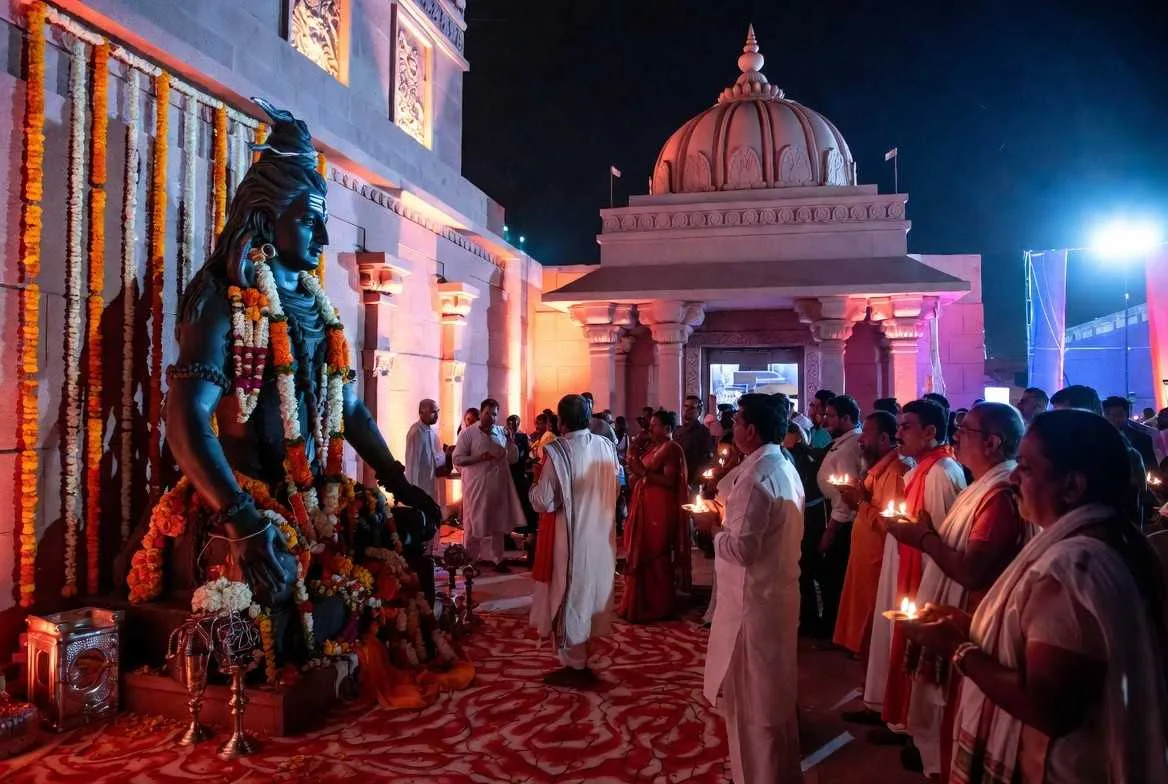
Maha Shivaratri 2026 Fasting Rules & Vrat Vidhi: Complete Guide for NRIs
Quick Facts Date: Sunday, February 15, 2026 Chaturdashi Tithi Begins: 5:04 PM (IST), February 15, 2026 Chaturdashi Tithi Ends: 5:34 PM (IST), February 16, 2026…

Quick Facts
- Date: Sunday, February 15, 2026
- Chaturdashi Tithi Begins: 5:04 PM (IST), February 15, 2026
- Chaturdashi Tithi Ends: 5:34 PM (IST), February 16, 2026
- Nishita Kaal Puja: 12:09 AM to 12:59 AM (IST), February 16
What is Maha Shivaratri?
Maha Shivaratri is a Hindu festival celebrated annually to worship Lord Shiva, observed on the first day of the lunar month of Phalguna. The festival holds profound spiritual importance as it commemorates the divine union of Shiva and Parvati and marks the night when Lord Shiva performed the cosmic Tandava dance.
Unlike most Hindu festivals that are celebrated during the day, Maha Shivaratri is celebrated at night and is a solemn event notable for its introspective focus, fasting, meditation on Shiva, and an all-night vigil.
Maha Shivaratri 2026 Puja Timings (IST - India Standard Time)
Four Prahar Puja Timings
The night is divided into four prahars or quarters, during which special pujas are performed:
First Prahar: 6:11 PM to 9:23 PM (Feb 15) Second Prahar: 9:23 PM to 12:35 AM (Feb 16) Third Prahar: 12:35 AM to 3:47 AM (Feb 16) Fourth Prahar: 3:47 AM to 6:59 AM (Feb 16)
Nishita Kaal (Most Auspicious): 12:09 AM to 12:59 AM on February 16
Parana Time (Fast Breaking Time)
The fast should be broken only after sunrise and after Chaturdashi Tithi has ended.
Parana Time (IST): 6:59 AM to 3:24 PM on February 16, 2026
NRI Time Zone Conversions for Key Timings
For United States (EST/PST)
Eastern Standard Time (EST) - New York, New Jersey, Florida
- Chaturdashi Tithi Begins: 6:34 AM, February 15
- First Prahar Puja: 7:41 AM - 10:53 AM, February 15
- Second Prahar Puja: 10:53 AM - 2:05 PM, February 15
- Nishita Kaal: 1:39 PM - 2:29 PM, February 15
- Third Prahar Puja: 2:05 PM - 5:17 PM, February 15
- Fourth Prahar Puja: 5:17 PM - 8:29 PM, February 15
- Parana Time: 8:29 PM (Feb 15) to 4:54 AM (Feb 16)
Pacific Standard Time (PST) - California, Washington, Oregon
- Chaturdashi Tithi Begins: 3:34 AM, February 15
- First Prahar Puja: 4:41 AM - 7:53 AM, February 15
- Second Prahar Puja: 7:53 AM - 11:05 AM, February 15
- Nishita Kaal: 10:39 AM - 11:29 AM, February 15
- Third Prahar Puja: 11:05 AM - 2:17 PM, February 15
- Fourth Prahar Puja: 2:17 PM - 5:29 PM, February 15
- Parana Time: 5:29 PM (Feb 15) to 1:54 AM (Feb 16)
Central Standard Time (CST) - Texas, Illinois, Michigan
- Chaturdashi Tithi Begins: 5:34 AM, February 15
- First Prahar Puja: 6:41 AM - 9:53 AM, February 15
- Second Prahar Puja: 9:53 AM - 1:05 PM, February 15
- Nishita Kaal: 12:39 PM - 1:29 PM, February 15
- Third Prahar Puja: 1:05 PM - 4:17 PM, February 15
- Fourth Prahar Puja: 4:17 PM - 7:29 PM, February 15
- Parana Time: 7:29 PM (Feb 15) to 3:54 AM (Feb 16)
For United Kingdom (GMT)
London, Manchester, Birmingham
- Chaturdashi Tithi Begins: 11:34 AM, February 15
- First Prahar Puja: 12:41 PM - 3:53 PM, February 15
- Second Prahar Puja: 3:53 PM - 7:05 PM, February 15
- Nishita Kaal: 6:39 PM - 7:29 PM, February 15
- Third Prahar Puja: 7:05 PM - 10:17 PM, February 15
- Fourth Prahar Puja: 10:17 PM - 1:29 AM (Feb 16)
- Parana Time: 1:29 AM - 9:54 AM, February 16
For Canada
Toronto, Montreal (EST) - Same as US EST above
Vancouver (PST) - Same as US PST above
For Australia
Sydney, Melbourne (AEDT - Australian Eastern Daylight Time)
- Chaturdashi Tithi Begins: 2:34 AM, February 16
- First Prahar Puja: 3:41 AM - 6:53 AM, February 16
- Second Prahar Puja: 6:53 AM - 10:05 AM, February 16
- Nishita Kaal: 9:39 AM - 10:29 AM, February 16
- Third Prahar Puja: 10:05 AM - 1:17 PM, February 16
- Fourth Prahar Puja: 1:17 PM - 4:29 PM, February 16
- Parana Time: 4:29 PM (Feb 16) to 12:54 AM (Feb 17)
For Singapore
Singapore Standard Time (SGT)
- Chaturdashi Tithi Begins: 7:34 PM, February 15
- First Prahar Puja: 8:41 PM - 11:53 PM, February 15
- Second Prahar Puja: 11:53 PM - 3:05 AM (Feb 16)
- Nishita Kaal: 2:39 AM - 3:29 AM, February 16
- Third Prahar Puja: 3:05 AM - 6:17 AM, February 16
- Fourth Prahar Puja: 6:17 AM - 9:29 AM, February 16
- Parana Time: 9:29 AM - 5:54 PM, February 16
For UAE & Middle East
Dubai, Abu Dhabi (GST - Gulf Standard Time)
- Chaturdashi Tithi Begins: 1:34 PM, February 15
- First Prahar Puja: 2:41 PM - 5:53 PM, February 15
- Second Prahar Puja: 5:53 PM - 9:05 PM, February 15
- Nishita Kaal: 8:39 PM - 9:29 PM, February 15
- Third Prahar Puja: 9:05 PM - 12:17 AM (Feb 16)
- Fourth Prahar Puja: 12:17 AM - 3:29 AM, February 16
- Parana Time: 3:29 AM - 11:54 AM, February 16
Types of Maha Shivaratri Vrat (Fasts)
1. Nirjala Vrat (Complete Fast)
A strict fast where one abstains from both food and water throughout the day and night. This is considered the most rigorous form and is undertaken by ardent devotees who wish to demonstrate complete surrender to Lord Shiva.
Who should observe: Healthy adults with no medical conditions Duration: From sunrise on Feb 15 until parana time on Feb 16
2. Phalahar Vrat (Fruit Fast)
A more common type of fasting where people consume fruits, milk, fruit juices, and herbal drinks while avoiding grains and pulses.
Who should observe: Most devotees, including beginners Permitted foods: Fruits, milk products, nuts, specific vrat ingredients
3. Ek Bhukt Vrat (One Meal Fast)
Eating only once during the day before sunset.
Who should observe: Elderly, children above 8 years, those with mild health concerns
What to Eat During Maha Shivaratri Vrat
Permitted Foods (Phalahar Items)
Fruits & Nuts
Fruits like bananas, apples, oranges, and nuts such as almonds and cashews provide energy during fasting:
- Fruits: Bananas, apples, oranges, grapes, melons, papaya, pomegranate
- Dry Fruits & Nuts: Almonds, cashews, walnuts, raisins, dates, pistachios
- Seeds: Pumpkin seeds, sunflower seeds, melon seeds
Dairy Products
According to texts, Lord Shiva liked milk and devotees can consume it during fasting, along with kheer and lassi:
- Fresh milk (cow's milk preferred)
- Yogurt/Curd (dahi)
- Paneer (cottage cheese)
- Buttermilk (chaas)
- Kheer (rice pudding made with sabudana/makhana)
- Lassi
Vrat-Friendly Grains & Starches
Sabudana is consumed in households because it is simple to make and easy on the stomach:
- Sabudana (Tapioca/Sago): Khichdi, vada, kheer
- Kuttu (Buckwheat flour): Puris, parathas, pancakes
- Singhare ka Atta (Water chestnut flour): Puris, halwa
- Rajgira (Amaranth flour): Rotis, laddoos
- Makhana (Fox nuts): Roasted or in kheer
Vegetables
Potatoes can be consumed during fasting as dishes like aloo tikka and khichdi, avoiding onion and garlic:
- Potatoes (boiled, mashed, fried)
- Sweet potatoes
- Raw banana
- Pumpkin (kaddu)
- Bottle gourd (lauki)
- Colocasia (arbi)
Beverages
Drink at least eight glasses of water while fasting to purify your body and wash away toxins:
- Water (plenty)
- Coconut water
- Fresh fruit juices (without added sugar)
- Lemon water
- Herbal teas (tulsi, ginger)
- Milk-based drinks
- Buttermilk
Condiments & Spices
Only rock salt can be used during fasting, and for more flavor, cumin and black pepper can be added:
- Rock salt (Sendha namak) - MUST use instead of regular salt
- Cumin seeds (jeera)
- Black pepper
- Green chilies
- Ginger
- Curry leaves
Foods to Strictly AVOID During Shivaratri Vrat
Grains & Pulses
Wheat, rice, lentils, and legumes are not allowed during fasting:
- Rice (chawal)
- Wheat (atta)
- All lentils (dal) - moong, masoor, urad, chana, toor
- All beans and legumes
- Regular flour (maida)
- Semolina (sooji/rava)
Vegetables & Aromatics
Onions, garlic, and strong spices should be abstained from as they are considered tamasic in nature:
- Onions
- Garlic
- Mushrooms
- Leeks
- Shallots
Spices & Condiments
Turmeric and mustard seeds should be avoided:
- Regular table salt (use only rock salt)
- Turmeric (haldi)
- Mustard seeds (rai/sarson)
- Asafoetida (hing)
- Fenugreek (methi)
Non-Vegetarian & Processed Foods
Meat, eggs, and alcoholic beverages are strictly prohibited:
- All meat (chicken, mutton, fish, seafood)
- Eggs
- Alcohol and intoxicants
- Processed and packaged foods
- Junk food and fast food
- Chips, cookies, biscuits
- Carbonated drinks and sodas
- Caffeine (coffee, tea with caffeine)
Sample Vrat Menu for Maha Shivaratri 2026
Pre-Fast Meal (Evening of February 14)
- Light sattvic dinner
- Khichdi with curd
- Fresh fruits
- Plenty of water
During Fast (February 15)
Early Morning (After Bath):
- Glass of water or coconut water
- Handful of soaked almonds
Mid-Morning:
- Fresh fruit salad (banana, apple, pomegranate)
- Glass of milk or lassi
Lunch:
- Sabudana khichdi
- Aloo (potato) curry with rock salt
- Curd
- Fruit juice
Evening (During Puja):
- Makhana (fox nuts) roasted with rock salt
- Kuttu ki puri with aloo sabzi
- Banana
Late Night (After Midnight Puja):
- Fruits and nuts
- Warm milk
Post-Puja (Early Morning Feb 16):
- Light fruits if needed
Parana (Fast Breaking - February 16 Morning)
First consume water mixed with tulsi leaves, then light prasadam before regular meals:
Step 1: Water with tulsi leaves Step 2: Fresh fruit or fruit juice Step 3: Light prasadam from puja Step 4: After 30 minutes - normal vegetarian meal (start light)
Vrat Vidhi: How to Observe the Fast Properly
Day Before (February 14, 2026)
On the evening before Maha Shivaratri, have a light, sattvik dinner to prepare your body for the fast:
- Consume light, easily digestible dinner
- Avoid heavy, oily, or spicy foods
- Sleep early
- Mentally prepare for the fast
Morning of Shivaratri (February 15)
Start the day by taking a bath, cleaning your living space, and sprinkling Gangajal:
- Wake up early during Brahma Muhurta (before sunrise)
- Take holy bath - Add few drops of Gangajal if available, or add a pinch of rock salt
- Wear clean clothes - Light-colored, preferably white or saffron
- Clean puja space - Prepare altar in northeast direction
- Take Sankalp (vow) - Pledge to observe the fast with devotion
Throughout the Day
Engage in Shiva meditation, mantra chanting, and puja while observing silence and avoiding negative thoughts:
- Chant mantras:
- Om Namah Shivaya
- Maha Mrityunjaya Mantra
- Read scriptures - Shiva Purana, Shiva Chalisa
- Listen to bhajans - Devotional songs
- Avoid:
- Negative thoughts
- Anger and arguments
- Excessive physical activity
- Sleeping during daytime
Night Vigil (Jagran)
Jagran represents spiritual alertness and conscious participation in this sacred night from sunset on February 15 until sunrise on February 16:
- Four Prahar Puja - Perform puja in all four quarters or at least during Nishita Kaal
- Abhishekam - Bathe Shivling with milk, water, honey, yogurt, ghee
- Offerings:
- Bilva (Bel) leaves
- Flowers
- Fruits
- Incense and lamp
- Stay awake - Through meditation, chanting, or spiritual discourse
- Avoid forcing yourself to exhaustion
Breaking the Fast (Parana - February 16)
Observing parana at the correct time is considered an important part of the vrat, reflecting discipline and respect for tradition:
Timing: Only after sunrise and within the parana window (6:59 AM to 3:24 PM IST)
Method:
- Complete morning puja
- Offer prayers to Lord Shiva
- First drink water with tulsi
- Consume light prasadam
- Wait 30 minutes
- Start with easily digestible food
- Avoid heavy, oily meals immediately
Spiritual Benefits of Nirjala Fast
Fasting on Maha Shivaratri is a way to purify the body, mind, and soul, helping devotees stay focused on Lord Shiva and attain spiritual upliftment:
Physical Benefits
- Detoxification of body
- Improved digestive health
- Enhanced mental clarity
- Increased energy levels (post-fast)
Spiritual Benefits
- Purification of karma - Removes past sins
- Enhanced meditation - Deeper spiritual connection
- Increased devotion - Strengthens faith in Lord Shiva
- Inner awakening - Overcome darkness and ignorance
- Blessings for:
- Spiritual growth
- Liberation (moksha)
- Health and prosperity
- Removal of obstacles
- Peace and happiness
It is believed that praying on this night brings inner peace, prosperity, and spiritual enlightenment.
Important Puja Items for Maha Shivaratri
Essential Items for Abhishekam
- Panchamrit ingredients:
- Milk
- Yogurt
- Honey
- Sugar
- Ghee
- Other sacred substances:
- Gangajal (holy water)
- Coconut water
- Sugarcane juice
- Rose water
Offerings
- Bilva (Bel) leaves - MOST IMPORTANT
- White flowers
- Dhatura flowers
- Fruits
- Sweets (vrat-friendly)
- Incense sticks
- Camphor
- Oil lamps
For Puja
- Shivling or Lord Shiva idol/picture
- Copper kalash
- Puja thali
- Bell
- Rudraksha mala
- Sacred ash (vibhuti)
Health & Safety Guidelines for NRIs
Consult Your Doctor If:
- You have diabetes or blood sugar issues
- You are pregnant or nursing
- You have any chronic health condition
- You take regular medications
- You are elderly or very young
Hydration Tips
If your pitta (acidity) levels are high, it would be better to follow a light diet along with water since this body type tends to release toxins too quickly:
- Drink water regularly if doing Phalahar fast
- Monitor for signs of dehydration
- For Nirjala fast - prepare body properly in advance
- Break fast if feeling severely unwell
Activity Level
It would be best to avoid heavy workout or physically challenging work to maintain metabolism and stay active, choosing sedentary pastimes instead:
- Avoid strenuous exercise
- Choose light yoga or meditation
- Rest when needed
- Don't overexert yourself
Mantras to Chant
Shiva Panchakshara Mantra
ॐ नमः शिवाय Om Namah Shivaya (Chant 108 times or throughout the day)
Maha Mrityunjaya Mantra
ॐ त्र्यम्बकं यजामहे सुगन्धिं पुष्टिवर्धनम् उर्वारुकमिव बन्धनान् मृत्योर्मुक्षीय मामृतात्
Om Tryambakam Yajamahe Sugandhim Pushtivardhanam Urvarukamiva Bandhanan Mrityor Mukshiya Maamritat
Shiva Gayatri Mantra
ॐ तत्पुरुषाय विद्महे महादेवाय धीमहि तन्नो रुद्रः प्रचोदयात्
Om Tatpurushaya Vidmahe Mahadevaya Dhimahi Tanno Rudrah Prachodayat
Do's and Don'ts of Shivaratri Vrat
DO'S ✓
Start your day with a bath and short prayer session, wearing clean clothes and maintaining spiritual focus:
- Take early morning bath with holy water
- Wear clean, light-colored clothes
- Keep your living space clean
- Chant mantras throughout the day
- Perform puja with devotion
- Stay awake during night (Jagran)
- Consume vrat-appropriate foods only
- Use only rock salt (sendha namak)
- Drink adequate water (if not Nirjala)
- Meditate and read scriptures
- Visit Shiva temple if possible
- Offer Bilva leaves to Shivling
- Maintain positive thoughts
- Break fast at proper time
DON'TS ✗
Do not perform full circumambulation around the Shiva Lingam; instead, perform a half-circle as prescribed:
- Don't eat prohibited foods (grains, onion, garlic)
- Don't use regular table salt
- Don't consume non-vegetarian food
- Don't drink alcohol or intoxicants
- Don't sleep during the day
- Don't engage in arguments or negative talk
- Don't perform full parikrama of Shivling
- Don't offer coconut water to Shivling
- Don't offer Tulsi leaves (offer Bilva instead)
- Don't offer vermilion (kumkum) to Shivling
- Don't break fast before proper time
- Don't overeat when breaking fast
Special Considerations for NRIs
Working Professionals
- If you have work on February 15, consider Phalahar fast instead of Nirjala
- Carry vrat-friendly snacks (fruits, nuts) to office
- Take breaks for short meditation
- Perform full puja in evening after work
- Stay awake for at least Nishita Kaal timing in your zone
Students
- Inform teachers/professors about your fast
- Carry energy foods like dates and bananas
- Focus on meditation rather than intense studying
- Break fast at appropriate time before exams if needed
Families with Children
- Children under 8 need not fast
- Children 8-12 can observe partial fast (one meal)
- Teenagers can do Phalahar fast
- Involve children in puja and chanting
Time Zone Challenges
- Set alarms for your local Nishita Kaal timing
- If puja time falls during work hours, perform brief prayers
- Complete main puja during evening/night when convenient
- The devotion matters more than exact timing adherence
Temple Visits
- Find nearest Hindu temple in your city
- Many temples conduct special programs on Shivaratri
- Participate in community celebrations
- If no temple nearby, home puja is equally sacred
Virtual Participation
- Join online Shivaratri programs from India
- Watch live darshan from famous temples
- Participate in virtual satsangs
- Connect with family in India via video call during puja
Conclusion
Maha Shivaratri marks a remembrance of overcoming darkness and ignorance in life and the world, observed by remembering Shiva and chanting prayers, fasting, and meditating on virtues.
For NRIs across the globe, Maha Shivaratri 2026 offers a beautiful opportunity to connect with Indian spiritual heritage while maintaining devotion despite geographical distance. Whether you observe a complete Nirjala fast or a gentler Phalahar fast, what matters most is the purity of devotion and sincere worship of Lord Shiva.
May Lord Shiva bless all devotees with health, prosperity, spiritual growth, and liberation.
Har Har Mahadev!
Quick Reference Card for NRIs
Date: Sunday, February 15, 2026
Key Times (IST):
- Chaturdashi Begins: 5:04 PM, Feb 15
- Nishita Kaal: 12:09 AM - 12:59 AM, Feb 16
- Parana: 6:59 AM - 3:24 PM, Feb 16
Convert to Your Time Zone: Use the detailed conversions provided above for USA, UK, Canada, Australia, Singapore, UAE timings.
What to Eat: ✓ Fruits, milk, nuts, sabudana, kuttu, singhare, potatoes ✓ Only rock salt (sendha namak)
What to Avoid: ✗ Rice, wheat, onion, garlic, regular salt, non-veg, alcohol
Must Do:
- Take holy bath in morning
- Chant "Om Namah Shivaya"
- Stay awake during night
- Offer Bilva leaves
- Break fast at correct time
Published on: HinduTone.com Last Updated: February 2026
Disclaimer: This is a general guide. Please consult with your family priest or spiritual advisor for specific instructions based on your tradition and health conditions.
Frequently Asked Questions
When is Maha Shivaratri in 2026?
Maha Shivaratri falls on Sunday, February 15, 2026. Chaturdashi Tithi begins at 5:04 PM IST on February 15 and ends at 5:34 PM IST on February 16.
What are the types of Maha Shivaratri vrat?
There are three: Nirjala Vrat (no food or water), Phalahar Vrat (fruits, milk and herbal drinks, no grains or pulses) and Ek Bhukt Vrat (one meal before sunset). Phalahar suits most devotees, including beginners.
When should the Maha Shivaratri fast be broken?
Break the fast only after sunrise and after Chaturdashi Tithi has ended. Parana time is 6:59 AM to 3:24 PM IST on February 16, 2026.
What foods are allowed during the Shivaratri fast?
Fruits, nuts, milk products, sabudana, kuttu, singhare ka atta, makhana and potatoes are allowed, with rock salt (sendha namak) only. Avoid grains, pulses, onion, garlic, meat, eggs and alcohol.
When is Nishita Kaal puja for NRIs in the UK?
In the UK (GMT), Nishita Kaal falls from 6:39 PM to 7:29 PM on February 15. NRIs in the US, Canada, Australia, Singapore and the UAE can use the converted timings given for each time zone.
How should the fast be opened on parana morning?
Start with water mixed with tulsi leaves, then fresh fruit or juice, then light prasadam from the puja. After 30 minutes, have a normal vegetarian meal, starting light.
Share this with family and friends
Send it on WhatsApp, post it, or copy the link.
More from Maha Shivaratri 2026
- Maha Shivaratri Four Prahar Puja — The Complete Night-by-Night Ritual Guide
- Devotion in the Sands: The Inspiring Story of a Karnataka Couple Crafting 1008 Shiva Lingams Every Maha Shivaratri
- Isha Foundation's Mahashivratri 2026 Sets New Record as Most Viewed Celebration on YouTube
- The 33rd Mahashivratri at Isha Yoga Center
- Maha Shivaratri 2026 Celebrations in Germany: How the Hindu Community Honored Lord Shiva Yesterday – A Complete Guide to Cities, Temples, and Events
You might also like
Maha Shivaratri 2027 in Cambodia: Your Complete Celebration Guide
Maha Shivaratri 2027 Celebrations in Australia: How the Hindu Diaspora Honored Lord Shiva Yesterday – A Complete Guide to Cities, Temples, and Events
Maha Shivaratri 2027 in Norway: Your Complete Celebration Guide