Dasha Papahara Dashami 2026: The Sacred Vrat That Frees You from Ten Sins – Complete Significance and Rituals
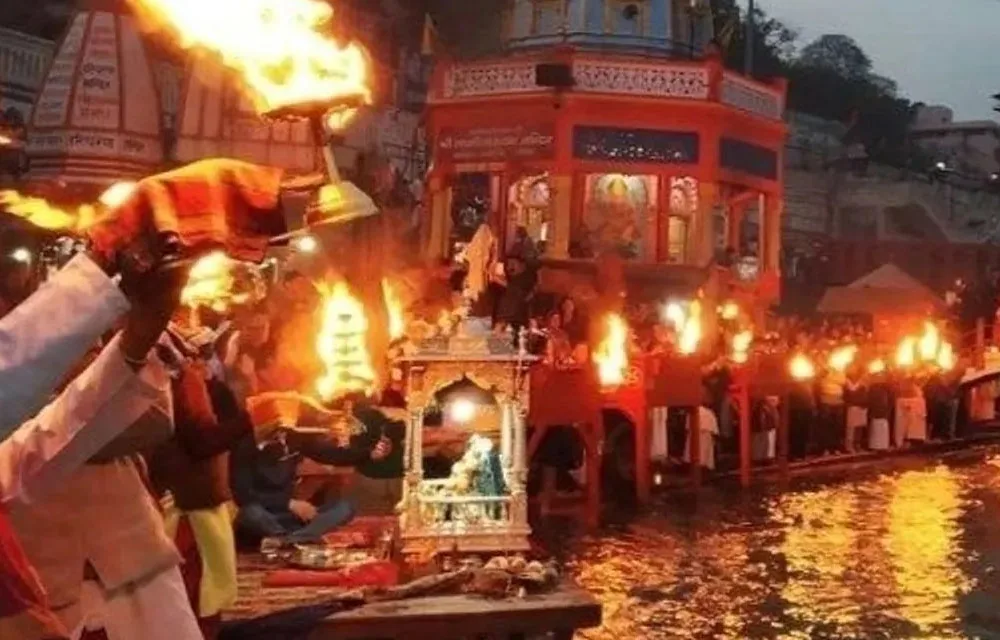
Dasha Papahara Dashami The Dashami (tenth day) of the Shukla Paksha in the month of Jyeshtha is known as Dasha Papahara Dashami. It is believed to be the day on which Goddess Ganga descended to Earth.
Dasha Papahara Dashami
The Dashami (tenth day) of the Shukla Paksha in the month of Jyeshtha is known as Dasha Papahara Dashami. It is believed to be the day on which Goddess Ganga descended to Earth. Therefore, in northern India, it is celebrated as "Ganga Dashahara" or "Ganga Utsavam." This is a highly auspicious day for the worship of Goddess Ganga.
The glory of Goddess Ganga has been described in several scriptures, including the Skanda Purana, other Puranas, Smriti Kaustubha, Vrata Nirnaya Kalpavalli, the Valmiki Ramayana, and in the Mahabharata, particularly in the account of Gangeya (Bhishma). According to the Ramayana, while leaving for exile, Goddess Sita worshipped the River Ganga and vowed to celebrate the Ganga festival after returning safely.
"Jyeshtha Masi Site Pakshe Dashami Hasta Samyuta
Harate Dasha Papani Tasmad Dashahara Smrita!"
This means that by taking a holy bath in the Ganga and worshipping Goddess Ganga on this day, one is freed from ten kinds of sins.
Importance of Dasha Papahara Dashami
Not all sins are committed knowingly. Some are committed unknowingly. Our Puranas prescribe certain remedies so that one may not suffer the adverse consequences of such actions. One such sacred opportunity is the Dasha Papahara Dashami Vrat.
What Are the Ten Sins?
At one time or another in daily life, everyone may commit these ten types of sins. They are classified into physical, verbal, and mental categories.
Physical Sins (3)
- Giving charity to an undeserving person.
- Committing violence that is not approved by the scriptures.
- Developing illicit attraction toward another person's wife or husband.
Verbal Sins (4)
- Speaking harshly.
- Telling lies.
- Spreading gossip or slander.
- Using language that is offensive or unacceptable to society.
Mental Sins (3)
- Harboring the intention to steal another person's wealth.
- Intending to cause suffering to others.
- Possessing unnecessary pride and arrogance.
What Should Be Done on Dasha Papahara Dashami?
According to the Skanda Purana, taking a holy bath on Dasha Papahara Dashami enables Goddess Ganga to remove all these sins.
Bathing in Kashi (Varanasi) on this day is believed to bestow immense spiritual merit. However, since not everyone can travel to Kashi, one should take a bath with devotion and faith in any available river, well, pond, or the sea.
Sankalpa to Be Recited While Bathing
"Mama Etajjanma Janmantara Samudbhuta
Dasha Vidha Papa Kshaya Dvara Sri Parameshwara Prityartham
Dashahara Mahaparva Nimittam Snanam Aham Karishye!"
Recite this Sankalpa before taking the sacred bath.
The Twelve Sacred Names of Goddess Ganga
Those who are unable to observe the Dasha Papahara Vrat may remember the twelve sacred names of Goddess Ganga while taking dips in any available water source. The scriptures declare that doing so grants the same merit as taking a bath in the sacred River Ganga and observing the vrat.
- Nandini
- Nalini
- Sita
- Malini
- Mahapaga
- Vishnu Padabja Sambhuta
- Ganga
- Tripathagamini
- Bhagirathi
- Bhogavati
- Jahnavi
- Tridasheshwari
Frequently asked questions
When is Dasha Papahara Dashami observed?
It falls on the Dashami (tenth day) of the Shukla Paksha in the month of Jyeshtha. It is believed to be the day Goddess Ganga descended to Earth, so northern India calls it Ganga Dashahara.
What are the ten sins this vrat is said to remove?
Three physical sins (undeserved charity, unscriptural violence, illicit attraction), four verbal sins (harsh speech, lies, slander, offensive language) and three mental sins (intent to steal, to harm others, and arrogance).
What should I do on Dasha Papahara Dashami?
Take a holy bath with devotion and worship Goddess Ganga. Bathing in Kashi is considered especially meritorious, but a bath in any available river, well, pond or the sea is acceptable.
What Sankalpa is recited before the bath?
The Sankalpa begins "Mama Etajjanma Janmantara Samudbhuta, Dasha Vidha Papa Kshaya Dvara Sri Parameshwara Prityartham, Dashahara Mahaparva Nimittam Snanam Aham Karishye." It is recited before the sacred bath.
Can I observe this vrat if I cannot reach the Ganga?
Yes. Those unable to observe the vrat may remember the twelve sacred names of Goddess Ganga while bathing in any water source. The scriptures are said to grant the same merit this way.
What are the twelve names of Goddess Ganga?
They are Nandini, Nalini, Sita, Malini, Mahapaga, Vishnu Padabja Sambhuta, Ganga, Tripathagamini, Bhagirathi, Bhogavati, Jahnavi and Tridasheshwari.
Share this with family and friends
Send it on WhatsApp, post it, or copy the link.
More from Festivals
- Why Vishnu Offered His Eye to Shiva: The Thousand-Lotus Story Behind Vaikuntha Chaturdashi
- Why 365 Wicks on Karthika Pournami? The Meaning, the Scriptures and When to Light It in 2026
- Nagula Chavithi 2026: Why Milk Is Offered at the Snake Mound, and Do Snakes Really Drink It?
- 12 Jyotirlingas in Karthika Masam 2026: State-Wise List, Karthika Specialities, Somavaram and Pournami Visits, Darshan and Travel Guide
- First Governor-Hosted Diwali in Idaho: Senator Jim Risch Welcomes Boise's Growing Indian Community
You might also like
Hindu Festivals in May & June 2026: Ganga Saptami, Sita Navami, Buddha Purnima, Ganga Dussehra, Nirjala Ekadashi — Complete Vaishakha–Jyeshtha Guide

Bathukamma Festival: Significance for Telangana

Bodrai Festival in Telangana: Village Goddess Celebration, Rituals, Folk Art & Complete Cultural Guide