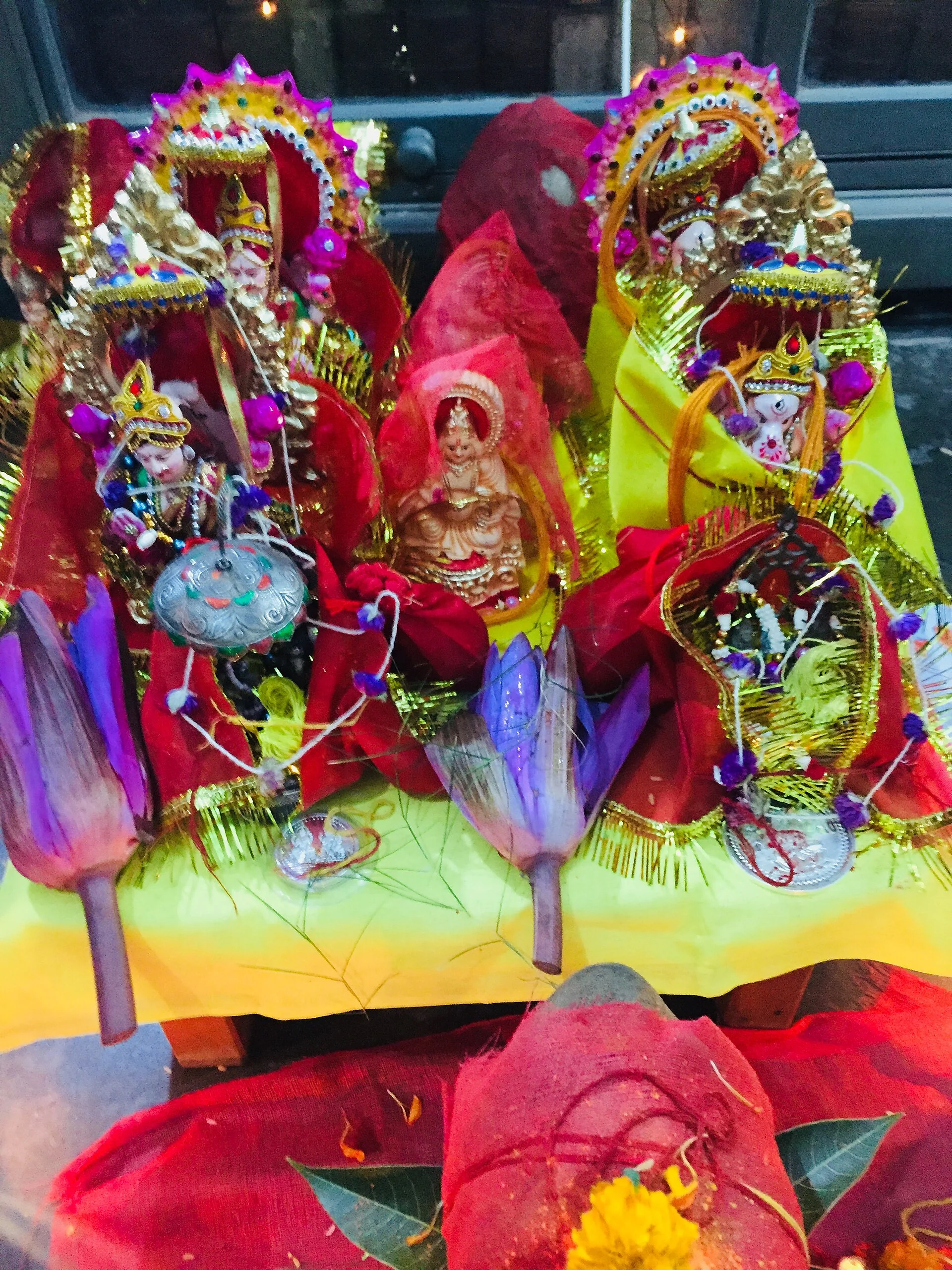
Why Buying Utensils on Dhanteras Is Considered Auspicious: The Complete Story
Dhanteras, also known as Dhanatrayodashi, marks the auspicious beginning of the five-day Diwali celebration.
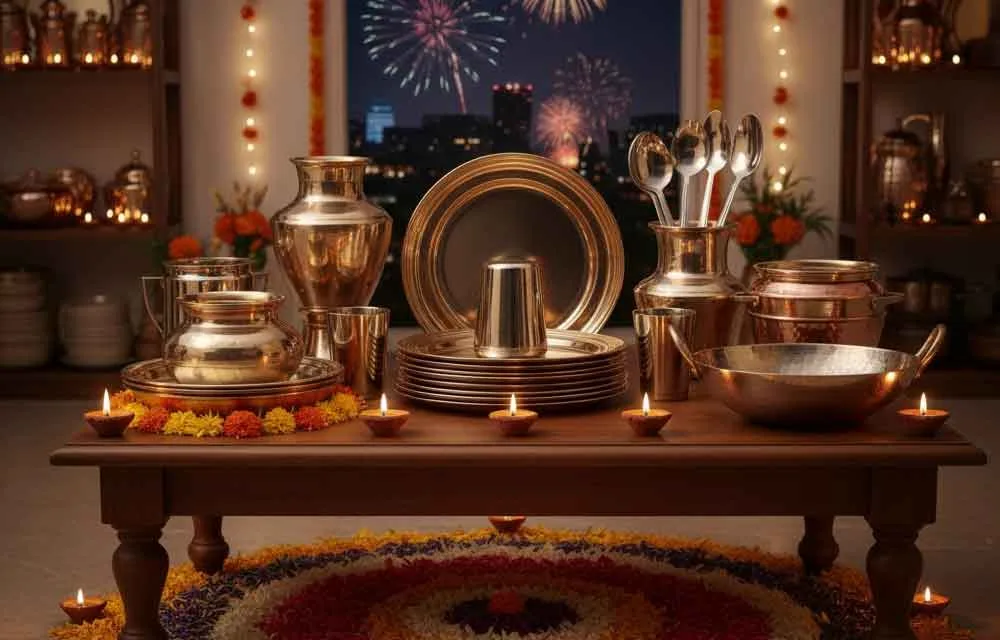
Dhanteras, also known as Dhanatrayodashi, marks the auspicious beginning of the five-day Diwali celebration.
Dhanteras, also known as Dhanatrayodashi, marks the auspicious beginning of the five-day Diwali celebration. Observed on the thirteenth lunar day (Trayodashi Tithi) of Krishna Paksha in the Hindu month of Kartik, this sacred day holds deep significance in Hindu tradition. In 2025, Dhanteras falls on October 18, and with it comes the time-honored practice of purchasing utensils, gold, silver, and other valuable items. But have you ever wondered why buying utensils on this particular day is considered so auspicious?
The Divine Origin: The Story of Samudra Manthan
The tradition of buying utensils on Dhanteras is rooted in one of Hindu mythology's most captivating stories—the Samudra Manthan, or the churning of the cosmic ocean of milk. This ancient tale forms the foundation of why this day is celebrated with such devotion and enthusiasm.
According to sacred texts, the Devas (gods) and Asuras (demons) joined forces to churn the ocean of milk to obtain Amrita, the divine nectar of immortality. They used Mount Mandara as the churning rod and Vasuki, the mighty serpent, as the rope. Lord Vishnu, in his Kurma (tortoise) avatar, supported the mountain from below to prevent it from sinking into the ocean depths.
As the churning continued for what seemed like eternity, various divine treasures began to emerge from the frothing ocean. Among these celestial gifts appeared Lord Dhanvantari, the divine physician and God of Ayurveda.
The Emergence of Lord Dhanvantari
Lord Dhanvantari emerged from the ocean as a magnificent figure—young, strongly built, with a broad chest and bluish-black complexion. His appearance was that of a lion-like warrior, clad in bright yellow garments, with curly hair anointed with oil and shining pearl earrings adorning his ears. His strong arms and reddish eyes commanded divine authority.
But what made his emergence truly significant was what he carried in his hands: a sacred pot (Kalash) filled with Amrita, the nectar of immortality. Along with the pot, he held a conch shell (Shankha), medicinal herbs, leeches (symbolizing ancient healing practices), and a chakra (divine discus)—all symbols of health, healing, and divine protection.
This momentous event occurred on the thirteenth day of Krishna Paksha in the month of Kartik—the very day we now celebrate as Dhanteras. Lord Dhanvantari is not just the physician of the gods but is revered as the father of Ayurveda, the ancient Indian system of medicine and holistic wellness.
The Symbolism of the Sacred Pot
The pot of nectar carried by Lord Dhanvantari holds profound symbolic meaning. It represents not just physical immortality but also:
- Nourishment and Sustenance: The vessel that contains life-giving nectar
- Prosperity and Abundance: A container that holds wealth and well-being
- Health and Longevity: The promise of a life free from disease
- Divine Blessings: The grace of the gods bestowed upon humanity
This is why the tradition of purchasing utensils—pots, vessels, and containers—began on this sacred day. By bringing new utensils into the home on Dhanteras, devotees symbolically invite the same divine energy that emerged with Lord Dhanvantari into their households.
Why Utensils Are Considered Auspicious Purchases
The practice of buying utensils on Dhanteras carries multiple layers of spiritual and practical significance:
1. Symbol of the Divine Pot
Every utensil purchased on Dhanteras is seen as a representation of the sacred pot of Amrita that Lord Dhanvantari carried. It symbolizes the potential to hold and nurture prosperity, health, and abundance within one's home.
2. Carriers of Purity and Prosperity
Utensils, especially those made of brass, copper, and silver, are considered carriers of purity and auspicious vibrations. These metals have been valued in Hindu tradition for their:
- Purifying properties
- Ability to sustain and enhance food quality
- Connection to divine energies
- Long-lasting nature symbolizing enduring prosperity
3. Nourishment and Family Traditions
Cookware and utensils represent nourishment, health, and the continuation of family traditions. They are essential tools that help prepare food—the very sustenance of life. Purchasing them on Dhanteras honors the role of nourishment in maintaining health and prosperity.
4. Invitation to Goddess Lakshmi
On Dhanteras, devotees worship Goddess Lakshmi, the deity of wealth and prosperity, along with Lord Dhanvantari and Lord Kubera (the treasurer of the gods). New utensils are believed to please Goddess Lakshmi and invite her blessings into the home. The act of acquiring new vessels creates space for abundance to flow into one's life.
5. Emptiness Filled with Promise
According to tradition, empty vessels should never be brought into the home on Dhanteras. Instead, they should be filled with grains, sweets, coriander seeds, or other auspicious items before entering the house. This practice symbolizes filling the emptiness with prosperity and positive energy, ensuring that lack and void have no place in the household.
The Science Behind Choosing Specific Metals
Different metals hold specific significance in Ayurveda and Hindu tradition:
Copper Utensils
Copper is especially recommended for Dhanteras purchases. As the day is associated with Lord Dhanvantari, the god of health, copper utensils are considered particularly auspicious for promoting wellness. Copper has natural antimicrobial properties and is believed to balance the body's doshas according to Ayurvedic principles.
Silver Utensils
Silver represents purity, peace, and prosperity. Silver utensils, plates, glasses, and decorative items are traditional Dhanteras purchases. Silver is believed to have cooling properties and positive energy that can enhance the sanctity of food and rituals.
Brass and Bronze
These alloy metals are valued for their durability and traditional significance in Hindu households. Brass and bronze utensils have been used for generations in Indian kitchens and puja rooms, connecting present practices with ancestral traditions.
The Thirteen-Fold Blessing
A unique belief associated with Dhanteras is that any purchase made on this day is blessed with thirteen-fold prosperity. The word "Teras" itself means thirteen, representing the thirteenth lunar day. This multiplication of blessings makes even small purchases on Dhanteras spiritually significant and materially beneficial.
Modern Interpretations and Practices
While traditional metal utensils remain popular, modern interpretations have expanded to include:
- Complete dinner sets and cookware collections
- Puja thalis (worship plates) and diyas (lamps)
- Kitchen appliances and gadgets
- Any item that serves the purpose of nourishment and family welfare
The key is the intention behind the purchase—to invite health, prosperity, and divine blessings into the household through items that sustain and nourish life.
The Ritual of Dhanteras Shopping
The most auspicious time for making purchases on Dhanteras is during the Pradosh Kaal in the evening, typically between sunset and nightfall. In 2025, the Trayodashi Tithi begins at 12:18 PM on October 18 and lasts until 1:51 PM on October 19, but the ideal purchasing window falls in the evening hours during the Lakshmi Puja Muhurat.
Traditional practice includes:
- Cleaning and purifying the home before Dhanteras
- Shopping during the auspicious evening hours
- Filling new utensils with grains or sweets before bringing them home
- Performing Lakshmi puja in the evening with the new purchases
- Lighting lamps (diyas) to welcome divine energies
The Spiritual Essence
Beyond the material aspect, buying utensils on Dhanteras is a spiritual practice that acknowledges:
- Our dependence on divine grace for sustenance
- The importance of health and nourishment in prosperity
- The connection between physical vessels and spiritual abundance
- The cyclical nature of giving and receiving blessings
Each utensil becomes a sacred vessel, not just for cooking food, but for containing the blessings of Lord Dhanvantari, Goddess Lakshmi, and the divine energies that emerged during the Samudra Manthan.
The Legend of King Hima's Son
Another beautiful story reinforces the importance of Dhanteras traditions. According to legend, a young prince was destined to die from a snakebite on the fourth day of his marriage. His clever wife, determined to save him, created a dazzling display of gold, silver coins, and ornaments at their chamber's entrance, along with countless lamps. When Yama, the god of death, arrived disguised as a serpent, he was blinded by the brilliant light and could not enter. The wealth and light saved the prince's life, establishing the tradition of displaying prosperity and lighting lamps on Dhanteras.
Conclusion: A Tradition of Hope and Abundance
The practice of buying utensils on Dhanteras is far more than a shopping tradition—it is a profound spiritual practice that connects us to ancient wisdom, divine mythology, and the eternal human aspiration for health, wealth, and well-being. Each pot, pan, or vessel purchased on this auspicious day carries within it the promise of Lord Dhanvantari's healing grace and Goddess Lakshmi's abundant blessings.
As you participate in this time-honored tradition, remember that you are not just buying household items; you are inviting divine energy into your home, honoring the sacred emergence of Lord Dhanvantari from the cosmic ocean, and creating vessels that will hold not just food, but the nourishment of body, mind, and soul for your entire family.
May this Dhanteras fill your home with health, prosperity, and the eternal blessings of the divine!
Happy Dhanteras! May Lord Dhanvantari and Goddess Lakshmi shower their choicest blessings upon you and your loved ones.
Frequently Asked Questions
When is Why Buying Utensils on Dhanteras Is Considered?
Why Buying Utensils on Dhanteras Is Considered is observed on its traditional tithi in the Hindu lunar calendar; refer to the year's panchang for the exact date in your region.
What is the significance of Why Buying Utensils on Dhanteras Is Considered?
Dhanteras , also known as Dhanatrayodashi, marks the auspicious beginning of the five-day Diwali celebration. Observed on the thirteenth lunar day (Trayodashi Tithi) of Krishna Paksha in the Hindu month of Kartik, this sacred day holds deep significance in Hindu tradition.
How is Why Buying Utensils on Dhanteras Is Considered celebrated?
Devotees observe it with puja, fasting or special offerings, visiting temples, chanting mantras, and gathering with family. Customs vary by region and tradition.
What should devotees do on Why Buying Utensils on Dhanteras Is Considered?
Take a sacred bath, perform the day's puja and charity (dana), observe any prescribed fast, and chant mantras with sincere devotion.
You might also like

Gita Jayanti 2026 Prasad Recipes — Tulsi-Honoring Sweets, Krishna's Favourites & December 10 Bhog Plate
Shani Deva Temples Worldwide & Must-Performed Rituals — Complete Devotee's Guide
Maha Shivratri 2026 Vrat Recipes — Sabudana Khichdi, Singhada Halwa, Phalahara Foods Complete Fasting Guide