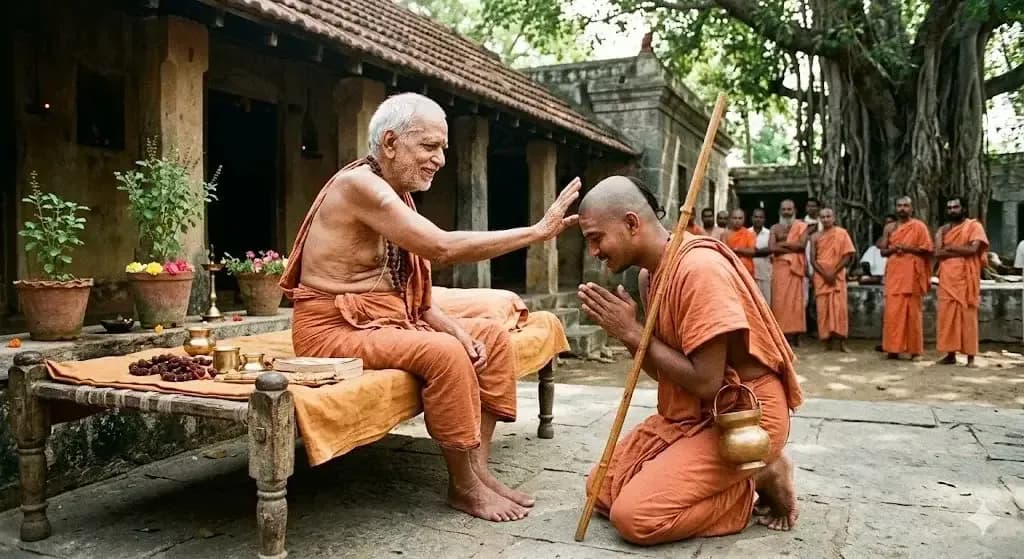
Dhanteras and Ayurvedic Practices for Health and Longevity
Introduction While most people associate Dhanteras with the purchase of gold, silver, and material wealth, the festival's deeper significance lies in honoring…
Introduction While most people associate Dhanteras with the purchase of gold, silver, and material wealth, the festival's deeper significance lies in honoring…
Introduction
While most people associate Dhanteras with the purchase of gold, silver, and material wealth, the festival's deeper significance lies in honoring health and longevity. Dhanteras, celebrated on the thirteenth lunar day of Krishna Paksha in the month of Kartik, is intrinsically connected to Lord Dhanvantari—the divine physician and father of Ayurveda. This sacred day offers a profound opportunity to embrace Ayurvedic wisdom and commit to practices that promote optimal health and extended lifespan.
In 2025, as we celebrate Dhanteras on October 20 (Monday), it becomes crucial to rediscover the festival's original essence: celebrating health as the true wealth. After all, what good is material prosperity without the health to enjoy it?
This article explores the ancient Ayurvedic traditions associated with Dhanteras and provides practical guidance on incorporating these time-tested practices into modern life for enhanced health and longevity.
The Divine Connection: Lord Dhanvantari
The Emergence of the Divine Physician
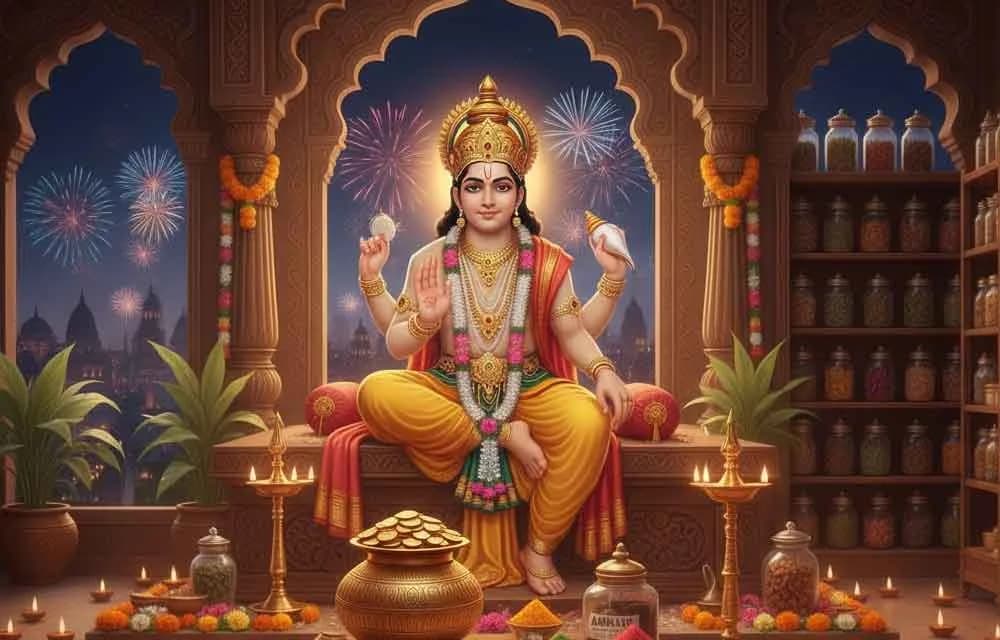
According to Hindu mythology, Lord Dhanvantari emerged during the Samudra Manthan (churning of the cosmic ocean) on Dhanteras, carrying the pot of Amrit (nectar of immortality). His appearance marked the birth of Ayurveda—the science of life and longevity.
Iconography of Lord Dhanvantari:
- Holds the pot of Amrit in one hand
- Carries medicinal herbs in another
- Holds the conch shell (Shankha) representing the sound of creation
- Bears the chakra symbolizing the wheel of time and health
- Depicted with four arms representing the four aspects of health: physical, mental, emotional, and spiritual
Dhanvantari: The Father of Ayurveda
Lord Dhanvantari is revered as:
- The physician of the gods (Deva Vaidya)
- The originator of Ayurvedic medicine
- The bestower of health and healing
- The protector from disease and untimely death
- The embodiment of perfect health and longevity
Historical Significance: Ancient texts like the Charaka Samhita and Sushruta Samhita acknowledge Dhanvantari as the divine source of medical knowledge. He is believed to have taught Ayurveda to the sage Sushruta, who then compiled the Sushruta Samhita, one of the foundational texts of Ayurvedic surgery.
Understanding Ayurveda: The Science of Life
What is Ayurveda?
Ayurveda, derived from Sanskrit words "Ayur" (life) and "Veda" (knowledge/science), is a 5,000-year-old holistic healing system that originated in India. It focuses on:
- Preventive Healthcare: Maintaining health rather than just treating disease
- Holistic Approach: Addressing body, mind, and spirit
- Individualized Treatment: Recognizing unique constitutional types
- Natural Remedies: Using herbs, minerals, and lifestyle practices
- Balance and Harmony: Achieving equilibrium within and with nature
The Three Doshas: Foundation of Ayurvedic Medicine
Ayurveda identifies three fundamental bio-energies or doshas:
1. Vata (Air + Ether)
- Characteristics: Movement, communication, creativity
- Physical Traits: Thin frame, dry skin, variable appetite
- Mental Traits: Quick thinking, anxiety-prone, enthusiastic
- When Balanced: Energetic, creative, flexible
- When Imbalanced: Anxiety, insomnia, digestive issues
2. Pitta (Fire + Water)
- Characteristics: Transformation, metabolism, intelligence
- Physical Traits: Medium build, warm body, strong appetite
- Mental Traits: Sharp intellect, ambitious, focused
- When Balanced: Intelligent, courageous, confident
- When Imbalanced: Anger, inflammation, acidity
3. Kapha (Water + Earth)
- Characteristics: Structure, stability, lubrication
- Physical Traits: Sturdy build, smooth skin, slow metabolism
- Mental Traits: Calm, loyal, compassionate
- When Balanced: Stable, patient, nurturing
- When Imbalanced: Lethargy, weight gain, congestion
The Concept of Agni (Digestive Fire)
Ayurveda emphasizes Agni as the cornerstone of health:
- Strong Agni: Efficient digestion, immunity, vitality
- Weak Agni: Toxin accumulation (Ama), disease, low energy
- Balanced Agni: Optimal health and longevity
Dhanteras: The Day of Health Worship
Traditional Health Observances
Historically, Dhanteras was observed with health-focused rituals:
1. Dhanvantari Puja Devotees worshipped Lord Dhanvantari seeking:
- Freedom from disease
- Protection from epidemics
- Healing of chronic ailments
- Long and healthy life
- Mental clarity and peace
2. Ayurvedic Herb Collection Vaidyas (Ayurvedic physicians) would:
- Collect medicinal herbs on this auspicious day
- Prepare healing formulations
- Stock medicinal supplies for winter
- Bless their medical tools and texts
- Offer gratitude to nature for healing plants
3. Fasting and Purification Many observed partial or full fasting to:
- Cleanse the digestive system
- Reset Agni (digestive fire)
- Prepare for winter season
- Enhance spiritual receptivity
- Promote cellular rejuvenation
4. Purchase of Healing Items Traditional purchases included:
- Ayurvedic medicines and herbs
- Copper and brass utensils (health-promoting metals)
- Mortar and pestle for herb grinding
- Medicinal texts and manuscripts
- Healing oils and ghee
Ayurvedic Practices for Dhanteras 2025
Pre-Dawn Rituals (Brahma Muhurta)
Wake Time: 4:30 AM - 6:00 AM
The pre-dawn period is considered most auspicious for health practices.
1. Tongue Scraping (Jihwa Prakshalana)
- Use a copper tongue scraper
- Gently scrape from back to front 7-10 times
- Benefits: Removes toxins, improves taste, stimulates digestion
2. Oil Pulling (Gandusha)
- Swish 1 tablespoon sesame or coconut oil
- Hold in mouth for 15-20 minutes
- Spit out and rinse with warm water
- Benefits: Oral health, detoxification, stronger teeth
3. Nasal Cleansing (Jala Neti)
- Use a neti pot with lukewarm saline water
- Clear nasal passages thoroughly
- Follow with 2 drops of sesame oil in each nostril
- Benefits: Clear sinuses, prevent respiratory issues, enhance prana flow
4. Abhyanga (Self-Massage)
- Warm sesame oil (Vata), coconut oil (Pitta), or mustard oil (Kapha)
- Massage entire body with circular motions
- Pay special attention to joints
- Wait 20 minutes before bathing
- Benefits: Nourishes skin, calms nervous system, promotes circulation
Dhanteras Morning Routine
1. Herbal Bath (Snana)
Prepare a special Dhanteras bath with:
- Neem leaves (antibacterial)
- Tulsi leaves (purifying)
- Rose petals (cooling)
- Turmeric powder (anti-inflammatory)
- A pinch of rock salt
Boil these ingredients, strain, cool to comfortable temperature, and add to bath water.
Benefits: Purification, skin health, spiritual cleansing, disease prevention
2. Surya Namaskar (Sun Salutations)
- Perform 12 rounds facing east
- Coordinate breath with movement
- Chant Surya mantras
- Benefits: Full body workout, vitamin D absorption, cardiovascular health
3. Pranayama (Breath Work)
Recommended Practices:
Nadi Shodhana (Alternate Nostril Breathing):
- Balances left and right brain hemispheres
- Calms nervous system
- Purifies energy channels
- Duration: 10 minutes
Bhramari (Bee Breath):
- Reduces stress and anxiety
- Lowers blood pressure
- Improves concentration
- Duration: 5 minutes
Kapalabhati (Skull Shining Breath):
- Cleanses respiratory system
- Energizes mind
- Improves digestion
- Duration: 3 rounds of 20 breaths
Dhanteras Dietary Guidelines
Breaking the Fast (if observed):
Ideal First Meal:
- Warm water with lemon and honey
- Soaked almonds (5-7 pieces)
- Seasonal fresh fruits
- Light khichdi with ghee
Dhanteras Special Foods:
1. Golden Milk (Haldi Doodh) Ingredients:
- 1 cup warm milk (cow, almond, or coconut)
- 1/2 teaspoon turmeric powder
- Pinch of black pepper
- 1/4 teaspoon cinnamon
- 1 teaspoon honey or jaggery
- Few strands of saffron
Benefits: Anti-inflammatory, immunity booster, promotes sleep, joint health
2. Chyawanprash
- Traditional Ayurvedic jam
- Contains 40+ herbs
- Take 1-2 teaspoons daily
- Benefits: Immunity, vitality, longevity, respiratory health
3. Triphala Preparation
- Mix equal parts Amalaki, Bibhitaki, Haritaki
- Consume 1 teaspoon with warm water before bed
- Benefits: Digestive health, detoxification, eye health
4. Brahmi Ghee
- Ghee infused with Brahmi herb
- Take 1 teaspoon in morning
- Benefits: Memory, cognition, mental clarity
5. Ashwagandha Milk
- Add 1 teaspoon Ashwagandha powder to warm milk
- Consume before bedtime
- Benefits: Stress relief, strength, vitality, sleep quality
Foods to Favor on Dhanteras:
- Fresh seasonal vegetables
- Whole grains (rice, wheat, millet)
- Lentils and legumes
- Fresh fruits
- Nuts and seeds
- Ghee and healthy fats
- Herbal teas
- Warm, cooked foods
Foods to Avoid:
- Processed and packaged foods
- Excessive sugar
- Cold or refrigerated items
- Heavy, fried foods
- Alcohol
- Non-vegetarian food (traditionally)
- Leftover food
Dhanvantari Puja Vidhi (Worship Procedure)
Time: Evening during Pradosh Kaal (6:15 PM - 8:30 PM)
Items Required:
- Idol or picture of Lord Dhanvantari
- Fresh flowers (preferably white lotus)
- Incense sticks (sandalwood)
- Camphor
- Tulsi leaves
- Neem leaves
- Medicinal herbs (if available)
- Fruits
- Honey
- Ghee lamp
- Rice grains
- Turmeric and kumkum
Procedure:
- Purification: Clean the puja area and take a bath
- Invocation: Light the ghee lamp and incense
- Dhyana (Meditation): Visualize Lord Dhanvantari with the Amrit pot
- Offering: Present flowers, Tulsi, neem, herbs, fruits, and honey
- Mantra Chanting: Recite Dhanvantari mantras (provided below)
- Aarti: Perform aarti with camphor
- Prayer: Pray for health and freedom from disease
- Prasad Distribution: Share blessed items with family
- Gratitude: Express thankfulness for health
Dhanvantari Mantras and Stotras
Dhanvantari Maha Mantra:
ॐ नमो भगवते वासुदेवाय धन्वन्तरये
अमृतकलश हस्ताय सर्वामय विनाशनाय
त्रैलोक्यनाथाय श्री महाविष्णवे नमः

Om Namo Bhagavate Vasudevaya Dhanvantraye
Amritakalasha Hastaya Sarvamaya Vinashanaya
Trailokyanathaya Sri Maha Vishnave Namah
Meaning: I bow to Lord Dhanvantari, the incarnation of Lord Vishnu, who holds the pot of nectar, destroyer of all diseases, and lord of the three worlds.
Benefits: Chanting this mantra 108 times promotes healing and protection from diseases.
Dhanvantari Gayatri Mantra:
ॐ भगवते वासुदेवाय धन्वन्तराये धीमहि
तन्नो धन्वन्तरिः प्रचोदयात्

Om Bhagavate Vasudevaya Dhanvantraye Dhimahi
Tanno Dhanvantarah Prachodayat
Meaning: We meditate upon Lord Dhanvantari, may he inspire and guide us toward health and wellness.
Short Healing Mantra:
ॐ श्री धन्वन्तरये नमः
Om Sri Dhanvantraye Namah
Usage: Chant while taking medicine, preparing food, or during healing treatments.
Ayurvedic Herbs to Purchase on Dhanteras
Top 13 Essential Herbs:
1. Tulsi (Holy Basil)
- Benefits: Immunity, respiratory health, stress relief
- Usage: Fresh leaves, tea, powder
2. Ashwagandha (Withania somnifera)
- Benefits: Adaptogen, strength, vitality, stress management
- Usage: Powder with milk, capsules
3. Brahmi (Bacopa monnieri)
- Benefits: Brain health, memory, cognitive function
- Usage: Fresh juice, powder, oil
4. Turmeric (Curcuma longa)
- Benefits: Anti-inflammatory, immunity, joint health
- Usage: Fresh root, powder, golden milk
5. Neem (Azadirachta indica)
- Benefits: Blood purification, skin health, antibacterial
- Usage: Leaves, powder, oil
6. Triphala (Three fruits)
- Benefits: Digestive health, detoxification, antioxidant
- Usage: Powder, tablets
7. Amla (Indian Gooseberry)
- Benefits: Vitamin C, immunity, hair health
- Usage: Fresh fruit, powder, juice
8. Guduchi (Tinospora cordifolia)
- Benefits: Immunity, fever, chronic diseases
- Usage: Powder, juice, tablets
9. Shatavari (Asparagus racemosus)
- Benefits: Women's health, hormonal balance, vitality
- Usage: Powder, capsules
10. Arjuna (Terminalia arjuna)
- Benefits: Heart health, cholesterol, blood pressure
- Usage: Bark powder, decoction
11. Haritaki (Terminalia chebula)
- Benefits: Digestive health, brain function, longevity
- Usage: Powder, tablets
12. Bibhitaki (Terminalia bellirica)
- Benefits: Respiratory health, detoxification
- Usage: Powder (part of Triphala)
13. Pippali (Long Pepper)
- Benefits: Respiratory health, digestion, immunity
- Usage: Powder, with honey
Where to Purchase:
- Certified Ayurvedic pharmacies
- Government-certified outlets
- Reputable online Ayurvedic stores
- Direct from Ayurvedic hospitals
- Organic farmers markets
Quality Check:
- Look for organic certification
- Check manufacturing date
- Verify authenticity certificates
- Ensure proper packaging
- Consult Ayurvedic practitioner for guidance
Seasonal Health Practices: Preparing for Winter (Hemant Ritu)
Dhanteras falls during the transition to winter (Hemant Ritu in Ayurveda), making it ideal for seasonal health preparations.
Understanding Hemant Ritu
Duration: Mid-November to mid-January
Characteristics:
- Increased Vata and Kapha doshas
- Stronger digestive fire (Agni)
- Body naturally stores energy
- Increased appetite
- Tendency toward respiratory issues
Ayurvedic Winter Preparation on Dhanteras
1. Dietary Adjustments
Favor:
- Warm, nourishing foods
- Healthy fats (ghee, sesame oil)
- Warming spices (ginger, black pepper, cinnamon)
- Root vegetables
- Whole grains
- Soups and stews
- Hot herbal teas
Reduce:
- Raw, cold foods
- Excessive dairy
- Heavy, difficult-to-digest foods
- Ice-cold beverages
2. Immunity Boosting Formulations
Dhanteras Special Immunity Mix:
Ingredients:
- 100g dry ginger powder
- 100g turmeric powder
- 50g black pepper powder
- 100g jaggery powder
- 50g Tulsi powder
Method: Mix all ingredients, store in airtight container. Take 1 teaspoon with warm water twice daily.
3. Respiratory Health Protocol
Steam Inhalation:
- Boil water with eucalyptus leaves and ajwain
- Inhale steam for 10 minutes
- Benefits: Clears sinuses, prevents cold and flu
Herbal Tea:
- Tulsi + Ginger + Black Pepper + Honey
- Drink 2-3 times daily
- Benefits: Respiratory strength, immunity
4. Skin and Hair Care
Skin Oil Formula:
- Sesame oil (base)
- Few drops of sandalwood oil
- Pinch of turmeric
- Warm and apply before bath
Hair Oil Formula:
- Coconut oil (base)
- Brahmi powder
- Amla powder
- Bhringraj powder
- Heat gently, cool, strain, and use
Ayurvedic Daily Routine (Dinacharya) Starting Dhanteras
Dhanteras is the perfect day to commit to a health-promoting daily routine.
Ideal Daily Schedule
4:30-6:00 AM - Brahma Muhurta
- Wake up
- Gratitude practice
- Elimination
- Oral hygiene
6:00-7:00 AM - Morning Practices
- Abhyanga (self-massage)
- Bath
- Yoga and pranayama
- Meditation
7:00-8:00 AM - Breakfast
- Light, warm foods
- Herbal tea
- Fruits or porridge
8:00 AM-12:00 PM - Work/Activities
- Most productive hours
- Pitta energy peak
- Focus on important tasks
12:00-1:00 PM - Lunch
- Largest meal of the day
- When Agni is strongest
- Include all six tastes
1:00-3:00 PM - Rest
- Brief rest (not sleep)
- Light activities
- Gentle walk
3:00-6:00 PM - Work/Activities
- Creative work
- Social interactions
- Exercise (light)
6:00-7:00 PM - Evening Routine
- Dinner (light, early)
- Avoid heavy foods
- No screen time
7:00-9:00 PM - Wind Down
- Family time
- Reading
- Gentle activities
- Avoid stimulation
9:00-10:00 PM - Sleep Preparation
- Warm milk with herbs
- Meditation or prayer
- Massage feet with oil
- Bedtime by 10 PM
Specific Ayurvedic Therapies for Longevity
Rasayana Therapy (Rejuvenation)
Rasayana literally means "path of essence" and refers to practices that promote longevity and vitality.
Key Rasayana Herbs:
1. Amalaki (Indian Gooseberry)
- Supreme rejuvenative
- Balances all three doshas
- Rich in Vitamin C
- Promotes longevity
Recipe: Amalaki Rasayana
- 1 kg fresh amla
- 1 kg jaggery
- Spices: cardamom, cinnamon
- Cook into jam consistency
- Take 1 tablespoon daily
2. Ashwagandha Rasayana
- Adaptogenic herb
- Builds strength and immunity
- Calms mind and nerves
- Enhances vitality
Recipe: Ashwagandha Ghee
- 100g Ashwagandha powder
- 1 kg cow ghee
- 4 liters milk
- Cook following traditional method
- Take 1 teaspoon daily
3. Chyawanprash
- Classical Ayurvedic formulation
- Contains 40+ herbs
- Named after Sage Chyawan who regained youth
- Complete rejuvenation formula
Benefits:
- Enhances immunity
- Improves digestion
- Supports respiratory health
- Increases vitality
- Promotes longevity
Dosage: 1-2 teaspoons twice daily with milk
Panchakarma: Deep Cleansing Therapy
While full Panchakarma requires professional supervision, modified home practices can begin on Dhanteras:
1. Abhyanga (Oil Massage)
- Daily self-massage with warm oil
- 20 minutes before bath
- Promotes circulation and toxin removal
2. Swedana (Steam Therapy)
- Herbal steam bath
- Opens channels
- Enhances detoxification
3. Basti (Herbal Enema)
- Professional supervision required
- Powerful Vata balancing
- Deep cleansing
4. Nasya (Nasal Administration)
- 2 drops of medicated oil in each nostril
- Morning practice
- Clears head region
5. Shirodhara (Oil Pouring)
- Professional treatment
- Warm oil poured on forehead
- Deeply calming
- Mental clarity
Meditation and Mindfulness Practices
Dhanvantari Dhyana (Meditation)
Visualization Practice:
- Sit comfortably with spine erect
- Close eyes and take deep breaths
- Visualize Lord Dhanvantari
- See him holding the Amrit pot
- Imagine divine healing light
- Feel it entering your body
- Healing every cell and organ
- Removing all disease and pain
- Filling you with vitality
- Express gratitude
- Slowly open eyes
Duration: 15-20 minutes daily
Benefits:
- Activates self-healing mechanisms
- Reduces stress and anxiety
- Enhances immune function
- Promotes mental clarity
- Spiritual connection
Yoga Asanas for Health and Longevity
Essential Postures for Dhanteras Practice
1. Tadasana (Mountain Pose)
- Benefits: Posture, balance, grounding
- Duration: 2 minutes
2. Vrikshasana (Tree Pose)
- Benefits: Balance, focus, leg strength
- Duration: 1 minute each side
3. Trikonasana (Triangle Pose)
- Benefits: Digestion, flexibility, circulation
- Duration: 30 seconds each side
4. Bhujangasana (Cobra Pose)
- Benefits: Spine health, chest opening, vitality
- Duration: 30 seconds, 3 repetitions
5. Paschimottanasana (Seated Forward Bend)
- Benefits: Digestive health, calm mind, spine flexibility
- Duration: 1-2 minutes
6. Sarvangasana (Shoulder Stand)
- Benefits: Thyroid health, circulation, anti-aging
- Duration: 1-3 minutes (with proper guidance)
7. Halasana (Plow Pose)
- Benefits: Spine flexibility, digestive health
- Duration: 1-2 minutes
8. Matsyasana (Fish Pose)
- Benefits: Respiratory health, throat chakra
- Duration: 1 minute
9. Shavasana (Corpse Pose)
- Benefits: Deep relaxation, integration
- Duration: 5-10 minutes
Sequence Recommendation: Practice these asanas in the morning after pranayama, holding each pose mindfully with proper breath work.
Modern Scientific Validation of Ayurvedic Practices
Research Findings
1. Turmeric (Curcumin)
- Over 3,000 scientific studies
- Proven anti-inflammatory properties
- Neuroprotective effects
- Cancer prevention potential
2. Ashwagandha
- Reduces cortisol (stress hormone)
- Improves cognitive function
- Enhances muscle strength
- Supports hormonal balance
3. Tulsi (Holy Basil)
- Adaptogenic properties validated
- Immune-modulating effects
- Anti-stress benefits
- Respiratory support
4. Yoga and Pranayama
- Reduces blood pressure
- Improves cardiovascular health
- Enhances lung capacity
- Decreases anxiety and depression
5. Meditation
- Alters brain structure positively
- Reduces inflammation markers
- Enhances immune function
- Increases telomere length (longevity marker)
6. Oil Pulling
- Reduces oral bacteria
- Improves gum health
- Decreases plaque formation
7. Abhyanga (Oil Massage)
- Reduces stress hormones
- Improves circulation
- Enhances lymphatic drainage
- Promotes better sleep
Integration with Modern Medicine
Complementary Approach:
- Ayurveda for prevention and wellness
- Modern medicine for acute conditions
- Integrated treatment for chronic diseases
- Personalized medicine approach
- Evidence-based protocols
Caution: Always consult qualified practitioners for:
- Serious medical conditions
- Drug interactions
- Appropriate dosages
- Authentic formulations
- Safe practices
Creating Your Personal Health Plan on Dhanteras
Step-by-Step Guide
Step 1: Health Assessment
Answer these questions:
- What is my current health status?
- What chronic issues do I face?
- What is my energy level?
- How is my digestion?
- How is my sleep quality?
- What is my stress level?
- What are my health goals?
Step 2: Dosha Determination
Identify your predominant dosha through:
- Online Ayurvedic constitution tests
- Consultation with Ayurvedic practitioner
- Self-observation of characteristics
Step 3: Goal Setting
Set SMART health goals:
- Specific: Clear and defined
- Measurable: Track progress
- Achievable: Realistic targets
- Relevant: Aligned with needs
- Time-bound: Set deadlines
Examples:
- "Practice Abhyanga daily for 30 days"
- "Take Triphala every night for 3 months"
- "Meditate for 15 minutes daily"
- "Wake up at 6 AM consistently"
Step 4: Routine Design
Create your personalized Dinacharya including:
- Wake-up time
- Morning practices
- Meal times
- Exercise schedule
- Work hours
- Evening routine
- Sleep time
Step 5: Herb Selection
Choose 3-5 herbs based on:
- Your dosha type
- Current health needs
- Seasonal requirements
- Expert recommendations
Step 6: Implementation
Start on Dhanteras:
- Begin with one practice at a time
- Gradually add more
- Be consistent
- Track progress
- Adjust as needed
Step 7: Regular Review
- Weekly self-assessment
- Monthly health check
- Quarterly practitioner consultation
- Annual comprehensive review
Special Dhanteras Health Rituals for Different Life Stages
For Children (Bala Roga Chikitsa)
Morning Ritual:
- Warm oil massage
- Sandalwood paste on forehead
- Light, nutritious breakfast
- Outdoor play
Herbs for Children:
- Shankhpushpi (brain development)
- Brahmi (memory)
- Ashwagandha (strength) - after age 5
- Honey with herbs (immunity)
Dhanteras Activity: Teach children about Lord Dhanvantari through:
- Storytelling
- Coloring activities
- Simple puja participation
- Herb garden planting
For Young Adults (Yuva Swasthya)
Focus Areas:
- Stress management
- Energy optimization
- Reproductive health
- Career stress balance
Recommended Practices:
- Vigorous yoga and exercise
- Adaptogenic herbs (Ashwagandha, Brahmi)
- Proper sleep hygiene
- Balanced work-life routine
Dhanteras Commitment:
- Start meditation practice
- Begin gym/yoga membership
- Purchase health supplements
- Schedule health check-up
For Middle Age (Madhya Vayas)
Focus Areas:
- Disease prevention
- Weight management
- Hormonal balance
- Joint health
Recommended Practices:
- Moderate exercise
- Anti-inflammatory diet
- Regular detoxification
- Stress reduction techniques
Key Herbs:
- Triphala (digestion)
- Guggulu (cholesterol)
- Arjuna (heart)
- Shilajit (vitality)
Dhanteras Ritual:
- Comprehensive health screening
- Start Rasayana therapy
- Invest in quality herbs
- Plan Panchakarma treatment
For Senior Citizens (Vriddha Chikitsa)
Focus Areas:
- Mobility maintenance
- Cognitive function
- Digestive health
- Bone strength
Recommended Practices:
- Gentle yoga and walking
- Abhyanga with warm oils
- Light, warm, easily digestible foods
- Regular routine
Key Herbs:
- Ashwagandha (strength)
- Brahmi (memory)
- Haritaki (digestion)
- Guggulu (joints)
Dhanteras Observance:
- Special Dhanvantari puja
- Blessing from family
- Health assessment
- Update medication review
Ayurvedic Kitchen: Setting Up for Health
Essential Ayurvedic Cookware to Buy on Dhanteras
1. Copper Vessels
- Benefits: Alkalizes water, antibacterial
- Use: Store water overnight, drink in morning
- Cleanses liver and improves digestion
2. Brass Utensils
- Benefits: Balances Vata and Kapha
- Use: Cooking and serving
- Enhances food quality
3. Clay Pots
- Benefits: Natural, porous, adds minerals
- Use: Cooking and water storage
- Keeps food cool naturally
4. Cast Iron Cookware
- Benefits: Adds iron to food
- Use: Daily cooking
- Prevents anemia
5. Wooden Spoons and Utensils
- Benefits: Non-reactive, gentle
- Use: Stirring and serving
- Preserves food essence
6. Mortar and Pestle
- Benefits: Freshly ground spices
- Use: Spice preparation
- Maintains potency
7. Stainless Steel
- Benefits: Durable, non-reactive
- Use: General cooking
- Sattvic quality
Ayurvedic Spice Box (Masala Dabba)
Essential Spices:
1. Turmeric (Haldi)
- Anti-inflammatory
- Blood purifier
- Immunity booster
2. Cumin (Jeera)
- Digestive fire
- Cooling
- Detoxifying
3. Coriander (Dhania)
- Cooling
- Digestive
- Balances Pitta
4. Fennel (Saunf)
- Digestive aid
- Cooling
- Freshens breath
5. Ginger (Adrak)
- Warming
- Anti-nausea
- Circulation booster
6. Black Pepper (Kali Mirch)
- Metabolism
- Bioavailability enhancer
- Respiratory support
7. Cinnamon (Dalchini)
- Warming
- Blood sugar regulation
- Heart health
8. Cardamom (Elaichi)
- Digestive
- Breath freshener
- Mood elevator
9. Cloves (Laung)
- Antibacterial
- Dental health
- Warming
10. Mustard Seeds (Rai)
- Digestive stimulant
- Anti-inflammatory
- Detoxifying
11. Fenugreek (Methi)
- Blood sugar control
- Lactation support
- Hair health
12. Asafoetida (Hing)
- Digestive aid
- Anti-flatulent
- Flavor enhancer
13. Ajwain (Carom Seeds)
- Digestive problems
- Respiratory issues
- Antimicrobial
Dhanteras Health Pledges and Commitments
The 21-Day Health Transformation
Starting Dhanteras, commit to 21 days of consistent practice (it takes 21 days to form a habit):
Week 1: Foundation (Days 1-7)
- Wake at same time daily
- Practice oil pulling
- Drink warm water first thing
- Eat at regular times
- Sleep by 10 PM
Week 2: Building (Days 8-14)
- Add Abhyanga (self-massage)
- Include 15 minutes yoga
- Practice 10 minutes pranayama
- Take chosen herbs regularly
- Reduce screen time before bed
Week 3: Integration (Days 15-21)
- Add meditation practice
- Include seasonal herbs
- Practice gratitude daily
- Maintain food journal
- Review and adjust routine
The Dhanteras Health Contract
Create a personal health contract:
I, , on this sacred day of Dhanteras 2025, pledge to:
- Honor my body as a temple
- Nourish myself with wholesome foods
- Practice daily self-care rituals
- Seek balance in all aspects of life
- Consult qualified practitioners when needed
- Share health wisdom with others
- Protect the environment that sustains health
- Express gratitude for good health
- Support others in their health journey
- Continue learning about wellness
Signed: _______________ Date: October 20, 2025 Witness (Family Member): _______________
Place this contract in your puja room or where you'll see it daily.
Ayurvedic Home Remedies to Prepare on Dhanteras
Quick Reference Guide
1. For Cold and Cough:
- Ginger + Tulsi + Black Pepper tea
- Honey with turmeric
- Steam inhalation with eucalyptus
2. For Digestive Issues:
- Ajwain water
- Ginger tea
- Triphala at night
- Fennel seeds after meals
3. For Stress and Anxiety:
- Ashwagandha milk
- Brahmi tea
- Warm oil scalp massage
- Meditation practice
4. For Sleep Problems:
- Warm milk with nutmeg
- Foot massage with ghee
- Lavender oil on pillow
- Early dinner
5. For Skin Issues:
- Turmeric face pack
- Neem water wash
- Aloe vera application
- Hydration increase
6. For Joint Pain:
- Warm sesame oil massage
- Ginger turmeric tea
- Guggulu supplements
- Gentle yoga
7. For Headache:
- Sandalwood paste on forehead
- Peppermint oil temples
- Brahmi or Jatamansi tea
- Rest in dark room
8. For Immunity:
- Chyawanprash daily
- Golden milk
- Tulsi tea
- Amla juice
9. For Energy and Vitality:
- Ashwagandha preparation
- Dates with milk
- Proper sleep routine
- Regular exercise
10. For Memory and Focus:
- Brahmi powder
- Shankhpushpi
- Almond milk
- Meditation
Preparing Herbal Formulations
Immunity Kadha (Decoction):
Ingredients:
- 1 inch ginger
- 5-6 Tulsi leaves
- 1/2 tsp turmeric
- 4-5 black peppercorns
- 1 cinnamon stick
- 2 cloves
- 2 cups water
- Honey to taste
Method:
- Boil all ingredients except honey
- Simmer for 10 minutes
- Strain and cool slightly
- Add honey when lukewarm
- Drink twice daily
Benefits: Boosts immunity, prevents infections, improves digestion
Digestive Churna (Powder Mix):
Ingredients:
- 50g roasted cumin powder
- 50g roasted coriander powder
- 25g fennel powder
- 25g dried ginger powder
- 10g black salt
- 10g rock salt
Method:
- Mix all ingredients thoroughly
- Store in airtight container
- Take 1/2 teaspoon after meals with warm water
Benefits: Improves digestion, reduces bloating, enhances appetite
Skin Glow Pack:
Ingredients:
- 2 tbsp chickpea flour
- 1 tsp turmeric
- 1 tsp sandalwood powder
- Rose water or milk
Method:
- Mix dry ingredients
- Add rose water/milk to make paste
- Apply on face and neck
- Leave for 15 minutes
- Wash with lukewarm water
Benefits: Brightens skin, removes tan, natural glow
Environmental and Ethical Considerations
Sustainable Ayurvedic Practices
1. Herb Conservation
- Buy from certified organic sources
- Support sustainable harvesting
- Grow your own herbs if possible
- Avoid endangered plant species
- Choose cultivated over wild-harvested
2. Eco-Friendly Products
- Use glass or metal containers
- Avoid plastic packaging
- Choose biodegradable options
- Support local Ayurvedic pharmacies
- Reduce waste in practices
3. Ethical Sourcing
- Verify fair trade practices
- Support indigenous communities
- Ensure workers' welfare
- Check for animal testing (avoid)
- Choose cruelty-free products
4. Water Conservation
- Reuse Abhyanga oil when possible
- Collect used water for plants
- Use moderate amounts
- Practice mindful consumption
- Install water-saving devices
5. Energy Efficiency
- Solar water heating for oil warming
- Natural air drying of herbs
- Minimal electrical appliance use
- Natural light utilization
- Energy-efficient cooking methods
Dhanteras Health Tourism and Wellness Retreats
Authentic Ayurvedic Centers in India
1. Kerala - The Ayurveda Capital
- Traditional Panchakarma centers
- Beach-side wellness resorts
- Authentic Vaidyas (physicians)
- Herbal gardens
- Classical treatments
Popular Destinations:
- Kochi
- Kovalam
- Trivandrum
- Wayanad
2. Rishikesh - Yoga and Ayurveda Hub
- Himalayan herbs
- Yoga-Ayurveda integration
- Spiritual practices
- Ganga-side healing
- Meditation centers
3. Mysore and Coorg - Karnataka
- Ancient Ayurvedic hospitals
- Coffee plantation retreats
- Traditional treatments
- Herbal spice gardens
4. Goa - Wellness Tourism
- Modern Ayurvedic spas
- Beach wellness resorts
- Integration with nature
- International standards
- Relaxation focus
5. Uttarakhand - Himalayan Ayurveda
- High-altitude herbs
- Mountain retreats
- Pure environment
- Traditional knowledge
- Peaceful settings
Planning a Health Pilgrimage
Dhanteras to Dhanvantari Jayanti Journey:
Consider planning a health pilgrimage visiting:
- Dhanvantari Temple, Pookkottur (Kerala)
- Dhanvantari Shrine, Vaikom Temple (Kerala)
- Ayurvedic hospital consultation
- Herb garden visits
- Panchakarma treatment center
- Yoga ashram stay
- Holy river bathing
Benefits:
- Physical healing
- Spiritual growth
- Knowledge acquisition
- Cultural immersion
- Deep rejuvenation
Technology and Ayurveda: Modern Tools
Apps and Digital Resources
1. Ayurvedic Diet Apps
- Dosha-based meal planning
- Recipe suggestions
- Nutritional tracking
- Seasonal recommendations
2. Meditation and Yoga Apps
- Guided practices
- Progress tracking
- Customized programs
- Expert guidance
3. Herb Identification Apps
- Plant recognition
- Medicinal properties
- Usage guidelines
- Safety information
4. Ayurvedic Clock Apps
- Dosha timing alerts
- Meal time reminders
- Sleep schedule
- Activity planning
5. Telemedicine Platforms
- Online Ayurvedic consultations
- Prescription delivery
- Follow-up tracking
- Health records
Wearable Technology Integration
Health Monitoring:
- Heart rate variability (stress indicator)
- Sleep quality tracking
- Activity levels
- Breathing patterns
- Stress levels
Ayurvedic Correlation:
- Link data to dosha imbalances
- Identify patterns
- Optimize routines
- Personalize treatments
- Track progress
Cultural Stories and Testimonials
Ancient Wisdom, Modern Results
Story 1: The CEO's Transformation
Vikram Malhotra, 45, Mumbai: "Five years ago on Dhanteras, my doctor gave me a wake-up call—high blood pressure, pre-diabetes, and stress. Instead of just pills, I met an Ayurvedic physician. I started with simple changes: morning oil massage, proper meal timing, Triphala at night, and ashwagandha. Today, I'm medicine-free, have lost 20 kg, and feel 10 years younger. Dhanteras changed from a shopping day to my health renewal day."
Story 2: The Grandmother's Gift
Lakshmi Krishnan, 68, Chennai: "My grandmother always did Abhyanga, but I thought it was old-fashioned. At 60, arthritis made daily tasks difficult. On Dhanteras, I remembered her and started the oil massage ritual. Eight years later, my joints are flexible, skin glows, and I need no pain medication. I teach my granddaughters now—health traditions must continue."
Story 3: The Doctor's Return to Roots
Dr. Anjali Sharma, 38, Delhi (Allopathic Physician): "Medical school taught me to treat disease, not promote health. A Dhanteras visit to an Ayurvedic center opened my eyes. I learned about prevention, constitution, and holistic care. Now I integrate both systems. My patients get the best of both worlds—acute care from modern medicine, chronic care from Ayurveda."
Story 4: The Young Mother's Journey
Priya Desai, 32, Bangalore: "After my second child, I struggled with energy, weight, and postpartum issues. On Dhanteras 2023, my mother-in-law performed a Dhanvantari puja and gave me Shatavari and Ashwagandha. Combined with proper diet and routine, I recovered beautifully. This year, I did the same puja with gratitude, teaching my daughter about Lord Dhanvantari."
Children's Section: Teaching Health Through Stories
The Story of Lord Dhanvantari for Kids
Once upon a time, the gods and demons churned the cosmic ocean to find treasures. After many days, a beautiful, glowing figure emerged carrying a golden pot.
"Who are you?" asked the gods.
"I am Dhanvantari, the divine doctor. In this pot is Amrit—the nectar that makes you healthy and strong forever!"
Lord Dhanvantari smiled at all the creatures and said, "I bring you the gift of Ayurveda—the knowledge of how to stay healthy and happy. Eat good food, sleep well, play in the sun, be kind to others, and keep your body and mind clean. This is the real treasure!"
From that day, people celebrated Dhanteras to remember that health is the greatest wealth.
Fun Activities for Children
1. Herb Garden Project
- Plant Tulsi, mint, or coriander
- Teach watering schedule
- Explain medicinal uses
- Create plant diary
2. Healthy Recipe Creation
- Golden milk together
- Fruit chaat
- Herb tea tasting
- Cooking with spices
3. Yoga Story Time
- Act out animal poses
- Create pose sequences
- Story-based movement
- Partner yoga
4. Dhanvantari Art
- Draw Lord Dhanvantari
- Color medicinal plants
- Create health posters
- Craft herbal sachets
5. Health Habits Chart
- Morning routine checklist
- Water intake tracking
- Fruit and vegetable counting
- Sleep time recording
Scientific Research on Ayurvedic Longevity
Key Studies and Findings
1. Telomere Length and Meditation
- Study: University of California, 2009
- Finding: Meditation practitioners showed increased telomerase activity
- Implication: Cellular aging slowed at genetic level
2. Curcumin and Brain Health
- Study: UCLA, 2018
- Finding: Curcumin improved memory and mood
- Implication: Turmeric's traditional use validated
3. Yoga and Gene Expression
- Study: Norwegian University, 2013
- Finding: Yoga altered gene expression in immune cells
- Implication: Molecular basis for yoga's benefits
4. Ashwagandha and Stress
- Study: Indian Journal of Psychological Medicine, 2012
- Finding: 88% reduction in anxiety scores
- Implication: Traditional adaptogen claims confirmed
5. Ayurvedic Diet and Gut Microbiome
- Study: Harvard Medical School, 2020
- Finding: Dosha-specific diets affected beneficial bacteria
- Implication: Constitutional approach has biological basis
6. Pranayama and Cardiovascular Health
- Study: Journal of Ayurveda and Integrative Medicine, 2016
- Finding: Significant improvement in heart rate variability
- Implication: Breath work directly affects autonomic system
The Blue Zones Connection
Ayurvedic principles align with Blue Zones (regions with highest longevity):
Common Factors:
- Plant-based diet emphasis
- Daily movement/physical activity
- Strong social connections
- Purpose and meaning (Dharma)
- Stress management practices
- Natural living rhythms
- Moderate eating (not overfilling)
- Regular fasting periods
- Community engagement
- Spiritual practices
Frequently Asked Questions
Q1: Can Ayurveda cure serious diseases? A: Ayurveda is excellent for prevention and managing chronic conditions. For acute, life-threatening situations, modern medicine is essential. The best approach integrates both systems.
Q2: How long before I see results from Ayurvedic practices? A: Minor improvements may appear within days, but significant changes typically require 21-90 days of consistent practice. Chronic conditions may need longer.
Q3: Are Ayurvedic medicines safe? A: When prescribed by qualified practitioners and sourced from reputable manufacturers, yes. However, quality varies, and some herbs can interact with medications. Always consult experts.
Q4: Can I practice Ayurveda if I eat non-vegetarian food? A: Yes, though Ayurveda favors sattvic (pure) vegetarian diet, it provides guidelines for all dietary choices based on constitution and health needs.
Q5: Is Ayurveda scientifically proven? A: Many Ayurvedic herbs and practices have scientific validation. Research continues to explore mechanisms. Thousands of years of empirical use also constitute valid evidence.
Q6: Do I need to see an Ayurvedic doctor? A: For serious health issues or personalized treatment, yes. For general wellness and prevention, you can start with basic practices and quality herbs.
Q7: Can children follow Ayurvedic practices? A: Absolutely! Gentle practices like oil massage, appropriate herbs, good routines, and wholesome diet are excellent for children.
Q8: Will Ayurvedic practices interfere with my medications? A: Some herbs can interact with medications. Always inform both your doctors (allopathic and Ayurvedic) about all treatments you're receiving.
Q9: How do I know my dosha type? A: Consult an Ayurvedic practitioner for accurate assessment. Online quizzes provide general indication but shouldn't replace professional evaluation.
Q10: Is Ayurveda expensive? A: Basic practices (routine, diet, yoga) are free. Quality herbs and treatments have costs, but preventive Ayurveda is often more affordable than treating disease later.
Dhanteras Health Resolution Template
My Dhanteras 2025 Health Resolution
Current State Assessment:
- Physical Health: ___/10
- Mental Health: ___/10
- Energy Levels: ___/10
- Sleep Quality: ___/10
- Digestive Health: ___/10
My Top 3 Health Goals:
Daily Practices I Commit To:
- Morning: ________________________________
- Afternoon: ________________________________
- Evening: ________________________________
Herbs I Will Take:
My Accountability Partner: Name: ________________________________ Contact: ________________________________
Review Dates:
- 1 Month: ________________________________
- 3 Months: ________________________________
- 6 Months: ________________________________
- 1 Year: ________________________________
My Personal Mantra: "____________________________________"
Signature: _________________ Date: October 20, 2025
Conclusion: Health as True Wealth
As we celebrate Dhanteras 2025, let us remember its profound original meaning: health is the greatest wealth. Lord Dhanvantari's emergence symbolizes that no amount of gold or material prosperity matters without good health to enjoy it.
The Sacred Trinity of Dhanteras
1. Dhan (Wealth) - Material prosperity and abundance 2. Arogya (Health) - Physical, mental, and spiritual wellness 3. Ayush (Longevity) - Long, quality life lived with purpose
These three are interconnected. True celebration of Dhanteras honors all three aspects.
A New Beginning
This Dhanteras, make a commitment that goes beyond shopping:
- Honor your body as a sacred temple
- Nourish yourself with wisdom and care
- Practice daily rituals of self-love
- Embrace ancient wisdom for modern health
- Share healing knowledge with others
- Protect the environment that sustains health
- Live with gratitude for each healthy day
The Eternal Message
Lord Dhanvantari reminds us that:
- Health cannot be purchased, only cultivated
- Prevention is superior to cure
- Nature provides all medicines we need
- Body, mind, and spirit are inseparable
- Living in harmony with nature ensures wellness
- Every day is an opportunity for healing
- True prosperity includes vibrant health
Moving Forward
As you light diyas on Dhanteras, let each flame represent:
- A commitment to health
- A promise to yourself
- A prayer for wellness
- A gratitude for vitality
- A hope for longevity
- A dedication to balance
- A celebration of life itself
The Blessing
May Lord Dhanvantari bless you with:
- Perfect health in body, mind, and spirit
- Freedom from disease and suffering
- Strength, vitality, and longevity
- Wisdom to make healthy choices
- Discipline to maintain good practices
- Peace, prosperity, and purpose
- A life filled with wellness and joy
ॐ श्री धन्वन्तरि नमः Om Sri Dhanvantari Namah
Shubh Dhanteras 2025!
May this sacred day mark the beginning of your journey toward optimal health, radiant wellness, and a long, purposeful life. Remember, every sunrise brings a new opportunity to honor the divine gift of health.
Quick Reference Checklist
Dhanteras 2025 Health Checklist:
Before Dhanteras:
- Schedule Ayurvedic consultation
- Research quality herb sources
- Plan your health goals
- Prepare puja items
- Study dosha information
On Dhanteras (October 20, 2025):
- Wake during Brahma Muhurta
- Perform Abhyanga
- Practice yoga and pranayama
- Worship Lord Dhanvantari
- Purchase Ayurvedic herbs
- Make health pledges
- Share knowledge with family
- Begin new health practices
After Dhanteras:
- Maintain daily routine
- Take herbs consistently
- Track your progress
- Adjust practices as needed
- Schedule follow-ups
- Continue learning
- Inspire others
Resources and References:
Classical Texts:
- Charaka Samhita
- Sushruta Samhita
- Ashtanga Hridaya
- Bhavaprakasha
Modern Research:
- PubMed Ayurvedic Studies
- Journal of Ayurveda and Integrative Medicine
- International Journal of Ayurveda Research
Authentic Organizations:
- Ministry of AYUSH, Government of India
- National Institute of Ayurveda
- All India Institute of Ayurveda
- Central Council for Research in Ayurvedic Sciences
Helplines:
- AYUSH Ministry Toll-Free: 1800-110-565
- Local Ayurvedic Hospital Numbers
Disclaimer: This article is for educational purposes only and does not replace professional medical advice. Always consult qualified Ayurvedic practitioners and inform your healthcare providers about all treatments. Pregnant women, nursing mothers, children, and those with serious health conditions should seek professional guidance before starting any new health regimen. The practices mentioned are based on traditional Ayurvedic wisdom and should be adapted to individual constitution and circumstances.
About the Author: This comprehensive guide has been prepared incorporating traditional Ayurvedic wisdom, modern scientific research, and practical application insights. It is intended to help readers reconnect with the health-focused origins of Dhanteras while making informed choices about their wellness journey.
For More Information: Visit www.hindutone.com for more articles on Hindu festivals, traditions, and wellness practices.
Share Your Experience: We invite you to share your Dhanteras health journey and Ayurvedic experiences with our community. Your story might inspire others on their path to wellness.
Stay Healthy, Stay Blessed!
You might also like
Hindu Festival Calendar 2026 — Complete Guide for NRIs (Dates, Tithis, Puja)

June 2026 Hindu Festival Calendar — Complete Dates, Vrat & Puja Guide for NRIs
Shani Deva Temples Worldwide & Must-Performed Rituals — Complete Devotee's Guide