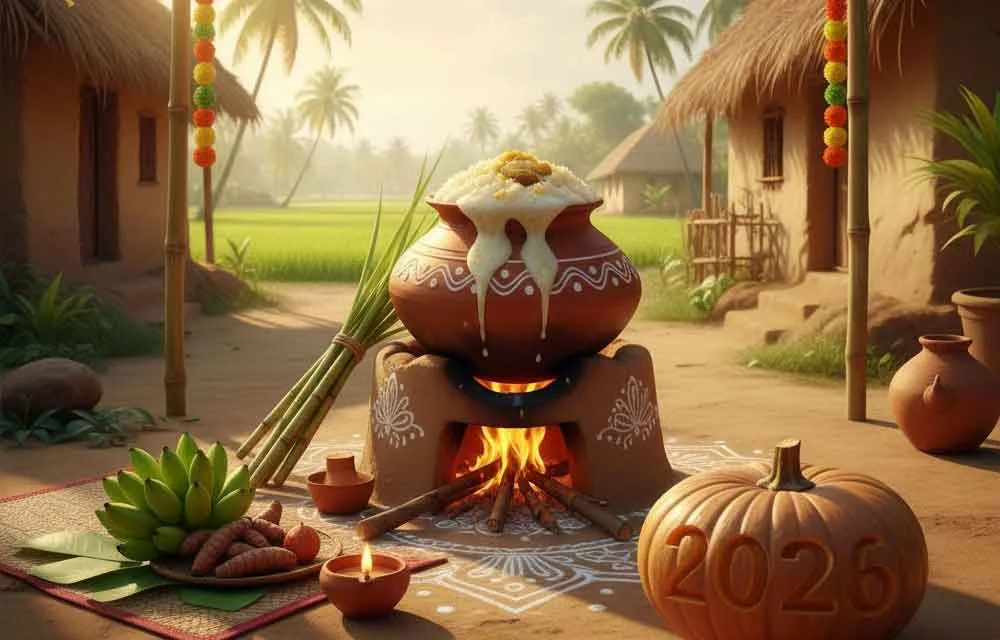
Makara Sankranti: The Divine Harvest Festival Sacred to Kannada Hearts
Makara Sankranti: The Divine Harvest Festival Sacred to Kannada Hearts Introduction: Karnataka's Most Beloved Celebration Makara Sankranti, known as "Makar…
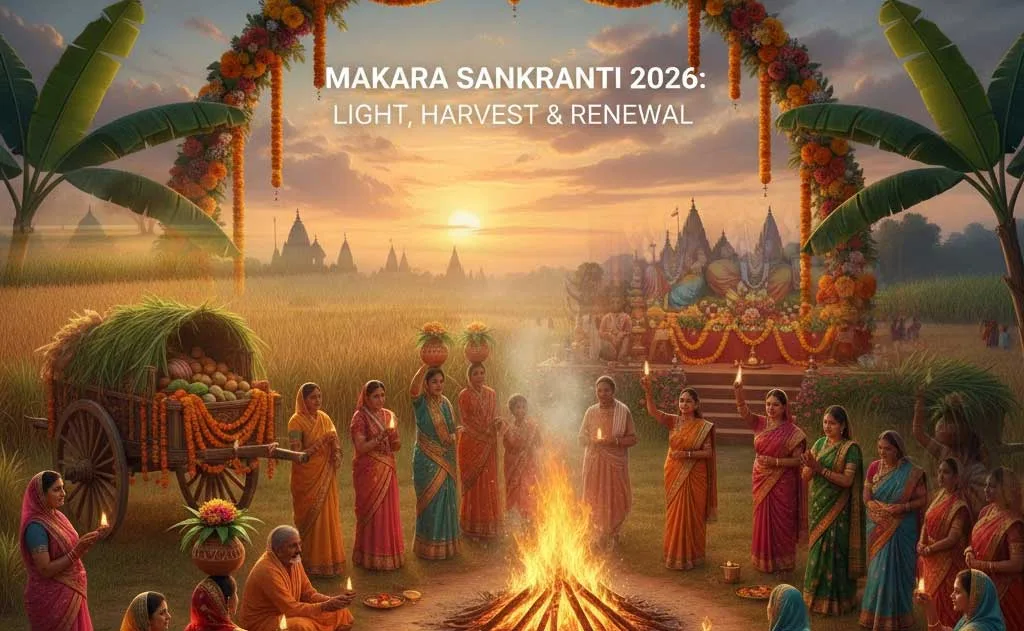
Makara Sankranti: The Divine Harvest Festival Sacred to Kannada Hearts
Introduction: Karnataka's Most Beloved Celebration
Makara Sankranti, known as "Makar Sankramana" or simply "Sankranti" in Karnataka, represents the soul of Kannada culture and agricultural prosperity. This auspicious festival, celebrated with unmatched devotion across Karnataka, marks the Sun God's celestial transition into Makara Rashi (Capricorn) and the beginning of the harvest season. For Kannada people, Sankranti is not merely a festival but a sacred tradition that weaves together devotion, agricultural thanksgiving, cultural pride, and timeless spiritual wisdom.
The Spiritual Foundation of Makara Sankranti in Karnataka
Surya Deva: The Divine Illuminator
Makara Sankranti celebrates Surya Bhagavan (the Sun God), whom Kannada spiritual texts revere as "Aditya" - the supreme cosmic force. The festival marks the beginning of Uttarayana, the Sun's auspicious northward journey, considered highly favorable for spiritual practices and divine blessings.
The ancient Kannada scripture Kavirajamarga and works of revered poets like Pampa and Ranna describe this period as spiritually potent. The transition represents the victory of light over darkness, knowledge over ignorance, and dharma over adharma.
Connection to Karnataka's Spiritual Heritage
Sankranti embodies the essence of Dvaita and Advaita philosophies that flourished in Karnataka under saints like Madhvacharya, Basavanna, and Kanakadasa. The festival reflects the principle of "Kayakave Kailasa" (Work is worship) - a core teaching of the Veerashaiva tradition.
The Sacred Sankranti Celebration in Karnataka
Pre-Sankranti Rituals: Preparing for Divine Blessings
Days before Sankranti, Kannada households begin spiritual preparations:
House Cleansing:
- Thorough cleaning symbolizing removal of negativity
- Painting and decorating doorways with mango leaves
- Creating fresh Rangoli (Kolam) with rice flour and colored powders
- Installing sugarcane decorations at entrance
Spiritual Readiness:
- Fasting on the eve of Sankranti
- Reciting Surya Ashtottara Shatanamavali (108 names of Sun God)
- Visiting temples for special darshan
Sankranti Day: The Sacred Dawn Ceremony
The festival day begins in the Brahma Muhurta (pre-dawn auspicious hour) with sacred rituals:
1. Ganga Snaana (Holy Bath): Devotees wake before sunrise for ritualistic bathing, preferably in holy rivers like Tunga, Bhadra, Kaveri, or Krishna. Those unable to reach rivers add Ganga Jal (holy water) and sesame seeds to their bath water.
The prayer during bath: "Gange cha Yamune chaiva, Godavari Saraswati Narmade Sindhu Kaveri, Jalesmin Sannidhim Kuru" (O sacred rivers, be present in this water)
2. Surya Puja (Sun Worship): Facing east, devotees perform Surya Namaskar and offer:
- Arghya (water offering) with copper vessel
- Red flowers (hibiscus or rose)
- Akshata (rice mixed with turmeric and kumkum)
- Incense and lamp
The Sankranti Mantra: "Om Suryaya Namaha, Makarasankramana Devatayai Namaha Uttarayana Punyadinake Vandane, Nimma Krupeyinda Sarva Sowbhagya Sampannaru Aagali" (O Sun God, O deity of Makara Sankramana, salutations on this auspicious Uttarayana day, by your grace may we be blessed with all prosperity)
3. Ellu-Bella Exchange: The Sweetness of Unity The most distinctive Karnataka tradition is the exchange of Ellu-Bella (sesame and jaggery mixture) with the greeting:
"Ellu Birudu, Bella Birudu, Ogadu Ogadu, Illi Huvilla, Banni Kushi Irli!"
Translation: "Take sesame and jaggery mixture, may good things happen, may evils disappear, may you be filled with happiness!"
This sacred mixture contains:
- Ellu (Sesame seeds): Strength and purity
- Bella (Jaggery): Sweetness in relationships
- Kadale Kaalu (Roasted groundnuts): Energy
- Thenginkai (Dry coconut pieces): Prosperity
- Karibevu (Curry leaves): Health
- Shenga (Groundnut): Abundance
Spiritual Symbolism: The mixture represents life's blend of sweet and bitter experiences, teaching acceptance and balance.
Special Sankranti Offerings and Foods
1. Ellu-Bella Mixture: Prepared with devotion, first offered to deities, then distributed to family, neighbors, and community members regardless of social status.
2. Holige (Sweet Flatbread): Also called Obbattu or Puran Poli, this sacred offering contains:
- Fine wheat flour for the outer covering
- Toor dal and jaggery filling with cardamom
- Ghee for cooking and serving
Prepared with the prayer: "Anna Purneshwari, accept this humble offering"
3. Yellu Unde (Sesame Balls): Round balls made from sesame seeds, jaggery, and roasted peanuts, representing wholeness and unity.
4. Sugarcane and Harvest Produce: Fresh sugarcane, newly harvested crops, and seasonal vegetables offered to deities, acknowledging nature's bounty.
Regional Variations Across Karnataka
North Karnataka Celebrations
Dharwad and Belgaum Districts:
- Grand Jolada Rotti (jowar flatbread) feast
- Traditional Ganjappa card games
- Sankranti Habba (fair) with folk performances
Bijapur and Gulbarga Regions:
- Elaborate cattle decoration ceremonies
- Kabbadi and traditional sports competitions
- Lavani and folk dance performances
South Karnataka Traditions
Mysore and Mandya:
- Royal heritage celebrations at Mysore Palace
- Kaveri Sankramana - holy dips in Kaveri River at Srirangapatna
- Traditional Gobbe Aata (doll worship)
- Classical music concerts
Bangalore and Urban Centers:
- Community Sankranti celebrations in apartments
- Cultural programs showcasing Karnataka traditions
- Charity drives for farmers and rural communities
Coastal Karnataka (Karavali)
Mangaluru, Udupi, and Uttara Kannada:
- Special Tulu traditions and rituals
- Aati Kalenja (deity worship) processions
- Temple festivals at famous shrines
- Unique coastal delicacies like Payasa (kheer)
Why Sankranti is Sacred to Kannada Identity
Agricultural Heritage and Farmer's Thanksgiving
Karnataka's fertile lands yield abundant harvests of sugarcane, rice, ragi, jowar, and turmeric during this season. Sankranti represents:
- Gratitude to Bhoomi Devi (Mother Earth) for nourishment
- Honoring Farmers: Recognizing their tireless labor
- Celebrating Abundance: Sharing prosperity with community
- Sustainable Agriculture: Traditional farming wisdom
The Kannada saying goes: "Sankrantiya Belaku, Kshemakke HeLaku" (Sankranti's light is the path to well-being)
Cultural Pride and Kannada Literature
Karnataka's literary giants have immortalized Sankranti in their works:
Kuvempu's writings celebrate the festival's connection to nature D. R. Bendre's poetry captures rural Karnataka's Sankranti spirit Folk literature preserves ancient Sankranti songs and traditions
Social Harmony and Equality
Sankranti embodies the Vachana tradition's teaching of equality. Basavanna's principle of "Kayakave Kailasa" manifests in:
- Rich and poor exchanging Ellu-Bella equally
- Breaking caste barriers through shared celebrations
- Collective worship transcending social divisions
The Vachana says: "Kayakada Hinde Kailasa Illa, Illa Endhanu Maanavane" (Without righteous work, there is no heaven, O human)
The Spiritual Significance of Sankranti Elements
Sesame Seeds (Ellu): Divine Purification
In Kannada spiritual tradition, sesame seeds hold sacred importance:
- Purifies body and soul: Consuming sesame generates inner warmth
- Pleases ancestors: Tila Tarpana (sesame offering) honors forefathers
- Symbolizes immortality: Seeds represent continuity of life
- Black sesame: Removes negative energies
Scriptural Reference: "Tilam Pratigrahitagm Bhukta Daanena Cha Shobhate" (Sesame received, consumed, and donated brings auspiciousness)
Jaggery (Bella): Sweetness in Relationships
Jaggery represents:
- Natural sweetness without bitterness
- Health and vitality during winter
- Prosperity and abundance
- Speaking sweet words throughout the year
Sugarcane: The Symbol of Strength
Fresh sugarcane stalks displayed at homes signify:
- Sweetness of successful harvest
- Strength and resilience
- Auspicious beginnings
- Lord Ganesha's favorite offering
Sacred Rituals and Customs
1. Makara Vilakku (Lamp Lighting)
Special lamps lit in homes and temples:
- Using sesame oil for purity
- Five-wick lamps representing five elements
- Offered to Surya Deva at sunrise
- Symbolizes dispelling darkness of ignorance
2. Gopuja and Hesaru Katte (Cattle Worship)
Karnataka farmers perform elaborate cattle worship:
- Bathing bulls and cows with turmeric water
- Decorating with flower garlands and kumkum
- Painting horns with vibrant colors
- Conducting Kambala (buffalo race) in coastal regions
- Offering special feed with jaggery and rice
Prayer to cattle: "Gomatha, Nandikeshwara, Ninna Krupeyinda Krishi Sampanne, Jagattu Sampanne" (O Divine Cow, O Nandi, by your grace, may agriculture prosper, may the world prosper)
3. Kite Flying (Gudi Mela)
Traditional kite flying carries spiritual meaning:
- Colorful kites symbolize soaring spirits
- Flying near temples and open fields
- Community bonding through competitions
- Teaching children about wind, balance, and patience
4. Visiting Temples
Major Karnataka temples witness massive crowds:
- Dharmasthala: Special rituals and Anna Daana
- Kukke Subramanya: Sarpa Samskara ceremonies
- Melukote: Grand Vairamudi festival
- Horanadu: Annapurneshwari temple celebrations
- Gokarna: Mahabaleshwara temple rituals
The Philosophy of Sharing: Dana Dharma
Sankranti emphasizes charitable giving:
Traditional Forms of Dana:
- Anna Daana: Feeding the poor and hungry
- Vastra Daana: Gifting new clothes
- Tila Daana: Donating sesame seeds
- Go Daana: Gifting or supporting cattle welfare
- Bhumi Daana: Respecting and protecting agricultural land
The spiritual teaching: "Daanena Punyam Prathi Paadyate" (Through giving, one attains divine merit)
Sankranti in Kannada Folk Culture
Traditional Songs (Janapada Geethegalu)
Folk songs celebrating Sankranti:
"Sankrantiya bella habba banthide Ellu bella thinno, khushiyannu nodoNa Suryana vandisu, anna purnege dasohanamma"
(The sweet festival of Sankranti has arrived, Eat sesame and jaggery mixture, feel happiness, Salute the Sun, offer reverence to Goddess Annapurna)
Village Celebrations (Oorina Habba)
Traditional village festivities include:
- Dollu Kunitha: Drum dance performances
- Veeragase: Devotional warrior dance
- Kolata: Stick dance by women
- Gorava: Worship of local deities
- Huttari: Kodava harvest festival coinciding with Sankranti
The Environmental and Ecological Wisdom
Sustainable Practices
Traditional Sankranti customs embody environmental consciousness:
Organic Materials:
- Natural dyes for rangoli (turmeric, kumkum)
- Biodegradable decorations (mango leaves, sugarcane)
- Clay pots and traditional cooking methods
- Locally sourced seasonal foods
Agricultural Wisdom:
- Crop rotation understanding
- Soil fertility maintenance
- Water conservation during harvest
- Seed preservation traditions
Modern Eco-Friendly Initiatives
Contemporary Karnataka families embrace:
- Organic Ellu-Bella ingredients
- Solar cookers for traditional cooking
- Community composting programs
- Supporting local farmers' cooperatives
Sankranti Mantras and Prayers
Morning Surya Mantra
"Om Jaba Kusuma Sankasham Kashyapeyam Mahadyutim Tamorim Sarva Papa Ghnam Pranatosmi Divakaram"
(I bow to the Sun God who shines like a hibiscus flower, son of Kashyapa, of great brilliance, destroyer of darkness and all sins)
Sankranti Specific Prayer
"Makara Sankramanaramba, Uttarayana Punyakala Surya Devanu Vandisu, Krupa Drishti Ettisikoli"
(As Makara Sankramana begins, in this auspicious Uttarayana period, I worship Sun God, please shower your graceful glance)
Family Blessing
"Sankrantiya Shubhaashaya, Sarva Aiswarya Sampannavaagi Dhanya Dhaanya Samruddhi, Arogya Soukhyavaagirabeku"
(With Sankranti blessings, may all be prosperous, filled with grains and wealth, healthy and happy)
Contemporary Relevance in Modern Karnataka
Urban Adaptations
Modern Kannada families preserve traditions through:
- Apartment community Sankranti celebrations
- Online Ellu-Bella distribution to distant relatives
- Virtual puja participation for diaspora
- Social media campaigns promoting Kannada culture
Youth Engagement
Connecting younger generations:
- Schools organizing Sankranti cultural programs
- Kannada language workshops during festival
- Traditional cooking competitions
- Heritage documentation projects
Diaspora Celebrations
Kannadigas worldwide celebrate through:
- Kannada Sanghas organizing community events
- Cultural associations in USA, UK, Australia, Middle East
- Virtual connections with Karnataka relatives
- Teaching children about their roots
Sankranti's Message for Humanity
Universal Teachings
Sankranti teaches eternal wisdom:
- Gratitude: Acknowledge nature's abundance
- Equality: Share joy across social boundaries
- Sustainability: Live in harmony with environment
- Community: Celebrate together as one family
- Renewal: Embrace fresh beginnings with optimism
The Kannada Way of Life
The festival embodies "Kannada Nudi, Kannada Nadu, Kannada Jaati" (Kannada language, Karnataka land, Kannada people) - the pride of cultural identity while embracing universal values.
Basavanna's teaching resonates: "Kayakavanu Madalu, Hesaralle Bellada Deepa" (Work with devotion, not just for name, like a lamp of jaggery - giving sweetness)
Conclusion: A Festival That Illuminates Kannada Pride
For Kannada people, Makara Sankranti is the heartbeat of cultural identity - connecting ancient Chalukya and Hoysala heritage to modern Karnataka, rural paddy fields to Bangalore's tech corridors, and Kannada communities worldwide to their beloved motherland.
As the Ellu-Bella passes from hand to hand with loving greetings, it carries more than sesame and jaggery - it carries centuries of wisdom, the warmth of community, the sweetness of shared joy, and the light of Surya Bhagavan illuminating every Kannada heart.
When we say "Ellu Birudu, Bella Birudu", we're not just exchanging food - we're exchanging blessings, erasing differences, and reaffirming our commitment to living with sweetness, sharing abundance, and celebrating the divine in every harvest, every sunrise, every relationship.
May Surya Deva's golden rays bless every Kannada home with prosperity, health, and happiness. May the sweetness of Bella and the strength of Ellu guide us through the year.
Sankranti Habbada Shubhaashayagalu! (Happy Sankranti Festival!)
🌸 For More Devotional Journey, Follow
- Temples
/temples/ - Tirumala Updates
/tirumala/ - Sabarimala Yatra
/category/sabarimala-yatra/ - Pooja, Slokas & Mantras
/pooja-slokas-and-mantras/ - Hindu Gods
/hindu-gods/
Frequently Asked Questions
Q: Why is the Ellu-Bella exchange unique to Karnataka? A: The Ellu-Bella tradition embodies the Vachana philosophy of equality and sharing. The mixture's six ingredients represent life's completeness, and exchanging it breaks social barriers, making it Karnataka's most distinctive Sankranti custom.
Q: What is the spiritual significance of taking holy bath on Sankranti morning? A: The Ganga Snaana during Uttarayana is believed to cleanse sins, purify the soul, and invoke divine blessings. Bathing in holy rivers or water mixed with sesame and Ganga Jal is considered equivalent to spiritual rebirth.
Q: How do Karnataka farmers celebrate cattle during Sankranti? A: Gopuja (cattle worship) involves bathing, decorating, and worshipping bulls and cows as sacred beings. Farmers conduct Kambala (coastal buffalo races) and offer special prayers to Gomatha and Nandi, recognizing cattle as divine partners in agriculture.
Q: Why is Sankranti considered the beginning of auspicious period? A: Uttarayana, beginning with Makara Sankranti, is considered the day-time of gods. This six-month period is ideal for spiritual practices, auspicious ceremonies, and seeking divine blessings as the Sun travels northward.
Q: How do Kannada people worldwide celebrate Sankranti? A: The Kannada diaspora celebrates through cultural associations, community gatherings, traditional cooking, virtual pujas, and Ellu-Bella exchanges, preserving their heritage and teaching children about Karnataka's rich traditions.
For more devotional content and authentic Karnataka cultural celebrations, visit www.hindutone.com - Your sacred source for Kannada spiritual traditions and Hindu wisdom.
Share this with family and friends
Send it on WhatsApp, post it, or copy the link.
You might also like
Makaravilakku and Makara Sankranti: The Divine Harvest Festival Sacred to Malayalam Hearts

Pongal 2026: Complete Guide for Hindu Cambodians

Makara Sankranti 2026 in Australia: Date, Puja Timings, Rituals & Spiritual Importance for Hindu Families Down Under