


Pongal: The Divine Harvest Festival Sacred to Tamil Hearts
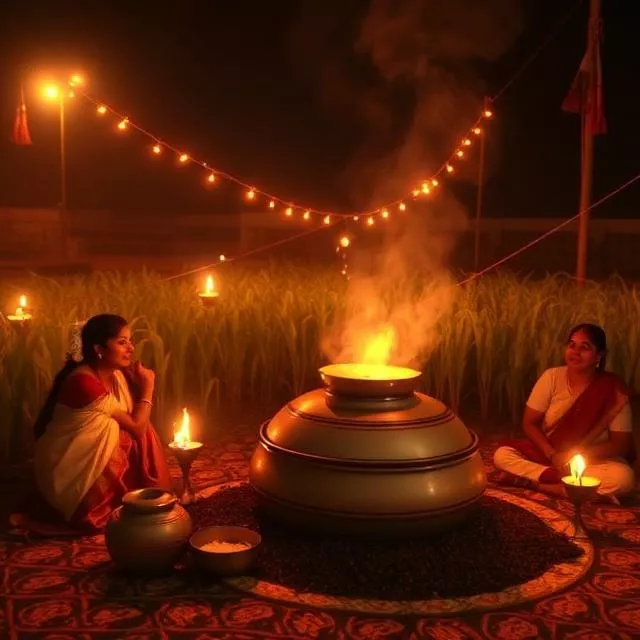
Pongal: The Divine Harvest Festival Sacred to Tamil Hearts
Introduction: Tamil Nadu’s Most Cherished Celebration
Pongal, derived from the Tamil word meaning “to boil over,” represents the soul of Tamil culture and spirituality. This four-day harvest festival, celebrated as Tamil New Year follows the winter solstice, is the most important celebration for Tamil people worldwide. More than just a thanksgiving for abundant harvest, Pongal embodies the Tamil civilization’s ancient wisdom, agricultural heritage, and devotion to the cosmic forces that sustain life.
The Spiritual Foundation of Pongal
Honoring Surya Bhagavan: The Life-Giving Deity
Pongal primarily celebrates Surya Deva (the Sun God), whom Tamil scriptures revere as the ultimate source of energy and life. The festival coincides with the Sun’s transition into Makara Rashi (Capricorn) and the beginning of Uttarayana – the auspicious northward journey of the Sun.
Ancient Tamil texts from the Sangam period (300 BCE – 300 CE) describe this celebration as “Thai Niradal” and “Thai Pongal,” acknowledging the month of Thai as bringing prosperity. The Tamil saying goes: “Thai Pirandhal Vazhi Pirakkum” (The birth of the month Thai will pave the way for new opportunities).
Connection to Tamil Spirituality and Philosophy
Pongal reflects the Saivite and Vaishnavite traditions deeply rooted in Tamil culture. The festival embodies the principle of “Yadhum Oore Yaavarum Kelir” (Every place is our home, everyone is our kin) – emphasizing universal brotherhood and gratitude to all beings.
The Sacred Four-Day Pongal Celebration
Day 1: Bhogi Pongal – The Day of Divine Cleansing
Bhogi Pongal, dedicated to Lord Indra (the rain god), marks the beginning of spiritual renewal. Tamil families wake before dawn to light the Bhogi Mantai (sacred bonfire), burning old belongings and negative energies.
Sacred Rituals:
- Lighting the Bhogi fire with prayers: “Indra Devaya Namaha, shower your divine blessings upon us”
- Discarding old items symbolizing letting go of the past
- Decorating homes with fresh Kolam (rangoli) using rice flour
- Preparing homes for the arrival of divine blessings
The ritual signifies: “Pazhayathai Erinthuvidu, Puthiyathai Thodanguvom” (Burn the old, begin the new).
Day 2: Thai Pongal – The Main Festival of Gratitude
Thai Pongal is the most sacred day, dedicated entirely to Surya Bhagavan. This day centers around the ritualistic preparation of Sakkarai Pongal (sweet rice dish) in new earthen pots, offered to the Sun God.
The Sacred Pongal Ritual:
At sunrise, Tamil families gather in courtyards or open spaces, facing east toward the rising sun. The ritual follows these divine steps:
- Kolam Creation: Elaborate designs with rice flour, colored powders, and flowers
- Boiling the Pongal: Cooking rice, moong dal, milk, jaggery, and ghee in a new clay pot
- The Divine Overflow: As the Pongal boils over, the family chants “Pongalo Pongal!” three times, symbolizing abundance and prosperity
- Surya Namaskar: Offering prayers to the rising sun with folded hands
The Traditional Prayer: “Suryaya Namaha, Suryaya Namaha, Suryaya Namaha We offer this sacred food prepared with devotion Bless us with health, wealth, and wisdom Remove darkness from our lives and illuminate our path”
The Pongal is first offered to Surya on a banana leaf with sugarcane, turmeric plant, and betel leaves, then shared as prasadam.
Day 3: Mattu Pongal – Honoring Sacred Cattle
Mattu Pongal celebrates cattle, particularly bulls and cows, considered sacred in Tamil tradition. This day honors Nandi, Lord Shiva’s divine vehicle, and acknowledges the cattle’s invaluable contribution to agriculture.
Ritual Observances:
- Bathing cattle with turmeric water
- Decorating horns with paint and flowers
- Adorning necks with garlands and bells
- Applying kumkum and sacred ash
- Feeding them special Pongal and sugarcane
- Conducting Jallikattu (traditional bull sport) in some regions
Farmers pray: “Gomatha, Nandikeshwara, bless our lands with fertility and abundance.”
The Tamil reverence for cattle stems from the Vedic principle: “Go Maata, Bhu Maata” (The cow is our mother, the Earth is our mother).
Day 4: Kaanum Pongal – The Day of Family Unity
Kaanum Pongal (Kaanum means “to view”) is dedicated to family bonding and social harmony. Tamil families visit relatives, elders seek blessings from temples, and communities gather for celebrations.
Traditional Activities:
- Kanni Pidi: Young women place colored rice balls for birds, praying for family prosperity
- Beach and temple visits
- Community feasts and cultural programs
- Kumbabishekam: Temple consecration ceremonies
- Pongal Paanai breaking ceremony in some regions
Why Pongal is Sacred to Tamil Identity
Ancient Tamil Agricultural Heritage
Pongal’s roots extend to the Sangam era, making it over 2,000 years old. Ancient Tamil literature mentions harvest celebrations dedicated to the Sun and nature deities. The festival represents:
- Gratitude to Nature: Acknowledging the five elements (earth, water, fire, air, ether)
- Agricultural Prosperity: Celebrating successful harvest of paddy, sugarcane, and turmeric
- Cosmic Harmony: Aligning human life with celestial movements
Cultural Identity and Tamil Pride
For Tamil people worldwide, Pongal transcends religious boundaries, uniting:
- Language Pride: Celebrated by Tamils regardless of religion
- Classical Tradition: Connected to Thiruvalluvar’s teachings in Thirukkural
- Diaspora Connection: Observed globally, connecting Tamil communities
- Heritage Preservation: Passing traditions through generations
Spiritual Philosophy of Abundance
Tamil philosophy teaches “Vazhndhiduga Vaiyyagam” (May the world prosper). Pongal embodies this universal blessing through:
- Sharing food with all beings (humans, animals, birds)
- Feeding the poor and needy
- Decorating streets for collective joy
- Celebrating nature’s bounty together
Traditional Pongal Delicacies: Sacred Culinary Offerings
Sakkarai Pongal: The Divine Sweet Offering
Ingredients and Symbolism:
- Rice: Prosperity and sustenance (Goddess Lakshmi’s blessing)
- Moong Dal: Protein and strength
- Jaggery: Natural sweetness representing life’s joys
- Ghee: Purity and divine essence
- Cardamom, Cashews, Raisins: Enrichment and abundance
Preparation as Worship: The cooking itself is a meditation. Tamil women prepare Pongal with ritualistic cleanliness, considering it a direct offering to the divine. The overflow signifies: “Ullagam Vaazha, Nam Kudumbam Vaazha” (May the world prosper, may our family prosper).
Other Sacred Foods
Ven Pongal: Savory rice dish with pepper, cumin, and cashews Vadai: Crispy lentil fritters symbolizing the sun’s round shape Payasam: Sweet milk pudding offered to deities Sugarcane: Consumed throughout, symbolizing sweetness in life Murukku: Spiral snacks representing the cyclical nature of time
The Kolam: Sacred Geometry and Divine Invitation
Tamil households create elaborate Kolam designs during Pongal, a practice rooted in spiritual significance:
Spiritual Meaning:
- Invites Goddess Lakshmi into the home
- Represents cosmic order and mathematical precision
- Feeds ants and small creatures (fulfilling Ahimsa – non-violence)
- Symbolizes impermanence (washed away daily, recreated fresh)
Traditional designs include:
- Lotus patterns: Divine beauty and purity
- Peacock designs: Lord Murugan’s vahana (vehicle)
- Geometric mandalas: Cosmic consciousness
- Rangoli with Pongal pots: Festival-specific motifs
Regional Pongal Variations Across Tamil Regions
Tamil Nadu Celebrations
Madurai and Southern Districts: Grand temple celebrations at Meenakshi Amman Temple, traditional Jallikattu events
Chennai and Northern Tamil Nadu: Beach gatherings at Marina Beach, community Pongal competitions
Kongu Region: Special emphasis on cattle decorations and rural traditions
Cauvery Delta: Water management rituals honoring river goddess Kaveri
Tamil Diaspora Worldwide
Sri Lankan Tamils: Celebrate as Thai Pongal with special prayers to war victims Malaysian/Singaporean Tamils: Community temple gatherings with cultural performances Western Tamil Communities: Weekend celebrations preserving traditions for younger generations
The Deeper Philosophy: Cosmic Connection and Gratitude
The Five Elements (Pancha Bhutam) in Pongal
Tamil wisdom recognizes Pongal as honoring the five elements:
- Prithvi (Earth): Grows the crops – honored through Kolam
- Jal (Water): Nourishes life – sacred bathing rituals
- Agni (Fire): Cooks the Pongal – sacred hearth worship
- Vayu (Air): Enables growth – flying kites
- Akasha (Ether): Cosmic space – prayers to the Sun in the sky
Thiruvalluvar’s Wisdom in Pongal
The great Tamil saint Thiruvalluvar emphasized gratitude and righteousness. Pongal reflects his teachings:
“Uzhuvadhu Uzhavarkkum Porulal Adhanaal Uzhuvadhu Uzhavarkkum Thozhil” (Agriculture is the most noble profession as it sustains all of humanity)
The Principle of Dana (Giving)
Pongal emphasizes “Irai Vananguvom, Eekai Maravom” (We worship God, we won’t forget to give). Every household practices:
- Anna Daanam: Feeding the poor
- Vastra Daanam: Gifting new clothes
- Go Daanam: Caring for cattle
- Bhumi Daanam: Respecting the Earth
Environmental and Ecological Wisdom
Sustainable Celebration Practices
Traditional Tamil Pongal practices embody environmental consciousness:
- Using clay pots that return to earth
- Turmeric plant offerings with antimicrobial properties
- Sugarcane stalks as natural decorations
- Organic jaggery supporting traditional farming
- Biodegradable Kolam materials feeding wildlife
Modern Eco-Friendly Initiatives
Contemporary Tamil families embrace:
- Solar cookers for Pongal preparation
- Natural dyes for cattle decoration
- Community composting of festival waste
- Supporting organic farmers’ markets
Pongal Prayers and Mantras
Traditional Tamil Prayer
“Velli Kinaru Thaandi Varum Suriyan Anaithu Uyirkalukkum Arulum Theivam Un Arul Engal Meethu Pongattum Engal Vazhkaiyil Oli Tharuvai”
(O Sun crossing the silver well [horizon], Divine force that blesses all living beings, May your grace overflow upon us, Grant light to our lives)
Surya Mantram
“Om Suryaya Namaha Om Bhaskaraya Namaha Om Aditya Namaha”
Chanted 108 times during sunrise on Thai Pongal.
Contemporary Relevance: Pongal in Modern Times
Preserving Tradition in Urban Settings
Urban Tamil families adapt traditions:
- Apartment balcony Pongal cooking
- Community hall collective celebrations
- Virtual Pongal greetings connecting diaspora
- Social media documentation preserving practices
Pongal as Cultural Education
For Tamil youth:
- Learning Tamil language through Pongal songs
- Understanding agricultural heritage
- Connecting with ancestral roots
- Developing cultural pride
Social Harmony and Secular Celebration
Pongal’s beauty lies in its secular nature – celebrated by Tamils of all faiths:
- Hindu, Christian, and Muslim Tamils participate
- Emphasizes Tamil cultural identity over religious division
- Promotes social cohesion and shared heritage
The Message of Pongal for Humanity
Pongal teaches eternal truths relevant to all:
- Gratitude: Acknowledge the sources of our sustenance
- Harmony: Live in balance with nature
- Generosity: Share abundance with all beings
- Renewal: Embrace fresh beginnings
- Unity: Celebrate together transcending differences
The festival whispers the ancient Tamil wisdom: “Yaathum Oore, Yaavarum Kelir” – recognizing the interconnectedness of all existence.
Conclusion: A Festival That Illuminates Tamil Soul
For Tamil people, Pongal is not merely a harvest festival but the very essence of Tamil civilization’s spiritual and cultural identity. As the Pongal pot overflows with abundance, so do Tamil hearts with gratitude, joy, and devotion. The festival connects the ancient Sangam era to the present, the rural paddy fields to urban apartments, and Tamil communities across continents to their shared heritage.
When Tamils across the world chant “Pongalo Pongal!” they aren’t just celebrating rice boiling over – they’re invoking the eternal overflow of cosmic blessings, agricultural prosperity, and cultural continuity.
May Surya Bhagavan’s divine light illuminate every Tamil home, and may the sweetness of Pongal fill every heart with peace and prosperity.
Pongal Nalvazhthukkal! (Happy Pongal!)
Frequently Asked Questions
Q: Why is Pongal considered more than just a harvest festival for Tamils? A: Pongal represents Tamil cultural identity, connecting language, agricultural heritage, ancient traditions, and spiritual values across over 2,000 years of Tamil civilization.
Q: What is the spiritual significance of the Pongal overflowing? A: The overflow symbolizes abundance, prosperity, and divine blessings spilling into life. It represents the principle that when offerings are made with devotion, divine grace overflows.
Q: Why is cattle worship important during Mattu Pongal? A: Cattle, especially bulls and cows, are considered sacred partners in agriculture. They symbolize Lord Shiva’s Nandi and represent the divine force enabling food production.
Q: How do Tamil people celebrate Pongal outside Tamil Nadu? A: Tamil diaspora communities worldwide organize temple gatherings, cultural programs, traditional cooking competitions, and community feasts to preserve and pass on traditions.
Q: What makes Pongal unique compared to other Indian harvest festivals? A: Pongal’s uniqueness lies in its secular nature transcending religious boundaries, its 2,000+ year history, its emphasis on Tamil language and culture, and its four-day comprehensive celebration honoring Sun, cattle, nature, and family.
For more devotional content and authentic Hindu festival celebrations, visit www.hindutone.com – Your trusted source for Tamil spiritual traditions and cultural wisdom.
Related posts:
 The Ultimate Ganesh Songs Playlist for Your Mandapam
 Telugu Calendar December 2025 – Complete Panchangam, Festivals & Fasting Dates
 Vaikuntha Ekadashi 2025 USA: Full Guide to Fasting, Pooja, Vrat Katha & Devotion
 Vaikunta Ekadashi 2025 in Detroit: Temples, Events & Devotee Guide
 Pushya Masam 2026 Pournami in Europe: Complete Guide for Hindu Devotees
 Makar Sankranti 2026 Date & Puja Muhurat – Complete Guide


 ︎
︎

