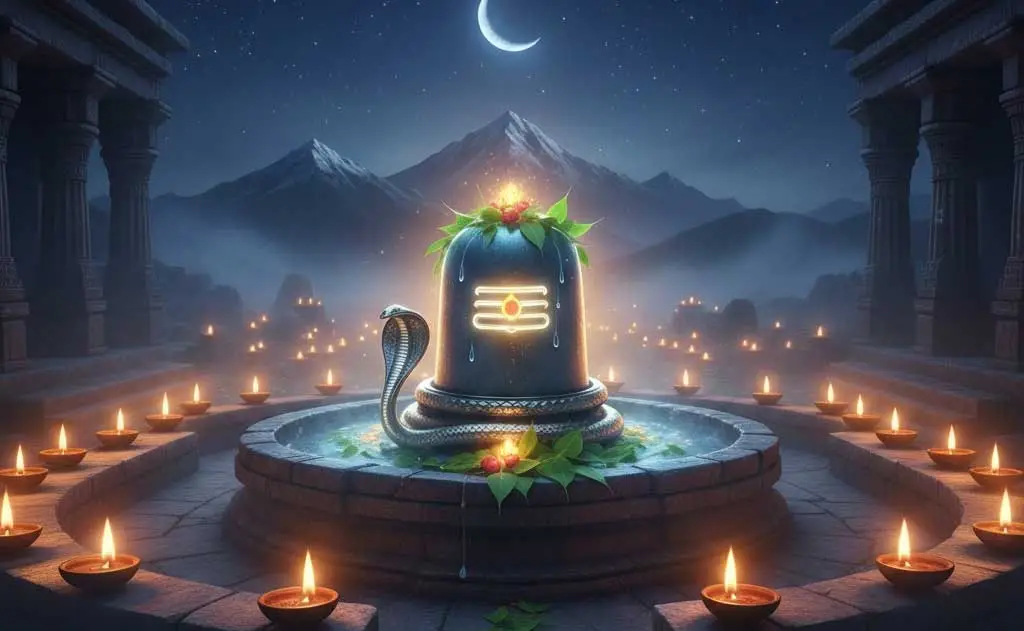
Why Vaikuntha Ekadashi Is the Most Powerful Ekadashi in Hinduism
Why Vaikuntha Ekadashi Is the Most Powerful Ekadashi in Hinduism Among the 24 Ekadashis observed throughout the Hindu calendar year, Vaikuntha Ekadashi stands…

Why Vaikuntha Ekadashi Is the Most Powerful Ekadashi in Hinduism Among the 24 Ekadashis observed throughout the Hindu calendar year, Vaikuntha Ekadashi stands…
Update (October 2026): Vaikuntha Ekadashi 2026 falls on Sunday, 20 December (Saturday, 19 December for Smarta households in the USA and Canada). This article describes an earlier observance — for current dates and guidance, see our Vaikuntha Ekadashi 2026 guide.
Why Vaikuntha Ekadashi Is the Most Powerful Ekadashi in Hinduism
Among the 24 Ekadashis observed throughout the Hindu calendar year, Vaikuntha Ekadashi stands apart as the most spiritually significant. For younger Hindus growing up in the United States, understanding why this particular day holds such importance can deepen your connection to your heritage and spiritual practice.
What Makes Vaikuntha Ekadashi Special?
Vaikuntha Ekadashi falls during the bright fortnight (Shukla Paksha) of the Hindu month of Margashirsha (December-January). Unlike other Ekadashis, this day is believed to open the direct gateway to Vaikuntha, the eternal abode of Lord Vishnu. The word "Vaikuntha" literally means "the place with no anxiety," representing the ultimate spiritual realm free from suffering and rebirth.
This Ekadashi is sometimes called "Mukkoti Ekadashi" in South India, meaning the Ekadashi that grants the merit of millions. The belief is that observing this fast carries exponentially greater spiritual benefits than regular Ekadashi observances.
The Significance of Vaikuntha Dwaram
The concept of Vaikuntha Dwaram, or the "Gates of Vaikuntha," is central to understanding why this Ekadashi is considered so powerful. According to Hindu belief, on this sacred day, the northern gate of Lord Vishnu's celestial home opens, allowing devoted souls direct access to the divine realm.
In many Vishnu temples across India and the diaspora, a special gate or archway is opened only on Vaikuntha Ekadashi. Devotees pass through this symbolic doorway, representing their spiritual passage from the material world toward liberation. The physical act of walking through the Vaikuntha Dwaram becomes a powerful metaphor for the soul's journey toward moksha.
Temple celebrations on this day are particularly grand, with the deity adorned in special decorations and processions held throughout the day and night. The experience of passing through the Vaikuntha Dwaram is considered a once-in-a-year blessing that purifies the devotee and brings them closer to divine grace.
Regular Ekadashi vs Vaikuntha Ekadashi: Understanding the Difference
While all 24 Ekadashis in the Hindu calendar are considered auspicious for spiritual practice, Vaikuntha Ekadashi is regarded as the supreme among them. Here's what sets it apart:
Regular Ekadashi occurs twice a month and is dedicated to Lord Vishnu. Devotees typically fast, avoid grains and certain foods, engage in prayer, and spend time in meditation or reading scriptures. These observances help develop self-discipline, cleanse the body and mind, and deepen one's spiritual awareness. Each Ekadashi has its own story and specific benefits, from removing sins to granting prosperity.
Vaikuntha Ekadashi, however, is believed to be the day when spiritual efforts yield maximum results. The gates of Vaikuntha are said to remain open only on this day, making it the most opportune time for souls to attain liberation. According to tradition, Lord Vishnu himself is more accessible on this day, and prayers offered with devotion are answered directly.
The fasting on Vaikuntha Ekadashi is observed with greater strictness by many devotees. Some undertake a complete fast without even water, while others consume only fruits and milk. The night is often spent in continuous devotion through bhajans, kirtans, and recitation of Vishnu Sahasranama (the thousand names of Vishnu).
Moksha: The Ultimate Goal Explained Simply
For many young Hindus navigating modern life, the concept of moksha can seem abstract or distant. Simply put, moksha means liberation from the cycle of birth, death, and rebirth (samsara). It's the soul's return to its pure, original state of consciousness and unity with the divine.
Think of it this way: Hindu philosophy teaches that our souls undergo countless lifetimes, accumulating karma through our actions. This cycle continues until we achieve spiritual realization and break free. Moksha isn't about going to a physical heaven after death; it's about transcending the very need for physical existence and experiencing eternal peace and bliss.
Vaikuntha represents this state of moksha in its most beautiful form. Unlike the formless, attribute-less liberation described in some Hindu philosophies, Vaikuntha is a realm where the soul maintains its individuality while existing in eternal devotion and service to Lord Vishnu. For devotees following the Bhakti (devotional) path, this represents the highest attainment, where love for the divine never ends.
On Vaikuntha Ekadashi, the belief is that sincere devotees can receive Vishnu's grace in a way that accelerates their spiritual evolution. Whether one is ready for immediate liberation or needs many more lifetimes, observing this sacred day is said to plant powerful seeds for one's ultimate spiritual freedom.
The Legend Behind Vaikuntha Ekadashi
According to the Padma Purana, Vaikuntha Ekadashi has its origins in a battle between Lord Vishnu and a demon named Muran. When Vishnu rested in a cave during the battle, the demon attempted to attack him. From Vishnu's spiritual energy emerged a divine female form who defeated Muran, saving Vishnu.
Pleased with her devotion and power, Vishnu granted her the name "Ekadashi" and blessed her with the power to grant moksha to devotees who observed her day with devotion. He declared that this particular Ekadashi would be known as Vaikuntha Ekadashi and would be the most powerful of all Ekadashis.
Observing Vaikuntha Ekadashi in Modern Life
For younger Hindus balancing demanding careers, education, and social lives, observing Vaikuntha Ekadashi can be adapted while maintaining its spiritual essence. The core practices include fasting (according to your ability and health), prayer, reading or listening to spiritual texts like the Bhagavad Gita, avoiding negative speech and thoughts, and visiting a Vishnu temple if possible to pass through the Vaikuntha Dwaram.
Even if you cannot observe a strict fast, dedicating extra time to meditation, chanting Vishnu's names, or simply learning about Hindu philosophy honors the spirit of this sacred day. The intention and devotion behind your practice matter more than rigid adherence to rituals you may not fully understand yet.
Why This Matters Today
In an age of material pursuits and constant distraction, Vaikuntha Ekadashi offers a annual reminder of life's deeper purpose. It's an invitation to pause, reflect on your spiritual journey, and reconnect with the timeless wisdom of your ancestors. For many young Hindus in the diaspora, these observances become threads that connect them to their roots while navigating a multicultural identity.
Understanding why Vaikuntha Ekadashi is the most powerful Ekadashi isn't just about religious knowledge; it's about recognizing the profound spiritual technology embedded in Hindu traditions. Whether you see these practices as literal truths or powerful metaphors for inner transformation, Vaikuntha Ekadashi represents Hinduism's ultimate promise: that liberation, peace, and eternal joy are your birthright.
This Vaikuntha Ekadashi, consider taking even a small step toward observance. You might be surprised by how this ancient practice resonates with your modern life, offering peace, clarity, and a sense of connection to something far greater than yourself.
Frequently Asked Questions
When is Why Vaikuntha Ekadashi Is the Most Powerful Ekadashi?
Why Vaikuntha Ekadashi Is the Most Powerful Ekadashi is observed on its traditional tithi in the Hindu lunar calendar; refer to the year's panchang for the exact date in your region.
What is the significance of Why Vaikuntha Ekadashi Is the Most Powerful Ekadashi?
Why Vaikuntha Ekadashi Is the Most Powerful Ekadashi in Hinduism Among the 24 Ekadashis observed throughout the Hindu calendar year, Vaikuntha Ekadashi stands apart as the most spiritually significant. For younger Hindus growing up in the United States, understanding why this particular day holds such importance can deepen your connection to your heritage an
How is Why Vaikuntha Ekadashi Is the Most Powerful Ekadashi celebrated?
Devotees observe it with puja, fasting or special offerings, visiting temples, chanting mantras, and gathering with family. Customs vary by region and tradition.
What should devotees do on Why Vaikuntha Ekadashi Is the Most Powerful Ekadashi?
Take a sacred bath, perform the day's puja and charity (dana), observe any prescribed fast, and chant mantras with sincere devotion.
You might also like
Gita Jayanti 2026 Prasad Recipes — Tulsi-Honoring Sweets, Krishna's Favourites & December 20 Bhog Plate
June 2026 Hindu Festival Calendar — Complete Dates, Vrat & Puja Guide for NRIs
Shani Deva Temples Worldwide & Must-Performed Rituals — Complete Devotee's Guide