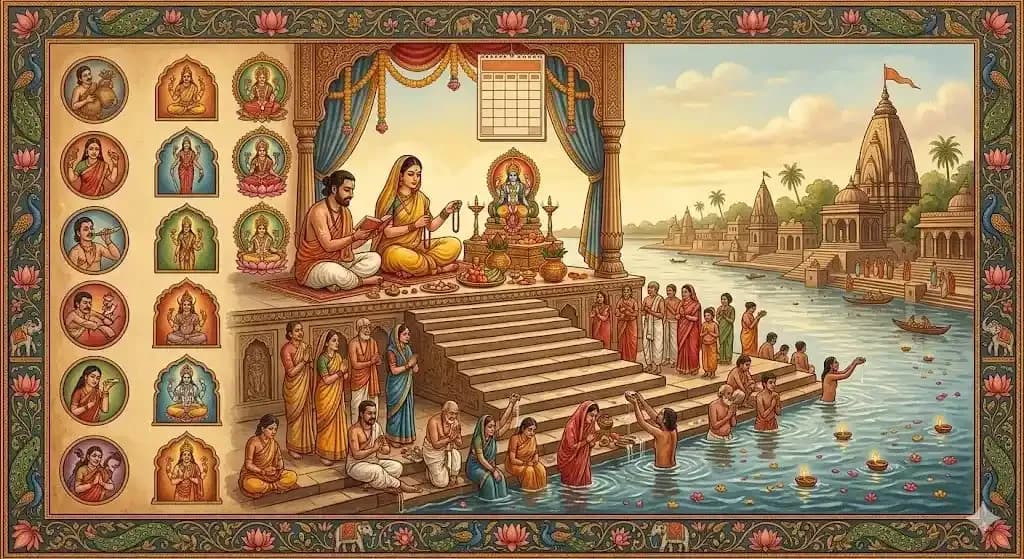
Phalguna Masam 2026 - South Indian (Amanta) Calendar: Complete Guide
Phalguna Masam 2026 - South Indian (Amanta) Calendar: Complete Guide Overview of Phalguna Masam 2026 (South Indian Calendar) Phalguna Masam (also known as…
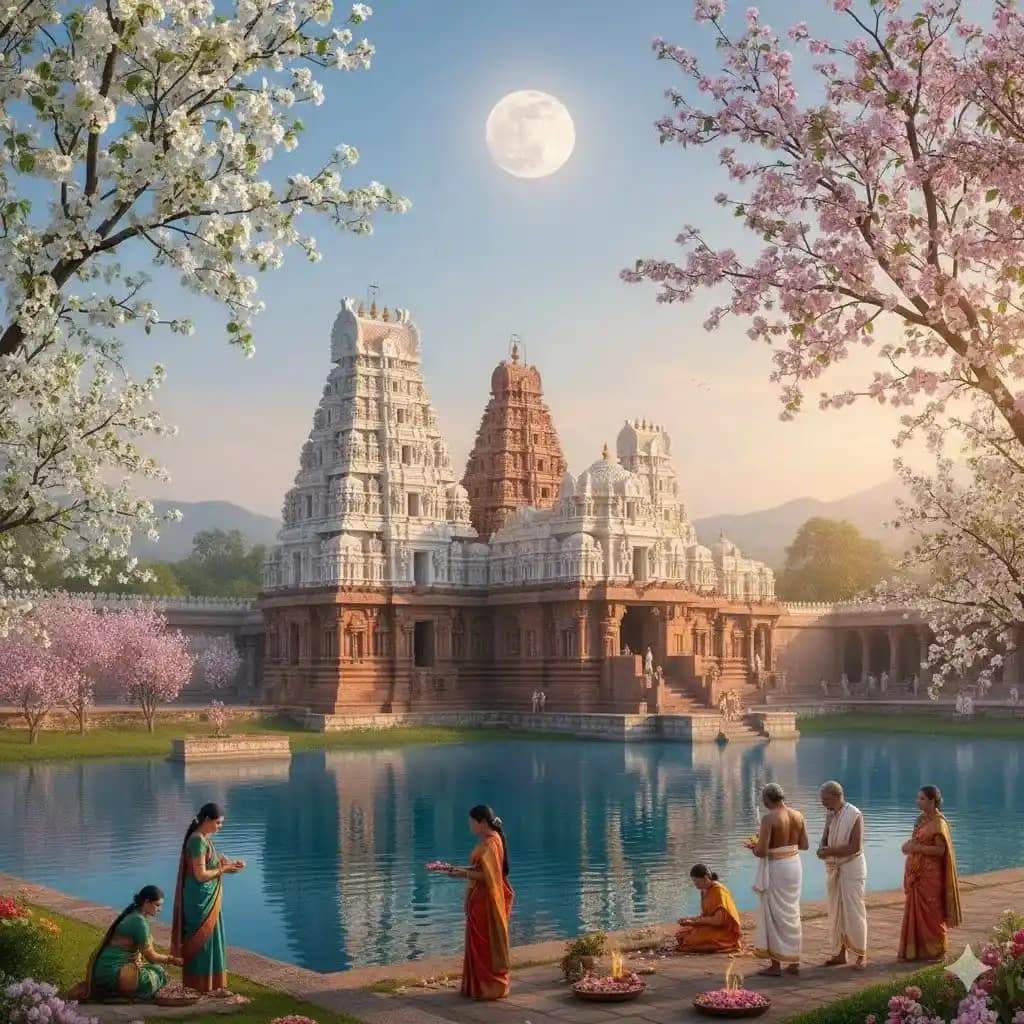
Phalguna Masam 2026 - South Indian (Amanta) Calendar: Complete Guide Overview of Phalguna Masam 2026 (South Indian Calendar) Phalguna Masam (also known as…
Phalguna Masam 2026 - South Indian (Amanta) Calendar: Complete Guide
Overview of Phalguna Masam 2026 (South Indian Calendar)
Phalguna Masam (also known as Phalgunam in Telugu and Panguni in Tamil) is the twelfth and final month of the Hindu lunar calendar according to the South Indian Amanta system. This sacred month marks the transition from winter to spring and prepares devotees spiritually for the Hindu New Year that begins with Chaitra Masam. In 2026, this auspicious month brings celebrations of major festivals including Mahashivratri, Holi, and the highly revered Panguni Uthiram.
Phalguna Masam 2026 Dates - South Indian (Amanta) Calendar
Telugu Calendar (Andhra Pradesh & Telangana)
Month Name: Phalguna Masam / Phalgunam
Start Date: Wednesday, February 18, 2026
End Date: Thursday, March 19, 2026
Duration: 30 days
Paksha: Begins with Shukla Paksha Padyami (waxing moon phase)
Tamil Calendar (Tamil Nadu)
Month Name: Panguni Masam
Start Date: Mid-February to Mid-March (overlaps with Maasi ending and Panguni beginning)
Panguni Full Month: Approximately March 15 - April 14, 2026
Important Note: Tamil calendar follows solar system, so dates differ from Telugu lunar calendar
Calendar Year Details
Vikram Samvat: 2082
Shaka Samvat: 1947
Year Name: Visuvasuva Nama Samvatsaram (also written as Viswavasu)
Key Difference: Amanta vs Purnimanta
The South Indian Amanta calendar begins the month after Amavasya (new moon), while the North Indian Purnimanta calendar begins after Purnima (full moon). This creates approximately a 15-day difference in month calculations.
Etymology and Cultural Meaning
Sanskrit Origins
The name "Phalguna" is derived from:
- Phalguni Nakshatra: The constellation (Purva Phalguni or Uttara Phalguni) under which the full moon appears during this month
- Phala: Meaning "fruit" or "result"
- Guna: Meaning "quality," "virtue," or "character"
Together, Phalguna signifies the "month of fruitful qualities" representing the culmination of the year's spiritual efforts and the blossoming of nature during spring.
Regional Names
- Telugu: Phalgunam / Phalguna Masam
- Tamil: Panguni / Panguni Masam
- Kannada: Phalguna
- Malayalam: Phalguna Masam
Vedic and Historical Significance
Position in Hindu Calendar
Phalguna occupies the final position (12th month) in the Hindu calendar year. After Phalguna comes Chaitra Masam, which marks the beginning of the new year according to the Amanta system. This transitional nature makes Phalguna a month of:
- Completion: Concluding the year's spiritual journey
- Celebration: Marking major festivals and divine events
- Preparation: Getting ready for the new year
- Purification: Cleansing body, mind, and spirit
Seasonal and Astronomical Importance
Ritu (Season):
- End of Shishira Ritu (winter season)
- Beginning of Vasanta Ritu (spring season)
- Pleasant weather with blooming flowers and greenery
Solar Movement:
- Sun transitions from Kumbha Rashi (Aquarius) to Meena Rashi (Pisces)
- Days become longer and warmer
- Agricultural activities intensify
Natural Phenomena:
- Nature reaches full bloom from Vasant Panchami to Phalguna Purnima
- Ideal time for outdoor spiritual activities
- Fragrant flowers and pleasant breeze create divine atmosphere
Mythological and Epic Connections
Ramayana Events in Phalguna Masam
Several crucial events from the Ramayana occurred during Phalguna month, making it extremely significant:
Krishna Paksha (First Half - in North Indian calendar, Second Half in South):
- Phalguna Bahula Padyami: The great war between Lord Rama's Vanara Sena and Ravana's demon army commenced
- Phalguna Vidiya (Dwitiya): Demon Doomraksha was defeated
- Phalguna Thadiya (Tritiya): Demon Vajradanshtra was destroyed
- Phalguna Chavithi (Chaturthi): Demon Akampana met his end
- Phalguna Bahula Panchami: Prahastha, Ravana's army chief, was killed by Neela
- Phalguna Bahula Ashtami: Athikaya, son of Ravana, was killed by Lakshmana
- Phalguna Bahula Ekadashi to Trayodashi: The crucial three-day battle between Lakshmana and Indrajit (Meghanath)
- Phalguna Amavasya (North) / Before Shukla Paksha begins (South): The most significant event - Ravana Vadha (destruction of Ravana by Lord Rama)
Mahabharata Events in Phalguna
Important births in the Mahabharata occurred during this sacred month:
Pandava Births:
- Phalguna Bahula Ashtami: Birth of Yudhishthira (Dharmaraja) under Jyeshta Nakshatra - the eldest and most righteous Pandava
- Phalguna Shukla Trayodashi: Birth of Bhimasena - the mighty second Pandava known for his strength
- Same Period: Birth of Arjuna (third Pandava) - the greatest archer, after whom the month is sometimes named
Kaurava Births:
- Phalguna Shukla Trayodashi: Birth of Duryodhana and Dushasana
- Throughout the Month: Birth of 15 other Kauravas among the 100 brothers
Sacred Births and Divine Personalities
Saints and Spiritual Masters:
- Sri Raghavendra Swamy: The revered Madhwa saint of Mantralaya was born on Phalguna Shukla Navami
- This makes the month particularly sacred for Madhwa sampradaya followers
Alternate Names:
- Arjuna: The great Pandava warrior was born in this month; hence Phalguna is also used as an alternate name for Arjuna
- Chandradev (Moon God): According to mythology, the Moon deity manifested during Phalguna month
Religious and Spiritual Importance
Primary Deities Worshipped in South India
In Telugu States (Andhra Pradesh & Telangana):
- Lord Vishnu (Govinda/Narayana): Primary deity, especially during Ekadashis
- Lord Shiva (Mahadeva): Special worship during Mahashivratri
- Sri Satyanarayana Swamy: Satyanarayana Vratam is highly auspicious
- Lord Venkateswara: Temple visits to Tirumala are considered especially meritorious
- Goddess Lakshmi: Worshipped for prosperity and wealth
- Chandra Dev: Special worship as month is associated with lunar blessings
In Tamil Nadu:
- Lord Murugan (Subramanya): Primary deity, grand celebrations at Murugan temples
- Lord Shiva and Parvati: Divine marriage celebrated on Panguni Uthiram
- Lord Vishnu and Lakshmi: Worshipped in Vaishnavite temples
- Rama and Sita: Divine couple worshipped for marital bliss
- Krishna and Radha: Celebrated in ISKCON and Krishna temples
Spiritual Significance According to South Indian Traditions
Phalguna month is considered especially sacred for:
Devotional Practices:
- Bhakti (Devotion): Singing bhajans, kirtans of Shiva, Vishnu, and Murugan
- Japam: Recitation of mantras like Om Namo Narayanaya (1008 times on Purnima)
- Parayana: Reading of sacred texts like Ramayana, Bhagavatam, Vishnu Sahasranama
- Temple Worship: Regular visits to temples, especially on festival days
Purification Activities:
- Holy Bathing: Especially in sacred rivers like Godavari, Krishna, Kaveri on Purnima
- Fasting: Observing vratas on Ekadashis, Pradosham, and other auspicious days
- Tarpan: Water offerings to ancestors, especially on Amavasya
- Pitru Karma: Ancestral worship and Shraddha ceremonies
Charitable Acts (Dana):
- Donations of food, clothes, money
- Pure ghee, mustard oil, and cooking essentials
- Seasonal fruits and grains
- Helping the poor and needy
Major Festivals in Phalguna Masam 2026 (South Indian Dates)
Complete Festival Calendar
1. Phalguna Shukla Padyami (Day 1) Date: Wednesday, February 18, 2026
Significance: Beginning of Phalguna Masam, auspicious for new spiritual commitments
2. Ratha Saptami Date: Monday, February 23, 2026
Significance: Sun God worship, charity, and holy bathing
3. Bhishma Ashtami Date: Tuesday, February 24, 2026
Significance: Day when Bhishma attained moksha; special prayers for ancestors
4. Vijaya Ekadashi (Phalguna Shukla Ekadashi) Date: Friday, February 27, 2026
Significance: One of the most important Ekadashis; fasting brings victory in all endeavors; Lord Vishnu worship grants success, prosperity, and liberation
5. Pradosh Vrat Date: Sunday, March 1, 2026
Significance: Worship of Lord Shiva during twilight hours (Sandhya Kala); removes sins and grants blessings
6. Phalguna Purnima / Holi Purnima Date: Tuesday, March 3, 2026
Significance:
- Full moon day marking Vasant Purnima
- Holika Dahan (burning of Holika) in the evening
- Most auspicious day for holy river bathing
- Completion of winter season
- According to tradition, Purna Chandra Grahan (total lunar eclipse) occurs this night
7. Holi (Dhuleti / Festival of Colors) Date: Wednesday, March 4, 2026
Significance:
- Celebrating arrival of spring
- Divine love of Radha-Krishna
- Victory of good over evil (Prahlada over Holika)
- Community bonding and joy
8. Phalguna Krishna Paksha Begins Date: Thursday, March 5, 2026
Significance: Waning moon phase begins
9. Masik Shivaratri Date: Monday, March 16, 2026
Significance: Monthly Shivaratri for Lord Shiva devotees
10. Phalguna Amavasya (New Moon) Date: Wednesday, March 18, 2026
Significance:
- Sacred for Pitru Tarpan (ancestral offerings)
- Shraddha ceremonies
- Donations and charity
- Preparation for new month (Chaitra)
Tamil Calendar - Panguni Month Festivals
Panguni Uthiram (Most Important Tamil Festival) Date: Wednesday, April 1, 2026
Nakshatra Timing: Begins 3:20 PM on March 31, ends 4:17 PM on April 1
Significance:
- Celebrates divine marriage of Shiva-Parvati
- Marriage of Rama-Sita
- Marriage of Murugan-Deivayanai
- Most auspicious day for marriages
- Grand temple processions across Tamil Nadu
- Especially significant at:
- Chidambaram Nataraja Temple
- Mylapore Kapaleeshwarar Temple
- Palani Murugan Temple
- Madurai Meenakshi Temple
- Tiruchendur Murugan Temple
Maasi Magam (End of Maasi Month) Date: Tuesday, March 3, 2026
Significance:
- Holy bathing in sea/rivers
- Temple tank processions
- Brings purification and blessings
Paksha (Lunar Fortnight) Details - South Indian System
Shukla Paksha (Waxing Moon Phase - First Half)
Period: February 18 - March 3, 2026
Key Days:
- Padyami (1st day)
- Saptami (Ratha Saptami)
- Ashtami (Bhishma Ashtami)
- Ekadashi (Vijaya Ekadashi)
- Trayodashi (Pradosh)
- Purnima (Full Moon - Holi)
Krishna Paksha (Waning Moon Phase - Second Half)
Period: March 4 - March 18, 2026
Key Days:
- Chaturdashi (Masik Shivaratri)
- Amavasya (New Moon - Pitru worship)
Daily Rituals and Spiritual Practices
Morning Practices (Pratha Kala)
1. Brahma Muhurta Activities (4:30 AM - 6:00 AM):
- Wake up before sunrise
- Cleansing and bathing, preferably with Gangajal or turmeric water
- Sankalpa (intention setting) for the day
- Pranayama and meditation
2. Puja and Prayer:
- Light lamp with ghee or sesame oil
- Offer flowers, incense, and naivedyam
- Recite mantras:
- Vishnu Bhaktas: Vishnu Sahasranama, Sri Venkateswara Suprabhatam
- Shiva Bhaktas: Shiva Panchakshari, Rudram
- Tamil Tradition: Thiruppavai, Divya Prabandham
3. Scripture Reading:
- Srimad Bhagavatam
- Ramayana
- Bhagavad Gita
- Tamil: Thirukkural, Kamba Ramayanam
Fasting Traditions (Upavasa)
Regular Fasts:
- Ekadashi Vrata: On Vijaya Ekadashi (complete or partial fast)
- Pradosh Vrata: Fasting until sunset on Trayodashi
- Purnima Vrata: Fasting on full moon day
- Monday Fasts: For Lord Shiva devotees throughout the month
Types of Fasting:
- Nirjala Vrat: Complete waterless fast (only for those capable)
- Phalahar Vrat: Consuming only fruits and milk
- Ekabhukta: One meal per day
- Ayachita: Accepting unsolicited food only
Evening Practices (Sayam Kala)
1. Sandhya Vandanam:
- Twilight prayers
- Gayatri Mantra recitation
2. Deepa Puja:
- Lighting lamps at home and temple
- Evening bhajans and kirtans
3. Pradosham (on Trayodashi):
- Special Shiva worship during twilight
- Temple visits during Pradosh Kala
Special Monthly Observances
1. Satyanarayana Vratam:
- Performed on Purnima or any auspicious day
- Complete puja with story recitation
- Offering of prasadam to devotees
2. Lakshmi Puja:
- Every Friday for prosperity
- Tulsi puja for household welfare
3. Ancestors Worship:
- Tarpan on Amavasya
- Offering of food and water
- Brahmin bhojana (feeding Brahmins)
Benefits of Observing Phalguna Masam
Spiritual Benefits
According to Vedic scriptures and Puranas, observing Phalguna Masam brings:
- Moksha (Liberation): Punya accumulated leads toward final liberation
- Divine Grace: Special blessings of Vishnu, Shiva, and Murugan
- Karma Cleansing: Removal of past sins and karmic debts
- Spiritual Progress: Advancement on the path of self-realization
- Ancestor Satisfaction: Pitru blessings for family prosperity
Material Benefits
- Wealth and Prosperity: Financial stability and abundance
- Health and Vitality: Physical and mental well-being
- Family Harmony: Peace and happiness in relationships
- Success in Endeavors: Victory over obstacles and enemies
- Marriage Blessings: Especially from Panguni Uthiram observance
- Children's Welfare: Education and good character for offspring
- Protection from Evil: Shielding from negative energies
Social Benefits
- Community Bonding: Festivals bring people together
- Cultural Preservation: Maintaining ancient traditions
- Charitable Mindset: Developing compassion and generosity
- Unity and Harmony: Breaking social barriers during Holi
Regional Practices in South India
Andhra Pradesh and Telangana
Temple Traditions:
- Grand celebrations at Tirumala Venkateswara Temple
- Special abhishekams at Srisailam (Jyotirlinga)
- Lakshmi Narasimha Swamy temple festivities
Cultural Practices:
- Preparation of traditional sweets like Bobbatlu/Puran Poli for Holi
- Bonalu offerings in some regions
- Folk songs and dances
Charitable Activities:
- Anna Danam (food donation)
- Vastra Danam (clothes donation)
- Go Seva (cow service)
Tamil Nadu
Temple Celebrations:
- Mylapore Kapaleeshwarar Temple: Grand chariot procession on Panguni Uthiram
- Madurai Meenakshi Temple: Divine marriage ceremony
- Tiruchendur & Palani: Murugan temple celebrations
- Chidambaram: Nataraja temple festivities
Cultural Traditions:
- Preparation of Panguni dishes
- Traditional music and dance performances
- Street decorations and kolams
Marriage Season:
- Panguni Uthiram is considered most auspicious for weddings
- Many couples choose this period for marriage
- Temple marriages are common
Karnataka (South)
Kannada Speaking Regions:
- Similar to Telugu and Tamil traditions
- Special worship at Udupi Krishna Temple
- Coastal regions celebrate with unique customs
Kerala
Malayalam Traditions:
- Temple festivals with elephant processions
- Kathakali performances depicting Ramayana
- Traditional Kerala Sadya preparations
Astrological and Astronomical Importance
Planetary Positions
Sun's Transit:
- Moves from Aquarius (Kumbha) to Pisces (Meena)
- Influences individual horoscopes
- Affects agricultural activities
Moon's Journey:
- Complete lunar cycle from new moon to full moon
- Affects tides, emotions, and spiritual practices
- Fifteen tithis in each paksha
Nakshatra Significance
Uttara Phalguni Nakshatra:
- Presiding deity: Aryaman (God of contracts and unions)
- Symbol: Bed, hammock
- Qualities: Generosity, helpfulness, patronage
- Auspicious for marriages and partnerships
Purva Phalguni Nakshatra:
- Presiding deity: Bhaga (God of marital bliss)
- Symbol: Front legs of bed, swing
- Qualities: Relaxation, pleasure, procreation
Auspicious Yogas
During Phalguna, several auspicious planetary combinations occur:
- Guru (Jupiter) blessings for wisdom
- Shukra (Venus) favorable for relationships
- Beneficial for starting spiritual practices
Traditional Foods and Dietary Practices
Sattvic Diet During Vratas
Allowed Foods:
- Fresh fruits: banana, apple, pomegranate, grapes
- Milk and milk products
- Sabudana (sago) preparations
- Potato curry without onion-garlic
- Amaranth flour items
- Dry fruits and nuts
- Rock salt (sendha namak)
Avoided Foods:
- Rice and regular grains (on Ekadashi)
- Onion and garlic
- Non-vegetarian food
- Alcohol and intoxicants
- Tamasic items
Festival Special Dishes
For Holi:
- Telugu: Bobbatlu (Puran Poli), Pulihora
- Tamil: Sweet Pongal, Paniyaram, Vadai
- Snacks: Chakli, Murukku, mixture
- Drinks: Thandai, Badam milk, Panakam
For Panguni Uthiram:
- Sakkarai Pongal (sweet pongal)
- Puliyodarai (tamarind rice)
- Coconut rice
- Variety of payasams
Prasadam Preparations
For Satyanarayana Vratam:
- Panchamrutam (five nectars)
- Sweet pongal
- Fruits and dry fruits
- Banana offerings
For Shiva Worship:
- Bael leaves
- Bilva patra
- Panchamrutam
- Vibhuti prasadam
Precautions and Guidelines
Health Considerations
During Fasting:
- Stay hydrated with water, coconut water
- Don't overexert physically
- Elderly and sick should consult doctors
- Pregnant women should avoid strict fasts
- Children under 12 need not fast
During Summer Transition:
- Protect from sun exposure
- Consume cooling foods
- Maintain hygiene during Holi colors play
Spiritual Discipline
Brahmacharya (Celibacy):
- Observe on Ekadashi and other vrata days
- Helps conserve spiritual energy
- Enhances meditation and focus
Speech Control:
- Avoid harsh or negative words
- Speak truth (Satya)
- Practice silence (Mauna) when possible
Mental Discipline:
- Control anger and desire
- Practice forgiveness
- Avoid jealousy and pride
Festival Safety
During Holi:
- Use natural, herbal colors
- Protect eyes and sensitive skin
- Avoid forceful color throwing
- Respect personal boundaries
- Stay away from alcohol
During Temple Visits:
- Follow queue discipline
- Respect temple customs
- Avoid pushing in crowds
- Be mindful of offerings
Phalguna Purnima - The Sacred Full Moon
Special Significance
Phalguna Purnima (March 3, 2026) is extraordinarily sacred because:
Multiple Celebrations:
- Vasant Purnima (Spring full moon)
- Holi Purnima (Festival of colors)
- Lunar Eclipse (Purna Chandra Grahan) - if occurs
- Last Purnima of the year
Spiritual Practices:
- Holy bath in rivers before sunrise
- Complete Vishnu worship with 16 upacharas
- Reading of Satyanarayan Katha
- Feeding Brahmins and the poor
- Night-long bhajan and kirtan
Charitable Acts:
- Vastra Danam (clothes)
- Anna Danam (food)
- Vidya Danam (education sponsorship)
- Go Danam (cow donation)
Holika Dahan Rituals
Evening of Phalguna Purnima:
- Collect wood and cow dung cakes days before
- Create Holika pyre in open space
- Perform puja to Holika and Prahlada
- Light the fire after sunset
- Circumambulate the fire
- Offer grains, coconut, jaggery
- Apply ash as tilak next morning
Mantras Chanted:
Om Holi Holi Maharani, Ati Paap Harani
Connection to Chaitra Masam
Spiritual Transition
Phalguna being the final month prepares devotees for:
Chaitra Masam (Starting March 19/20, 2026):
- Hindu New Year begins
- Ugadi/Gudi Padwa celebrations
- Chaitra Navratri starting
- Rama Navami (Lord Rama's birthday)
Preparation Activities:
- Complete pending spiritual practices
- Settle debts and disputes
- Cleanse house and surroundings
- Plan new year resolutions
- Seek blessings from elders
Tithi-wise Details (South Indian Calendar)
Shukla Paksha (Bright Fortnight)
Krishna Paksha (Dark Fortnight)
Dos and Don'ts
Recommended Practices (Dos)
[image: ✅] Wake up during Brahma Muhurta
[image: ✅] Take holy bath before sunrise
[image: ✅] Worship family deity daily
[image: ✅] Observe Ekadashi fasts
[image: ✅] Practice charity and compassion
[image: ✅] Read sacred scriptures
[image: ✅] Chant mantras and bhajans
[image: ✅] Visit temples regularly
[image: ✅] Respect elders and saints
[image: ✅] Maintain cleanliness
[image: ✅] Speak truth and practice non-violence
[image: ✅] Feed birds, animals, and the poor
Avoid These (Don'ts)
[image: ❌] Don't sleep during sunrise
[image: ❌] Avoid non-vegetarian food
[image: ❌] Don't consume alcohol or intoxicants
[image: ❌] Avoid harsh speech and lies
[image: ❌] Don't engage in quarrels
[image: ❌] Avoid excessive sleeping
[image: ❌] Don't waste food or water
[image: ❌] Avoid negative company
[image: ❌] Don't skip daily prayers
[image: ❌] Avoid laziness and procrastination
[image: ❌] Don't disrespect scriptures or deities
[image: ❌] Avoid greed and excessive desires
Sacred Mantras for Phalguna Masam
Lord Vishnu Mantras
Om Namo Narayanaya
(Recite 108 or 1008 times on Ekadashi and Purnima)
Vishnu Gayatri:
Om Narayanaya Vidmahe
Vasudevaya Dhimahi
Tanno Vishnu Prachodayat
Lord Shiva Mantras
Panchakshari Mantra:
Om Namah Shivaya
(Recite on Pradosh and Shivaratri)
Maha Mrityunjaya Mantra:
Om Tryambakam Yajamahe
Sugandhim Pushti Vardhanam
Urvarukamiva Bandhanan
Mrityor Mukshiya Maamritat
Lord Murugan Mantras (Tamil Tradition)
Shadakshari Mantra:
Om Saravana Bhava
Murugan Gayatri:
Om Tatpurushaya Vidmahe
Maha Senaya Dhimahi
Tanno Shanmukha Prachodayat
Conclusion
Phalguna Masam 2026, as per the South Indian Amanta calendar system, offers devotees a sacred 30-day period (February 18 - March 19) to conclude the spiritual year with divine merit and cultural celebrations. This month uniquely combines the austerity of fasting days like Vijaya Ekadashi, the devotion of Mahashivratri (if it falls within the South Indian Phalguna period), the grandeur of Panguni Uthiram for Tamil devotees, and the joyous celebration of Holi.
For Telugu-speaking devotees in Andhra Pradesh and Telangana, this month is particularly significant for Vishnu and Satyanarayana worship. For Tamil devotees, Panguni Uthiram stands as the pinnacle celebration honoring divine marriages and marital harmony.
Frequently Asked Questions
When is Phalguna Masam 2026?
Phalguna Masam 2026 falls on February 18, 2026.
What is the significance of Phalguna Masam?
Phalguna Masam 2026 - South Indian (Amanta) Calendar: Complete Guide Overview of Phalguna Masam 2026 (South Indian Calendar) Phalguna Masam (also known as Phalgunam in Telugu and Panguni in Tamil) is the twelfth and final month of the Hindu lunar calendar according to the South Indian Amanta system. This sacred month marks the transition from winter to sprin
How is Phalguna Masam celebrated?
Devotees observe it with puja, fasting or special offerings, visiting temples, chanting mantras, and gathering with family. Customs vary by region and tradition.
What should devotees do on Phalguna Masam?
Take a sacred bath, perform the day's puja and charity (dana), observe any prescribed fast, and chant mantras with sincere devotion.
You might also like
June 2026 Hindu Festival Calendar — Complete Dates, Vrat & Puja Guide for NRIs
Hindu Festival Calendar 2026 — Complete Guide for NRIs (Dates, Tithis, Puja)
Karthika Masam 2026: Dates, Rituals, Vrat, Festivals & North vs South India Guide