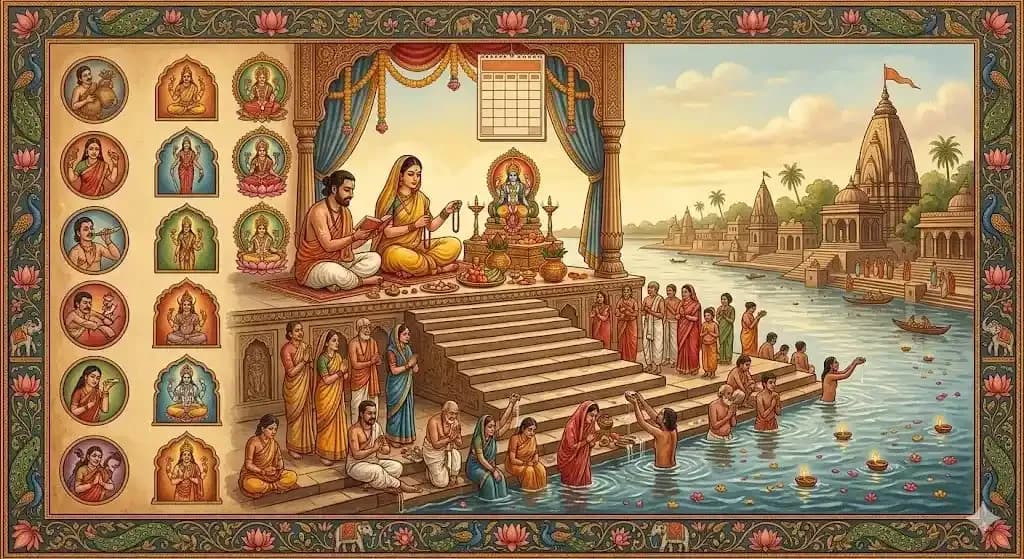
Phalguna Masam 2026: Complete Guide to South Indian Calendar Festivals & Dates
Introduction to Phalguna Masam 2026 Phalguna Masam 2026 represents the twelfth and final month of the Hindu lunar calendar, marking a spiritually significant…
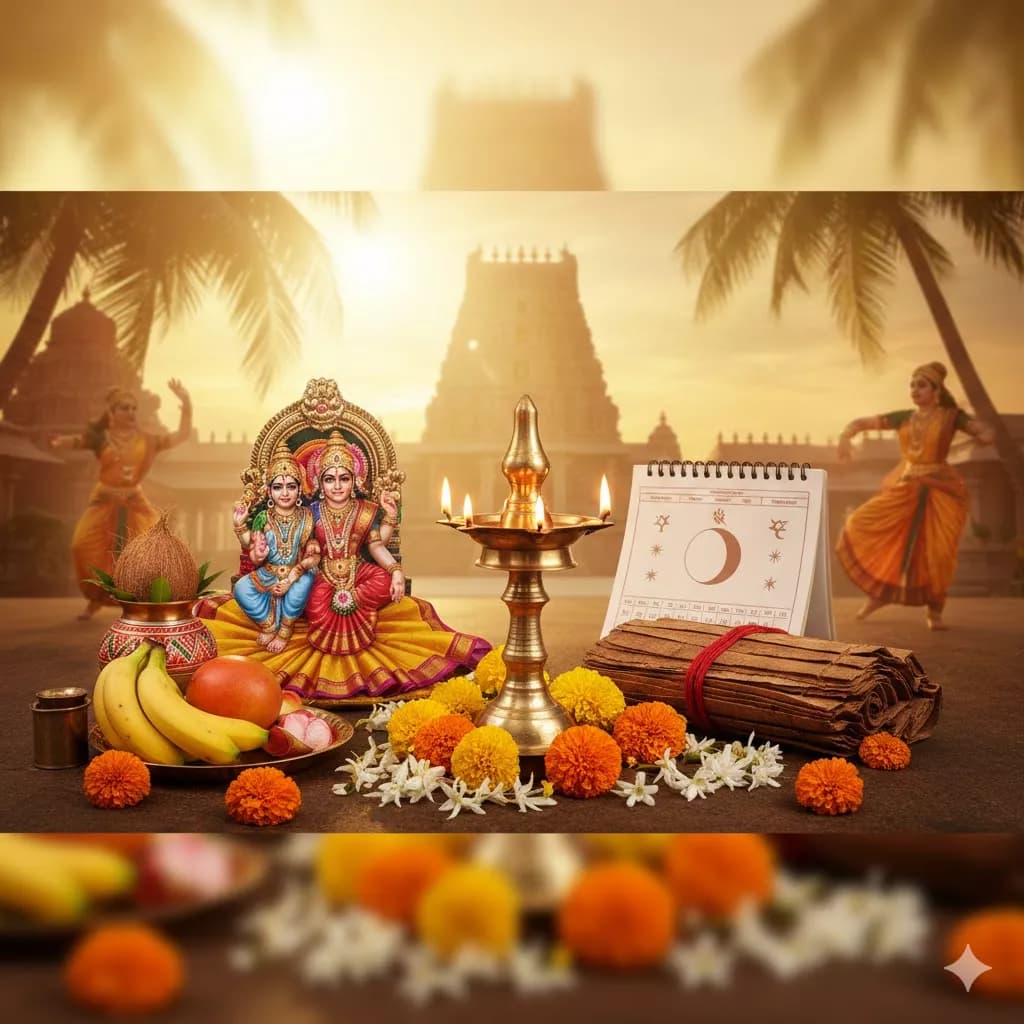
Introduction to Phalguna Masam 2026 Phalguna Masam 2026 represents the twelfth and final month of the Hindu lunar calendar, marking a spiritually significant…
Introduction to Phalguna Masam 2026
Phalguna Masam 2026 represents the twelfth and final month of the Hindu lunar calendar, marking a spiritually significant period that bridges the winter season with the arrival of spring. According to the South Indian Amanta calendar, Phalguna Masam 2026 begins on February 18, 2026 and concludes on March 19, 2026. This sacred month falls under the Viswavasu Nama Samvatsaram (Shaka Samvat 1947) and is celebrated with great devotion across South Indian states including Andhra Pradesh, Telangana, Karnataka, and Tamil Nadu.
Named after the Phalguni Nakshatra, which occurs during the full moon of this month, Phalguna Masam holds immense religious importance as it prepares devotees for Chaitra Masam, the beginning of the Hindu New Year. The month is particularly auspicious for worshipping Lord Vishnu, Lord Shiva, Goddess Lakshmi, and Lord Satyanarayana.
Phalguna Masam 2026 Dates Overview
North vs South Indian Calendar Differences
North Indian (Purnimanta) Calendar:
- Start Date: February 2, 2026
- End Date: March 3, 2026
- Vikram Samvat: 2082
South Indian (Amanta) Calendar:
- Start Date: February 18, 2026
- End Date: March 19, 2026
- Shaka Samvat: 1947
- Telugu Year: Viswavasu Nama Samvatsaram
The South Indian calendar follows the Amanta system, where each month begins with the new moon (Amavasya), while the North Indian Purnimanta system starts from the full moon (Purnima).
Major Festivals in Phalguna Masam 2026
1. Maha Shivaratri 2026
- Date: February 15, 2026 (Sunday)
- Significance: The most important festival dedicated to Lord Shiva
- Observances: All-night vigil, fasting, offering Bilva leaves, chanting Shiva mantras
- Timing: Midnight worship during Nishita Kala is considered most auspicious
Maha Shivaratri marks the divine marriage of Lord Shiva and Goddess Parvati. Devotees observe strict fasts and perform abhishekam with milk, honey, and sacred water throughout the night.
2. Vijaya Ekadashi 2026
- Date: February 13, 2026 (Friday)
- Paksha: Phalguna Krishna Paksha
- Deity: Lord Vishnu
- Benefits: Removes sins, grants spiritual liberation
Vijaya Ekadashi is one of the most powerful Ekadashis, falling during the Krishna Paksha of Phalguna. Devotees observe a complete fast or consume fruits while reciting Vishnu Sahasranama.
3. Phalguna Amavasya 2026
- Date: February 17, 2026 (Tuesday)
- Also Known As: Darsha Amavasya
- Rituals: Tarpan, Shraddha ceremonies for ancestors
- Significance: Liberation of Pitru Dosha
This new moon day is dedicated to honoring ancestors. Taking a holy bath before sunrise and performing shraddha rituals at riverbanks or temples brings peace to departed souls and removes ancestral curses.
4. Amalaki Ekadashi 2026
- Date: February 27, 2026 (Friday)
- Paksha: Phalguna Shukla Paksha
- Associated Tree: Amla (Indian Gooseberry)
- Special Practice: Worship of Amla tree along with Lord Vishnu
Amalaki Ekadashi honors both Lord Vishnu and the sacred Amla tree. Devotees circumambulate the Amla tree, offer prayers, and consume amla prasad for health and spiritual benefits.
5. Holika Dahan / Kama Dahanam 2026
- Date: March 3, 2026 (Tuesday)
- Timing: During Pradosh Kala (after sunset)
- Event: Total Lunar Eclipse (Chandra Grahan)
- South Indian Name: Kama Dahanam
Also known as Phalguna Purnima or Vasant Purnima, this festival commemorates the burning of demoness Holika. In South India, it's celebrated as Kama Dahanam (burning of Kamadeva) and Kaman Pandigai in Tamil Nadu.
Important Note: A total lunar eclipse occurs on Holika Dahan night, which is considered highly auspicious for spiritual practices.
6. Holi 2026
- Date: March 4, 2026 (Wednesday)
- South Indian Celebrations:
- Tamil Nadu: Kaman Pandigai
- Andhra Pradesh & Telangana: Kamuni Panduga
- Karnataka: Holi Festival
- Activities: Playing with colors, singing, dancing, special cuisine
The festival of colors celebrates the victory of good over evil and the arrival of spring. While predominantly North Indian, it's also celebrated with regional variations across South India.
7. Dwijapriya Sankashti Chaturthi 2026
- Date: February 5, 2026 (Monday)
- Deity: Lord Ganesha
- Observance: Fasting until moonrise, prayers to remove obstacles
8. Phulera Dooj 2026
- Date: February 19, 2026 (Thursday)
- Also Known As: Phulera Dwitiya
- Significance: Auspicious day for new beginnings
- Special Feature: Chandra Darshan (first moon sighting)
9. Pradosh Vrat 2026 (Two Occasions)
- Shani Pradosh Vrat: February 14, 2026 (Saturday)
- Regular Pradosh Vrat: March 1, 2026 (Sunday)
- Deity: Lord Shiva
- Timing: Prayers during twilight period (before sunset)
Religious Significance of Phalguna Masam
Spiritual Importance
Phalguna Masam represents the culmination of the spiritual year, offering devotees final opportunities for purification before the new year begins with Chaitra Masam. The month's balanced weather—transitioning from winter (Shishir Ritu) to spring (Vasant Ritu)—symbolizes emotional harmony and spiritual renewal.
Deity Worship
Lord Vishnu: Phalguna is especially sacred for Vishnu worship, with multiple Ekadashis occurring during this period.
Lord Shiva: Maha Shivaratri makes this month supremely auspicious for Shiva devotees.
Goddess Lakshmi: The Phalguna Purnima coincides with Lakshmi Jayanti, celebrating the goddess of wealth.
Lord Satyanarayana: Satyanarayana Vratam is commonly observed on Purnima nights.
Chandra Dev: Moon worship is prominent, especially on Phulera Dooj.
Ramayana Connection
According to ancient texts, significant events from the Ramayana occurred during Phalguna:
- The Vanara-Ravana war began on Phalguna Bahula Padyami
- The battle between Lakshmana and Indrajith: Bahula Ekadasi to Trayodasi
- Ravana Vadha (killing of Ravana): Phalguna Amavasya
Birth of Saints
Sri Raghavendra Swamy, the revered saint and philosopher, was born on Phalguna Shukla Navami, making this month particularly sacred for his devotees.
Rituals and Observances During Phalguna Masam 2026
Daily Practices
- Sacred Bathing (Snanam)
- Bathe in holy rivers, lakes, or with Gangajal at home
- Best time: Before sunrise
- Benefits: Purification of body and mind
- Charity (Daan)
- Pure ghee
- Mustard oil
- Seasonal fruits
- Grains and pulses
- Clothes for the needy
- Bhajans and Kirtans
- Singing devotional songs dedicated to Lord Shiva and Krishna
- Purifies the mind and brings positive energy
- Fasting (Vrat)
- Multiple Ekadashis provide opportunities for fasting
- Chaturthi, Pradosh, and special festival days
- Strengthens devotion and self-discipline
Special Rituals
Tarpan and Shraddha: Performed on Amavasya for ancestors, especially important in Phalguna for removing Pitru Dosha.
Holika Dahan: Lighting bonfires and offering sesame seeds, coconut, and wheat while taking pledges to abandon negative habits.
Vishnu Sahasranama: Recitation of 1000 names of Lord Vishnu on Ekadashi days.
Shiva Abhishekam: Ceremonial bathing of Shiva Linga with milk, curd, honey, ghee, and sugar on Maha Shivaratri.
Phalguna Masam Panchang Details
Paksha Division
Krishna Paksha (Waning Moon):
- Begins with Phalguna Suddha Padyami (February 18)
- Includes Vijaya Ekadashi, Maha Shivaratri, and Amavasya
Shukla Paksha (Waxing Moon):
- Begins after Amavasya
- Includes Phulera Dooj, Amalaki Ekadashi, and culminates in Phalguna Purnima
Important Tithis
- Padyami (1st day) - February 18, 2026
- Vidiya (2nd day) - Phulera Dooj
- Chaturthi (4th day) - Sankashti Ganesh Chaturthi
- Ekadashi (11th day) - Vijaya and Amalaki Ekadashi
- Trayodashi (13th day) - Pradosh Vrat
- Chaturdashi (14th day) - Day before Shivaratri
- Amavasya (New Moon) - February 17, 2026
- Purnima (Full Moon) - March 3, 2026
Regional Celebrations in South India
Andhra Pradesh & Telangana
- Kamuni Panduga: Holi celebrations with local traditions
- Maha Shivaratri: Grand celebrations at Srisailam, Mahanandi, and other major Shiva temples
- Phalguna Purnima: Community gatherings and charitable activities
Tamil Nadu
- Kaman Pandigai: The Tamil version of Holi celebrating Kamadeva
- Temple Festivities: Special pujas at Shiva temples
- Cultural Programs: Classical music and dance performances
Karnataka
- Holi Celebrations: Observed with regional variations
- Temple Rituals: Enhanced worship at Vishnu and Shiva temples
- Community Feasts: Prasad distribution on festival days
Health and Wellness in Phalguna Masam
Seasonal Benefits
Phalguna marks the transition from Shishir (winter) to Vasant (spring) ritu, creating ideal conditions for:
- Detoxification through fasting
- Enhanced immunity
- Physical rejuvenation
- Mental clarity
Ayurvedic Recommendations
Foods to Consume:
- Amla (gooseberry) - especially on Amalaki Ekadashi
- Fresh spring vegetables
- Seasonal fruits
- Light, warm meals
Practices:
- Early morning exercise
- Pranayama (breathing exercises)
- Meditation during sacred hours
- Oil massage (abhyanga)
Astrological Significance
Planetary Transitions
During Phalguna Masam 2026, celestial movements significantly influence spiritual practices:
- Sun's northward journey (Uttarayana) continues
- Moon phases particularly potent for rituals
- Total Lunar Eclipse on Phalguna Purnima enhances spiritual merit
Nakshatra Importance
The month is named after Phalguni Nakshatra (both Purva and Uttara Phalguni), which governs:
- Creativity and arts
- Relationships and marriage
- Prosperity and abundance
- Spiritual growth
Do's and Don'ts During Phalguna Masam
Do's
✓ Wake up early and perform morning ablutions ✓ Recite Vishnu Sahasranama and Shiva Stotras ✓ Donate generously to the needy ✓ Observe fasts on sacred days ✓ Take holy baths in rivers or with Gangajal ✓ Perform ancestor worship on Amavasya ✓ Participate in community celebrations ✓ Practice meditation and yoga ✓ Read sacred scriptures
Don'ts
✗ Avoid negative thinking and harsh speech ✗ Don't harm any living being ✗ Refrain from unnecessary quarrels ✗ Avoid consuming non-vegetarian food on sacred days ✗ Don't speak ill of others ✗ Avoid intoxicants ✗ Don't skip daily prayers ✗ Avoid starting new ventures without proper muhurat
Preparation for Chaitra Masam (Telugu New Year)
Phalguna Masam serves as a preparatory period for Ugadi 2026 (Telugu New Year), which falls on March 20, 2026. The month encourages:
- Spiritual Cleansing: Removing accumulated karma through charity and devotion
- Setting Intentions: Planning goals for the new year
- Reconciliation: Resolving conflicts before the new year
- Completion: Finishing pending spiritual practices
Conclusion
Phalguna Masam 2026 offers South Indian Hindus a blessed opportunity for spiritual growth, devotional practices, and community bonding. From the intense devotion of Maha Shivaratri to the joyous celebrations of Holi, the month encompasses diverse expressions of faith. By observing the sacred festivals, performing prescribed rituals, and maintaining purity in thought and action, devotees can achieve spiritual merit and prepare themselves for the auspicious beginning that Chaitra Masam brings.
Mark your calendars for February 18 to March 19, 2026, and immerse yourself in the divine grace of Phalguna Masam. May this sacred month bring peace, prosperity, and spiritual elevation to all.
Frequently Asked Questions (FAQs)
Q1: When does Phalguna Masam 2026 start according to the South Indian calendar? A: Phalguna Masam 2026 begins on February 18, 2026, and ends on March 19, 2026, according to the South Indian Amanta calendar system.
Q2: What is the most important festival in Phalguna Masam? A: Maha Shivaratri (February 15, 2026) is considered the most important festival, followed by Holi/Kama Dahanam on March 3-4, 2026.
Q3: How many Ekadashis occur in Phalguna Masam 2026? A: Two Ekadashis occur - Vijaya Ekadashi on February 13 and Amalaki Ekadashi on February 27, 2026.
Q4: What is the difference between Holika Dahan and Kama Dahanam? A: Both are celebrated on Phalguna Purnima with bonfire rituals, but Holika Dahan commemorates the burning of demoness Holika (North Indian tradition), while Kama Dahanam celebrates the burning of Kamadeva by Lord Shiva (South Indian tradition).
Q5: Is Phalguna Amavasya important for ancestor worship? A: Yes, Phalguna Amavasya (February 17, 2026) is highly significant for performing Shraddha and Tarpan rituals for ancestors and removing Pitru Dosha.
Q6: What are the main deities worshipped during Phalguna Masam? A: Lord Vishnu, Lord Shiva, Goddess Lakshmi, Lord Satyanarayana, and Chandra Dev are the principal deities worshipped during this month.
Q7: What special event occurs on Phalguna Purnima 2026? A: A total lunar eclipse (Chandra Grahan) occurs on March 3, 2026, coinciding with Holika Dahan, making it extremely auspicious for spiritual practices.
Q8: Why is bathing in holy rivers emphasized during Phalguna Masam? A: Bathing in sacred rivers or with Gangajal before sunrise is believed to purify sins, especially on Purnima, Amavasya, and Ekadashi days.
For More Devotional Journey, Follow
- Temples
/temples/ - Tirumala Updates
/tirumala/ - Sabarimala Yatra
/category/sabarimala-yatra/ - Pooja, Slokas & Mantras
/pooja-slokas-and-mantras/ - Hindu Gods
/hindu-gods/
You might also like
June 2026 Hindu Festival Calendar — Complete Dates, Vrat & Puja Guide for NRIs
Karthika Masam 2026: Dates, Rituals, Vrat, Festivals & North vs South India Guide
Hindu Festival Calendar 2026 — Complete Guide for NRIs (Dates, Tithis, Puja)