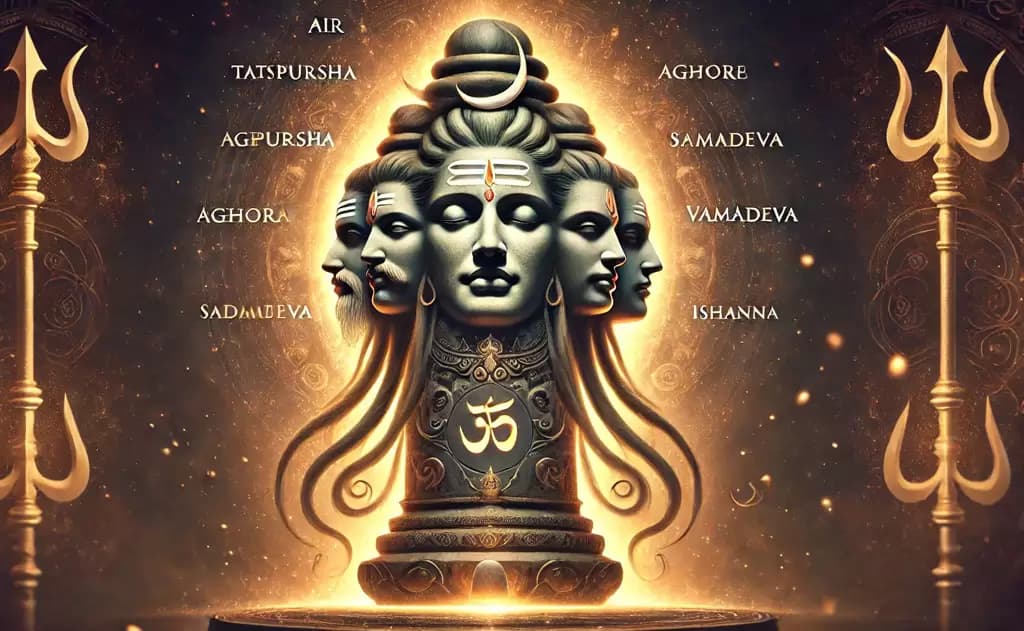
Mahashivratri 2026 Date, Pooja, Significance & Upavasam Guide
Mahashivratri 2026 Date, Pooja, Significance & Upavasam Guide [image: 🕉️] Mahashivratri 2026: Date, Significance, Pooja & Upavasam (Comprehensive Guide for…
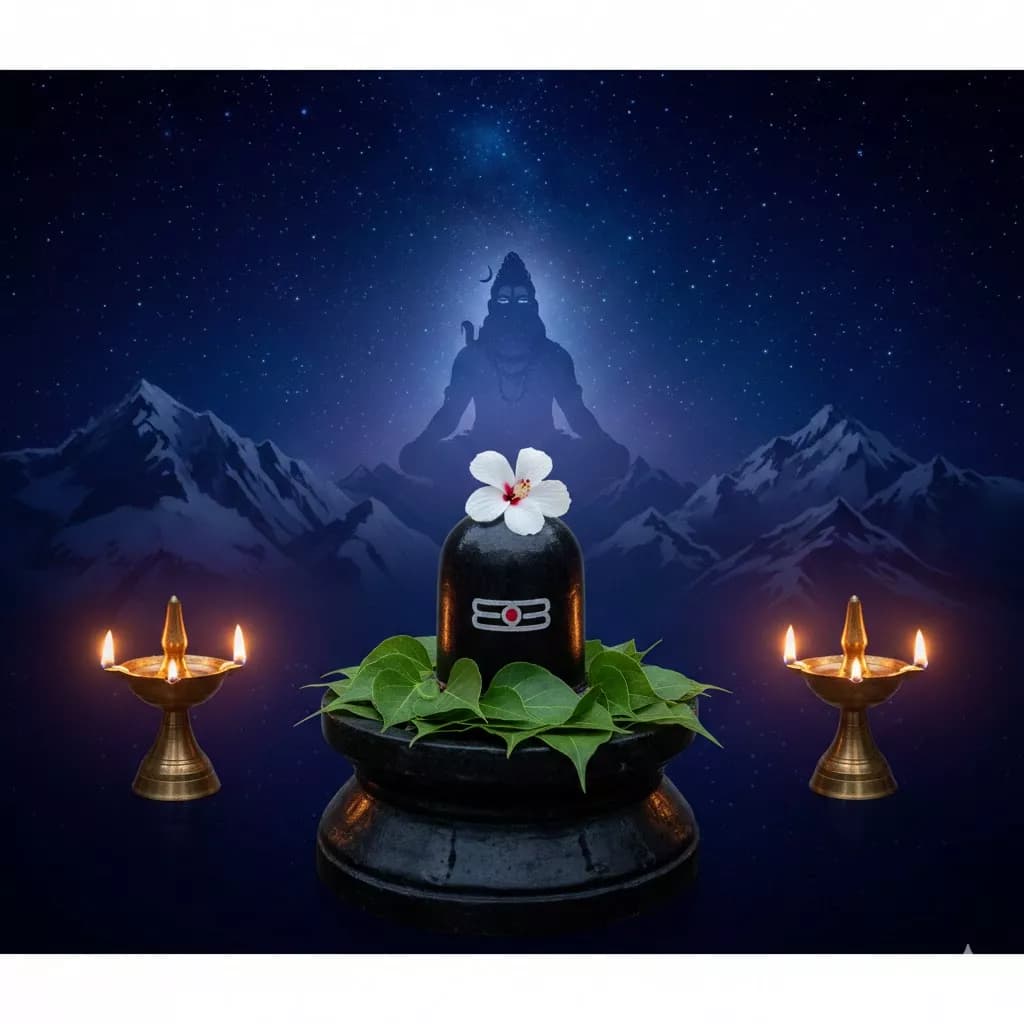
Mahashivratri 2026 Date, Pooja, Significance & Upavasam Guide [image: 🕉️] Mahashivratri 2026: Date, Significance, Pooja & Upavasam (Comprehensive Guide for…
Mahashivratri 2026 Date, Pooja, Significance & Upavasam Guide
[image: 🕉️] Mahashivratri 2026: Date, Significance, Pooja & Upavasam
(Comprehensive Guide for www.hindutone.com)
[image: 📅] What Is Mahashivratri?
Mahashivratri — literally “The Great Night of Shiva” — is one of the most sacred Hindu festivals dedicated to Lord Shiva, celebrated with fasting, night-long worship (jagaran), mantra chanting, and deep spiritual rituals. It symbolizes the union of Shiva and Shakti, the balance of cosmic energy, and the path to spiritual liberation.
Across India and among Hindu communities worldwide, Mahashivratri is revered as a night of inner transformation, spiritual awakening and devotion to Lord Shiva.
[image: 📆] Mahashivratri 2026 Date & Auspicious Timings
[image: 📌] Date:
In 2026, Mahashivratri will be celebrated on Sunday, February 15, 2026 based on the Phalguna Krishna Chaturdashi Tithi of the Hindu lunar calendar.
[image: 🕐] Puja & Muhurat Timings (General Guide)
The festival actually spans the evening of Feb 15 through early Feb 16 because the Chaturdashi tithi begins on the 15th and ends on the 16th after sunset.
Nishita Kaal — the midnight period — is considered the most powerful moment to worship Lord Shiva on Mahashivratri.
[image: 🌙] Traditional Significance of Mahashivratri
Mahashivratri carries deep symbolic and spiritual meaning in the Hindu faith:
[image: 🕉] 1. Union of Shiva and Shakti
It signifies the cosmic union of male and female divine energies — Shiva with Shakti (Parvati) — representing balance in the universe and within oneself.
[image: 🔱] 2. Shiva’s Tandava Dance
One belief states that Lord Shiva performed his celestial dance (Tandava) on this night, symbolizing creation and destruction — reminding devotees that attachment to the physical world is temporary.
[image: 🔥] 3. Spiritual Awakening & Liberation
Mahashivratri presents the opportunity for inner purification, self-reflection, and spiritual awakening. Yogic traditions teach that sadhana (spiritual practice) on this night can lead to higher levels of consciousness.
[image: 🪔] 4. Removing Past Sins
Devotees believe that observing the fast and chanting Shiva mantras on Mahashivratri destroys past sins and leads to moksha (liberation).
[image: 🤲] Why This Night Is So Powerful
Mahashivratri is considered more potent than all other lunar nights because:
[image: 🔹] It falls on Chaturdashi Tithi of Krishna Paksha in two consecutive months — uncommon and spiritually significant.
[image: 🔹] The midnight worship (Nishita Kaal) aligns with spiritual calm, enhancing meditation and mantra effects.
[image: 🔹] Shiva is worshipped as the Supreme Yogi, and his blessings are believed to remove ignorance and guide seekers to truth.
[image: 🪔] Fasting (Upavasam) on Mahashivratri — Rules & Benefits
[image: 🥣] Why Fast on Mahashivratri?
Upavasam (fasting) is a central part of Mahashivratri. It signifies:
[image: ✔] Purification of body and mind
[image: ✔] Devotion and surrender to Lord Shiva
[image: ✔] Detachment from material desires
[image: ✔] Increased spiritual energy
Many devotees believe fasting on this day brings peace, prosperity, harmony, and spiritual progress.
[image: 🪔] Types of Fasts on Mahashivratri
[image: 🕉] 1. Nirjala Fast (No Water)
Some devotees observe a strict fast without food or water, aiming for intense spiritual purity.
[image: 🍃] 2. Phalahar Fast (Fruits Only)
Others prefer fruit and milk fast, which provides light nourishment while maintaining austerity.
[image: 🌿] 3. Partial Fast
Some keep a fast till the night or early morning and break parana only after performing puja.
[image: 🧘♂️] How to Perform Mahashivratri Pooja (Step-by-Step)
Here’s a beginner-friendly yet spiritually complete approach to Mahashivratri puja at home or in temple:
[image: 🛕] 1. Cleanse Yourself & the Shrine
Wake early, take a holy bath, wear clean traditional clothes, and prepare a clean platform for the Shiva lingam or idol.
[image: 🪔] 2. Offer Water, Milk & Bel Leaves
Typical Abhishek Items:
[image: ✔] Water (Gangajal)
[image: ✔] Milk
[image: ✔] Curd (Yogurt)
[image: ✔] Honey
[image: ✔] Ghee
[image: ✔] Sugar
[image: ✔] Bilva (Bel) Patra
[image: ✔] Flowers
[image: ✔] Sandalwood paste
[image: ✔] Fruits and incense
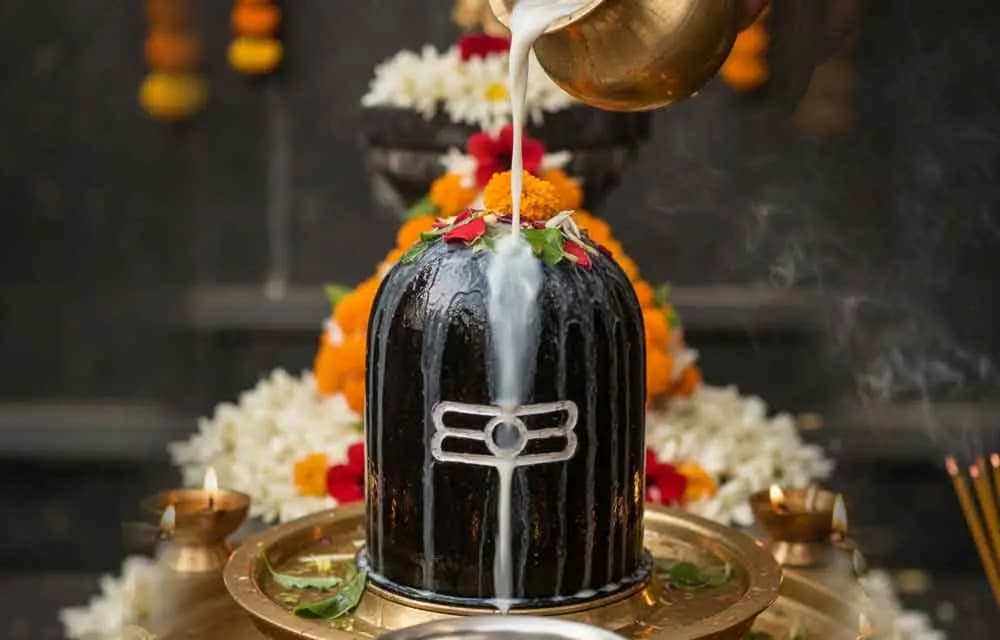
Pour these respectfully on the Shivalingam or Shiva statue while chanting mantras. Many devotees consider Bilva leaves especially sacred to Shiva.
[image: 🕉️] 3. Recite Shiva Mantras
Chanting connects the mind and spirit to Lord Shiva. Recommended mantras include:
[image: 🔹] “Om Namah Shivaya” — the most powerful Shiva mantra
[image: 🔹] Maha Mrityunjaya Mantra — for strength and healing
Repeat these mantras with devotion — ideally during Nishita Kaal or throughout the night.
[image: 🕯️] 4. Perform Rudrabhishek
Rudrabhishek is the ceremonial bath of the Shiva lingam while chanting the Rudra Sukta from the Vedas. This ritual is believed to remove negative energies and attract divine blessings.
Steps involve:
- Pouring water continuously from a kalash
- Adding milk, yogurt, honey, and ghee
- Placing bel leaves
- Lighting a lamp and offering incense
This ceremony may be done at home or at Shiva temples.
[image: 🕉] 5. Night-Long Jagaran & Meditation
Devotees stay awake through the night (jagaran), read Shiva stories, sing bhajans, and meditate. This reflects the spiritual belief that Shiva bestows wisdom and grace during the dark hours.
[image: 🛕] 6. Breaking the Fast (Parana)
If you observe upavasam, break your fast (Parana) on the morning of February 16, 2026 during the prescribed window — usually from early morning until late afternoon.
[image: 🪔] Mantras & Prayer Suggestions
[image: 🔹] “Om Namah Shivaya” – Ideal for all devotees
[image: 🔹] Maha Mrityunjaya Mantra – For peace, health, longevity
[image: 🔹] Rudram Chanting – Highly potent Vedic hymn
Chanting these mantras repetitively with focus and reverence is believed to increase spiritual strength and attract Shiva’s blessings.
[image: 🪔] Significance of Ritual Elements
[image: 🌿] Bilva (Bel) Leaves
Bel leaves are considered extremely dear to Lord Shiva. Offering three-leaf clumps symbolizes the three eyes of Shiva and is believed to wash away sins.
[image: 🐚] Water & Milk Abhishek
Water symbolizes cleansing, milk represents purity, while honey and ghee represent devotion and harmony.
[image: 🕯️] Light & Incense
Lighting diya and incense purifies atmosphere and mind, aiding concentration and devotion.
[image: 🧘♂️] Spiritual Benefits and Beliefs
Devotees believe that observing Mahashivratri with devotion results in:
[image: ✔] Inner peace and tranquility
[image: ✔] Removal of past karmic debts
[image: ✔] Harmony and prosperity
[image: ✔] Strengthened relationships and family wellbeing
[image: ✔] Spiritual upliftment and wisdom
[image: 🧠] Frequently Asked Questions (FAQs)
[image: ❓] What if I miss Nishita Kaal?
Even if the midnight period is missed, prayers during other prahars (evening to sunrise) are still fruitful.
[image: ❓] Can children observe upavasam?
Light fasting or partial food with parental guidance is recommended for young devotees.
[image: ❓] Is Mahashivratri only for Hindus?
While deeply rooted in Hindu tradition, many seekers of all backgrounds respectfully observe fasts or meditation to honor Shiva’s spiritual symbolism.
[image: 🕉️] Conclusion
Mahashivratri 2026 — falling on February 15 with the most auspicious night-long worship through Nishita Kaal — offers a profound opportunity for spiritual dedication, fasting, meditation, and connecting with the divine energy of Lord Shiva. By performing puja with sincerity and observing the vrat with devotion, seekers aim to purify the mind, grow spiritually, and receive Shiva’s everlasting blessings.
For More Devotional Journey, Follow
- Temples
/temples/ - Tirumala Updates
/tirumala/ - Sabarimala Yatra
/category/sabarimala-yatra/ - Pooja, Slokas & Mantras
/pooja-slokas-and-mantras/ - Hindu Gods
/hindu-gods/
You might also like
Maha Shivratri 2026: Complete Puja Guide with Mantras, Four Prahara Vigil & Fast Rules

Gayatri Jayanti 2026: Date, Gayatri Mantra, Puja Vidhi & Significance

Mahalakshmi Vrata 2026: Significance, Rituals, and the Sixteen-Day Puja That Brings Lakshmi Home