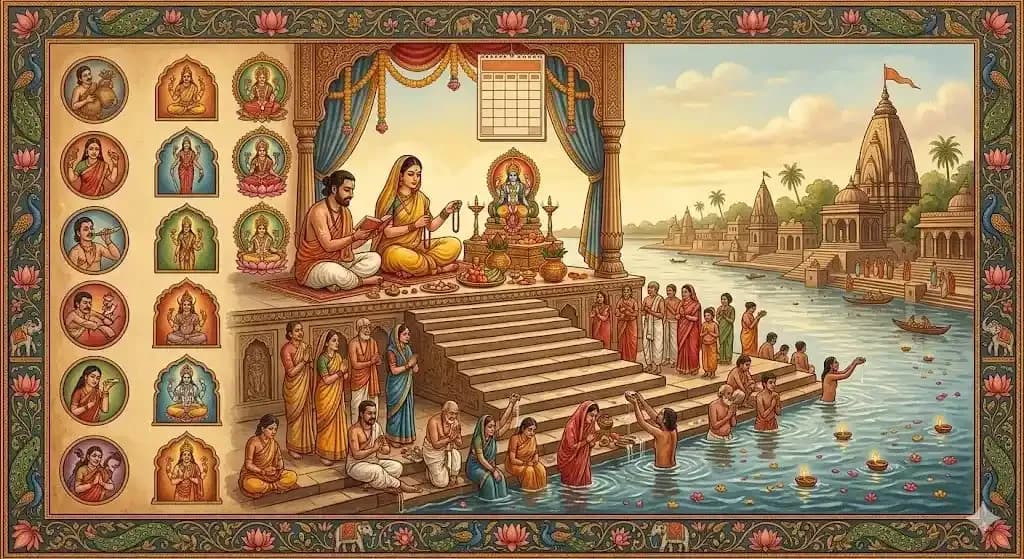
Bhishma Ekadasi 2026: Significance & Fasting Rules
In the timeless tapestry of Sanatana Dharma, where every tithi carries divine significance, Bhishma Ekadasi shines as a beacon of unwavering dharma, selfless…

In the timeless tapestry of Sanatana Dharma, where every tithi carries divine significance, Bhishma Ekadasi shines as a beacon of unwavering dharma, selfless…
In the timeless tapestry of Sanatana Dharma, where every tithi carries divine significance, Bhishma Ekadasi shines as a beacon of unwavering dharma, selfless devotion, and the power of conscious departure. This sacred Ekadasi, observed on Magha Shukla Ekadasi, commemorates the day the grand patriarch Bhishma Pitamah chose to shed his mortal coil, exercising his boon of iccha mrityu (death at will). As the Mahabharata narrates in the Anushasana Parva, lying on the bed of arrows, Bhishma imparted profound wisdom to Yudhishthira, including the recitation of the sacred Vishnu Sahasranama Stotra, revealing the thousand names of Lord Vishnu in the presence of Lord Krishna Himself.
Bhishma Ekadasi invites devotees to reflect on Bhishma's exemplary life—his vow of celibacy (Bhishma Pratijna) for his father's happiness, his unyielding commitment to truth, and his ultimate surrender to divine will. Rooted in the Mahabharata and echoed in Puranic traditions, this day emphasizes longevity, family harmony, sin removal, and spiritual liberation through fasting, Vishnu worship, and special Arghya to Bhishma Pitamah.
In 2026, Bhishma Ekadasi falls on January 29 (Thursday), with the Ekadasi tithi beginning on January 28 at approximately 4:35 PM IST and ending on January 29 at 1:55 PM IST (based on standard Drik Panchang for India). This guide offers a comprehensive, devotional exploration—complete with scriptural references, practical rituals, fasting rules, and step-by-step Arghya vidhi—to help devotees worldwide observe this auspicious day with purity and faith. Embrace these practices to invoke blessings for long life, family well-being, and moksha.
Spiritual Significance of Bhishma Ekadasi
Bhishma Ekadasi is not merely a date; it is a profound reminder of dharma's triumph over time and mortality. In the Mahabharata (Shanti Parva and Anushasana Parva), after the Kurukshetra war, Bhishma lay pierced by arrows for 58 days, waiting for the auspicious Uttarayana (sun's northward journey) to depart his body. Granting him the boon of choosing his death moment, Lord Krishna ensured Bhishma's exit aligned with cosmic harmony.
On this Ekadasi, Bhishma revealed the Vishnu Sahasranama—a sublime hymn extolling Lord Vishnu's infinite qualities. As Bhishma declares to Yudhishthira: "Yāni nāmāni gauṇāni vikhyātāni mahātmanaḥ... sahasraṁ tasya devasya mahābhāgāni nāma bhiḥ" (These thousand names of the great Lord destroy sins and grant peace). Reciting this stotra on Bhishma Ekadasi multiplies merits, purifying the mind and bestowing longevity.
Scriptural references:
- Mahabharata (Anushasana Parva): Bhishma's discourse on dharma, Vishnu worship, and the power of names.
- Padma Purana: Ekadasi vrats absolve sins; special observance on Magha Shukla Ekadasi honors exalted souls like Bhishma.
- Vishnu Purana: Emphasizes devotion to Vishnu for overcoming death's fear.
This day also symbolizes family blessings—Bhishma, childless due to his vow, receives tarpana/Arghya from devotees, teaching that dharma transcends progeny. Observing Bhishma Ekadasi with sincerity grants long life (ayushya), family harmony, obstacle removal, and spiritual strength.
Bhishma Ekadasi 2026: Date, Timings & Muhurat
As per reliable panchang sources (Drik Panchang, aligned for Hyderabad/New Delhi):
- Ekadasi Tithi Begins: January 28, 2026 – 4:35 PM IST
- Ekadasi Tithi Ends: January 29, 2026 – 1:55 PM IST
- Parana (Breaking Fast) Muhurat: January 29, 2026 – after sunrise (approx. 7:00 AM) to before Dwadashi ends (check local panchang for exact; often 7:13 AM to 9:29 AM in some regions)
- Best Time for Arghya & Puja: Morning after holy bath; evening for Vishnu Sahasranama recitation.
Observe the vrat on January 29 when tithi predominates. Consult local priest or panchang for regional variations, as tithi timings shift slightly.
Fasting Rules & Vrat Guidelines for Bhishma Ekadasi
Ekadasi fasting purifies body and soul, aligning with lunar energies. On Bhishma Ekadasi, combine standard Ekadasi vrat with Bhishma remembrance.
Types of Vrat:
- Nirjala (Strict): No food/water entire day—ideal for spiritual merit.
- Phalahara: Fruits, milk, nuts, sabudana—common for families.
- Partial: One meal after puja; avoid grains, salt, tamasic foods.
Rules:
- Wake in Brahma Muhurta; holy bath.
- No grains, beans, onion/garlic; sattvic diet.
- Maintain celibacy, truthfulness, no anger.
- Break fast (parana) next day with simple meal.
- Health exceptions: Light fruits or milk for elderly/ill.
Benefits: Sin removal, health, longevity—as Ekadasi pleases Lord Vishnu.
Step-by-Step Rituals & Puja Vidhi
Perform with devotion at home or temple.
- Preparation:
- Clean altar; place Vishnu/Bhishma image, tulsi, flowers, fruits, lamp.
- Resolve: "I observe Bhishma Ekadasi for longevity and family blessings."
- Morning Holy Bath:
- Bath with sesame seeds/Gangajal; chant "Om Namo Narayanaya."
- Main Puja:
- Light ghee lamp; offer tulsi, flowers, sandalwood.
- Chant Vishnu Sahasranama 1-11 times.
- Recite mantras: "Om Bhishma Pitamahaya Namah," "Om Namo Bhagavate Vasudevaya."
- Arghya to Bhishma Pitamah (Key Ritual):
- Face north/east; hold copper vessel with water, flowers, akshata.
- Chant: "Om Bhishma Devaya Vidmahe, Pratijna Dharine Dhimahi, Tanno Bhishma Prachodayat" (or simple "Om Bhishma Pitamahaya Arghyam Samarpayami").
- Pour water in three parts (symbolizing past, present, future) while praying for long life, family protection.
- Offer mentally: "O Bhishma Pitamah, grant us dharma, ayushya, and harmony."
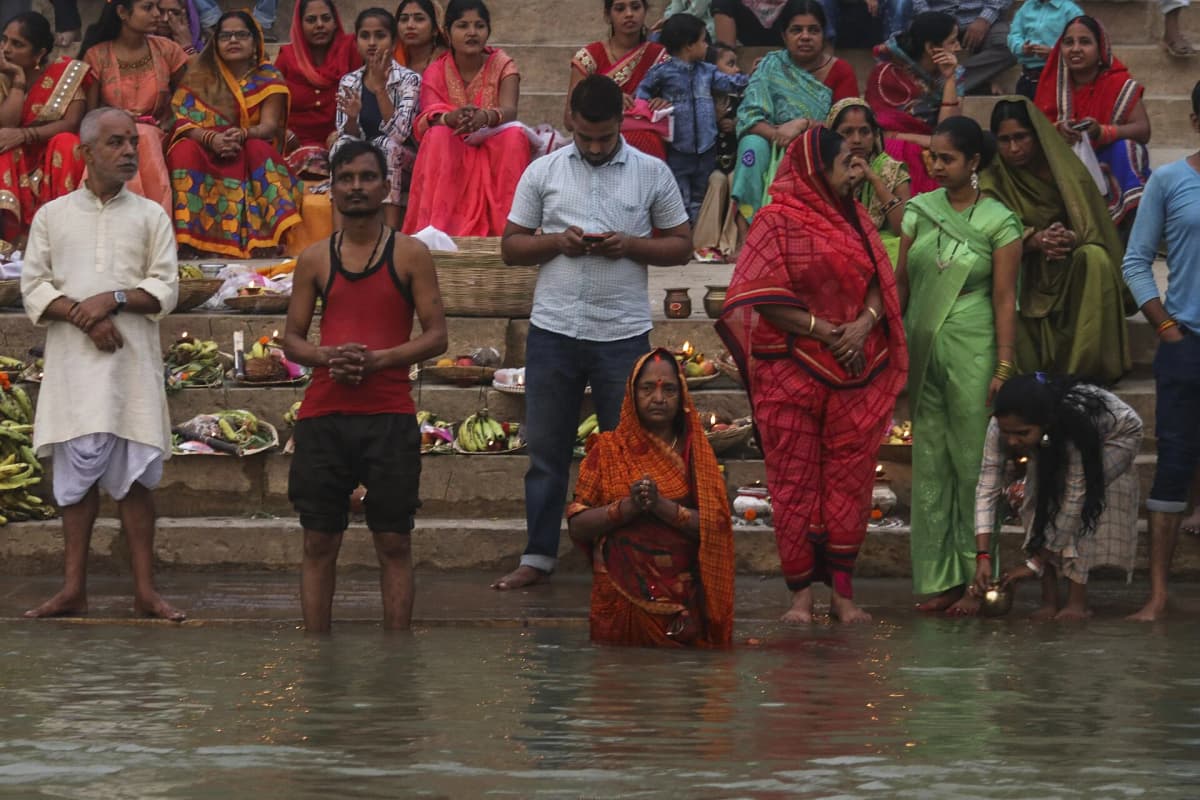
- If near river, perform in water; at home, pour into tulsi pot.
- Vishnu Puja & Katha:
- Offer fruits, sweets; read Mahabharata excerpts on Bhishma.
- Aarti with camphor.
- Evening:
- Recite Vishnu Sahasranama; meditate on Bhishma's sacrifice.
- Charity:
- Donate food, clothes, sesame to needy/Brahmins.
These rituals foster deep connection with dharma.
Benefits of Observing Bhishma Ekadasi
Scriptures promise:
- Longevity: Arghya to Bhishma grants ayushya vriddhi.
- Family Blessings: Progeny, harmony (as Bhishma receives offerings).
- Sin Removal: Vishnu Sahasranama recitation purifies.
- Spiritual Growth: Moksha path through devotion.
Devotees report peace, health, resolved issues.
Regional Variations & Traditions
- North India: Focus on Vishnu puja, Sahasranama.
- South India (Andhra/Telangana): Special Arghya/Tarpana for progeny.
- Worldwide Diaspora: Home altars, online kathas.
Incorporate family participation.
Bhishma Ekadasi 2026 beckons us to emulate Bhishma's dharma. May Bhishma Pitamah and Lord Vishnu bless you with enduring life and bliss.
Hari Om Tat Sat.
For More Devotional Journey, Follow
- Temples
/temples/ - Tirumala Updates
/tirumala/ - Sabarimala Yatra
/category/sabarimala-yatra/ - Pooja, Slokas & Mantras
/pooja-slokas-and-mantras/ - Hindu Gods
/hindu-gods/
Frequently Asked Questions
When is Bhishma Ekadasi 2026?
Bhishma Ekadasi is observed on its traditional tithi in the Hindu lunar calendar; refer to the year's panchang for the exact date in your region.
What is the significance of Bhishma Ekadasi?
In the timeless tapestry of Sanatana Dharma , where every tithi carries divine significance, Bhishma Ekadasi shines as a beacon of unwavering dharma, selfless devotion, and the power of conscious departure. This sacred Ekadasi, observed on Magha Shukla Ekadasi, commemorates the day the grand patriarch Bhishma Pitamah chose to shed his mortal coil, exercising
How is Bhishma Ekadasi celebrated?
Devotees observe it with puja, fasting or special offerings, visiting temples, chanting mantras, and gathering with family. Customs vary by region and tradition.
What should devotees do on Bhishma Ekadasi?
Take a sacred bath, perform the day's puja and charity (dana), observe any prescribed fast, and chant mantras with sincere devotion.
You might also like
Gayatri Jayanti 2026: Date, Gayatri Mantra, Puja Vidhi & Significance
Dasha Papahara Dashami 2026: The Sacred Vrat That Frees You from Ten Sins – Complete Significance and Rituals

Mahalakshmi Vrata 2026: Significance, Rituals, and the Sixteen-Day Puja That Brings Lakshmi Home