Gujarat ATS Arrests Three ISKP Suspects in Ricin Terror Plot
Ahmedabad, November 9, 2025 – In a significant breakthrough against terrorism, the Gujarat Anti-Terrorism Squad (ATS) has arrested three suspects allegedly…
Ahmedabad, November 9, 2025 – In a significant breakthrough against terrorism, the Gujarat Anti-Terrorism Squad (ATS) has arrested three suspects allegedly…
Ahmedabad, November 9, 2025 – In a significant breakthrough against terrorism, the Gujarat Anti-Terrorism Squad (ATS) has arrested three suspects allegedly linked to the Islamic State Khorasan Province (ISKP), thwarting a sinister plot to unleash mass casualties using the deadly ricin toxin and firearms. The operation, which unfolded near the Adalaj Toll Plaza in Gandhinagar, has exposed a sophisticated network involving chemical weapons, cross-border arms smuggling, and reconnaissance across major Indian cities.
The Arrests and Key Suspects
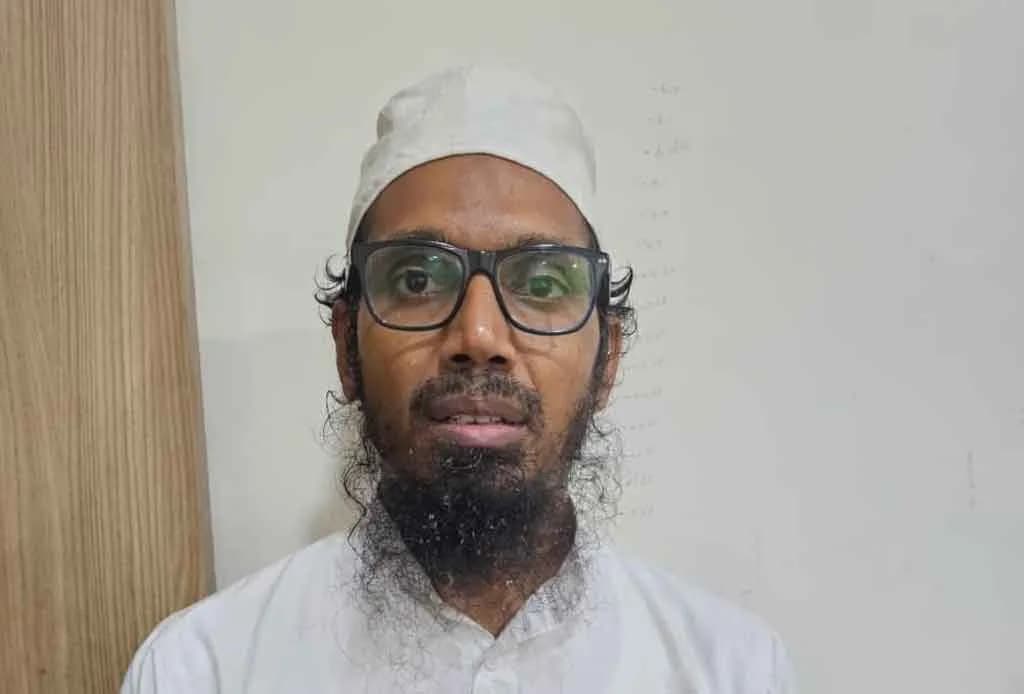
The primary accused is Dr. Ahmed Mohiuddin Syed, a 35-year-old doctor from Hyderabad, Telangana, who holds an MBBS degree from China. Syed, described by investigators as highly educated yet radicalized, is believed to have spearheaded the production of ricin, a highly lethal protein toxin extracted from castor beans. Known for its notoriety in past assassination attempts—including threats against two U.S. Presidents—ricin has no specific antidote and can cause death through ingestion, inhalation, or injection.
Accompanying Syed are two accomplices from Uttar Pradesh: Azad Suleman Sheikh, a 20-year-old tailor from Shamli, and Mohammad Suhail Mohammad Saleem Khan (also referred to as Mohd Suhel Salim Khan), a 23-year-old student from Lakhimpur Kheri. The trio was apprehended on November 8, 2025, during a year-long surveillance operation by the Gujarat ATS, based on intelligence indicating their involvement in terror activities.
Gujarat ATS Deputy Inspector General (DIG) Sunil Joshi revealed during a press briefing that the suspects were in Gujarat to exchange weapons and finalize plans for large-scale attacks. "Syed wanted to commit a terrorist activity that would cause huge harm," Joshi stated, emphasizing the group's intent to target public spaces for maximum impact.
The Foiled Plot: Ricin and Reconnaissance
The plot centered on deploying ricin as a chemical weapon alongside firearms to inflict mass casualties in crowded areas. Syed had already initiated the synthesis process, procuring equipment, raw materials like castor oil, and conducting preliminary chemical processing in his possession. Investigators recovered four liters of castor oil, a key precursor for ricin production, underscoring how advanced the operation was.
The two Uttar Pradesh natives, Sheikh and Khan, played a crucial role in logistical support. They conducted reconnaissance at high-traffic public sites in Lucknow, Delhi, and Ahmedabad, scouting potential attack locations. These surveys were aimed at identifying vulnerabilities for deploying the toxin and executing shootings. The group's movements were tracked after intelligence pinpointed Syed's travel from Hyderabad to Ahmedabad for a weapons handover.
This chilling scheme highlights the evolving threat of bioterrorism, where accessible materials like castor beans—common in households and industries—can be weaponized by determined actors. Ricin's stability and potency make it a favored agent for non-state militants, capable of contaminating food, water, or air in public venues.
Seizures and Cross-Border Links
The ATS operation yielded a significant haul of incriminating evidence. From the suspects' possession, authorities seized:
- Two Glock pistols
- One Beretta pistol
- 30 live cartridges of ammunition
These firearms were allegedly smuggled across the Pakistan border via drones, a tactic increasingly used by terror networks. The weapons were collected from a "dead drop" location near Kalol in Gujarat, after being routed from Hanumangarh in Rajasthan.
Digital forensics uncovered Syed's communications via Telegram with a handler known as Abu Khadija, an Afghan national affiliated with ISKP. Khadija, operating from Afghanistan, coordinated the arms supply and ideological indoctrination. Syed was also in touch with several Pakistani contacts, raising alarms about transnational support for the module. While direct ISKP ties are under verification, the evidence points to a handler directing operations from abroad.
Legal Actions and Ongoing Probe
The suspects have been charged under stringent provisions of the Unlawful Activities (Prevention) Act (UAPA), Bharatiya Nyaya Sanhita (BNS), and the Arms Act. A local court remanded Dr. Syed to ATS custody until November 17, 2025, while Sheikh and Khan were scheduled for production on November 9. Interrogations are ongoing, with the Gujarat ATS expanding its probe to other states, including Telangana and Uttar Pradesh, to dismantle the broader network.
Coordination with central agencies like the National Investigation Agency (NIA) and state police forces is in full swing. Investigators are probing funding sources, potential recruits, and additional sleeper cells. "Whether they have direct involvement with ISKP is a matter of investigation," DIG Joshi noted, cautioning that the module's full extent remains fluid.
Broader Implications for National Security
This bust comes amid heightened vigilance against ISKP-inspired modules in India, following similar disruptions in recent years. The use of chemical agents like ricin signals a dangerous shift toward unconventional warfare, challenging traditional counter-terrorism frameworks. It also underscores the role of social media and encrypted apps in radicalization, with Syed's foreign contacts exploiting these platforms to groom and arm local operatives.
Security experts hail the Gujarat ATS's proactive intelligence work, which prevented what could have been a catastrophic strike. As India grapples with these hybrid threats, enhanced border surveillance, chemical forensics capabilities, and international cooperation will be pivotal.
The nation breathes a sigh of relief today, but the shadows of such plots remind us that vigilance must remain eternal. The Gujarat ATS's swift action not only saved lives but also sent a resounding message to terror networks: India stands resolute.
Hindutone.com will continue to monitor developments in this case and provide updates as they emerge.
Frequently Asked Questions
What is Gujarat ATS Arrests Three ISKP Suspects in Ricin?
Ahmedabad, November 9, 2025 – In a significant breakthrough against terrorism, the Gujarat Anti-Terrorism Squad (ATS) has arrested three suspects allegedly linked to the Islamic State Khorasan Province (ISKP), thwarting a sinister plot to unleash mass casualties using the deadly ricin toxin and firearms. The operation, which unfolded near the Adalaj Toll Pla
What are the key points about Gujarat ATS Arrests Three ISKP Suspects in Ricin?
The Arrests and Key Suspects The primary accused is Dr. Ahmed Mohiuddin Syed, a 35-year-old doctor from Hyderabad, Telangana, who holds an MBBS degree from China.
Why does Gujarat ATS Arrests Three ISKP Suspects in Ricin matter in Hinduism?
It reflects core values of Sanatana Dharma and offers practical and spiritual guidance that remains relevant across generations.
How can devotees apply Gujarat ATS Arrests Three ISKP Suspects in Ricin in daily life?
By reflecting on its teaching, incorporating the related practices or observances into daily routine, and approaching it with sincere devotion and understanding.
You might also like

Shani Deva Temples Worldwide & Must-Performed Rituals — Complete Devotee's Guide

ISKCON to Serve Pure Sattvik Mid-Day Meals to School Children in Bengal | Suvendu Adhikari Initiative

The Resolve of a Monk – A Divine Incident Showcasing Kanchi Paramacharya’s Compassion