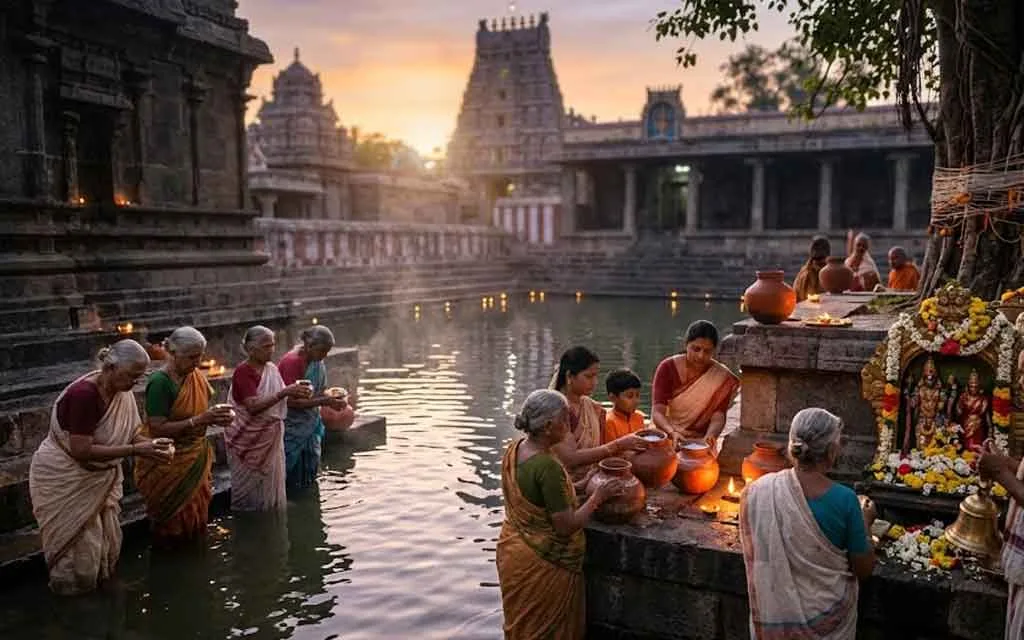
Balancing Career and Spirituality: Timeless Lessons from Hindu Dharma
In the fast-paced world we live in, the constant tug-of-war between professional obligations and personal well-being often leaves us drained, disconnected, and…

In the fast-paced world we live in, the constant tug-of-war between professional obligations and personal well-being often leaves us drained, disconnected, and spiritually barren. But the ancient wisdom of Sanatana Dharma, or Hindu Dharma, offers profound insights into harmonizing our career and spirituality—not by choosing one over the other, but by blending them into a meaningful and purpose-driven life.
At HinduTone.com, we believe that Hinduism is not just a religion confined to temples or rituals—it’s a way of life that flows into our thoughts, work, relationships, and even our ambitions. Let's explore how the teachings of Hindu Dharma can guide modern professionals toward balance, fulfillment, and spiritual growth.
1. Understanding Dharma in Daily Work
The word Dharma itself is central to this balance. It does not merely mean religious duty—it signifies one’s righteous path, duty, and truth in any sphere of life.
Lord Krishna in the Bhagavad Gita reminds us:
"Svadharme nidhanam shreyah, paradharmo bhayavahah"
(It is better to perform one's own duty, even if imperfectly, than to perform another's duty perfectly.) – BG 3.35
This message emphasizes that your professional role is part of your personal Dharma. Whether you're a teacher, IT professional, doctor, or entrepreneur—your work, when done ethically and with dedication, is a form of seva (service) and spiritual practice.
2. Work as Worship (Karma Yoga)
Hindu Dharma glorifies the concept of Karma Yoga—the path of action without attachment. Lord Krishna tells Arjuna:
"Karmanye vadhikaraste ma phaleshu kadachana"
(You have a right to perform your duties, but not to the fruits of your actions.) – BG 2.47
This principle is especially relevant in the modern world where stress arises from expectations and outcomes. When we perform our work with selflessness, discipline, and inner detachment, it becomes a meditative act—a form of yajna (sacrifice) offered to the Divine.
This transforms even mundane tasks into sacred actions, making our career a spiritual journey.
3. Time for Reflection and Sadhana
While building a career, don’t neglect the inner self. The Vedas and Upanishads speak of the Atman (soul)—eternal, pure, and unaffected by worldly success or failure.
Set aside time for daily sadhana (spiritual discipline)—be it:
- Japa (chanting) of mantras like Om Namah Shivaya or Hare Krishna
- Meditation for inner stillness
- Reading scriptures like the Gita or Upanishads for clarity
- Offering puja, even if briefly, before starting your day
These practices nurture your soul, offering peace amidst deadlines and meetings, and grounding you in eternal truths.
4. Spiritual Values in Professional Life
The pillars of Hindu Dharma—Satya (truth), Ahimsa (non-violence), Daya (compassion), and Shaucham (purity)—can be beautifully integrated into professional settings.
- Speak truth, but with kindness.
- Compete without jealousy.
- Lead with integrity.
- Treat colleagues with respect.
- Share knowledge selflessly.
When you live by these values, your workplace becomes a Karma Bhoomi (land of action) where spiritual evolution unfolds through your interactions.
5. Inspiration from Saints and Kings
History is filled with noble examples of those who balanced power and piety:
- King Janaka, a ruler and sage, performed royal duties while being a realized soul.
- Swami Vivekananda emphasized service to humanity as the highest form of worship.
- Sri Ramakrishna Paramahamsa taught that a householder can also attain God through sincerity and devotion in daily life.
Their lives remind us that you don’t need to renounce the world to realize the Self.
6. Creating Sacred Moments Amidst Chaos
Spirituality doesn’t require an ashram. Even in a busy office, you can:
- Keep a small photo of your Ishta Devata (beloved deity) on your desk
- Listen to Vedic chants while working
- Practice mindfulness during breaks
- Offer your work as a prayer before starting
This keeps the flame of devotion alive, lighting your path even in high-pressure environments.
7. Ultimate Goal: Inner Harmony
In Hindu Dharma, the aim of life is not just artha (wealth) and kama (desire), but also dharma (righteousness) and moksha (liberation). When we align our careers with these four Purusharthas (goals of life), we move from existence to excellence, and from achievement to awakening.
As the Upanishads say:
"Yad bhavam tad bhavati" – (As you think, so you become.)
So, fill your thoughts with divinity, purpose, and gratitude, and see how your outer world transforms.
Conclusion: A Journey of Balance and Bliss
Balancing career and spirituality is not a contradiction—it’s a divine dance. Sanatana Dharma does not ask you to abandon the world but invites you to see the Divine in every role you play.
At www.hindutone.com, we encourage you to embrace this ancient wisdom to lead a life that is both professionally successful and spiritually fulfilling.
May your work be your worship, your desk your altar, and your life a sacred offering to the Supreme.
Om Tat Sat.
Frequently Asked Questions
How can I treat my job as spiritual practice in Hindu Dharma?
Your profession is part of your personal Dharma, so work done ethically and with dedication becomes seva (service) and spiritual practice. Offering the work as a prayer before starting keeps that attitude alive.
What does Karma Yoga teach about stress at work?
Karma Yoga is action without attachment, as in Bhagavad Gita 2.47: you have a right to your duty but not to its fruits. Working selflessly, without fixating on outcomes, eases stress from expectations and turns work into a meditative offering.
What does Svadharme nidhanam shreyah mean for my career choice?
Bhagavad Gita 3.35 says it is better to perform your own duty imperfectly than another's duty perfectly. Your own role, whether teacher, doctor, IT professional or entrepreneur, is your path of Dharma.
What daily sadhana can a busy professional follow?
Options include japa of mantras like Om Namah Shivaya or Hare Krishna, quiet meditation, reading the Gita or Upanishads, and a brief puja before the day begins. Even short practices give peace amid deadlines and meetings.
Can I stay spiritual in a busy office without going to a temple?
Yes. Keep a small photo of your Ishta Devata on your desk, listen to Vedic chants while working, practise mindfulness during breaks, and offer your work as a prayer. Spirituality does not require an ashram.
Do I have to renounce the world to realise the Self?
No. King Janaka ruled while being a realised soul, and Sri Ramakrishna taught that a householder can attain God through sincerity and devotion in daily life.
Share this with family and friends
Send it on WhatsApp, post it, or copy the link.
More from Spirituality
- Chilkur Balaji 'Visa Balaji' Temple: The 11 and 108 Pradakshina Custom Explained for NRIs
- Ekagrata (One-Pointedness): Yoga Concentration and Samyama Glossary
- Complete MBBS Once in Life: The Spiritual Meaning of Mahabharata, Bhagavatam, Bhagavad Gita & Ramayana
- Sri Medha Dakshinamurthy Swami Dhyanam | Meditation Sloka for Intelligence, Eloquence & Self-Realization
- What Is True Poverty? | Dharma Is the Greatest Wealth | Sanatana Dharma
You might also like

108 Shakti Peethas: The Divine Geography of the Goddess — Complete Guide
Mandukya Upanishad: The Shortest Path to Liberation (Moksha) in Advaita Vedanta | HinduTone
Purushottam Maas 2026: Lord Vishnu's Sacred Gift of Spiritual Multiplication & Divine Grace