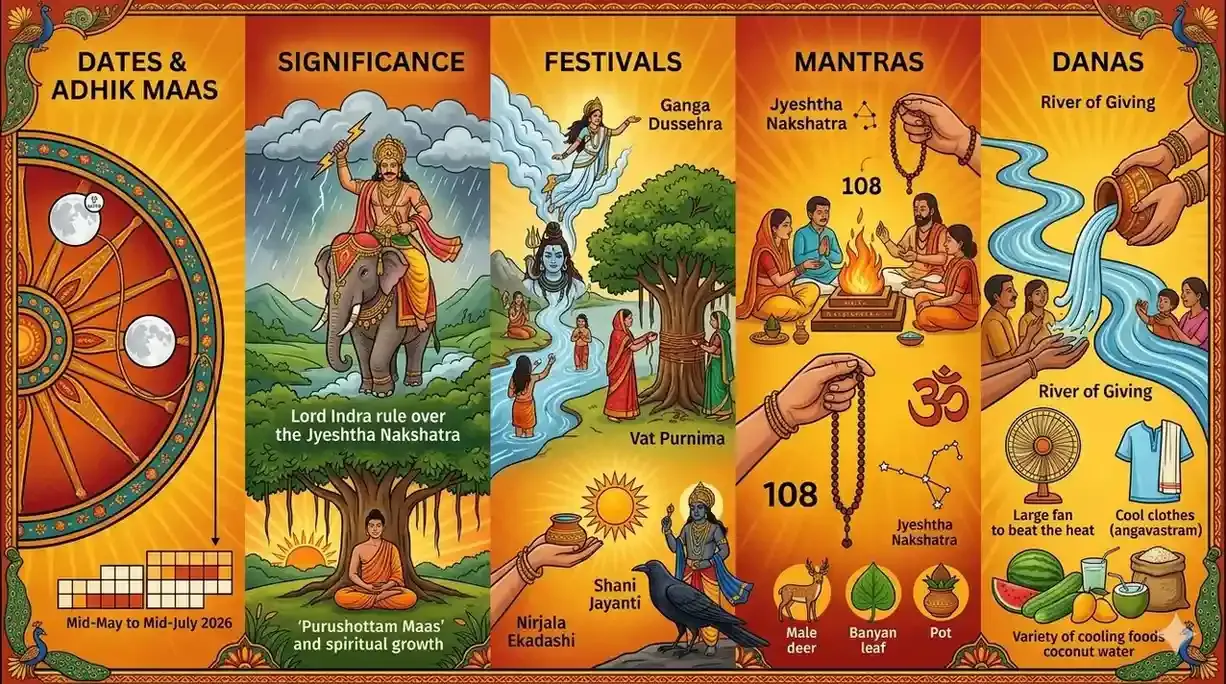
Vaikuntha Ekadashi 2025: Dates, Timings, Rituals & Complete Guide | Mokshada Ekadashi
Introduction Vaikuntha Ekadashi stands as the most sacred among all Ekadashi observances in the Hindu calendar.
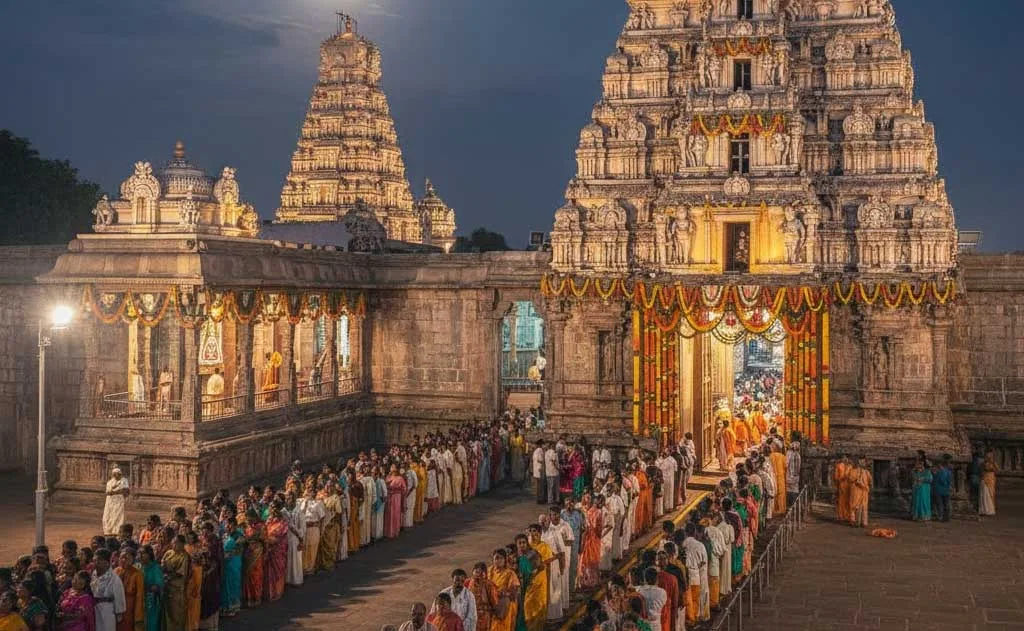
Introduction Vaikuntha Ekadashi stands as the most sacred among all Ekadashi observances in the Hindu calendar.
Introduction
Vaikuntha Ekadashi stands as the most sacred among all Ekadashi observances in the Hindu calendar. This divine festival, celebrated with profound devotion across India, marks the opening of the celestial gates to Vaikuntha—the eternal abode of Lord Vishnu. In 2025, this auspicious occasion occurs twice, offering devotees unique opportunities for spiritual transformation and divine blessings.
Vaikuntha Ekadashi 2025 Dates and Timings
First Observance: January 10, 2025
- Ekadashi Tithi Begins: 12:22 PM, January 9, 2025
- Ekadashi Tithi Ends: 10:19 AM, January 10, 2025
- Fasting Day: January 10, 2025 (Friday)
- Parana (Fast Breaking) Time: January 10, 2025, between 01:26 PM and 03:31 PM (Vaishnava tradition)
- Dwadashi End: 08:21 AM, January 10, 2025
Second Observance: December 30, 2025
- Ekadashi Tithi Begins: 07:50 AM, December 30, 2025
- Ekadashi Tithi Ends: 05:00 AM, December 31, 2025
- Fasting Day: December 31, 2025 (Wednesday)
- Parana Time: December 31, 2025, between 01:26 PM and 03:31 PM (for Vaishnava tradition) or January 1, 2026, between 07:14 AM and 09:18 AM (for Smartha tradition)
Note: The timings may vary based on geographical location. Devotees should consult their local panchang for precise timings in their area.
What is Vaikuntha Ekadashi?
Vaikuntha Ekadashi is observed on the 11th lunar day of the waxing lunar fortnight of the solar month of Dhanu, falling between December 16 and January 13 in the Gregorian calendar. The word "Vaikuntha" translates to "a place completely free from anxieties," representing the supreme spiritual realm where liberated souls eternally engage in devotional service to Lord Vishnu.
Regional Names
- Tamil Nadu: Mukkoti Ekadashi (celebrated in Margazhi month)
- Kerala: Swargavathil Ekadashi (meaning "Gateway to Heaven")
- Throughout India: Also known as Mokshada Ekadashi or Putrada Ekadashi
The Sacred Story Behind Vaikuntha Ekadashi
The Legend of Murasura
According to the Padma Purana, there was once a demon named Murasura who terrorized the devas after receiving a powerful boon from Brahma. When the gods sought Lord Vishnu's help, he engaged in a fierce battle with the demon but found himself unable to defeat him immediately.
During the battle, Vishnu traveled to a cave called Simhavati near Badarikashrama, where he summoned Yogamaya, a goddess created from his divine energy, who defeated the demon. Pleased with her courage, Lord Vishnu named her "Ekadashi" and declared that those who observe fasting on this day would attain salvation and be freed from all sins.
The Vaikuntha Dwara Tradition
The tradition of the Vaikuntha Dwara (Gateway to Heaven) emerged when Lord Vishnu opened the gates of his celestial abode for devotees. It is believed that passing through this sacred gateway on Vaikuntha Ekadashi grants liberation from the cycle of birth and death, allowing souls to attain Vaikuntha directly.
Spiritual Significance of Vaikuntha Ekadashi
Supreme Among All Ekadashis
Fasting on Vaikuntha Ekadashi is considered equivalent to fasting on all 23 other Ekadashis of the year. This makes it the most powerful day for spiritual purification and divine connection.
Benefits of Observing Vaikuntha Ekadashi
- Liberation from Sins: Fasting on this day purifies sins accumulated over seven lifetimes
- Divine Blessings: Devotees receive the grace of both Lord Vishnu and Goddess Lakshmi
- Material Prosperity: The nine treasures (Navaratnas) of Kubera are said to bestow wealth and happiness
- Spiritual Advancement: Direct path to moksha (liberation) from the cycle of rebirth
- Mental Purification: Complete cleansing of the mind and soul through devotional practices
Opening of the Celestial Gates
It is believed that the Vaikuntha Dwaram—the gateway to Lord Vishnu's abode—opens on this day, and anyone who enters through this door attains Vaikuntha. Major Vishnu temples across India create special entrances called "Paramapada Vasal" or "Vaikuntha Dwaram" that are opened only once a year on this sacred occasion.
Vaikuntha Ekadashi Fasting Rules and Guidelines
Types of Fasting
There are three levels of observing Vaikuntha Ekadashi fast, allowing devotees to choose according to their physical capacity:
1. Nirjala Ekadashi (Complete Fast)
- Complete abstinence from both food and water for 24 hours
- Considered the highest form of observance
- Recommended only for those with strong determination and good health
2. Phalahari (Partial Fast)
- Consumption of fruits, milk, and nuts allowed
- Most commonly practiced form
- Suitable for those unable to observe complete fast
3. Modified Fast
- Light vegetarian food without grains
- For elderly, pregnant women, and those with health conditions
- Always consult a physician before fasting
Foods to Avoid on Vaikuntha Ekadashi
Strictly Prohibited:
- All varieties of rice (most important)
- Grains and cereals (wheat, barley, etc.)
- Pulses and beans (lentils, chickpeas)
- Vegetables with seeds (tomatoes, eggplant)
- Leafy vegetables (spinach, fenugreek)
- Onions and garlic
- Non-vegetarian food
- Coffee, tea, and caffeinated beverages
- Yogurt, buttermilk, and curd
Allowed Foods:
- Fresh and dried fruits (without seeds)
- Milk and milk products
- Nuts (almonds, cashews, walnuts)
- Potatoes and sweet potatoes
- Sabudana (tapioca pearls)
- Cucumber
- Pumpkin
- Water (for those not observing Nirjala)
Important Fasting Guidelines
- Dashami Preparation: On the day before Ekadashi (Dashami), eat only one meal during lunch
- Ekadashi Day: Maintain complete fast from sunrise to sunset on the following day
- Mental Purity: Avoid negative thoughts, anger, and physical intimacy
- Spiritual Activities: Engage in prayers, meditation, chanting, and temple visits
- Night Vigil: Stay awake throughout the night listening to Lord Vishnu's stories and singing bhajans
Complete Vaikuntha Ekadashi Rituals and Puja Vidhi
Morning Rituals
- Wake Up Early: Rise before sunrise, ideally during Brahma Muhurta (4:00-6:00 AM)
- Purifying Bath: Take a cleansing bath and wear clean, preferably yellow or white clothes
- Sankalpa: Take a vow to observe the fast with complete devotion
- Morning Prayers: Chant "Om Namo Bhagavate Vasudevaya" 108 times
Home Puja Procedure
- Prepare the Altar: Clean the worship area thoroughly and create a sacred space
- Install the Deity: Place an image or idol of Lord Vishnu, Lord Krishna, or Lord Rama
- Offerings: Arrange fresh flowers (especially tulsi leaves), fruits, incense, and a lamp
- Abhishekam: If possible, perform ritual bathing of the deity with panchamrit (milk, honey, ghee, yogurt, and sugar)
- Alankara: Decorate the deity with flowers, sandalwood paste, and new clothes
- Naivedya: Offer fresh fruits, sweets, and tulsi leaves
- Aarti: Perform aarti with camphor or ghee lamp while chanting Vishnu stotras
Essential Mantras and Prayers
Basic Vishnu Mantra:
Om Namo Bhagavate Vasudevaya
Vishnu Sahasranamam: Recite the thousand names of Lord Vishnu Bhagavad Gita: Read selected chapters or verses Narayan Kavacham: Chant for divine protection Venkatesha Stotram: Special prayers for Lord Venkateswara
Day-Long Activities
- Continuous Chanting: Engage in Hari nama sankeertana (chanting Lord's names)
- Scripture Reading: Read from Bhagavad Gita, Vishnu Purana, or Srimad Bhagavatam
- Meditation: Practice dhyana focusing on Lord Vishnu's divine form
- Charity: Donate food, clothes, or money to the needy
- Temple Visit: Visit a Vishnu temple in the evening to witness special pujas
Night Vigil (Jagaran)
Devotees keep vigil the whole night, spending time at Vishnu temples or singing prayers and listening to stories dedicated to Lord Vishnu.
Night Activities:
- Sing devotional bhajans and kirtans
- Listen to discourses on Lord Vishnu's pastimes
- Watch devotional films or documentaries
- Participate in group chanting sessions
- Meditate on Vishnu's divine qualities
Breaking the Fast (Parana Vidhi)
Parana Rules and Timing
Parana must be done after sunrise on the next day of Ekadashi within Dwadashi Tithi, and not doing Parana within Dwadashi is considered an offense.
Important Guidelines:
- Wait for sunrise on Dwadashi (the day after Ekadashi)
- Avoid breaking the fast during Hari Vasara (first quarter of Dwadashi)
- The most preferred time is Pratahkal (morning time)
- If unable to break fast in the morning, do so after Madhyahna (afternoon)
Parana Procedure
- Take a morning bath
- Offer prayers to Lord Vishnu
- Light a lamp and offer fresh tulsi leaves
- Begin with water and then consume light food
- Gradually return to normal diet
Vaikuntha Ekadashi Celebrations at Famous Temples
Tirumala Venkateswara Temple, Tirupati
At Tirumala, the Vaikuntha Dwaram opens in the early hours of Vaikuntha Ekadashi and remains open for 10 days, closing on January 8, 2026.
Special Features:
- Vaikuntha Dwara Darshan for eight lakh devotees during the 10-day period
- Temple decorated with magnificent flowers and lights
- Continuous Vedic chanting and special abhishekams
- Online booking system for darshan tickets (released on December 5)
- VIP darshan allowed only for protocol dignitaries
2025-26 Schedule:
- Opening: December 30, 2025, at 3:00 AM
- Closing: January 8, 2026, at 11:59 PM
- Peak celebrations: December 30, 2025 - January 15, 2026
Sri Ranganathaswamy Temple, Srirangam
Vaikuntha Ekadashi celebrations at Srirangam last for 20 days, divided into Pagal Pathu (morning part, 10 days) and Ira Pathu (night part, 10 days).
Unique Traditions:
- The processional deity Namperumal blesses devotees in diamond and gem armor through the northern gate called Paramapada Vasal
- This sacred gate opens only once a year on Vaikuntha Ekadashi
- Grand processions with elaborately decorated deities
- Thousands of devotees pass through the Paramapada Vasal seeking liberation
Other Major Celebrations
- Ranganathaswamy Temple, Srirangapatna, Karnataka: First of the Panchranga Kshetra temples
- Mahalakshmi Temple, Gubbi: Known for elaborate decorations and rituals
- Rajagopalaswamy Temple, Mannargudi: Grand festivities and community celebrations
- ISKCON Temples Worldwide: Special programs with extended hours and devotional activities
Regional Celebrations Across India
South India
- Most elaborate and grand celebrations
- Temples witness massive devotee gatherings
- Traditional music and dance performances
- Distribution of prasadam to thousands
North India
- Temple decorations with lights and flowers
- Community bhajan and kirtan sessions
- Special prasad distribution
- Gita recitation programs
East India
- Focus on scriptural readings
- Traditional Bengali kirtans
- Elaborate vegetarian feast after fast breaking
- Cultural programs showcasing Vaishnava traditions
West India
- Maharashtra and Gujarat celebrate with unique local traditions
- Special emphasis on charity and community service
- Distribution of Ekadashi prasadam
- Organized discourses by spiritual leaders
Scientific and Health Benefits of Ekadashi Fasting
Physical Benefits
- Digestive Rest: Allows the digestive system to rejuvenate
- Detoxification: Helps eliminate toxins from the body
- Weight Management: Promotes healthy metabolism
- Improved Circulation: Enhances blood flow and cardiovascular health
- Cellular Repair: Promotes autophagy and cellular regeneration
Mental Benefits
- Enhanced Focus: Improves concentration and mental clarity
- Emotional Stability: Helps control emotions and reduces stress
- Spiritual Awareness: Heightens consciousness and intuition
- Self-Discipline: Strengthens willpower and self-control
Precautions
- Pregnant women should avoid strict fasting
- Elderly and infirm should consult physicians
- Those on medication should continue treatment
- Diabetics should fast under medical supervision
- Listen to your body and avoid extremes
Tips for First-Time Observers
Preparation (One Week Before)
- Gradually reduce heavy food consumption
- Increase water intake
- Practice waking up early
- Learn basic prayers and mantras
- Prepare necessary puja items
During the Fast
- Keep yourself engaged in spiritual activities
- Avoid strenuous physical work
- Stay in positive company
- Maintain hydration (if not observing Nirjala)
- Focus on the spiritual purpose, not the physical challenge
After the Fast
- Break fast gradually with light foods
- Avoid overindulgence
- Reflect on the spiritual experience
- Plan for the next Ekadashi observance
- Incorporate learnings into daily life
Vaikuntha Ekadashi in Modern Times
Digital Age Observance
- Live streaming of temple celebrations
- Virtual darshan opportunities
- Online satsang and bhajan sessions
- Digital distribution of spiritual literature
- Social media communities for support
Maintaining Tradition
Despite modern challenges, millions continue observing this sacred festival with complete devotion. The essence remains unchanged: sincere devotion, self-discipline, and connection with the divine.
Frequently Asked Questions
Q1: Can I drink water during Vaikuntha Ekadashi fast? A: Yes, unless you're observing Nirjala Ekadashi. Most devotees drink water throughout the fast.
Q2: What if I accidentally eat prohibited food during the fast? A: Sincerely apologize to Lord Vishnu and continue the fast with devotion. The deity understands human mistakes made without intention.
Q3: Can working professionals observe this fast? A: Absolutely! Adjust the observance to your schedule. Even partial observance with sincere devotion is beneficial.
Q4: Is it necessary to stay awake all night? A: While traditional, it's not mandatory. If unable to maintain vigil, wake up early for morning prayers instead.
Q5: Can children observe this fast? A: Children can participate in modified forms with parental guidance, focusing on prayers and devotional activities rather than strict fasting.
Conclusion: Embracing Divine Grace in 2025
Vaikuntha Ekadashi 2025 presents devotees with two extraordinary opportunities for spiritual transformation. Whether you observe the January or December Ekadashi, the essence remains the same: sincere devotion to Lord Vishnu, self-purification through fasting, and seeking liberation from worldly attachments.
This sacred day promises to be a transformative journey for millions of devotees seeking spiritual upliftment and divine blessings. As the celestial gates of Vaikuntha open, may all sincere seekers receive the grace of Lord Vishnu and progress on their spiritual path.
Remember, the true spirit of Vaikuntha Ekadashi lies not just in ritualistic observance but in cultivating love, devotion, and surrender to the Supreme. May this auspicious occasion bring peace, prosperity, and spiritual enlightenment to all.
Om Namo Narayanaya!
For personalized guidance on observing Vaikuntha Ekadashi, consult your local temple priests or spiritual advisors. Always prioritize your health and consult medical professionals if you have any health concerns regarding fasting.
You might also like
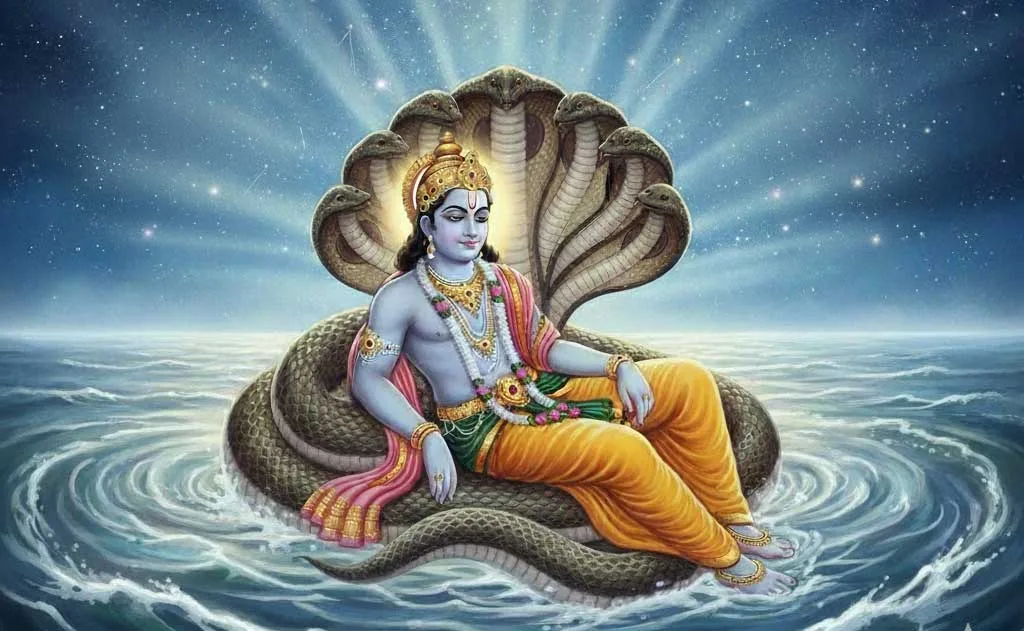
Rare Triple Ekadashi in December 2025: Mokshada, Saphala & Pausha Putrada (Vaikuntha) Dates & Significance
Jyeshtha Masam 2026: Dates, Significance, Festivals, Mantras, and Danas – Complete Guide
Gita Jayanti 2026 Prasad Recipes — Tulsi-Honoring Sweets, Krishna's Favourites & December 10 Bhog Plate