The Spiritual Connection: How NRIs Use Devotional Music for Worship
For Non-Resident Indians (NRIs), devotional music such as Bhajans, Abhangs, and Kirtans is more than just songs — it is a powerful spiritual bridge connecting…
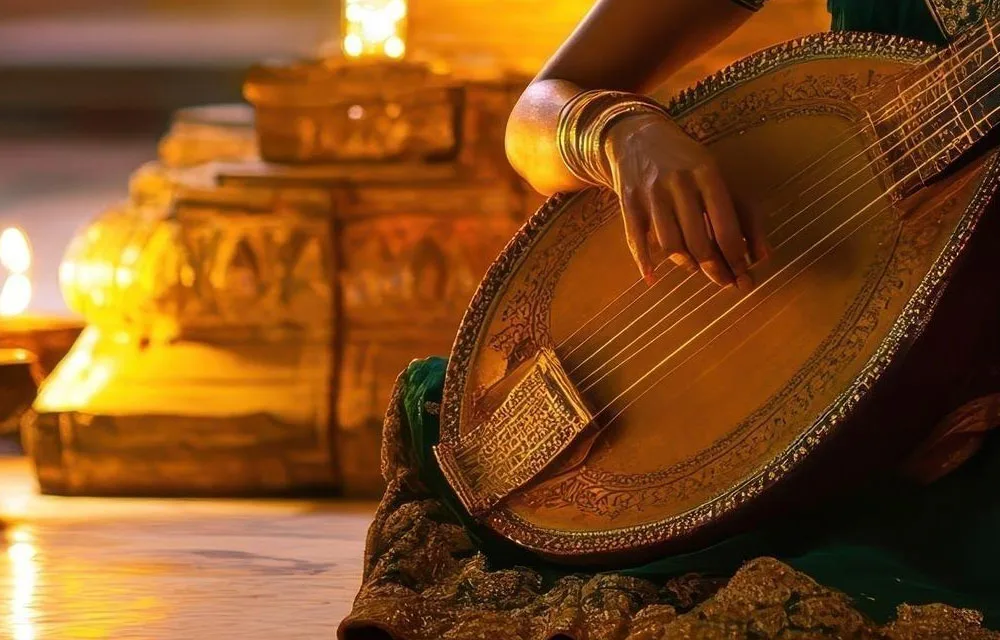
For Non-Resident Indians (NRIs), devotional music such as Bhajans, Abhangs, and Kirtans is more than just songs — it is a powerful spiritual bridge connecting them to their roots, culture, and faith, even while living thousands of miles away from India. Rooted deeply in Hindu traditions, this sacred music transcends geographical boundaries and time zones, providing solace, community, and a profound sense of belonging.
At www.hindutone.com, we explore how devotional music nurtures the spiritual lives of NRIs, how it has adapted to modern global audiences, and actionable ways to promote this timeless tradition across the diaspora.
The Role of Devotional Music in NRI Spirituality
Devotional music is not simply melody; it’s an expression of Bhakti — love and surrender to the divine — drawn from sacred texts like the Bhagavad Gita and the Bhakti Sutras. For many NRIs, Bhajans and Abhangs recreate the temple atmosphere from their childhoods, serving as a spiritual anchor amidst foreign surroundings.
Artists like Mahesh Kale have played a pivotal role in bringing Abhangs—Marathi devotional hymns—to global audiences. His renowned production, Abhangwari, blends classical Indian ragas with contemporary elements, touching hearts during festivals like Ganesh Chaturthi and Janmashtami worldwide. Similarly, the International Society for Krishna Consciousness (ISKCON) has popularized Kirtans — lively call-and-response chants dedicated to Lord Krishna — through temple gatherings and virtual sessions that transcend borders.
Adapting Devotional Music for Global Audiences
NRIs are not just preserving devotional music; they are innovating to keep it relevant for younger and multicultural listeners. Streaming platforms like Spotify host curated playlists such as “Bhakti Sangeet” and “Hare Krishna Kirtans,” combining traditional Bhajans with modern arrangements by artists like Anup Jalota and groups such as Sri Chaitanya Kirtan.
Virtual Satsangs (spiritual gatherings) on Zoom and YouTube enable NRIs to participate in live Bhajan sessions from anywhere in the world. These events often feature translations and explanations to engage diverse audiences, fostering inclusivity and shared devotion.
Emotional Expression Through Devotional Music
Devotional music also serves as a channel for emotional healing and expression. Singing classics like Raghupati Raghav Raja Ram during Diwali in a foreign land can evoke a profound sense of home and connection. The poetic lyrics of saints like Tukaram, rendered in Abhangs, help NRIs process feelings of nostalgia, gratitude, and spiritual longing.
Mahesh Kale’s performances, with their intricate ragas and heartfelt delivery, offer listeners a moment of divine presence—whether in a San Francisco concert hall or a London temple. For NRIs, devotional music turns ordinary moments into acts of worship and emotional reflection.
Steps to Promote Spirituality Among NRIs Through Music
Here are some practical ways individuals, communities, and platforms like www.hindutone.com can foster spiritual growth using devotional music:
- Curate Devotional Playlists: Create themed Spotify and YouTube playlists featuring Bhajans, Abhangs, and Kirtans by renowned artists. Include translations and cultural context to reach non-Hindi speakers.
- Host Virtual Satsangs: Organize online Bhajan sessions with guest artists, partnering with ISKCON temples and local diaspora groups. Promote these gatherings on www.hindutone.com with event schedules and participation links.
- Offer Music-Based Workshops: Collaborate with platforms like ipassio.com to provide online classes on Bhajan singing or devotional instruments like harmonium, catering to beginners and advanced learners alike.
- Create Educational Content: Publish engaging blogs and videos detailing the history and significance of Bhajans, Abhangs, and Kirtans, referencing classical texts and saints to deepen cultural pride.
- Engage Local Communities: Encourage formation of Bhajan groups and regular Kirtan sessions in diaspora hubs. Feature success stories and event directories on www.hindutone.com to inspire participation.
- Leverage Social Media: Use hashtags such as #BhaktiSangeet, #NRIspirituality, and #Abhangwari to promote content, share artist interviews, and amplify reach via NRI influencers.
- Organize Global Devotional Events: Sponsor or host concerts and festivals in cities with significant NRI populations (New York, London, Dubai), streaming them for worldwide access through www.hindutone.com.
Conclusion
Devotional music remains a vital lifeline for NRIs, connecting them to their spiritual heritage and fostering community bonds across continents. Through the efforts of artists like Mahesh Kale, organizations like ISKCON, and digital platforms such as Spotify, Bhakti continues to flourish globally.
At www.hindutone.com, we invite NRIs to embrace this sacred tradition—sing, share, and celebrate devotional music. Together, we can make Bhakti a universal language of love and devotion, uniting hearts around the world.
Frequently Asked Questions
How do NRIs use devotional music to stay connected to their faith?
Bhajans, Abhangs and Kirtans act as a spiritual bridge to roots, culture and faith. They recreate the temple atmosphere of childhood and give a sense of belonging far from India.
What is the difference between Bhajans, Abhangs and Kirtans?
Bhajans are devotional songs expressing Bhakti, Abhangs are Marathi devotional hymns, and Kirtans are lively call-and-response chants. ISKCON has popularized Kirtans dedicated to Lord Krishna.
Can NRIs join Bhajan sessions online?
Yes, virtual satsangs on Zoom and YouTube let NRIs join live Bhajan sessions from anywhere. These events often include translations and explanations for diverse audiences.
Which artists have brought Abhangs to a global audience?
Mahesh Kale has taken Abhangs to global audiences through his production Abhangwari, which blends classical ragas with contemporary elements. His performances have reached venues from San Francisco to London.
How can NRI communities promote devotional music in their city?
They can form Bhajan groups, hold regular Kirtan sessions, host virtual satsangs with ISKCON temples, and organize concerts in cities like New York, London and Dubai. Online Bhajan or harmonium classes also help beginners.
Share this with family and friends
Send it on WhatsApp, post it, or copy the link.
More from Spirituality
- Chilkur Balaji 'Visa Balaji' Temple: The 11 and 108 Pradakshina Custom Explained for NRIs
- Ekagrata (One-Pointedness): Yoga Concentration and Samyama Glossary
- Complete MBBS Once in Life: The Spiritual Meaning of Mahabharata, Bhagavatam, Bhagavad Gita & Ramayana
- Sri Medha Dakshinamurthy Swami Dhyanam | Meditation Sloka for Intelligence, Eloquence & Self-Realization
- What Is True Poverty? | Dharma Is the Greatest Wealth | Sanatana Dharma
You might also like
Purushottam Maas 2026: Lord Vishnu's Sacred Gift of Spiritual Multiplication & Divine Grace
Vasudhaiva Kutumbakam: Meaning, Maha Upanishad Origin, Sanskrit Shloka & Modern Relevance for Bharat
Sanatan Dharma for Young NRIs: A Complete, Honest Guide for Hindus Growing Up in USA, UK, Canada, Australia & UAE