
Dhanurmasam Daily Rituals: Step-by-Step Guide for Families, Kids & NRIs
Dhanurmasam, also known as Dhanur Maasa or Margashirsha month, is one of the most sacred months in the Hindu calendar.
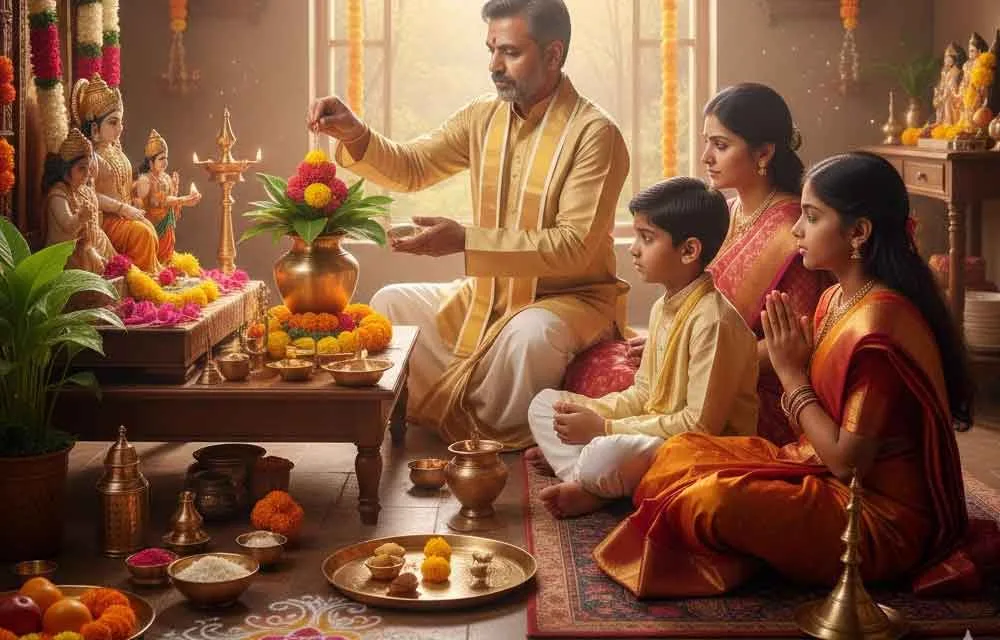
Dhanurmasam, also known as Dhanur Maasa or Margashirsha month, is one of the most sacred months in the Hindu calendar. Falling between mid-December and mid-January, this auspicious period is dedicated to Lord Vishnu and is celebrated with daily rituals, prayers, and spiritual practices. Whether you're in India or living abroad as an NRI, this comprehensive guide will help your family embrace these beautiful traditions.
What is Dhanurmasam?
Dhanurmasam derives its name from the Dhanus (Sagittarius) zodiac sign, during which the sun transits through this constellation. This holy month is mentioned in ancient scriptures like the Bhagavad Gita, where Lord Krishna describes it as "among months, I am Margashirsha."
The month holds special significance for devotees seeking spiritual growth, prosperity, and divine blessings. It's an ideal time to instill religious values in children and strengthen family bonds through shared spiritual practices.
Why Dhanurmasam is Special for Families
- Family Bonding: Daily rituals bring family members together in the early morning hours
- Teaching Tradition: Perfect opportunity to pass down cultural heritage to children
- Spiritual Growth: Encourages discipline, devotion, and mindfulness
- Health Benefits: Early morning routines promote better health and productivity
- Universal Practice: Easy to follow regardless of your location globally
Essential Preparations Before Dhanurmasam
Shopping List for Dhanurmasam Pooja
- Fresh flowers (tulasi/basil leaves, hibiscus, jasmine)
- Incense sticks and camphor
- Oil lamps and wicks
- Pooja thali (plate)
- Turmeric and kumkum
- Rice and coconut
- Fruits for offerings
- Sacred books (Bhagavad Gita, Vishnu Sahasranamam)
- Bell (ghanta)
Setting Up Your Pooja Space
- Cleanliness First: Thoroughly clean the pooja area before the month begins
- Deity Placement: Keep Lord Vishnu's idol or picture at the center
- Rangoli/Kolam: Draw auspicious designs at the entrance daily
- Good Lighting: Ensure proper lighting for early morning rituals
- Comfortable Seating: Arrange mats or cushions for family members
Dhanurmasam Pooja Steps: Complete Daily Ritual
Step 1: Wake Up During Brahma Muhurta (Before Sunrise)
The ideal time for Dhanurmasam rituals is during Brahma Muhurta, approximately 4:30-6:00 AM. This pre-dawn period is considered most auspicious for spiritual practices.
For Kids: Start gradually by waking children 15 minutes earlier each day during the first week.
Step 2: Morning Ablutions and Bath
- Take a refreshing bath before beginning the pooja
- Use herbal or traditional ingredients if possible
- Wear clean, fresh clothes (preferably traditional attire)
For NRIs: Adapt the timing to your schedule while maintaining consistency. Even if you wake at 6 AM local time, the devotion matters more than the exact hour.
Step 3: Clean and Prepare the Pooja Area
- Sweep and wipe the pooja space
- Draw a fresh kolam/rangoli at the entrance
- Light the oil lamp
- Arrange flowers and pooja items neatly
Kids Activity: Children can help with drawing rangoli, arranging flowers, or preparing the lamp.
Step 4: Lighting the Lamp
- Fill the oil lamp with ghee or sesame oil
- Light the lamp while chanting: "Om Deepajyothi Parabrahma"
- Place it before the deity
- Ring the bell to announce the beginning of pooja
Step 5: Invoke Lord Vishnu
Sit comfortably facing east or north. Begin with these invocations:
Ganesh Prayer (Remove obstacles):
Om Gam Ganapataye Namaha
Vishnu Invocation:
Om Namo Narayanaya
Shuklaam Baradharam Vishnum
Shashi Varnam Chaturbhujam
Prasanna Vadanam Dhyaayet
Sarva Vighna Upashaanthaye
Step 6: Offer Flowers and Tulasi Leaves
- Take flowers and tulasi leaves in your hands
- Offer them at the Lord's feet while chanting His names
- For kids: Let them place one flower each with a simple "Om Namo Narayanaya"
Step 7: Apply Turmeric and Kumkum
- Apply a small amount of turmeric and kumkum to the deity
- If using a picture, apply it to the frame
- This symbolizes auspiciousness and devotion
Step 8: Perform Aarti
- Light camphor on the aarti plate
- Move it in clockwise circles before the deity
- Ring the bell continuously
- Sing or play Vishnu aarti
Simple Aarti for Families:
Om Jai Jagdish Hare
Swami Jai Jagdish Hare
Bhakt Janon Ke Sankat
Daas Janon Ke Sankat
Kshan Mein Door Kare
Om Jai Jagdish Hare
Step 9: Sacred Readings
Dedicate 10-15 minutes to reading or listening to:
- Vishnu Sahasranamam (1000 names of Vishnu)
- Bhagavad Gita (one chapter or few verses)
- Purusha Suktam
- Venkateshwara Suprabhatam
For Beginners: Start with just a few verses and gradually increase.
For Kids: Read simplified versions or stories from Puranas featuring Lord Vishnu's avatars.
For NRIs: Use mobile apps or YouTube for audio versions during your commute.
Step 10: Offer Prasad (Naivedyam)
Traditional offerings for Dhanurmasam:
- Sweet pongal
- Appam
- Payasam (kheer)
- Fresh fruits
- Jaggery preparations
Quick Prasad Ideas:
- Banana with honey
- Dates and dry fruits
- Simple sweet made with jaggery
Chant while offering:
Om Bhur Bhuvah Swaha
Tat Savitur Varenyam
Bhargo Devasya Dhimahi
Dhiyo Yo Nah Prachodayat
(Gayatri Mantra)
Step 11: Pradakshina (Circumambulation)
- Walk around the deity 3 times in clockwise direction
- Fold hands and maintain a prayerful attitude
- For small homes/NRIs: If space is limited, simply bow thrice
Step 12: Final Prayers and Distribution of Prasad
- Sit before the deity for final meditation (even 2-3 minutes)
- Offer your personal prayers and gratitude
- Distribute prasad to all family members
- Consume it with reverence as divine blessing
Simplified Dhanurmasam Rituals for Kids
Make It Fun and Engaging
- Storytelling Sessions: Share one Vishnu avatar story daily (Matsya, Kurma, Varaha, Narasimha, Vamana, Parashurama, Rama, Krishna, Buddha, Kalki)
- Creative Activities:
- Drawing Vishnu's avatars
- Coloring rangoli patterns
- Making flower garlands
- Learning simple bhajans
- Reward System: Create a chart where kids get stars for participation
- Age-Appropriate Involvement:
- Toddlers (2-5 years): Ring the bell, offer one flower, clap during aarti
- Children (6-12 years): Light lamp with supervision, read simple verses, help with rangoli
- Teens (13+ years): Lead parts of the pooja, read full chapters, prepare prasad
Quick 10-Minute Kids' Dhanurmasam Routine
- Light the lamp together (1 min)
- Sing one simple bhajan (2 min)
- Offer flowers (1 min)
- Listen to a short story (4 min)
- Distribute and eat prasad (2 min)
Dhanurmasam Observances for NRIs
Adapting to Different Time Zones
Americas (USA, Canada):
- Perform rituals before work (6-7 AM local time)
- Weekend morning sessions can be more elaborate
- Join virtual pooja sessions from temples in India
Europe (UK, Germany, France):
- Early morning (5-6 AM) aligns well with traditional timing
- Connect with local Hindu temples for community celebrations
Middle East (UAE, Saudi Arabia):
- Timing aligns closely with Indian time zones
- Many temples conduct special Dhanurmasam programs
Asia-Pacific (Singapore, Australia):
- Morning routines work well with traditional timings
- Active Hindu communities offer group participation
Using Technology for Devotion
- Mobile Apps: Download Vishnu Sahasranamam apps with meaning
- YouTube Channels: Follow channels offering daily Dhanurmasam content
- Online Communities: Join WhatsApp or Facebook groups for daily reminders
- Virtual Darshan: Connect with Indian temples offering live streaming
- E-Books: Access digital versions of sacred texts
Maintaining Tradition Abroad
- Shopping: Find Indian grocery stores for pooja items or order online
- Substitutions: Use local flowers if traditional ones aren't available
- Community: Connect with local Hindu temples and cultural organizations
- Children: Use Dhanurmasam as an opportunity to teach heritage to kids born abroad
- Documentation: Take photos/videos to share with family in India
Additional Dhanurmasam Practices
Daily Observances Beyond Pooja
- Fasting Options: Light fasting or satvik food throughout the day
- Charity: Donate food, clothes, or money to those in need
- Temple Visits: Visit Vishnu temples, especially on weekends
- Early Morning Walks: Visit nearby Vishnu temples during Brahma Muhurta
- Study Groups: Join or form groups for Bhagavad Gita discussions
Foods to Eat and Avoid
Recommended (Satvik Foods):
- Fresh fruits and vegetables
- Milk and dairy products
- Rice, wheat, and millets
- Jaggery and honey
- Ghee and coconut
Avoid or Minimize:
- Non-vegetarian food
- Onion and garlic (traditionally)
- Excessive spices
- Processed and junk foods
- Alcohol and tobacco
Special Days in Dhanurmasam
- Vaikunta Ekadashi: The most important day, falling on the 11th day of the waxing moon
- Amavasya: New moon day for ancestor worship
- Purnima: Full moon day for additional prayers
Common Dhanurmasam Mantras for Families
Basic Mantras Everyone Can Chant
Vishnu Gayatri:
Om Narayanaya Vidmahe
Vasudevaya Dhimahi
Tanno Vishnu Prachodayat
Protection Mantra:
Om Achyutaya Namaha
Om Anantaya Namaha
Om Govindaya Namaha
For Kids - Simple Name Chanting:
Hare Rama Hare Rama
Rama Rama Hare Hare
Hare Krishna Hare Krishna
Krishna Krishna Hare Hare
Tips for Maintaining Consistency
Overcoming Common Challenges
Challenge 1: Waking Up Early
- Set multiple alarms
- Go to bed earlier
- Create accountability with family members
Challenge 2: Time Management
- Prepare pooja items the night before
- Create a 15-minute quick ritual version for busy days
- Weekend rituals can be more elaborate
Challenge 3: Kids' Participation
- Never force; make it enjoyable
- Keep sessions age-appropriate and short
- Use rewards and positive reinforcement
Challenge 4: Maintaining Interest
- Vary the stories and songs daily
- Involve different family members in leading
- Connect rituals to modern contexts kids understand
Health and Wellness Benefits
Observing Dhanurmasam brings multiple benefits:
- Physical Health: Early rising, satvik diet, and routine improve overall health
- Mental Clarity: Morning meditation and prayers enhance focus
- Emotional Balance: Devotional practices reduce stress and anxiety
- Family Harmony: Shared spiritual time strengthens relationships
- Discipline: Regular practice builds consistency and willpower
Creating Lasting Memories
Documentation Ideas
- Dhanurmasam Journal: Maintain a daily log of experiences
- Photo Album: Capture family moments during rituals
- Recipe Book: Compile prasad recipes tried during the month
- Kids' Artwork: Save drawings and rangoli photos
- Video Diary: Record special moments for future viewing
Making It Special
- Decorate the pooja area uniquely each week
- Cook traditional recipes together as a family
- Invite friends and neighbors for weekend pooja
- Share experiences on social media to inspire others
- End the month with a special family celebration
Frequently Asked Questions
Q: Can working professionals observe Dhanurmasam? A: Absolutely! Even 15-20 minutes of daily prayer and maintaining satvik thoughts throughout the day is beneficial. Weekend rituals can be more elaborate.
Q: What if I miss a day? A: Don't be discouraged. Resume the next day with renewed commitment. The effort and intention matter most.
Q: Can menstruating women participate? A: This varies by family tradition. Many modern families include all members regardless. Follow what feels right for your family.
Q: Do we need a priest? A: Not necessary. Sincere devotion from family members is sufficient. Priests can be invited for special days like Vaikunta Ekadashi.
Q: What if we don't have a home temple? A: Create a small, clean space. Even a picture of Lord Vishnu on a wall with a lamp is sufficient.
Conclusion: Embracing the Sacred Month
Dhanurmasam is more than just ritual observance—it's an opportunity to slow down, reconnect with spirituality, and strengthen family bonds. Whether you're in Hyderabad or Houston, Mumbai or Melbourne, these practices can be adapted to fit your lifestyle while maintaining their sacred essence.
Start small, stay consistent, and let the divine grace of Lord Vishnu fill your home with peace, prosperity, and spiritual growth. Remember, what matters most is not perfection in ritual, but purity in devotion.
May this Dhanurmasam bring abundant blessings to your family!
Share Your Experience: We'd love to hear how your family observes Dhanurmasam! Share your stories, photos, and tips in the comments below.
Subscribe to HinduTone.com for more guides on Hindu festivals, rituals, and spiritual practices for modern families.
Related Articles on HinduTone.com
- Vaikunta Ekadashi: Complete Celebration Guide
- Teaching Kids About Hindu Festivals: A Parent's Guide
- NRI's Guide to Celebrating Hindu Festivals Abroad
- Bhagavad Gita for Beginners: Daily Wisdom
- Creating a Sacred Space: Home Temple Setup Guide
Share this with family and friends
Send it on WhatsApp, post it, or copy the link.
More from Spirituality
- Chilkur Balaji 'Visa Balaji' Temple: The 11 and 108 Pradakshina Custom Explained for NRIs
- Ekagrata (One-Pointedness): Yoga Concentration and Samyama Glossary
- Complete MBBS Once in Life: The Spiritual Meaning of Mahabharata, Bhagavatam, Bhagavad Gita & Ramayana
- Sri Medha Dakshinamurthy Swami Dhyanam | Meditation Sloka for Intelligence, Eloquence & Self-Realization
- What Is True Poverty? | Dharma Is the Greatest Wealth | Sanatana Dharma
You might also like

Dhanurmasam Monday Rituals: Sacred Observances Every Hindu Must Perform
NRI Guide: How to Celebrate Dhanurmasam in USA, Dhanurmasam Australia

Nataraja Swamy and Dhanurmasam in Australia: Shiva’s Cosmic Dance
