Complete NRI Guide: Ganesh Nimajjanam in USA, UK, Canada, Australia & Japan - Legal Rules & Eco-Friendly Alternatives
Comprehensive guide for Non-Resident Indians performing traditional Ganesh immersion ceremonies while complying with international environmental laws and…
Comprehensive guide for Non-Resident Indians performing traditional Ganesh immersion ceremonies while complying with international environmental laws and…
Comprehensive guide for Non-Resident Indians performing traditional Ganesh immersion ceremonies while complying with international environmental laws and regulations
Table of Contents
- Understanding Ganesh Nimajjanam for NRIs
- Country-Specific Rules and Regulations
- Eco-Friendly Immersion Alternatives
- Legal Compliance and Permits
- Home-Based Nimajjanam Methods
- Community Organization Guidelines
- Traditional vs Modern Approaches
- Environmental Impact and Solutions
Understanding Ganesh Nimajjanam for NRIs
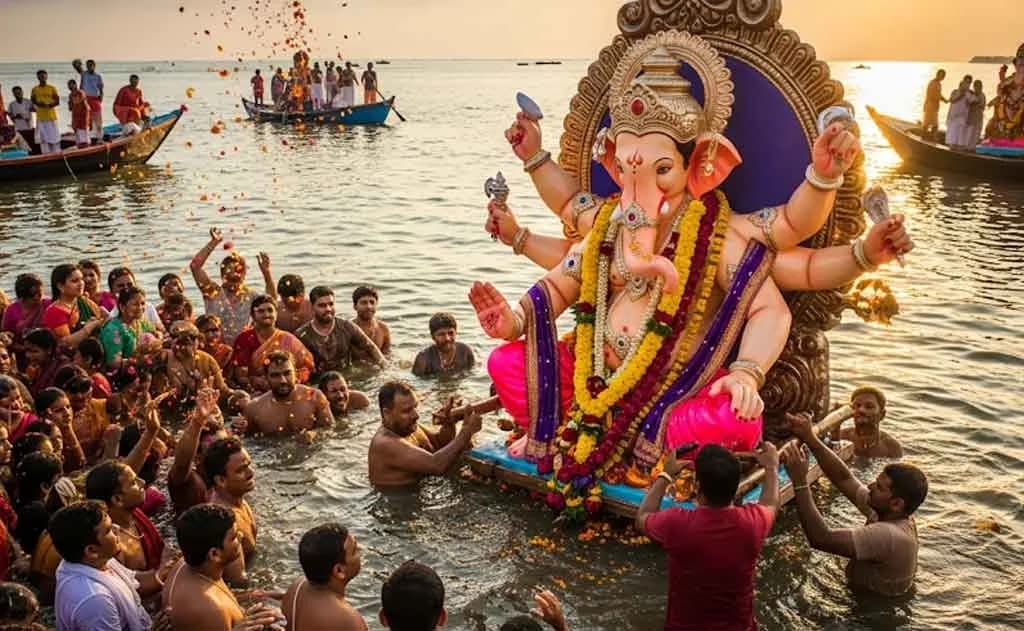
Ganesh Nimajjanam (Visarjan) represents one of Hinduism's most cherished traditions, symbolizing the cycle of creation and dissolution. For Non-Resident Indians living in USA, UK, Canada, Australia, and Japan, maintaining this sacred practice requires careful navigation of local environmental regulations while preserving spiritual authenticity.
Why NRIs Face Unique Challenges
Environmental Regulations: Western countries maintain strict water pollution controls, making traditional river immersion challenging or illegal.
Cultural Adaptation: Balancing traditional practices with modern environmental consciousness becomes essential for diaspora communities.
Legal Compliance: Individual immersions can result in fines ranging from $500 to $10,000, making organized approaches crucial.
Community Coordination: Limited Hindu temple infrastructure requires innovative approaches to collective celebrations.
Country-Specific Rules and Regulations
United States of America
Federal and State Environmental Laws
Clean Water Act Compliance: The EPA strictly prohibits introducing foreign materials into natural water bodies without permits. Ganesh idol immersion falls under these regulations.
State-Level Variations:
- California: Requires environmental impact assessments for any water body immersion
- New York: Prohibits immersion in Central Park lakes and Hudson River without special permits
- Texas: Allows organized immersion in designated areas with proper permits
- Florida: Strict marine protection laws prohibit ocean immersion of non-biodegradable materials
Permit Requirements:
- Environmental Impact Assessment (EIA) for public water bodies
- Religious exemption applications through local municipalities
- Insurance coverage for community events
- Advance notice to local authorities (minimum 30 days)
Recommended Approach: Always join organized groups with permits or opt for home/temple tank immersion. Check with local Hindu temples first—they usually coordinate or know about events.
United Kingdom
Environment Agency Regulations
Water Framework Directive: EU-inherited laws (post-Brexit) continue protecting UK water bodies from pollution.
Regional Differences:
- England: Environment Agency requires permits for any ceremonial water activities
- Scotland: SEPA (Scottish Environment Protection Agency) has similar restrictions
- Wales: Natural Resources Wales oversees water body protection
- Northern Ireland: Department of Agriculture, Environment and Rural Affairs regulates water activities
Community Solutions:
- London's Hindu temples coordinate artificial tank immersions
- Birmingham's Shri Geeta Bhawan provides community immersion facilities
- Leicester's Sanatan Mandir organizes eco-friendly visarjan events
Legal Framework:
- Advance permission required from local councils
- Environmental protection fees may apply
- Public liability insurance mandatory for group events
Canada
Federal Environmental Protection Act
Fisheries Act Compliance: Prohibits introducing harmful substances into fish-bearing waters.
Provincial Regulations:
- Ontario: Ministry of Environment requires environmental assessments
- British Columbia: Strict Pacific Ocean protection laws
- Alberta: Lakes and rivers protected under provincial environmental acts
- Quebec: Unique francophone considerations for permit applications
Indigenous Territory Considerations: Many water bodies fall under First Nations jurisdiction, requiring additional cultural sensitivity and permissions.
Recommended Practices:
- Toronto's Hindu temples provide artificial immersion tanks
- Vancouver's communities use temple courtyard facilities
- Montreal's organizations coordinate indoor ceremonial immersions
Australia
Environment Protection and Biodiversity Conservation Act
National Water Quality Guidelines: Federal protection for marine and freshwater environments.
State-Level Implementation:
- New South Wales: EPA requires detailed environmental impact statements
- Victoria: Department of Environment oversees water quality protection
- Queensland: Great Barrier Reef protection extends to all coastal activities
- Western Australia: Department of Water and Environmental Regulation controls immersion activities
Cultural Accommodation: Australian authorities generally accommodate religious practices through designated areas and artificial facilities.
Community Infrastructure:
- Sydney's Hindu temples maintain permanent immersion tanks
- Melbourne's communities use portable tank systems
- Perth's organizations coordinate with local councils for temporary facilities
Japan
Water Pollution Control Law (Suishitsu Odaku Boshi Ho)
Strict Environmental Standards: Japan maintains some of the world's strictest water quality protection laws.
Cultural Sensitivity: Japanese authorities show respect for religious practices while maintaining environmental standards.
Local Prefecture Regulations: Each prefecture may have additional requirements beyond national laws.
Community Solutions:
- Tokyo's Hindu community uses temple-based facilities
- Osaka's organizations coordinate with Buddhist temples for shared facilities
- Kyoto's communities emphasize traditional eco-friendly approaches
Language Considerations: All permits and applications must be submitted in Japanese, often requiring translation services.
Eco-Friendly Immersion Alternatives
Artificial Tank Immersion Systems
Home-Based Tank Solutions
Portable Immersion Tanks: Artificial tanks are very convenient for immersion as you don't have to travel far in search of water bodies. They are good for the environment.
DIY Tank Construction:
- Materials Needed:
- Large plastic or metal containers (minimum 100-gallon capacity)
- Natural clay or biodegradable decorative materials
- Filtration system for water reuse
- Ceremonial flowers and organic offerings
- Setup Process:
- Position tank in garden or basement area
- Fill with clean water mixed with Ganga jal (if available)
- Decorate surroundings with traditional rangoli and flowers
- Arrange for proper drainage and water disposal
- Ritual Adaptation:
- Perform all traditional mantras and ceremonies
- Include family and community members virtually if needed
- Document the ceremony for distant relatives
- Plan water reuse for garden irrigation
Community Artificial Pond Systems
Temple-Organized Facilities: Many Hindu temples now maintain permanent artificial immersion facilities.
Shared Community Tanks: Neighborhood communities pool resources for larger, shared immersion systems.
Mobile Tank Services: Some areas offer portable tank rental services for Ganesh immersion ceremonies.
Biodegradable Idol Solutions
Clay and Natural Material Idols
Traditional Clay Idols: Clay idols are the most traditional and environmentally friendly option. They dissolve easily in water without releasing harmful substances, making them ideal for an eco-friendly Visarjan.
Natural Material Alternatives:
- Coconut husk and natural fibers
- Banana stem and organic binding agents
- Papier-mâché from recycled materials
- Seeds embedded for post-immersion plant growth
Soluble Paint and Decoration Options
Water-Based Natural Colors: Replace toxic paints with turmeric, beetroot, and natural dye alternatives.
Biodegradable Decorations: Use fresh flowers, leaves, and organic materials exclusively.
Eco-Friendly Accessories: Choose natural beads, organic fabrics, and biodegradable ornaments.
Symbolic Immersion Methods
Partial Immersion Ceremonies
Sacred Water Ritual: Use small amounts of blessed water from Indian rivers for ceremonial sprinkling.
Flower and Offering Immersion: Immerse only organic flowers and food offerings while preserving the main idol.
Photographic Documentation: Capture the ceremony for sharing with family in India, maintaining emotional connection.
Virtual and Hybrid Approaches
Live-Streamed Ceremonies: Connect with family in India during synchronized immersion times.
Community Video Conferences: Coordinate with multiple NRI communities globally for shared virtual ceremonies.
Social Media Documentation: Share eco-friendly practices to inspire other NRI families.
Legal Compliance and Permits
Permit Application Process by Country
United States Permit Timeline
30-60 Days Advance Notice: Most states require significant advance planning for religious water ceremonies.
Required Documentation:
- Environmental impact assessment
- Community organization registration
- Public liability insurance proof
- Local authority consultation records
Application Process:
- Contact local environmental protection agency
- Submit detailed ceremony plan and environmental safeguards
- Provide proof of biodegradable materials only
- Arrange for post-ceremony cleanup verification
- Obtain final approval and permit documentation
UK Permit Requirements
Local Council Applications: Each UK council maintains different requirements for religious ceremonies.
Environment Agency Consultation: Major water bodies require EA approval regardless of council permissions.
Documentation Needed:
- Public liability insurance (minimum £1 million coverage)
- Environmental protection plan
- Community organization legal status
- Risk assessment documentation
Canadian Federal and Provincial Coordination
Dual Jurisdiction Challenges: Many Canadian water bodies involve both federal and provincial oversight.
Indigenous Territory Considerations: Respect and consultation with First Nations communities when required.
Application Timeline: Minimum 45-day advance notice for most provinces.
Australian Environmental Assessment
State-Based Variations: Each Australian state maintains unique environmental protection requirements.
Marine vs Freshwater Distinctions: Different rules apply based on water body type and ecological sensitivity.
Community Liaison: Australian authorities often assign community liaison officers for religious ceremony coordination.
Japanese Prefecture-Specific Rules
Language Requirements: All applications must be submitted in Japanese with certified translations.
Cultural Integration: Japanese authorities appreciate educational components explaining Hindu traditions.
Environmental Technology: Japan encourages innovative eco-friendly approaches to traditional practices.
Insurance and Liability Considerations
Public Liability Coverage
Minimum Coverage Requirements: Most countries require £1-5 million public liability insurance for community religious events.
Community Organization Status: Registered religious organizations often receive better insurance rates and legal protections.
Property Damage Protection: Coverage for potential damage to public or private property during ceremonies.
Risk Management Planning
Crowd Control Measures: Plans for managing large gatherings during popular immersion days.
Environmental Cleanup: Detailed post-ceremony restoration plans for any temporary installations.
Emergency Response: Coordination with local emergency services for large community events.
Home-Based Nimajjanam Methods
Traditional Home Immersion Setup
Creating Sacred Space at Home
Designated Puja Area: Transform part of home into temporary temple space for immersion ceremony.
Family Participation: Ensure all family members can participate meaningfully in adapted ceremony.
Spiritual Authenticity: Maintain traditional mantras, music, and ceremonial elements despite location changes.
Water Source Sanctification
Ganga Jal Integration: Mix small amounts of sacred river water with local water for spiritual authenticity.
Blessing Ceremony: Perform water blessing rituals to sanctify local water for immersion purposes.
Mantra Recitation: Use traditional Sanskrit mantras for water consecration and idol immersion.
Step-by-Step Home Immersion Process
Preparation Phase (1-2 Days Before)
- Tank Setup: Install and test artificial immersion tank system
- Water Preparation: Fill tank and perform water sanctification rituals
- Decoration: Create traditional ceremonial environment around tank
- Community Invitation: Notify local Hindu community about home ceremony
- Documentation Setup: Prepare camera/video equipment for ceremony recording
Immersion Day Ceremony
Morning Rituals:
- Perform final puja and aarti for Ganesha
- Seek blessings for successful immersion ceremony
- Invite community members and family friends
Immersion Process:
- Carry idol in traditional procession around home/garden
- Chant "Ganapati Bappa Morya, Mangalmurti Morya"
- Perform final aarti at tank location
- Gently immerse idol while reciting traditional mantras
- Offer prayers for Ganesha's return next year
Post-Immersion Activities:
- Distribute prasadam to all attendees
- Share ceremony photos/videos with extended family
- Plan eco-friendly disposal of tank water
- Store tank system for next year's use
Water and Material Disposal
Eco-Friendly Water Reuse:
- Use blessed tank water for garden irrigation
- Share consecrated water with other Hindu families
- Store small quantities for future religious ceremonies
Idol Material Handling:
- Allow clay idols to dissolve completely naturally
- Collect dissolved clay for garden soil enrichment
- Ensure no non-biodegradable materials contaminate disposal process
Community Organization Guidelines
Building NRI Hindu Communities
Temple-Based Coordination
Existing Temple Networks: Leverage established Hindu temples as coordination centers for community immersion ceremonies.
Interfaith Cooperation: Partner with other religious organizations for facility sharing and community support.
Youth Engagement: Involve second-generation NRI children in planning and executing traditional ceremonies.
Community Fundraising and Resources
Collective Funding: Pool community resources for professional-grade artificial immersion facilities.
Equipment Sharing: Develop community inventory of reusable ceremony equipment and decorations.
Volunteer Networks: Establish volunteer committees for annual ceremony planning and execution.
Event Planning and Logistics
Annual Planning Calendar
January-March: Begin preliminary planning and permit applications April-June: Finalize locations, permits, and community coordination July-August: Complete material procurement and volunteer training September: Execute ceremonies with full community participation
Safety and Security Planning
Crowd Management: Develop plans for managing large community gatherings safely.
Child Safety: Ensure proper supervision and safety measures for children attending ceremonies.
Emergency Preparedness: Coordinate with local emergency services and establish emergency response protocols.
Cultural Education Components
Community Education: Organize workshops explaining traditional significance and modern adaptations.
Interfaith Outreach: Welcome local community members to observe and learn about Hindu traditions.
Media Engagement: Share positive stories about eco-friendly religious practices with local media.
Traditional vs Modern Approaches
Maintaining Spiritual Authenticity
Core Religious Elements
Unchanging Spiritual Practices: Maintain traditional mantras, pujas, and ceremonial sequences regardless of location changes.
Family Tradition Continuity: Ensure children understand and appreciate traditional significance while accepting modern adaptations.
Connection with India: Coordinate ceremony timing with family celebrations in India for spiritual unity.
Adaptation Strategies
Environmental Integration: View eco-friendly practices as enhanced spiritual consciousness rather than compromise.
Technology Integration: Use video calls, social media, and documentation to strengthen community bonds.
Cultural Evolution: Recognize adaptation as natural evolution of Hindu practices in global diaspora.
Innovation in Traditional Practice
Technology-Enhanced Ceremonies
Virtual Reality Experiences: Some communities experiment with VR connections to famous Indian temples during immersion.
Mobile Apps: Develop apps for community coordination, ceremony reminders, and traditional music/mantra resources.
Social Media Integration: Create community social media groups for coordination and sharing ceremony experiences.
Artistic and Cultural Innovation
Fusion Art Forms: Incorporate local artistic elements while maintaining traditional ceremonial structure.
Multilingual Ceremonies: Conduct ceremonies in local languages alongside Sanskrit for broader community inclusion.
Educational Components: Add educational elements about Hindu traditions for local community members and children.
Environmental Impact and Solutions
Global Environmental Responsibility
Carbon Footprint Considerations
Local Material Sourcing: Reduce environmental impact by sourcing clay and decorative materials locally rather than importing from India.
Transportation Efficiency: Coordinate community transportation to reduce individual carbon footprints for ceremony attendance.
Sustainable Practices: Integrate broader environmental consciousness into religious practice as form of dharmic living.
Water Conservation Initiatives
Greywater Systems: Design immersion tank systems that allow for water recycling and reuse.
Rainwater Harvesting: Collect and use rainwater for immersion ceremonies when possible.
Watershed Protection: Choose artificial immersion methods that protect local watershed ecosystems.
Community Environmental Leadership
Eco-Dharma Movement
Religious Environmental Leadership: Position Hindu communities as leaders in religious environmental responsibility.
Interfaith Environmental Cooperation: Partner with other religious communities on environmental protection initiatives.
Government Liaison: Work with local environmental agencies to develop model religious ceremony protocols.
Educational Outreach
School Programs: Develop educational programs for local schools about Hindu traditions and environmental responsibility.
Community Workshops: Offer workshops on eco-friendly religious practices to broader community.
Research Collaboration: Partner with local universities on studies of religious practice environmental impact.
Country-Specific Community Resources
United States Resources
Major Hindu Temple Networks
Hindu Temple Society of North America (HTSNA): Coordinates multi-state community ceremonies and provides guidance on legal compliance.
Vishwa Hindu Parishad of America (VHPA): Offers community support and artificial immersion facility resources.
Local Temple Associations: City-specific temple organizations in major metropolitan areas.
Legal and Permit Assistance
Hindu Legal Foundation: Provides legal guidance for religious practice protection and permit applications.
Community Legal Volunteers: Networks of Hindu lawyers offering pro bono assistance for community ceremonies.
Environmental Consultants: Professional services specializing in religious ceremony environmental compliance.
United Kingdom Resources
Established Hindu Organizations
Hindu Council UK: National coordination for Hindu community activities and government liaison.
National Hindu Students Forum (NHSF): Youth-focused organization supporting traditional practice adaptation.
Regional Hindu Associations: Local community organizations in major cities providing ceremony coordination.
Government Liaison Services
Department for Communities: Government department supporting religious community activities.
Environment Agency Liaison: Specialized services for religious ceremony environmental compliance.
Local Council Religious Coordinators: Municipal officials specializing in religious community support.
Canadian Resources
National Hindu Organizations
Hindu Federation of Canada: National coordination for Hindu community activities across provinces.
Canadian Hindu Heritage Centre: Cultural preservation and community ceremony support.
Provincial Hindu Associations: Provincial-level organizations providing local ceremony coordination.
Government Support Services
Multiculturalism and Anti-Racism Directorate: Federal support for religious community activities.
Provincial Religious Affairs Departments: Provincial government support for religious ceremonies.
Indigenous Relations Coordination: Services for ceremonies on traditional Indigenous territories.
Australian Resources
Hindu Community Networks
Hindu Council of Australia: National Hindu community representation and ceremony coordination.
Australian Hindu Cultural Association: Cultural preservation and community event planning.
State Hindu Associations: State-level organizations providing local community support.
Environmental Compliance Services
Department of Environment Religious Liaison: Specialized services for religious ceremony environmental coordination.
State EPA Community Programs: Environmental protection agency programs supporting community religious practices.
Multicultural Affairs Religious Coordination: Government services supporting religious community activities.
Japanese Resources
Hindu Community Organizations
India Cultural Association Japan: Cultural community support and ceremony coordination.
Hindu Community Japan: Religious community organization providing ceremony guidance.
Indian Embassy Religious Affairs: Diplomatic support for Hindu community religious practices.
Cultural Integration Services
Inter-Religious Dialogue Organizations: Japanese organizations supporting religious community integration.
Cultural Exchange Programs: Services facilitating Hindu community integration with local Japanese communities.
Translation and Legal Services: Professional services for permit applications and legal compliance.
Conclusion: Preserving Tradition Through Innovation
The challenge facing NRIs performing Ganesh Nimajjanam in USA, UK, Canada, Australia, and Japan extends beyond simple legal compliance. It represents an opportunity to demonstrate how ancient wisdom can adapt to modern environmental consciousness while maintaining spiritual authenticity.
Key Takeaways for NRI Communities
Legal Compliance: Always join organized groups with permits or opt for home/temple tank immersion, as individual immersions can result in significant fines.
Environmental Leadership: NRI Hindu communities can become models of environmental responsibility while maintaining religious authenticity.
Community Strength: Collective organization provides better legal protection, shared resources, and stronger cultural preservation.
Innovation Opportunity: Modern technology and eco-friendly practices can enhance rather than diminish traditional spiritual experiences.
Future of NRI Hindu Practices
The evolution of Ganesh Nimajjanam practices among NRI communities represents broader trends in global Hindu diaspora adaptation. Success requires balancing respect for tradition with environmental responsibility and legal compliance.
Technology Integration: Future developments may include virtual reality temple connections, AI-powered ceremony coordination, and blockchain-based community organization.
Environmental Innovation: Continued development of biodegradable materials, water recycling systems, and carbon-neutral ceremony practices.
Cultural Preservation: Enhanced documentation, educational programs, and intergenerational knowledge transfer ensure tradition continuity.
Global Coordination: Increasing coordination between NRI communities worldwide creates stronger cultural preservation networks.
Final Recommendations
- Start Early: Begin permit applications and community organization at least 3-4 months before Ganesh Chaturthi
- Join Communities: Connect with established local Hindu communities and temple organizations
- Go Eco-Friendly: Embrace environmental responsibility as enhanced spiritual practice
- Document Everything: Create records for family, community, and permit compliance purposes
- Plan for Growth: Design systems that can accommodate growing community participation over time
The path forward for NRI Hindu communities lies not in choosing between tradition and modernity, but in thoughtfully integrating both to create meaningful, sustainable, and legally compliant religious practices that honor Lord Ganesha while respecting local environments and laws.
Ganapati Bappa Morya! May Lord Ganesha bless all NRI communities with wisdom, unity, and successful celebrations that bridge cultures while preserving sacred traditions.
For more resources on Hindu festivals and NRI community guidance, visit www.hindutone.com - your comprehensive source for Hindu traditions in the modern world.
Frequently Asked Questions
What is Complete?
Comprehensive guide for Non-Resident Indians performing traditional Ganesh immersion ceremonies while complying with international environmental laws and regulations Table of Contents Understanding Ganesh Nimajjanam for NRIs Country-Specific Rules and Regulations Eco-Friendly Immersion Alternatives Legal Compliance and Permits Home-Based Nimajjanam Methods C
What are the key points about Complete?
Why NRIs Face Unique Challenges Environmental Regulations : Western countries maintain strict water pollution controls, making traditional river immersion challenging or illegal. Cultural Adaptation : Balancing traditional practices with modern environmental consciousness becomes essential for diaspora communities.
Why does Complete matter in Hinduism?
It deepens a devotee's connection with Lord Ganesha and with the values of Sanatana Dharma — clarity, devotion and dharmic living.
How can devotees apply Complete in daily life?
By reflecting on its teaching, incorporating the related practices or observances into daily routine, and approaching it with sincere devotion and understanding.
You might also like
Hindu Priest Jobs New Zealand 2026 — Auckland, Wellington, Christchurch Vacancies & NZ Religious Worker Visa Guide
Hindu Priest Jobs Malaysia 2026 — Batu Caves, KL, Penang Vacancies & Tamil Hindu Career Guide
Hindu Priest Jobs Germany 2026 — Frankfurt, Munich, Berlin Pandit Vacancies & Visa Guide