



Sacred Bath in Holy Rivers During Karthika Masam: A Journey of Purification
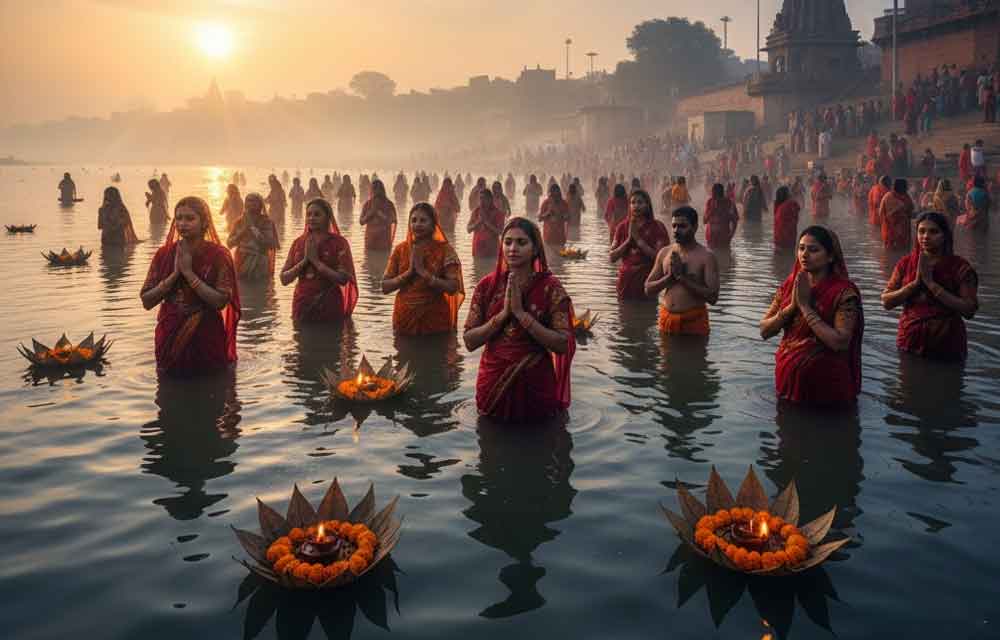
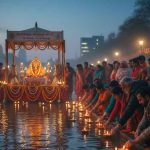
The pre-dawn darkness slowly lifts as countless devotees gather at the ghats of sacred rivers across India. Armed with brass vessels, fresh clothes, and hearts full of devotion, they prepare for the ancient ritual of Karthika Snanam—a practice that transforms ordinary bathing into a profound spiritual experience.
The Divine Timing: Why Early Morning?
Karthika Masam, the eighth lunar month in the Hindu calendar (October-November), is considered supremely auspicious for spiritual practices. But why do devotees wake before sunrise to take these sacred baths?
The hours between 4 AM and 6 AM, known as Brahma Muhurta, hold special significance. During this time, the atmosphere is charged with sattvic (pure) energy, making it ideal for spiritual activities. The mind is naturally calm, free from the day’s distractions, and the body is refreshed from sleep. Ancient texts suggest that bathing during these hours purifies not just the physical body but also the subtle energy channels, preparing the devotee for deeper spiritual practice.
The cool morning waters also serve a practical purpose—they invigorate the body and sharpen the mind, creating the perfect state for meditation and prayer that traditionally follow the bath.
The Sacred Rivers: Living Goddesses
In Hindu tradition, rivers are not merely water bodies but living goddesses—Ganga Maiya, Yamuna Devi, Godavari Mata. Each river is believed to carry divine blessings and the power to wash away sins accumulated over lifetimes.
The Ganga, flowing from Lord Shiva’s locks, is considered the most sacred. A dip in her waters during Karthika Masam is believed to bestow:
- Liberation from the cycle of birth and death
- Removal of karmic burdens
- Protection from negative energies
- Blessings for ancestors
Other sacred rivers like Yamuna, Godavari, Krishna, Kaveri, and Narmada each carry their own spiritual significance, with ancient temples dotting their banks bearing witness to millennia of devotion.
The Ritual of River Worship
Karthika Snanam is not simply bathing—it’s a complete spiritual ceremony:
- Sankalpa: The devotee first takes a vow, stating their intention for the sacred bath
- Offering to the Sun: Prayers and water offerings (arghya) to Surya Bhagavan
- Immersion: Three dips in the holy water while chanting mantras
- Tarpana: Offering water to ancestors and deities
- Prayers: Reciting hymns dedicated to the river goddess
Many devotees also light diyas (oil lamps) and set them afloat on the river, creating a mesmerizing sight as hundreds of lights dance on the water’s surface—a practice especially prominent during Karthika Masam.
The Science Behind Spiritual Cleansing
Modern science has begun validating what ancient wisdom always knew. Studies have shown that:
- Natural flowing water contains higher oxygen levels and negative ions that boost mood and energy
- Early morning bathing activates the parasympathetic nervous system, reducing stress
- Cold water immersion improves circulation and strengthens immunity
- Ritualistic practices create psychological anchoring, providing mental clarity and purpose
The Ganga’s waters, in particular, have been found to contain bacteriophages that give them unique self-purifying properties, though pollution threatens this sacred balance.
Benefits Beyond the Physical
Devotees report profound experiences during Karthika Snanam:
- Mental clarity: The combination of cold water, early morning hours, and meditative chanting clears mental fog
- Emotional release: The ritual provides a structured way to let go of guilt, grief, and negative emotions
- Community connection: Bathing alongside thousands creates a powerful sense of unity and shared purpose
- Spiritual renewal: Many describe feeling “lighter” and more connected to the divine after the practice
The practice is particularly powerful when performed daily throughout the entire month, creating a cumulative spiritual effect.
Karthika Masam: A Month of Light and Liberation
What makes Karthika Masam special for this practice? According to the Skanda Purana, Lord Vishnu himself declared this month as supremely sacred. It’s believed that during Karthika, the veil between the material and spiritual worlds thins, making spiritual practices more potent.
The month culminates in Karthika Pournami (full moon day), when the cosmic energies peak. On this night, devotees light rows of lamps, and the sacred bath taken at dawn is considered equivalent to a thousand regular baths.
Preserving the Sacred for Future Generations
As urbanization and pollution threaten our holy rivers, the practice of Karthika Snanam reminds us of our responsibility as stewards of these sacred waters. Many spiritual organizations now combine the ancient ritual with river cleanup drives, ensuring that future generations can experience the same purifying power.
The sacred bath is not merely about personal salvation but about maintaining our connection with nature’s divinity—recognizing that when we honor the rivers, we honor the source of life itself.
Conclusion: The Eternal Flow
In an age of constant distraction and spiritual disconnect, Karthika Snanam offers a timeless path to inner purification. Whether one believes in its religious significance or appreciates it as a meditative practice, the ritual of rising before dawn, offering prayers to the river, and immersing oneself in flowing waters creates a profound reset—a monthly reminder that like the river, we too can flow, cleanse, and renew ourselves continuously.
The ghats empty as the sun rises, but the devotees carry something intangible with them—a sense of lightness, renewal, and connection to something far greater than themselves. This is the true gift of Karthika Snanam: not just clean bodies, but purified hearts ready to embrace both the spiritual and material worlds with equal grace.
May the sacred waters bless all who seek purification with devotion and faith.
#KarthikaSnanam #SpiritualPurification #HolyRivers #KarthikaMasam #GangaSnan #SacredRivers #HinduRituals #SpiritualIndia #BrahmaManuhurta #RiverWorship #DevotionalPractices #HinduTraditions
Related posts:
 Karthika Masam 2025: Complete Guide to Dates, Rituals, Vratas & Poojas
 Karthika Masam 2025: Ultimate Guide for NRIs in USA, Canada, UK, Australia, and Germany
 Importance of Visiting Shiva Temples During Karthika Masam – Divine Significance and Sacred Stories
 Karthika Masam 2025: Complete Dates, Start & End Times, Events, and Hindu Calendar Details for Melbourne Hindus
 Why Lighting Diyas in Karthika Masam Removes Negativity and Brings Peace
 Celebrating Karthika Masam 2025 in Canada: Events, Poojas, Vratams, and Deepam Traditions



 ︎
︎

