
Sri Chamarajanagara Sri Male Mahadeshwara Swamy Temple – Maha Shivaratri 2026: Massive Jathre, Hilltop Devotion & Karnataka’s Powerful Shiva Pilgrimage
By HinduTone Spiritual Festivals Correspondent Published: February 10, 2026
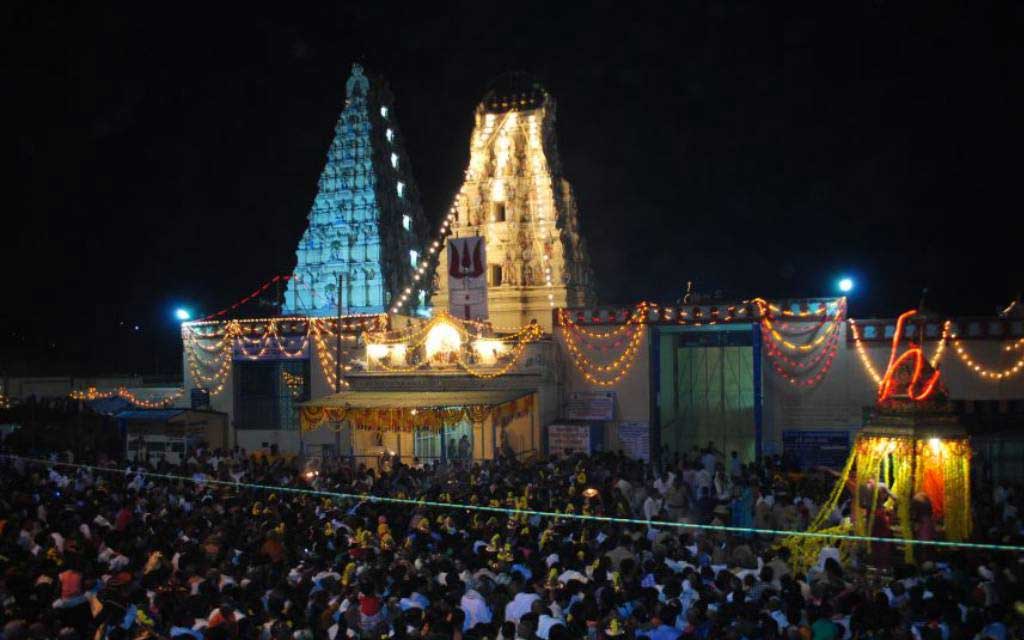
Sri Male Mahadeshwara Swamy Temple (also known as MM Hills Temple), located in Male Mahadeshwara Hills, Chamarajanagara District, Karnataka (about 140 km from Mysuru and 220 km from Bengaluru), is one of the most powerful and widely revered Shiva temples in South India. Dedicated to Lord Male Mahadeshwara Swamy — an incarnation of Lord Shiva who lived as a 12th-century saint, yogi, and social reformer — the temple is situated atop the scenic MM Hills in the Eastern Ghats, surrounded by dense forests and wildlife sanctuary.
The deity is worshipped as Mahadeshwara (Great Lord), along with Goddess Padmavathi Ammavaru. The temple attracts millions of devotees annually and is especially famous for its grand Maha Shivaratri Jathre (festival), which draws one of the largest crowds among Karnataka Shiva temples during this auspicious occasion.
Maha Shivaratri 2026 falls on Sunday, February 15, 2026 (Phalguna Krishna Chaturdashi). The celebrations at Male Mahadeshwara Temple are among the most vibrant and massive in the state, with lakhs of devotees — including large groups from Karnataka, Tamil Nadu, Andhra Pradesh, and Telangana — undertaking arduous hill climbs, offering special pujas, and participating in night-long vigils to seek blessings for protection, health, prosperity, and wish fulfillment.
Temple authorities, supported by the Karnataka Endowments Department and local administration, organize extensive arrangements — temporary shelters, crowd control barricades, medical camps, free annadanam, drinking water points, and enhanced security — to manage the enormous pilgrim flow during this sacred festival.
Spiritual Significance of Male Mahadeshwara & Maha Shivaratri
Lord Male Mahadeshwara is revered as a Kaliyuga avatar of Shiva — a saint who performed miracles, fought injustice, protected the weak, and promoted harmony among communities. Devotees believe that sincere darshan and offerings at His feet on Maha Shivaratri grant:
- Removal of obstacles and sins
- Protection from evil forces and black magic
- Health, courage, and family well-being
- Fulfillment of long-pending vows
The festival celebrates Shiva’s cosmic roles (marriage to Parvati, Halahala consumption, Tandava), with the hilltop location symbolizing spiritual elevation and closeness to the divine. Many devotees fast rigorously, climb the hills barefoot, and perform jagran, believing the merit equals that of major Jyotirlinga darshan.
Key Rituals & Celebrations on February 15, 2026
The Maha Shivaratri Jathre features multi-day festivities with the peak on Shivaratri:
- Pre-Shivaratri → Dwajarohanam (flag hoisting), daily special alankaram of Lord Mahadeshwara and Ammavaru, cultural programs, and arrival of large devotee groups.
- Maha Shivaratri Main Day:
- Early morning Suprabhata Seva and Maha Rudrabhishekam with Bilva leaves, milk, honey, ghee, curd, sugarcane juice, and sacred waters.
- Continuous Abhishekam and Archana sessions (individual/group; thousands book special packages).
- Maha Aarti performed at key times with grand floral, jewel, and lamp decorations.
- All-night jagran with mass chanting of “Om Namah Shivaya,” Shiva Tandava Stotram, bhajans, and Harikatha narrations of Mahadeshwara’s life.
- Special Bilva Patra archana (108/1008 leaves) and milk pouring by devotees.
- Processions of the deity around the hilltop temple complex amid nadaswaram, drums, and fireworks.
- Additional Highlights → Free annadanam served round-the-clock (feeding lakhs), lamp offerings along hill paths, and community fairs adding festive energy.
The temple remains open throughout the night, with the hill illuminated and echoing with devotional songs.
Pilgrim Tips for Maha Shivaratri 2026
- Darshan & Crowds → Extremely heavy crowds (several lakhs on peak day); arrive 1–2 days early or by pre-dawn on February 15. General darshan free; special sevas bookable via temple counters.
- Travel → Nearest railhead: Chamarajanagara (35 km) or Mysuru (140 km). KSRTC special buses from Bengaluru, Mysuru, Kollegal; private vehicles/cabs common. Road from Bengaluru via Kanakapura–Malavalli–Kollegal route.
- Accommodation → Temple-run cottages, mutts, and choultries (book early); private lodges in MM Hills or Chamarajanagara. Many devotees stay in tents or open areas during jathre.
- Observance → Strict fast (nirjala or phalahar), Bilva offerings (sold near temple), mantra japam, barefoot hill climb (moderate–steep steps), full jagran.
- Health & Facilities → Free meals, medical camps, drinking water, sanitation, and first-aid stations; carry ID, minimal belongings, warm clothes (hill nights are cool).
- Best Experience → Participate in group Rudrabhishekam; witness midnight aarti; climb hills at night for spiritual intensity; combine with nearby Hanur or BR Hills visit.
Spiritual Note
Male Mahadeshwara stands as a living symbol of compassion, justice, and divine power. On Maha Shivaratri, the hill becomes a conduit of grace — every step upward, every chant, every offering brings the devotee closer to Shiva’s heart. May Lord Mahadeshwara protect, heal, and fulfill the prayers of all who seek Him this sacred night.
For more divine insights:
- Top 10 Lord Shiva Temples 2026: Jyotirlingas & Sites
- Maha Shivaratri 2026: Great Night of Shiva – Significance, Fasting, Rituals and Devotional Practices
- Dharmasthala Manjunatha Temple Guide
- Ekadasa Rudrabhishekam: Complete Guide to Benefits, Procedure & Significance
Keywords: Male Mahadeshwara Temple Maha Shivaratri 2026, MM Hills Shivaratri Jathre, Karnataka hilltop Shiva temple 2026, Mahadeshwara Swamy darshan, Chamarajanagara Maha Shivaratri celebrations
Related posts:
 Maha Shivaratri 2026 Significance & Katha | Shiva Stories
 Chidambaram Thillai Nataraja Temple – Maha Shivaratri 2026: Cosmic Dance of Nataraja, Special Abhishekams & Pancha Bhoota Ether Celebrations in Tamil Nadu
 Brihadeeswarar Temple Thanjavur Maha Shivaratri 2026
 Hobart (Tasmania): Shiva as the Silent Witness of Nature and Inner Stillness
 Maha Shivaratri 2026 Celebrations in Canada: A Coast-to-Coast Guide to Divine Devotion
 Maha Shivaratri 2026 in Melbourne: A Sacred Night of Stillness, Discipline, and Inner Awakening in Victoria
 Maha Shivaratri Jagaran 2026: A Global Hindu Night of Awakening
 Maha Shivaratri 2026 in Atlanta Metro Area: Your Complete Celebration Guide