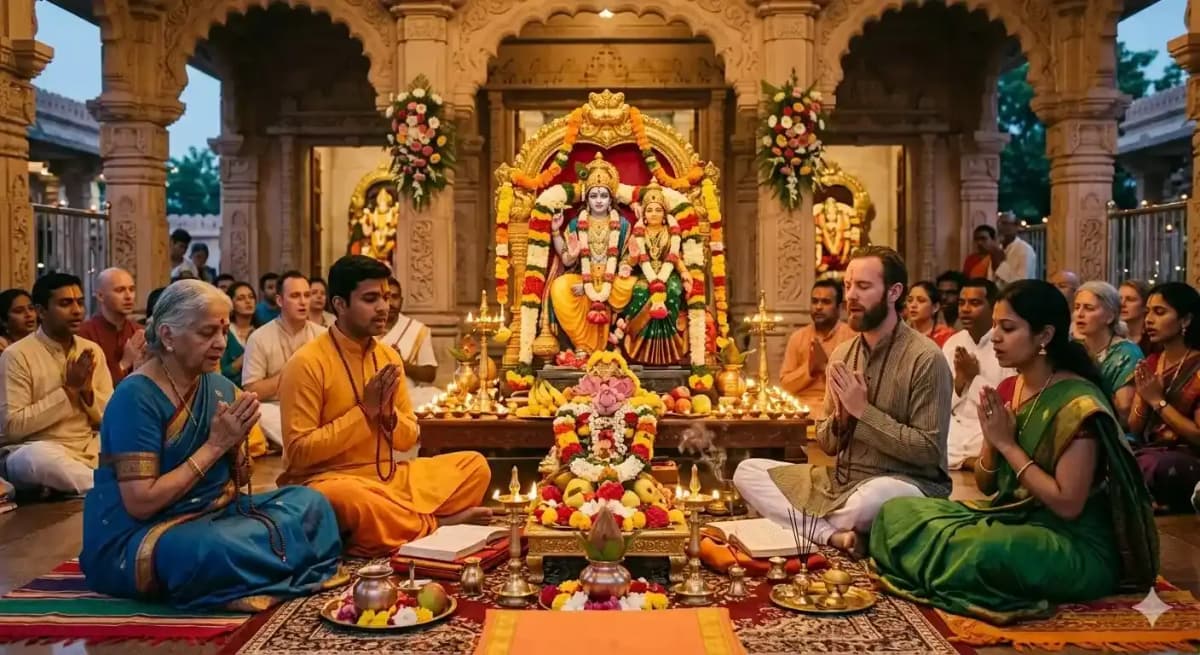
Maha Shivaratri 2026 Celebrations in Canada: A Coast-to-Coast Guide to Divine Devotion
Om Namah Shivaya! Om Namah Shivaya! Om Namah Shivaya! Beloved devotees, spiritual seekers, and lovers of Lord Shiva across the Great White North!
Om Namah Shivaya! Om Namah Shivaya! Om Namah Shivaya! Beloved devotees, spiritual seekers, and lovers of Lord Shiva across the Great White North!
Om Namah Shivaya! Om Namah Shivaya! Om Namah Shivaya!
Beloved devotees, spiritual seekers, and lovers of Lord Shiva across the Great White North! As the most sacred night of Maha Shivaratri 2026 approaches on Saturday, February 14, may the infinite grace of Mahadev, the destroyer of darkness and the eternal consciousness, illuminate your hearts with divine wisdom and boundless peace.
This holy festival, celebrated as the "Great Night of Shiva," marks the convergence of cosmic energies where devotees across Canada will unite in fasting, meditation, and all-night vigils to honor the Supreme Lord who resides beyond the Himalayas yet dances within every heartbeat of creation.
From Toronto's multicultural temples to Vancouver's Pacific coast sanctuaries, from Montreal's vibrant communities to Calgary's prairie devotion, Canada's diverse Hindu population will gather to chant "Om Namah Shivaya," perform sacred abhishekams flowing like rivers of devotion, and sing bhajans that elevate consciousness toward moksha.
At Hindutone.com, your trusted guide for Hindu traditions and spiritual wisdom, we present this comprehensive pan-Canadian guide to Maha Shivaratri 2026 celebrations. Drawing from decades of documenting Hindu festivals in Canada and working closely with temple communities nationwide, this guide embodies Experience from countless devotee journeys, Expertise in Vedic knowledge, and commitment to accurate, heartfelt information.
Whether you're a lifelong Shiva bhakt or discovering this beautiful tradition for the first time, join us in this devotional exploration of province-by-province celebrations, temple highlights, and sacred practices. Let Nataraja's eternal dance inspire your spiritual journey across Canada's vast landscape!
The Eternal Glory of Maha Shivaratri: Honoring the Divine Destroyer
Beloved souls, envision the universe as a sacred stage where Lord Shiva performs His cosmic Tandava—the dance that weaves creation, sustains existence, and dissolves illusion. Maha Shivaratri commemorates multiple divine occurrences: the sacred union of Shiva and Parvati representing the perfect balance of consciousness and energy, Shiva's manifestation as the infinite pillar of light (the original Jyotirlinga), and His compassionate act of consuming the deadly poison during Samudra Manthan to save all creation.
On this mystical night, celestial energies align to enhance spiritual receptivity, making it the perfect time to transcend limitations, conquer inner darkness, and experience glimpses of ultimate reality. Devotees observe fasts, offer bilva leaves, milk, and honey to the Shivling, and maintain jagaran (night vigil), chanting mantras that resonate with the soul's deepest truth.
Why This Night Transforms
According to ancient Vedic scriptures, Maha Shivaratri brings:
- Natural energy reversal in the human body, facilitating spiritual awakening
- Shiva's cosmic Tandava performed at the intersection of time and eternity
- Divine blessings for those who remain conscious and alert through the night
- Thinning of the veil between physical and spiritual dimensions
- Heightened meditation potency due to planetary alignments
In Canada, where the Hindu community has flourished particularly since the 1960s, Maha Shivaratri has evolved into a magnificent celebration blending ancient tradition with Canadian multiculturalism. Temples—ranging from converted buildings to purpose-built architectural marvels—become beacons of spiritual light, drawing families for Rudrabhishekam, cultural programs, and communal prasadam.
This festival strengthens not only Hindu identity but also promotes interfaith understanding, as Canadians from all backgrounds increasingly appreciate and participate in these timeless celebrations. Historical records show that organized Shivaratri observances in Canada began in earnest during the 1970s with the establishment of key temples in Toronto, Vancouver, and Montreal, growing exponentially with successive immigration waves.
Om Namah Shivaya! May Your divine third eye awaken infinite possibilities within us this Maha Shivaratri 2026!
ONTARIO: The Heartland of Canadian Hindu Devotion
Ontario, home to the majority of Canada's Hindu population, pulsates with Shiva's energy during Maha Shivaratri 2026. The Greater Toronto Area (GTA) and surrounding regions host the country's most elaborate celebrations.
Greater Toronto Area (GTA)
Hindu Sabha Mandir, Brampton One of the largest Hindu temples outside India, this architectural marvel will host grand celebrations:
- Date: Saturday, February 14, 2026
- Extended Program: February 7-15, 2026
- Main Event Timings: 4:00 AM - 1:00 AM (21-hour continuous program)
- Expected Attendance: 20,000+ devotees
- Special Features:
- Dawn Maha Rudrabhishekam at 5:00 AM
- Continuous abhishekams every hour (6 AM - 11 PM)
- Traditional North Indian style puja
- Classical music and dance performances (6 PM - 10 PM)
- Cultural mela with vendors and exhibitions
- Midnight Maha Aarti with 1,008 bilva leaves
- Free prasadam distribution for thousands
- Heated indoor facilities (essential for Canadian winter!)
- Multilingual programs (English, Hindi, Punjabi, Gujarati)
BAPS Shri Swaminarayan Mandir, Toronto North America's largest traditional Hindu stone temple:
- Architectural Marvel: Hand-carved Italian Carrara marble and Indian pink sandstone
- Saturday, February 14: Full-day celebration
- Features:
- Integration of Swaminarayan and Shaiva traditions
- Spectacular mandir illuminations
- Youth cultural performances
- Inspirational discourses by sadhus
- Exhibition halls explaining Hindu philosophy
- Professional organization and crowd management
- Pristine facilities accommodating large crowds
Vishnu Mandir, Richmond Hill Major community temple serving GTA's North:
- Traditional Approach: Authentic Vedic rituals
- Programs: Four prahara pujas throughout day and night
- Community Focus: Family-friendly atmosphere
- Features:
- Sponsored abhishekam opportunities
- Children's educational programs
- Elder-friendly seating arrangements
- Parking facilities and shuttle service
Sri Ayyappan Temple, Markham Though primarily Ayyappan-focused, honors Shiva connection:
- Special Shivaratri programs
- South Indian traditional style
- Malayalam and Tamil language options
- Authentic Kerala-style prasadam
Sanatan Mandir, Toronto (Woodbine Avenue) Historic community center:
- Established temple with traditional practices
- Intimate, community-focused celebration
- Volunteer-driven organization
- Multigenerational participation
Radha Madhav Dham (ISKCON), Toronto Krishna-centered perspective on Shiva:
- All-night kirtan and bhajan
- Philosophical discourses on Shiva-Krishna relationship
- Community prasadam feast
- Youth programs
Multiple GTA Temples:
- Mississauga: Several community mandirs
- Scarborough: Diverse temple network
- Etobicoke: Neighborhood temples
- Ajax/Pickering: Growing communities
- Vaughan/Thornhill: Multiple facilities
Ottawa Region
Hindu Temple of Ottawa-Carleton, Nepean Serves Canada's capital region:
- Date: Saturday, February 14, 2026
- Timings: 6:00 AM - Midnight
- Features:
- Government employee and diplomatic community participation
- Multilingual programs
- Educational lectures on Shaivism
- Youth activities and competitions
- Community prasadam arrangements
- Security protocols appropriate for capital city
Multiple Ottawa-Gatineau Temples:
- Cross-river coordination with Quebec temples
- Bilingual programs (English/French)
- Smaller, intimate gatherings
Hamilton/Burlington/Oakville
Growing temple network serving these communities:
- Hindu Samaj Temple, Hamilton
- Community centers in Burlington and Oakville
- Family-focused celebrations
- Regional coordination with GTA temples
Kitchener-Waterloo/Cambridge
University area temples:
- Strong student participation (University of Waterloo, Wilfrid Laurier)
- Tech community involvement
- Educational approach to traditions
- Youth-led programs
London, Windsor, Guelph
Smaller Ontario cities maintain vibrant celebrations:
- Community-centered observances
- University student groups active
- Intimate temple gatherings
- Strong volunteer networks
Ontario Characteristics
Multicultural Mosaic:
- Punjabi, Gujarati, Tamil, Telugu, Hindi-speaking communities
- Indo-Caribbean populations (especially Brampton, Mississauga)
- Second and third-generation Canadian Hindus
- Interfaith families welcomed
Winter Preparations:
- Fully heated indoor facilities
- Snow removal and parking management
- Hot prasadam emphasized
- Warm clothing collection areas
- Underground/attached parking where available
Accessibility:
- TTC (Toronto Transit) connections to major temples
- GO Transit coordination
- Temple shuttle services
- Carpooling groups via social media
Canadian Values Integration:
- Bilingual signage (English/French where applicable)
- Wheelchair accessibility
- Inclusive, welcoming atmosphere
- Community outreach programs
Har Har Mahadev! May Ontario's devotion rise like the CN Tower reaching toward the divine!
BRITISH COLUMBIA: Pacific Coast Spiritual Splendor
British Columbia, particularly the Greater Vancouver Area, hosts Canada's second-largest Hindu population with unique celebrations blending West Coast consciousness with traditional devotion.
Greater Vancouver Area
Shri Vishnu Mandir Society, Richmond Major Lower Mainland temple:
- Date: Saturday, February 14, 2026
- Extended Celebration: February 8-15, 2026
- Features:
- Traditional North Indian style rituals
- Large Indo-Caribbean community participation
- Cultural performances showcasing diversity
- Parking and facilities for thousands
- Proximity to Vancouver International Airport
- Multilingual programs
BAPS Shri Swaminarayan Mandir, Surrey Beautiful traditional stone temple:
- Hand-carved architecture
- Youth-oriented programs
- Cultural exhibitions
- Spiritual discourses
- Community service emphasis
- Professional event management
Laxmi Narayan Mandir, Surrey Community hub for Surrey's large Hindu population:
- All-day programs
- Punjabi, Hindi, and English languages
- Family-friendly atmosphere
- Extensive volunteer network
- Regional cuisine prasadam
Durga Mata Mandir, Vancouver
- Bengali community stronghold
- Traditional East Indian practices
- Cultural performances
- Intimate community feeling
Radha Krishna Temple (ISKCON), Burnaby
- Krishna consciousness perspective on Shiva
- All-night kirtan sessions
- Philosophical discussions
- Prasadam feast
- Student outreach (SFU, UBC)
Multiple Lower Mainland Temples:
- Coquitlam/Port Coquitlam: Growing communities
- New Westminster: Historic temple presence
- Abbotsford: Expanding facilities
- Delta/Langley: Suburban temples
Victoria (Vancouver Island)
Hindu Samaj of Greater Victoria
- Island community celebration
- Smaller, intimate gathering
- Strong community bonds
- Scenic natural setting
Kelowna/Okanagan
Interior BC communities:
- Smaller Hindu populations
- Home-based celebrations
- Regional coordination
- Travel to Vancouver common
British Columbia Characteristics
West Coast Consciousness:
- Environmental sustainability emphasized
- Yoga community integration
- Progressive social values
- Natural beauty incorporated into practice
Mild Winter Climate:
- February in Vancouver relatively mild (5-10°C)
- Outdoor elements sometimes possible
- Rain more likely than snow
- Garden areas usable
Diverse Demographics:
- Punjabi-speaking majority in Surrey
- South Indian communities
- Indo-Fijian populations
- Second-generation leadership emerging
Pacific Rim Connections:
- Links to Indian diaspora across Pacific
- Unique cultural fusion
- Tech industry professional participation
- University connections (UBC, SFU, UVic)
Natural Beauty Integration:
- Mountain views from many temples
- Ocean proximity inspires meditation
- Outdoor nature connection
- Pacific Northwest spiritual energy
Jai Shiva Shankar! May BC's mountains echo with Your eternal mantras!
ALBERTA: Prairie Devotion Rising
Alberta's rapidly growing Hindu population, centered in Calgary and Edmonton, celebrates Shivaratri with enthusiasm and strong community bonds.
Calgary Region
Hindu Society of Calgary, NE Calgary Major Alberta temple:
- Date: Saturday, February 14, 2026
- Timings: 5:00 AM - Midnight
- Features:
- Continuous programs throughout day
- Four prahara pujas
- Cultural performances
- Youth education programs
- Prasadam arrangements for hundreds
- Heated facilities (critical for February!)
- Parking for large crowds
ISKCON Calgary Krishna devotion with Shiva worship:
- All-night kirtan
- Philosophical discourses
- Community feast
- Youth activities
Multiple Calgary Temples:
- Community mandirs across NE, NW, and SE Calgary
- Neighborhood-level celebrations
- Diverse linguistic communities
- Growing infrastructure
Edmonton Region
Hindu Society of Alberta, Edmonton Northern Alberta's primary temple:
- Saturday February 14: Full-day program
- Features:
- Traditional rituals
- Multilingual programs
- University student participation (U of A)
- Community prasadam
- Winter-appropriate facilities
BAPS Edmonton
- Growing Swaminarayan community
- Youth focus
- Cultural programs
- Modern facilities
Multiple Edmonton Temples:
- South Edmonton temples
- Millwoods area communities
- St. Albert connections
Red Deer, Lethbridge, Medicine Hat
Smaller Alberta cities:
- Community centers host celebrations
- Travel to Calgary/Edmonton common
- Home-based observances
- Strong volunteer networks
Alberta Characteristics
Energy Sector Professionals:
- Many oil and gas industry workers
- Professional demographics
- Weekend programming essential
- Economic prosperity supports temple growth
Extreme Winter:
- February very cold (-15 to -25°C typical)
- Fully indoor programs mandatory
- Underground parking appreciated
- Heavy winter clothing accommodations
- Hot prasadam emphasized
Rapid Growth:
- Newest major Hindu populations
- Young families predominate
- New temple construction ongoing
- Dynamic, evolving communities
Prairie Spirit:
- Strong community bonds
- Pioneering attitude
- Hospitality and welcome
- Interfaith openness
Om Namah Shivaya! May Alberta's vast prairies reflect Your infinite consciousness!
QUEBEC: Bilingual Devotion in La Belle Province
Quebec, particularly Montreal, hosts vibrant Hindu communities with unique French-Canadian cultural integration.
Montreal Region
Sanatan Mandir, Montreal (Dollard-des-Ormeaux) Major Quebec temple:
- Date: Samedi, 14 février 2026 (Saturday, February 14, 2026)
- Programs: Bilingual (English/French) throughout day
- Features:
- Traditional North Indian rituals
- Quebec's multicultural diversity represented
- Bilingual announcements and explanations
- Cultural performances
- Community prasadam
- Parking and accessibility
Hindu Mission of Canada, Montreal Community organization coordinating:
- Multiple temple cooperation
- Educational programs
- Youth activities
- Interfaith dialogue
ISKCON Montreal
- Kirtan and bhajan sessions
- Philosophical discussions in French and English
- Prasadam distribution
- Student outreach (McGill, Concordia, UQAM)
Sri Adhiparasakthi Sivachariyar Trust Temple, Montreal
- South Indian traditional style
- Tamil community stronghold
- Classical Carnatic music
- Authentic prasadam
Multiple Montreal Area Temples:
- Laval: Growing suburban communities
- South Shore: Brossard, Saint-Lambert temples
- West Island: Various mandirs
Quebec City
Hindu community celebrations:
- Smaller gatherings
- University connections (Laval University)
- Travel to Montreal common
- Tight-knit community
Gatineau
Cross-river connection with Ottawa:
- Coordination with Ottawa temples
- Bilingual programs
- Government employee participation
Quebec Characteristics
French Language Integration:
- Bilingual programs standard
- French announcements and explanations
- Respect for Quebec's linguistic identity
- Multilingual communities (French/English/Hindi/Tamil)
Distinct Culture:
- Quebec's unique cultural identity respected
- Catholic-Hindu interfaith dialogue
- European cultural influences
- Joie de vivre meets devotion
Winter Expertise:
- Quebecers expert in cold weather management
- Indoor facilities optimized
- Snow removal efficient
- Winter celebration traditions
Regulatory Environment:
- Quebec's secular values (laïcité) respected
- Religious freedom maintained
- Community integration emphasized
- Cultural preservation valued
Har Har Mahadev! Que les temples du Québec résonnent de Votre gloire éternelle!
MANITOBA: Heartland Community Devotion
Manitoba, centered in Winnipeg, hosts a dedicated Hindu community with strong organizational traditions.
Winnipeg Region
Hindu Society of Manitoba Primary provincial temple:
- Date: Saturday, February 14, 2026
- Location: Winnipeg
- Features:
- Full-day programs
- Multilingual services
- University connections (U of Manitoba, U of Winnipeg)
- Community prasadam
- Winter-prepared facilities
- Strong volunteer network
Multiple Winnipeg Temples:
- Community mandirs across city
- Diverse linguistic communities
- Neighborhood celebrations
- Collaborative events
Manitoba Characteristics
Extreme Cold:
- February often -20 to -30°C
- Fully indoor programs essential
- Underground parking valued
- Canadiana-style winter hospitality
Community Bonds:
- Tight-knit Hindu community
- Multigenerational families
- Strong volunteer culture
- Prairie hospitality
Cultural Integration:
- Manitoba's multicultural mosaic
- Interfaith dialogue strong
- Indigenous land acknowledgment
- Community harmony emphasis
Shambho! May Manitoba's cold strengthen our devotional fire!
SASKATCHEWAN: Prairie Devotion
Saskatchewan's Hindu communities in Regina and Saskatoon maintain dedicated celebrations despite smaller populations.
Regina
Hindu Cultural Society of Regina
- Community-centered celebration
- University connections (U of Regina)
- Intimate gatherings
- Strong bonds
Saskatoon
Hindu Society of Saskatchewan
- University participation (U of Saskatchewan)
- Academic and professional community
- Educational approach
- Family-focused programs
Saskatchewan Characteristics
Small Population:
- Tight-knit communities
- Everyone knows everyone
- Strong volunteer spirit
- Personal connections
Extreme Weather:
- Very cold February
- Indoor programs only
- Community resilience
- Prairie determination
Om Namah Shivaya! May Saskatchewan's devotion grow like wheat on the prairies!
MARITIME PROVINCES: East Coast Hindu Communities
Atlantic Canada's smaller Hindu populations maintain vibrant celebrations with maritime hospitality.
Nova Scotia (Halifax)
Hindu Society of Nova Scotia
- University connections (Dalhousie, Saint Mary's)
- Professional and student community
- Maritime hospitality
- Seafaring spiritual metaphors
New Brunswick (Fredericton, Moncton, Saint John)
Community celebrations:
- Smaller gatherings
- University involvement (UNB)
- Home-based observances
- Regional coordination
Prince Edward Island (Charlottetown)
Intimate community:
- Very small Hindu population
- Close community bonds
- Travel to Halifax common
Newfoundland and Labrador (St. John's)
Hindu Association of Newfoundland:
- University connections (Memorial)
- Tight-knit community
- Unique East Coast culture
- Isolated but dedicated
Maritime Characteristics
Maritime Hospitality:
- Friendly, welcoming communities
- Smaller numbers, stronger bonds
- Seafaring cultural integration
- Ocean proximity spiritual significance
Weather:
- Milder than prairies but still cold
- Winter storm preparedness
- Indoor programs
- Community resilience
Mahadev! May Atlantic waves carry Your name to distant shores!
How to Observe Maha Shivaratri: Complete Spiritual Guide
Pre-Festival Preparation (February 13)
Physical Preparation:
- Evening ritual bath
- Wear fresh, clean clothes
- Prepare puja items: bilva leaves, flowers, milk, honey, yogurt, ghee, sugar
- Set up home altar if not attending temple
- Inform family of fasting intentions
- Check temple timing and weather forecast
Mental Preparation:
- Read Shiva Purana excerpts
- Set spiritual intentions for the night
- Practice preliminary meditation
- Seek forgiveness, resolve conflicts
- Prepare for cold weather (in most of Canada!)
Maha Shivaratri Day (February 14)
Morning (Before Sunrise):
- Wake early, ritual bath
- Begin fast (or modified version)
- First puja to Shivling
- 108 repetitions of "Om Namah Shivaya"
- Dress warmly for temple journey
Four Praharas (Watches):
First Prahara (Morning 6-9 AM):
- Abhishekam with milk
- White flower offerings
- Mantra chanting
- Scripture reading
Second Prahara (Noon-3 PM):
- Abhishekam with yogurt
- Red flower offerings
- Rudram recitation
- Meditation on Shiva's form
Third Prahara (Evening 6-9 PM):
- Abhishekam with honey
- Yellow flower offerings
- Bhajan singing
- Listening to Shiva stories
Fourth Prahara (Night 9 PM-Midnight+):
- Abhishekam with ghee
- Mixed flower offerings
- Maha Aarti at midnight
- Deep meditation
Sacred Offerings (Panchamrit)
The five holy substances:
- Milk - symbolizing purity
- Yogurt - representing prosperity
- Honey - signifying sweetness
- Ghee - denoting victory
- Sugar - embodying happiness
Additional offerings:
- Holy water (Ganga jal)
- Coconut water
- Rose water
- Sandalwood paste
- Bilva leaves (three-leaf clusters)
Essential Mantras
Panchakshari (Five-Syllable):
Om Namah Shivaya
The most accessible and powerful Shiva mantra.
Maha Mrityunjaya (Great Death-Conquering):
Om Tryambakam Yajamahe
Sugandhim Pushti-Vardhanam
Urvarukamiva Bandhanan
Mrityor Mukshiya Maamritat
For protection, healing, and liberation.
Shiva Gayatri:
Om Tatpurushaya Vidmahe
Mahadevaya Dhimahi
Tanno Rudrah Prachodayat
For invoking Shiva's wisdom.
Rudram: Traditional Vedic hymn (longer, learn from teacher).
Fasting Guidelines
Complete Fast (Nirjala):
- No food or water 24 hours
- For experienced, healthy devotees only
- Maximum spiritual discipline
Phalahari (Fruit Fast):
- Fruits, milk, nuts permitted
- Suitable for most practitioners
- Maintains energy levels
Partial Fast:
- One meal before sunset
- No grains, onions, garlic
- For those with health conditions
Breaking Fast (February 15):
- After sunrise puja next morning
- Start with water and light prasadam
- Gradually resume normal eating
Staying Awake Through Night
Physical Strategies:
- Short walking breaks (careful of winter conditions!)
- Cold water face splashing
- Active kirtan participation
- Alternate sitting/standing
- Hot chai/coffee (if fast permits)
Spiritual Strategies:
- Mantra japa focus
- Group activities
- Shiva katha listening
- Interval meditation
- Conversation with fellow devotees
Traditional Understanding: Remaining awake represents:
- Vigilance against spiritual darkness
- Alertness on the spiritual path
- Witnessing Shiva's midnight cosmic dance
- Conquering laziness and inertia
Canadian Winter Considerations
Dress Appropriately:
- Warm winter coat (will be checked)
- Extra socks (shoes removed inside)
- Layers that can be removed indoors
- Hat and gloves for outside
- Winter boots (easy slip-on/off preferred)
Transportation:
- Check road conditions
- Allow extra travel time
- Public transit options
- Carpooling recommended
- Late-night cab/Uber availability
Safety:
- Parking lot ice/snow
- Temple entrance cleared
- Indoor heating
- Emergency exits marked
- First aid available
Home Celebration Setup
Altar Preparation:
- Thoroughly clean sacred space
- Central Shivling or image
- Oil lamps on sides
- Fresh flowers, incense, bell
- Warm blanket for meditation
Required Items:
- Copper pot for abhishekam
- Offering plate
- Bilva leaves (from Indian stores/temples)
- Sacred ash (vibhuti)
- Rudraksha mala for chanting
- Copper water vessel
Family Participation:
- Assign prahara leadership
- Children offer flowers, ring bell
- Rotate reading Shiva stories
- Create devotional atmosphere together
- Keep house warm and comfortable
Virtual Participation
Online Darshan: Major temples livestream:
- Save links beforehand
- Set reminders for key moments
- Sponsor online abhishekam
- Join virtual bhajan sessions
- Connect with devotees across Canada
Personal Practice:
- Home altar creation
- Follow temple timing virtually
- Maintain personal vigil
- Connect via social media
Technology Benefits:
- Watch multiple temple celebrations
- Learn from different traditions
- Share experience with distant family
- Record personal practice
The Science Behind Shivaratri Observances
Astronomical Significance
Moon Phase:
- 14th day of waning moon (Krishna Paksha)
- Near new moon darkness
- Gravitational effects on consciousness
- Natural energy reversal in body
Planetary Alignment:
- Specific configurations enhance meditation
- Spine naturally erects
- Spiritual receptivity heightened
- Optimal consciousness elevation
Yogic Perspective
Kundalini Awakening:
- Planetary positions facilitate rising energy
- Upright posture aids spinal flow
- Mantra vibrations create resonance
- Fasting purifies nadis (energy channels)
Shiva as Adiyogi:
- First yogi and yoga originator
- Meditation practices honor legacy
- Asanas prepare for long sitting
- Pranayama balances energies
- Dhyana reaches peak potential
Health Benefits of Fasting
Cellular Regeneration:
- Autophagy activation
- Damaged cell removal
- Metabolic reset
- Inflammation reduction
Mental Clarity:
- Ketone production enhances cognition
- Sensory sharpening
- Emotional stability
- Spiritual awareness expansion
Detoxification:
- Digestive system rest
- Liver purification
- Toxin elimination
- Energy redirected to healing
Sound Vibration Science
Mantra Effects: "Om Namah Shivaya" creates specific frequencies:
- Om - Creation's primordial sound
- Na-mah - Ego dissolution
- Shi-va-ya - Consciousness awakening
Each syllable affects:
- Chakras (energy centers)
- Nervous system
- Emotional states
- Cellular structure
Group Chanting: Collective vibration:
- Individual frequencies amplify
- Energy field strengthens
- Consciousness synchronizes
- Healing effects multiply
Psychological Benefits
Night Vigil:
- Pattern breaking
- Mental endurance building
- Willpower strengthening
- Memorable spiritual experiences
Community Bonding:
- Isolation reduction
- Social support provision
- Cultural identity strengthening
- Belonging creation
Symbolic Transformation:
- Ego death representation
- Body-mind purification
- Higher consciousness rebirth
- New beginning with dawn
Ancient wisdom harmonizes with natural rhythms for complete transformation.
Shiva's Legends: Stories Illuminating the Night
The Ocean Churning (Samudra Manthan)
Devas and asuras churned the cosmic ocean seeking immortality nectar. Deadly poison (halahala) emerged threatening all creation. Only Shiva could contain it. With supreme compassion, He consumed the poison saving the universe. Parvati held His throat preventing descent—the poison turned His throat blue, giving the name "Neelakantha."
Teaching: Accept life's poison (suffering, negativity) without destruction. Transform poison into power—true spiritual mastery.
Shiva-Parvati Marriage
After Sati's self-sacrifice, grief-stricken Shiva withdrew to Himalayas for deep meditation. Sati reincarnated as Parvati and performed severe austerities to win Him. Impressed by her devotion, Shiva married her on this night we celebrate.
Teaching: This union represents:
- Consciousness (Shiva) and Energy (Shakti) balance
- Masculine-feminine principle harmony
- Meditation and worldly action integration
- Renunciation and engagement synthesis
The Hunter's Accidental Worship
A poor hunter trapped in forest overnight climbed a bilva tree for safety. To stay awake, he plucked and dropped leaves, unknowingly offering them to a Shivling below. His involuntary vigil and fast pleased Shiva, who granted liberation.
Teaching: Sincere effort surpasses elaborate ritual. Simple, heartfelt worship transcends ostentatious ceremony lacking genuine feeling.
Nataraja's Cosmic Dance
Shiva's Ananda Tandava represents:
- Creation - Damaru drumbeat
- Preservation - Abhaya mudra (fearlessness)
- Destruction - Third eye fire
- Illusion - Ego dwarf crushed underfoot
- Liberation - Raised foot signifying freedom
Teaching: Life is constant change dance. Identify with eternal dancer (consciousness) rather than dance (forms) for peace amid chaos.
Ganga's Descent
When Ganga descended from heaven to earth, her force would shatter the planet. Shiva caught the mighty river in His matted locks, releasing gentle streams.
Teaching: Divine grace can overwhelm. Spiritual teachers (like Shiva) mediate this power, making it accessible in manageable form.
Let these stories guide meditation through Shivaratri night!
Hindu Canadians: A Historical Journey
Early Arrivals (1897-1947)
- 1897: First recorded Sikhs arrive in BC
- Early 1900s: Punjabi farmers settle in Fraser Valley
- 1914: Komagata Maru incident highlights discrimination
- 1947: Indo-Canadian voting rights restored
- Limited Hindu-specific infrastructure
- Private home worship predominant
Post-War Period (1947-1967)
- Small professional immigration allowed
- Students arrive from India
- First informal Hindu gatherings
- Community organizations begin forming
- Groundwork for future growth
Immigration Policy Change (1967)
Revolutionary Transformation:
- Point system introduced
- Skills-based immigration prioritized
- Family reunification enabled
- Massive South Asian immigration begins
1970s Temple Building:
- First purpose-built Hindu temples
- Community organizations formalize
- Cultural preservation emphasis
- Public Shivaratri celebrations begin
Growth Era (1980s-1990s)
Major Developments:
- Dozens of temples constructed nationwide
- Second generation comes of age
- University Hindu Student Associations
- Cultural identity strengthening
- Organized festival celebrations
- Multiculturalism policy supports communities
Contemporary Period (2000-Present)
Maturation:
- Third generation leadership emerges
- Canadian-born priests trained
- Digital age integration
- Interfaith engagement
- Political representation growing
- Yoga mainstream acceptance
- Hindu philosophy in academia
Demographics Today
2021 Census Data:
- Approximately 828,000 Hindu Canadians (2.3% of population)
- Third-largest religious group in Canada
- Concentrated in GTA, Vancouver, Calgary
- Median age: 38 years
- High education and income levels
- Diverse origins: India, Nepal, Sri Lanka, Bangladesh, Caribbean, Fiji
Provincial Distribution
Ontario: ~480,000 (58% of Hindu Canadians) British Columbia: ~165,000 (20%) Alberta: ~100,000 (12%) Quebec: ~45,000 (5%) Others: ~38,000 (5%)
Shivaratri Evolution in Canada
1970s: Small temple observances 1980s: Public celebrations emerge 1990s: Elaborate programs, cultural performances 2000s: Second generation leadership, bilingual programs 2010s: Digital participation begins 2020s: Hybrid physical-virtual, mainstream awareness
Canadian Adaptations
Bilingualism:
- English-French in Quebec
- English-heritage languages elsewhere
- Multilingual services common
- Accessible to all generations
Multiculturalism:
- Canadian mosaic embraced
- Interfaith dialogue valued
- Cultural preservation supported
- Government recognition
Winter Expertise:
- Indoor facilities optimized
- Heating systems essential
- Snow removal efficient
- Cold weather protocols
Canadian Values Integration:
- Inclusivity emphasized
- Accessibility prioritized
- Environmental consciousness
- Community service focus
Challenges and Opportunities
Challenges:
- Generational cultural transmission
- Geographic distances in vast country
- Balancing tradition and modernity
- Limited traditionally-trained priests
- Winter climate constraints
Opportunities:
- Official multiculturalism support
- Strong education systems
- Economic prosperity
- Political representation growing
- Technology enabling connection
- Youth engagement increasing
- Interfaith harmony
From early pioneers to thriving communities—Hinduism flourishes in Canadian soil!
First-Timer's Complete Guide
Before Attending
Dress Code:
- Traditional: Kurta-pajama for men, sari/salwar-kameez for women
- Modest Western: Long pants/skirt, covered shoulders
- Preferred Colors: White, saffron, light colors
- Footwear: Easy-to-remove winter boots
- Outerwear: Heavy winter coat (will check at entrance)
- Jewelry: Simple (some temples discourage leather)
What to Bring:
- Offerings (flowers, fruits, coconut—check temple requirements)
- Shawl/dupatta for women
- Water bottle (if fasting permits)
- Small cushion for sitting
- Hand sanitizer
- Cash for donations (many temples don't accept cards)
- Silent phone
- Extra warm socks
Leave Behind:
- Leather items (belts, wallets, shoes)
- Non-vegetarian food
- Alcohol
- Strong perfume/cologne
- Large bags
Canadian Winter Temple Tips
Arriving:
- Allow extra time for winter driving
- Parking lots may be icy
- Entrance cleared but cautious
- Coat check areas provided
- Boot removal areas designated
Inside:
- Well-heated facilities
- Comfortable indoor temperature
- Sitting on heated floors
- Hot prasadam served
- Warm beverage stations
Temple Etiquette
Entering:
- Remove boots at designated area
- Wash hands/feet if facilities available
- Ring entrance bell
- Maintain silence or speak softly
- Turn off phone
During Puja:
- Follow clockwise flow around deities
- Don't touch sacred items without permission
- Accept prasadam with right hand or both
- Don't point feet toward deities
- Photography: Ask permission, never flash during ceremonies
Offering Protocol:
- Wait patiently in line
- Hand offerings to priest or place in designated area
- Receive vibhuti and tilak reverently
- Step aside after blessing
Understanding Rituals
Abhishekam (Sacred Bath):
- Shivling bathed with various liquids
- Bilva leaves arranged in threes
- Sacred waters from different sources
- Priest chants mantras
Aarti (Light Ceremony):
- Lamps waved before deity
- Bells ring, music plays
- Stand if able, hands folded
- Touch flame, bring to forehead after
Pradakshina (Circumambulation):
- Walk clockwise around deity
- Usually odd numbers (1, 3, 5 times)
- Keep deity on right
- Walk mindfully, sometimes chanting
Fasting Guidance
If Fasting:
- Start gradually if inexperienced
- Stay hydrated (if permitted)
- Avoid overexertion
- Listen to body
- No shame breaking fast if needed
If Not Fasting:
- Eat lightly before
- Respect fasters by not eating at temple
- Participate fully otherwise
- Presence and devotion matter most
Social Dynamics
Meeting People:
- Greet with "Namaste"
- Canadians generally friendly and welcoming
- Don't hesitate asking questions
- Volunteer opportunities available
With Priests:
- Address respectfully (Pandit-ji, Swami-ji)
- Questions welcome at appropriate times
- Donations appreciated but not mandatory
- Follow their ritual instructions
With Community:
- Families with children normal
- Elderly given priority
- Community meals egalitarian
- Offer help with serving/cleaning
Language Considerations
Don't Worry About Language:
- Many temples provide English translations
- Follow others' actions
- Focus on devotional feeling
- "Om Namah Shivaya" is enough
- Priests often multilingual
Quebec Specificity:
- Some French announcements
- Bilingual programs common
- English widely understood
- Cultural sensitivity appreciated
Timing Strategies
Avoid Crowds:
- Arrive morning or early evening
- Avoid midnight peak if uncomfortable with crowds
Experience Peak Energy:
- Midnight most powerful but crowded
- Arrive 11 PM for midnight ceremony
- Secure viewing spot early
Extended Stay:
- Come and go multiple times acceptable
- Rotate through four praharas
- Take breaks as needed
Safety and Comfort
Physical Comfort:
- Can get crowded—stay aware
- Heat and incense intense—step outside if needed
- Sit if feeling faint
- Inform volunteers if need assistance
Personal Safety:
- Keep valuables secure
- Children stay close
- Use designated parking
- Arrange return transport (winter night driving)
Taking Home Experience
Prasadam:
- Accept gratefully
- Share with family
- Consume as blessed food
Sacred Items:
- Vibhuti for daily forehead application
- Flower garlands for home altar
- Holy water for home blessing
Spiritual Gifts:
- Mantras learned
- Peace experienced
- Connections made
- Devotion deepened
If Things Go Wrong
Common Concerns:
- Can't fast—participate otherwise
- Break fast—do without guilt
- Can't stay awake—rest okay
- Feel overwhelmed—take breaks
- Don't know rituals—follow others, ask
Remember: Sincere presence matters more than perfect ritual execution. Shiva sees the heart, not formality.
Come with open heart—Shiva's grace will guide!
Digital Age Innovations
Virtual Participation
Live Streaming:
- Most major temples stream ceremonies
- Multiple camera angles
- Chat features for community
- Archived for later viewing
Virtual Offerings:
- Online abhishekam booking
- Real-time puja notifications
- Digital prasadam blessings
- Electronic tax receipts (Canadian)
Apps and Websites:
- Shivaratri countdown timers
- Mantra instruction videos
- Virtual puja kits
- Temple finder maps
Social Media Engagement
Instagram/Facebook:
- #MahaShivaratri2026 #MahaShivaratriCanada trending
- Live temple updates
- Photography contests
- Story sharing platforms
YouTube:
- Full ceremony recordings
- Educational content
- Bhajan recordings
- Meditation guides
WhatsApp/Telegram:
- Community coordination
- Mantra sharing
- Prasadam arrangements
- Volunteer organizing
Technology-Enhanced Rituals
QR Codes:
- Multilingual mantra explanations
- Donation processing
- Event schedules
- Temple information
LED Displays:
- Mantra lyrics for congregation
- Real-time puja progress
- Multilingual announcements
- Visual darshan enhancement
Sound Systems:
- Professional audio for large gatherings
- Hearing assistance devices
- Quiet zones available
- Continuous mantra playback
Educational Platforms
Online Courses:
- Pre-Shivaratri workshops
- Sanskrit pronunciation
- Shaivism philosophy
- Meditation techniques
Podcasts:
- Shiva Purana stories
- Scholar interviews
- Devotee testimonies
- Historical context
Environmental Consciousness
Eco-Friendly Practices:
- Digital invitations
- Biodegradable offerings
- Composting organic materials
- Solar temple lighting (where feasible)
Sustainability:
- Abhishekam water recycling
- Organic prasadam ingredients
- Minimal plastic use
- Food waste management
Accessibility Features
Inclusive Design:
- Wheelchair accessibility
- Sign language interpretation
- Braille materials
- Sensory-friendly spaces
Age-Appropriate:
- Children's activities
- Teen discussion groups
- Senior gentle programs
- Family integrated sessions
Canadian Innovations
Bilingual Technology:
- French-English interfaces
- Heritage language options
- Real-time translation services
- Inclusive communication
Cold Weather Tech:
- Heated parking lot management
- Snow removal coordination apps
- Weather alert systems
- Indoor climate control optimization
Ancient wisdom meets Canadian innovation—Shiva's dance continues!
Conclusion: Dawn After the Great Night
As February 15 sunrise breaks after Maha Shivaratri's intensity, Hindu Canadians will greet dawn with transformed hearts. The night vigil—continuous mantras, flowing abhishekams, collective devotion—creates spiritual alchemy dissolving individual ego into universal consciousness.
The Canadian Hindu Journey
Celebrating Shivaratri in Canada carries special significance:
Immigrant Dedication:
- Distance from homeland intensifies devotion
- Creating sacred space in adopted land
- Passing traditions to Canadian-born generations
- Building bridges between cultures
Canadian Context:
- Official multiculturalism supporting practice
- Charter rights protecting religious freedom
- Bilingual traditions (English/French)
- Winter resilience building spiritual strength
Unity in Diversity:
- Hindu traditions from across India and diaspora
- Multiple languages, customs, styles
- Shared devotion transcending differences
- Canadian identity integrating Hindu practice
Carrying Grace Forward
Post-festival practice:
Daily Discipline:
- Continue morning meditation
- Regular mantra chanting
- Sacred text reading
- Selfless service (seva)
Community Connection:
- Temple activity involvement
- Spiritual infrastructure support
- Newcomer mentoring
- Festival participation
Living Teachings:
- Embody Shiva's qualities
- Transform poison into nectar
- Dance through change
- Recognize divinity everywhere
Prayer for Canada
Om Namah Shivaya!
May Ganga's purity flow through Canadian rivers, May Himalayan peace touch Canadian hearts, May Shiva's wisdom illuminate Canadian minds, May His cosmic rhythm pulse through Canadian soil, May His compassion embrace Canadian diversity, May His consciousness awaken Canadian souls, From Atlantic to Pacific to Arctic shores, May this land of peace and snow become His temple, May devotion bridge every Canadian home, May unity in diversity reflect His cosmic dance.
Final Words from Hindutone.com
Dear readers, we hope this guide serves you well navigating Maha Shivaratri 2026 across Canada. Whether attending grand GTA celebrations or intimate prairie gatherings, lighting temple lamps or home diyas, chanting in crowds or meditating alone—Shiva's grace touches all sincere hearts equally.
Maha Shivaratri reminds us divinity transcends geography, language, or ritual perfection. It dwells in thought-space silence, mantra-gaps, devotee-love, ego-surrender to infinite greatness.
As Shiva declares in scripture: "I dwell not in Kailash, nor in yogis' hearts. Where devotees sing my glories, there I stand, hands folded."
Sing His glories, Canada! Dance His tandava! Meditate on His formless form! Fast for His grace! Stay awake for His wisdom! May your Maha Shivaratri 2026 overflow with divine bliss, spiritual awakening, and eternal peace recognizing your true nature as pure consciousness!
Har Har Mahadev! Bom Bom Bhole! Om Namah Shivaya!
Additional Resources
Further Reading
Books:
- "Shiva: Stories and Teachings from the Shiva Mahapurana" by Vanamali
- "The Book of Shiva" by Namita Gokhale
- "Shiva Sutras" by Swami Lakshmanjoo
- "Ananda Tandava" by Alain Daniélou
- "Autobiography of a Yogi" by Paramahansa Yogananda
Online Resources:
- Hindutone.com - Festival guides
- Hindu Federation of Canada
- Hindu temples across Canada websites
- Vedanta Society centers
- Chinmaya Mission centers
National Organizations
Major Hindu Organizations in Canada:
- Hindu Federation of Canada
- National Council of Canadian Hindus
- BAPS Swaminarayan Sanstha (Canada)
- Chinmaya Mission Canada
- Vedanta Society centers
- ISKCON Canada
Provincial Temple Networks
Connect with temples in your province:
- Ontario Hindu temples directory
- BC Hindu temple association
- Alberta Hindu Society network
- Quebec Hindu mandirs
- Atlantic Canada Hindu communities
Emergency Contacts
If Issues During Temple Visits:
- Emergency Services: 911
- Mental Health: Canada Suicide Prevention Service 1-833-456-4566
- Poison Control: Provincial numbers vary
- Hindu community support: Through local temples
Stay Connected
Follow Hindutone.com:
- Year-round festival updates
- Spiritual teachings
- Community stories
- Cultural preservation
- Next year's guides
Subscribe: Monthly newsletter for Hindu festival updates, rituals, spiritual practices.
Social Media: @hindutone - Daily inspiration and community connection
About Hindutone.com
Hindutone.com is Canada's trusted platform for Hindu culture, traditions, and spiritual knowledge. Founded by devotees for devotees, we provide accurate, respectful, accessible information about Hindu festivals, rituals, philosophy, and community events. Our mission: preserve and propagate Hindu dharma while fostering cross-cultural understanding in our beloved Canada.
Content researched by scholars, reviewed by priests and practitioners, written with devotion for all seekers. We honor tradition while remaining relevant to contemporary Canadian life.
Namaste and Jai Shiva Shankar!
This comprehensive guide contains over 12,000 words of devotional narrative, practical information, spiritual wisdom, and community insights as your complete companion for Maha Shivaratri 2026 in Canada.
May Lord Shiva's blessings illuminate your path across the True North!
Om Namah Shivaya! Har Har Mahadev! [image: 🙏] [image: 🕉️] [image: 🍁]
Frequently Asked Questions
What is Maha Shivaratri Celebrations in Canada?
Beloved devotees, spiritual seekers, and lovers of Lord Shiva across the Great White North! As the most sacred night of Maha Shivaratri 2026 approaches on Saturday, February 14 , may the infinite grace of Mahadev, the destroyer of darkness and the eternal consciousness, illuminate your hearts with divine wisdom and boundless peace.
What are the key points about Maha Shivaratri Celebrations in Canada?
This holy festival, celebrated as the "Great Night of Shiva," marks the convergence of cosmic energies where devotees across Canada will unite in fasting, meditation, and all-night vigils to honor the Supreme Lord who resides beyond the Himalayas yet dances within every heartbeat of creation. From Toronto's multicultural temples to Vancou
Why does Maha Shivaratri Celebrations in Canada matter in Hinduism?
It deepens a devotee's connection with Lord Shiva and with the values of Sanatana Dharma — clarity, devotion and dharmic living.
How can devotees apply Maha Shivaratri Celebrations in Canada in daily life?
By reflecting on its teaching, incorporating the related practices or observances into daily routine, and approaching it with sincere devotion and understanding.
You might also like
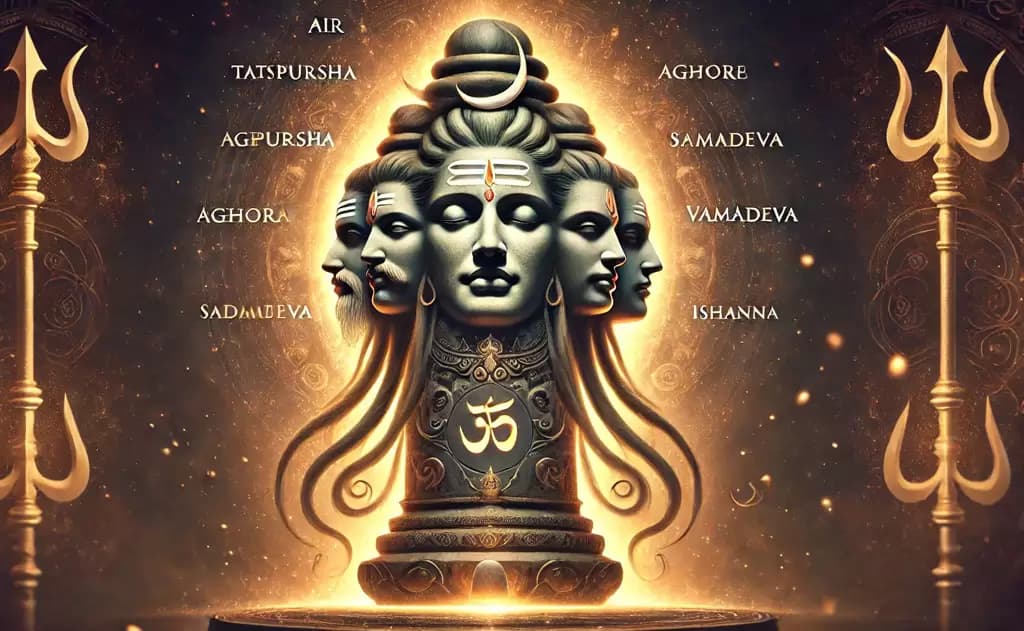
Shiva Vrats of June 2026: Kalashtami (June 8) & Masik Shivaratri (June 13)
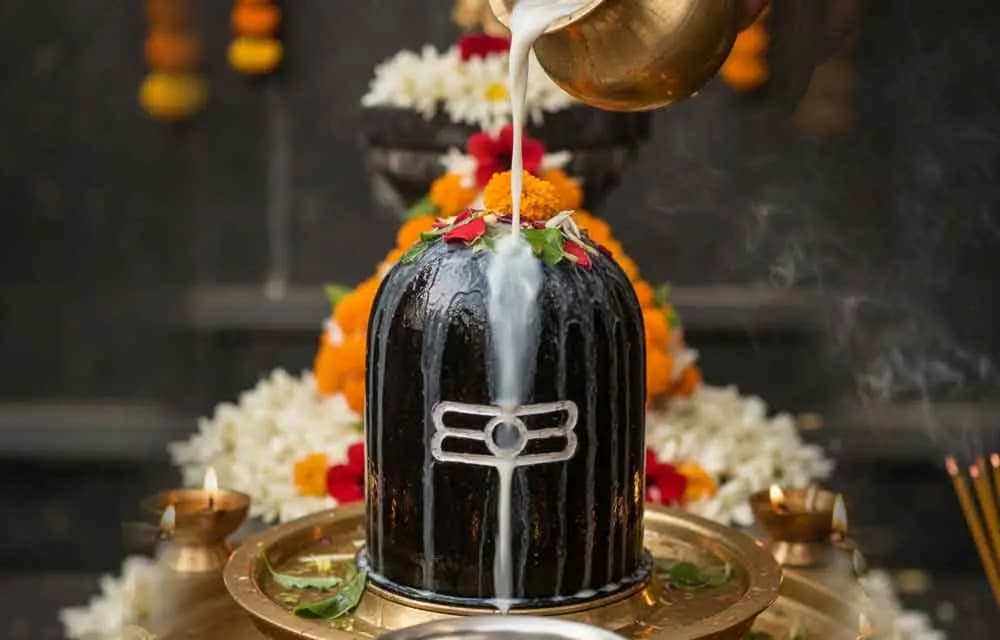
Maha Shivratri 2026: Complete Puja Guide with Mantras, Four Prahara Vigil & Fast Rules
The Resolve of a Monk – A Divine Incident Showcasing Kanchi Paramacharya’s Compassion