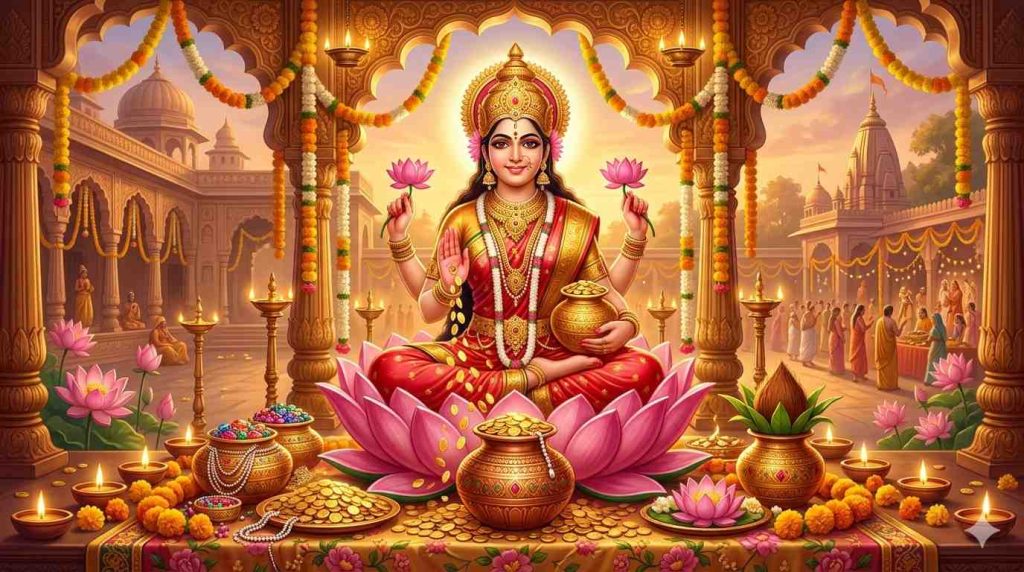
Maha Shivaratri 2026 in Melbourne: A Sacred Night of Stillness, Discipline, and Inner Awakening in Victoria
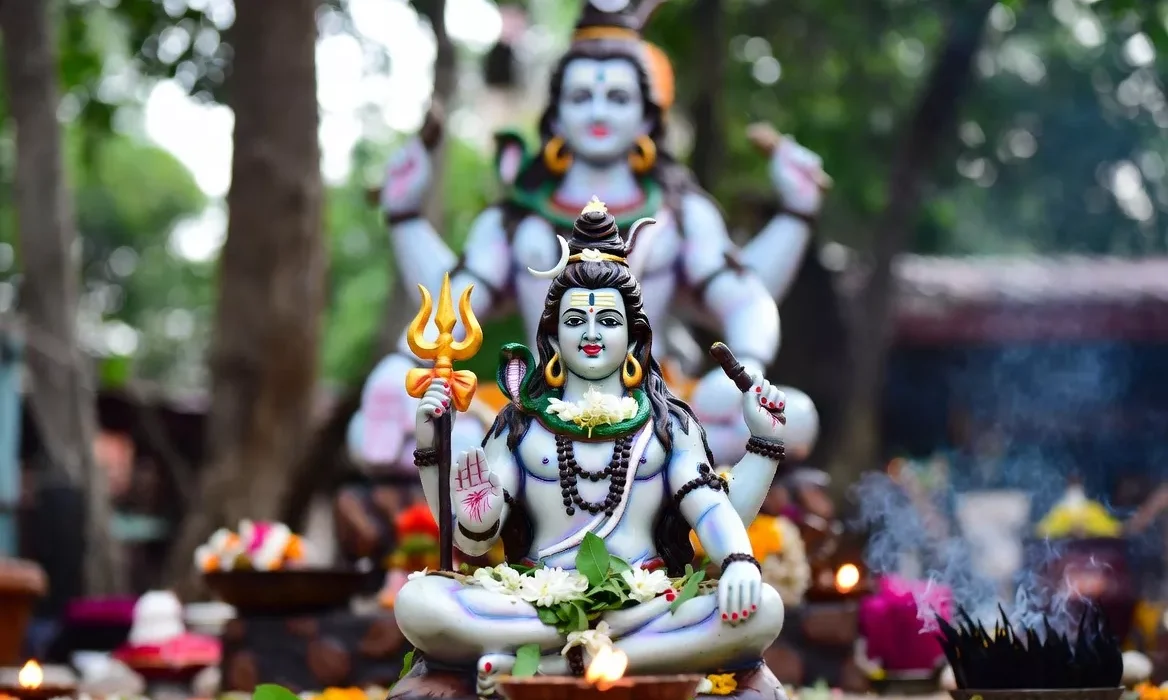
The Meaning of Maha Shivaratri for Melbourne’s Hindu Community
In Melbourne, Maha Shivaratri is not merely a festival marked on a calendar. It is a night of conscious withdrawal, a pause from constant movement, and an inward turning that resonates deeply with Hindu families living far from their ancestral lands.
Maha Shivaratri — the Great Night of Lord Shiva — symbolizes the moment when stillness triumphs over chaos, when awareness rises above habit, and when silence itself becomes a form of worship. In Hindu philosophy, Shiva is not merely a deity seated on Mount Kailasa; Shiva is pure consciousness, the formless presence behind creation and dissolution.
For the Hindu diaspora in Victoria, Shivaratri becomes a bridge — connecting ancient Vedic rhythm with modern Australian life.
Maha Shivaratri 2026 Date and Timings in Melbourne (Victoria)
Melbourne follows AEDT (Australian Eastern Daylight Time) during February.
- Maha Shivaratri Date:
Sunday, 15 February – Monday, 16 February 2026 - Chaturdashi Tithi Begins:
10:04 PM AEDT, February 15 - Chaturdashi Tithi Ends:
10:34 PM AEDT, February 16 - Nishita Kaal (Most Auspicious Period):
1:09 AM – 1:58 AM AEDT - Breaking the Fast (Parana):
After sunrise, approximately 6:50 AM on February 16
From a spiritual standpoint, Nishita Kaal is when the mind is naturally quiet, worldly noise recedes, and meditation becomes effortless — this is why Shiva worship is most potent at midnight.
Why Maha Shivaratri Is Observed at Night
Unlike celebratory festivals marked by color, food, and social gatherings, Shivaratri is intentionally austere.
The night vigil (Jagaran) represents:
- Victory over inertia (tamas)
- Mastery over senses
- Conscious resistance to sleep and distraction
- Alignment with Shiva’s meditative state
In Melbourne, where modern life moves fast, the act of staying awake through prayer becomes an act of spiritual rebellion — choosing awareness over automation.
Maha Shivaratri Observance in Melbourne’s Hindu Temples
Victoria hosts some of the largest and most organized Shivaratri observances in Australia. Temples remain open overnight, offering devotees structured four-prahar worship.
Major Temple Observances in Melbourne & Victoria
- Shri Shiva Vishnu Temple
Known for its strict adherence to Agamic rituals, this temple conducts continuous Rudrabhishekam, Vedic chanting, and homas throughout the night. - Melbourne Hindu Temple
A spiritual anchor for many families, focusing on accessible Shivaratri worship with inclusive community participation. - ISKCON Melbourne
Emphasizes meditation, philosophical discourse, and devotional singing, making Shivaratri approachable for youth and interfaith attendees.
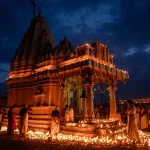
These temples become islands of silence and devotion amid Melbourne’s urban landscape.
The Four Praharas of Maha Shivaratri (Melbourne Time)
Each Prahar represents a layer of inner purification.
First Prahar (7:00 PM – 10:00 PM)
- Mental preparation
- Initial abhishekam
- Setting intention for the night
Second Prahar (10:00 PM – 1:00 AM)
- Deeper mantra chanting
- Letting go of restlessness
- Bhajans and scriptural readings
Third Prahar – Nishita Kaal (1:00 AM – 4:00 AM)
- Spiritual climax
- Maha Mrityunjaya Mantra chanting
- Silent meditation
- Transformation-focused prayers
Fourth Prahar (4:00 AM – Sunrise)
- Gratitude
- Completion of vigil
- Preparing to re-enter worldly life with clarity
Shivaratri Fasting in Melbourne’s Summer Climate
February in Victoria brings warm temperatures, requiring thoughtful fasting.
Common Fasting Practices in Melbourne
- Phalahar Vrat: Fruits, milk, nuts (most widely followed)
- Partial Fast: One sattvic meal before sunset
- Nirjala Fast: Observed cautiously due to heat
From a spiritual perspective, fasting is not about deprivation — it is about simplifying bodily demands so awareness can rise.
Home Shivaratri Puja for Melbourne Families
Many families choose home worship due to distance, children, or health needs.
Essentials:
- Shiva Lingam or image
- Milk, water, honey for abhishekam
- Bilva leaves (available in Indian stores across Dandenong, Clayton, Truganina)
- Oil lamp, incense, quiet space
The most important element is intentional silence, not ritual complexity.
Teaching Shivaratri to Australian-Born Children
For second-generation Hindu children in Melbourne, Shivaratri becomes a lesson in identity and inner discipline, not obligation.
Effective approaches include:
- Explaining Shiva as focus and calm
- Short meditation instead of long fasting
- Storytelling instead of strict rituals
- Allowing participation without pressure
When children understand why something is done, tradition survives naturally.
The Deeper Relevance of Shivaratri for Modern Melbourne Life
In a city known for productivity, competition, and constant stimulation, Shivaratri offers something rare:
- A sanctioned pause
- Permission to be still
- A reminder that silence is powerful
- An opportunity to reset mental health and emotional balance
This is why many Melbourne professionals, students, and young families are increasingly reconnecting with Shivaratri.
Frequently Asked Spiritual Questions (Melbourne Context)
Is attending temple mandatory on Shivaratri?
No. Shiva resides where awareness exists — temple or home.
Is fasting compulsory?
No. Self-control can also mean reducing distractions, screen time, or negative habits.
Can non-Hindus attend Shivaratri in Melbourne?
Yes. Most temples openly welcome respectful visitors.
Conclusion: Maha Shivaratri as an Inner Pilgrimage in Victoria
Maha Shivaratri 2026 in Melbourne is not defined by crowds or ceremony alone. It is defined by how quietly one listens, how sincerely one withdraws from noise, and how deeply one commits to inner clarity.
In the stillness of the Australian night, as the city sleeps and temples glow softly, devotees sit with folded hands — not asking Shiva for more, but asking to become less burdened by illusion.
That is the true gift of Shivaratri.
Om Namah Shivaya
Har Har Mahadev
Related posts:
 Maha Shivaratri 2026 Significance & Katha | Shiva Stories
 Maha Shivaratri 2026 Fasting Rules & Vrat Vidhi: Complete Guide for NRIs
 Kotilingeshwara Temple, Kolar – Maha Shivaratri 2026: Million Lingas Darshan, Grand Abhishekam & Karnataka’s Monumental Shiva Shrine
 Ekambareswarar Temple Kanchipuram Maha Shivaratri 2026
 Brihadeeswarar Temple Thanjavur Maha Shivaratri 2026
 Brisbane & Gold Coast: Queensland’s Sacred Nights of Shiva Consciousness
 Maha Shivaratri 2026 in Norway: Shiva’s Stillness Under the Nordic Skies
 Hombale Films Releases Shiva Shambho Swayambho Promo – Watch Now