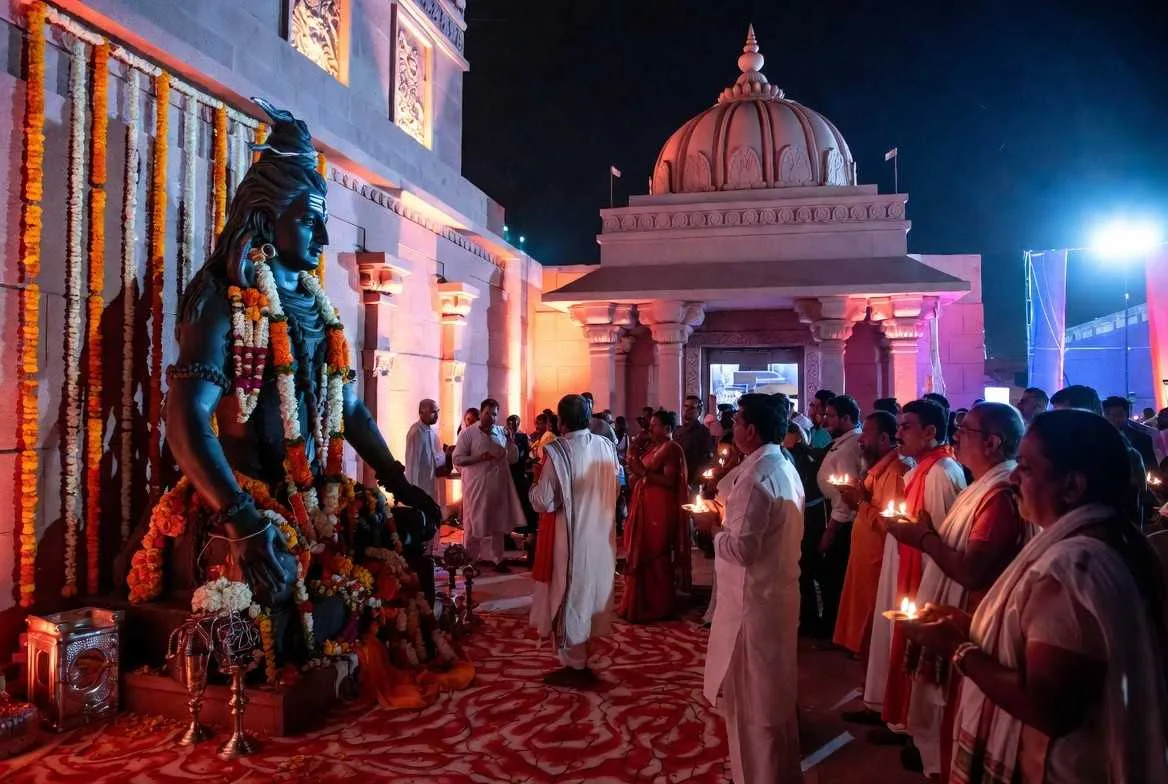
Ekambareswarar Temple Kanchipuram Maha Shivaratri 2026
Ekambareswarar Temple, Kanchipuram – Maha Shivaratri 2026: Ancient Earth Lingam, Mango Tree Legend & Pancha Bhoota Land Celebrations in Tamil Nadu By HinduTone…
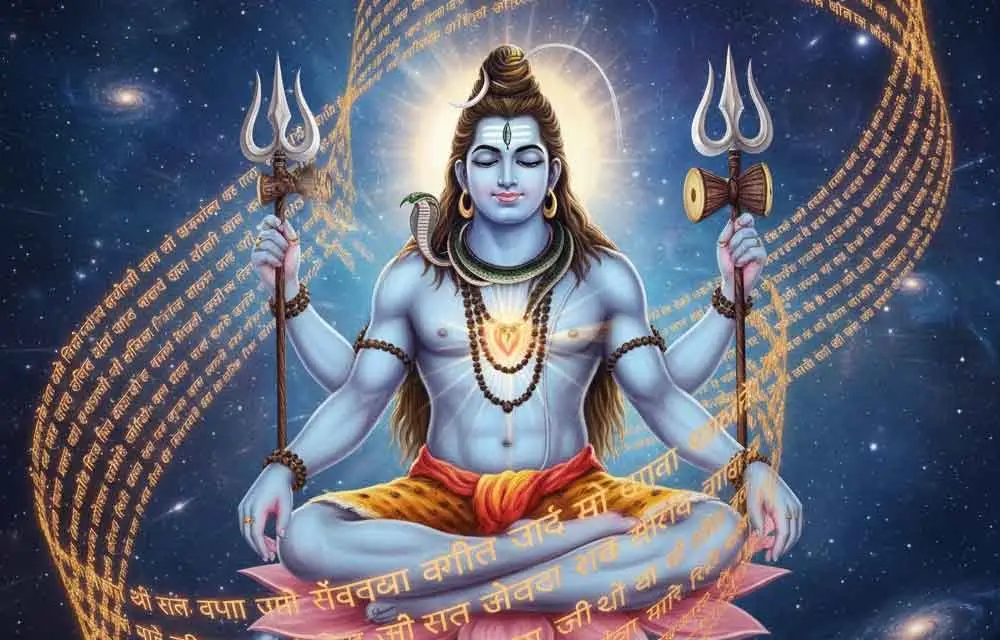
Ekambareswarar Temple, Kanchipuram – Maha Shivaratri 2026: Ancient Earth Lingam, Mango Tree Legend & Pancha Bhoota Land Celebrations in Tamil Nadu
By HinduTone Spiritual Festivals Correspondent Published: February 10, 2026
Ekambareswarar Temple (also known as Ekambaranathar Temple), located in Kanchipuram, Tamil Nadu (about 75 km from Chennai), is one of the most ancient and revered Shiva temples in South India. It is the foremost among the Pancha Bhoota Sthalams representing the Prithvi (Earth) element, dedicated to Lord Ekambareswarar (Shiva as the Lord of Earth) along with Goddess Nilathingal Thuni Amman (Parvati). The temple is famous for its massive gopuram (59 meters tall), thousand-pillar hall, and the legendary ancient mango tree (said to be over 3,500 years old) under which Parvati worshipped a sand lingam to reunite with Shiva.
Kanchipuram, the "City of Thousand Temples," is a major center of Shaivism and Vaishnavism, and Ekambareswarar Temple is its crown jewel for Shiva devotees. On Maha Shivaratri 2026, observed on Sunday, February 15, 2026 (Phalguna Krishna Chaturdashi), the temple hosts grand celebrations with special abhishekams, processions, and night-long vigils, drawing thousands of pilgrims who seek blessings for stability, prosperity, marital harmony, and spiritual grounding.
Temple authorities (HR&CE Department) ensure detailed arrangements — queue systems, medical aid, free prasadam, cultural programs, and security — to accommodate the devotee rush during this sacred festival.
Spiritual Significance of Ekambareswarar Temple & Maha Shivaratri
According to legend, Parvati created a sand lingam under the mango tree and worshipped it to win back Shiva after a playful curse. Shiva, pleased, embraced her, making the site a symbol of eternal union and devotion. As the Prithvi lingam, it represents earth's nurturing stability. Maha Shivaratri here celebrates Shiva’s marriage to Parvati, poison-drinking, and Tandava — devotees believe offering Bilva leaves, performing abhishekam, and staying awake on this night grounds the soul, removes instability, and grants firm devotion and worldly/spiritual success.
The temple's mango tree (with four fruits of different tastes symbolizing the four Vedas) adds unique mystical energy.
Key Rituals & Celebrations on February 15, 2026
The Maha Shivaratri observances follow ancient Shaiva Agama traditions:
- Early Morning → Suprabhata Seva, Maha Rudrabhishekam to the Prithvi lingam with milk, honey, ghee, curd, Bilva leaves, and sacred waters.
- Throughout the Day → Continuous Abhishekam and Archana sessions (individual/group; emphasis on earth element symbolism).
- Four Prahar Pujas → Night divided into four watches with dedicated aartis, Vedic chants, and offerings.
- Nishita Kaal Puja → Midnight worship — the most auspicious time for darshan and prayers.
- All-Night Jagran → Devotees stay awake with mass chanting of “Om Namah Shivaya,” Rudram Chamakam, Shiva Tandava Stotram, bhajans, and discourses on Parvati-Shiva legends.
- Special Bilva Patra Archana → Offerings of 108/1008 Bilva leaves to the lingam.
- Cultural Highlights → Carnatic music concerts, traditional dance, lamp offerings around the mango tree and corridors.
- Processions → Small but devotional — deity taken in processions within the vast prakaram.
The temple remains open all night, with the towering gopuram and ancient mango tree illuminated in devotional splendor.
Pilgrim Tips for Maha Shivaratri 2026
- Darshan & Crowds → Moderate to heavy crowds; arrive early for smoother darshan. General entry free; special abhishekam/archana bookable on-site or via HR&CE portal.
- Travel → Nearest airport: Chennai (75 km). Train to Kanchipuram station; frequent buses from Chennai. Private vehicles/cabs convenient.
- Accommodation → Temple-run choultries/guest houses (book early); private hotels/lodges in Kanchipuram town. Day trip from Chennai possible.
- Observance → Strict fast (nirjala/phalahar), Bilva offerings (available near temple), mantra japam, full jagran. Traditional attire required.
- Health & Facilities → Free prasadam, medical camps, drinking water, sanitation; carry ID, minimal belongings, and comfortable footwear for the large complex.
- Best Experience → Offer prayers under the ancient mango tree; witness midnight puja; combine with visits to nearby Kamakshi Amman or Varadaraja Perumal Temples.
Spiritual Note
Ekambareswarar Temple embodies earth's steadfastness and Parvati's unwavering devotion — a reminder that true love and faith endure all trials. On Maha Shivaratri, the Prithvi lingam grounds the wandering mind, inviting stability and divine union. May Lord Ekambareswarar grant every devotee firm roots in devotion, prosperity, and eternal grace this sacred night.
For more divine insights:
- Top 10 Lord Shiva Temples 2026: Jyotirlingas & Sites
- Maha Shivaratri 2026: Great Night of Shiva – Significance, Fasting, Rituals and Devotional Practices
- Ramanathaswamy Temple Rameswaram Guide
- Ekadasa Rudrabhishekam: Complete Guide to Benefits, Procedure & Significance
Frequently Asked Questions
Where is Ekambareswarar Temple Kanchipuram Maha Shivaratri located?
Ekambareswarar Temple, Kanchipuram – Maha Shivaratri 2026: Ancient Earth Lingam, Mango Tree Legend & Pancha Bhoota Land Celebrations in Tamil Nadu By HinduTone Spiritual Festivals Correspondent Published: February 10, 2026 Ekambareswarar Temple (also known as Ekambaranathar Temple), located in Kanchipuram, Tamil Nadu (about 75 km from Chennai), is one of the
Who is the presiding deity of Ekambareswarar Temple Kanchipuram Maha Shivaratri?
The presiding deity is Lord Shiva.
What are the timings and how do I reach Ekambareswarar Temple Kanchipuram Maha Shivaratri?
Temples typically open early morning and evening; confirm current darshan timings before visiting. The nearest airport, railway station and road routes are covered in the guide above.
What is the best time to visit Ekambareswarar Temple Kanchipuram Maha Shivaratri?
Major festival days and the cooler months are popular, though weekday mornings offer a calmer darshan. Plan around the temple's key festivals for the most vibrant experience.
Share this with family and friends
Send it on WhatsApp, post it, or copy the link.
More from Maha Shivaratri 2026
- Maha Shivaratri Four Prahar Puja — The Complete Night-by-Night Ritual Guide
- Devotion in the Sands: The Inspiring Story of a Karnataka Couple Crafting 1008 Shiva Lingams Every Maha Shivaratri
- Isha Foundation's Mahashivratri 2026 Sets New Record as Most Viewed Celebration on YouTube
- The 33rd Mahashivratri at Isha Yoga Center
- Maha Shivaratri 2026 Celebrations in Germany: How the Hindu Community Honored Lord Shiva Yesterday – A Complete Guide to Cities, Temples, and Events
You might also like
Maha Shivaratri 2027 in Cambodia: Your Complete Celebration Guide
Maha Shivaratri 2027 Celebrations in Australia: How the Hindu Diaspora Honored Lord Shiva Yesterday – A Complete Guide to Cities, Temples, and Events
Maha Shivaratri 2027 in Norway: Your Complete Celebration Guide