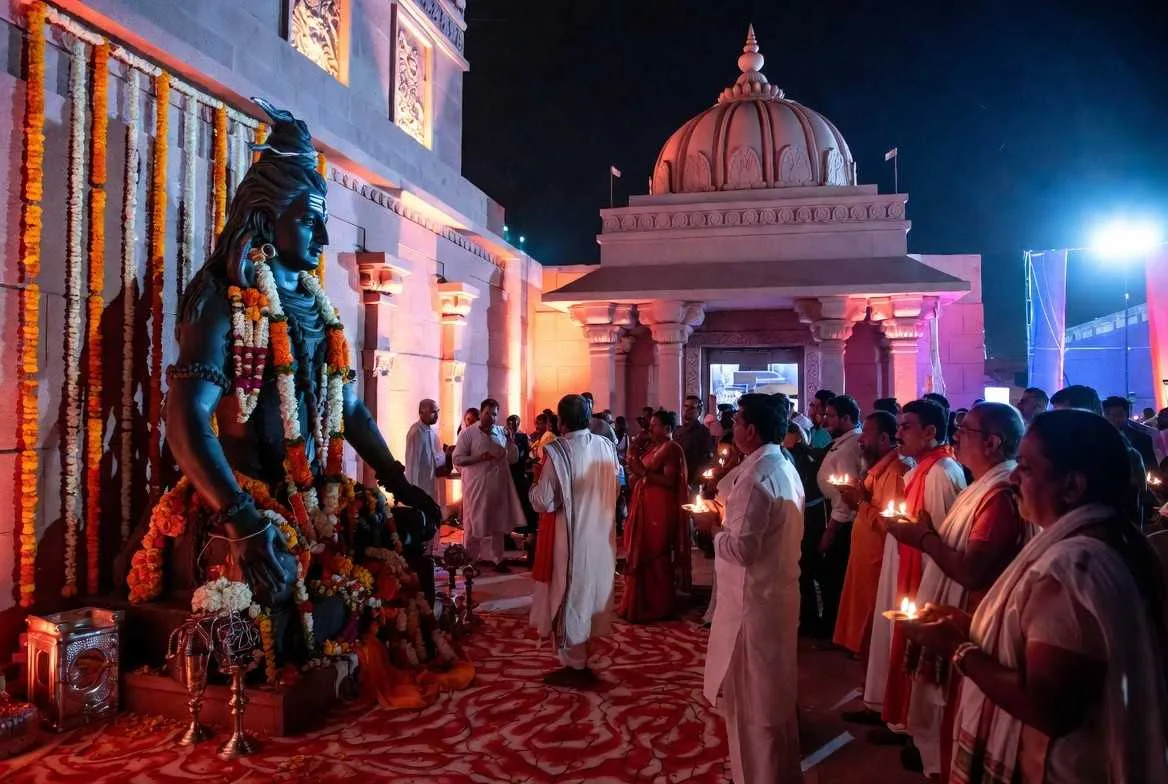
Kapaleeshwarar Temple Mylapore Maha Shivaratri 2026
Kapaleeshwarar Temple, Mylapore – Maha Shivaratri 2026: Vibrant Chennai Celebrations, Peacock Vahana Procession & Ancient Shiva Shrine in Tamil Nadu By…
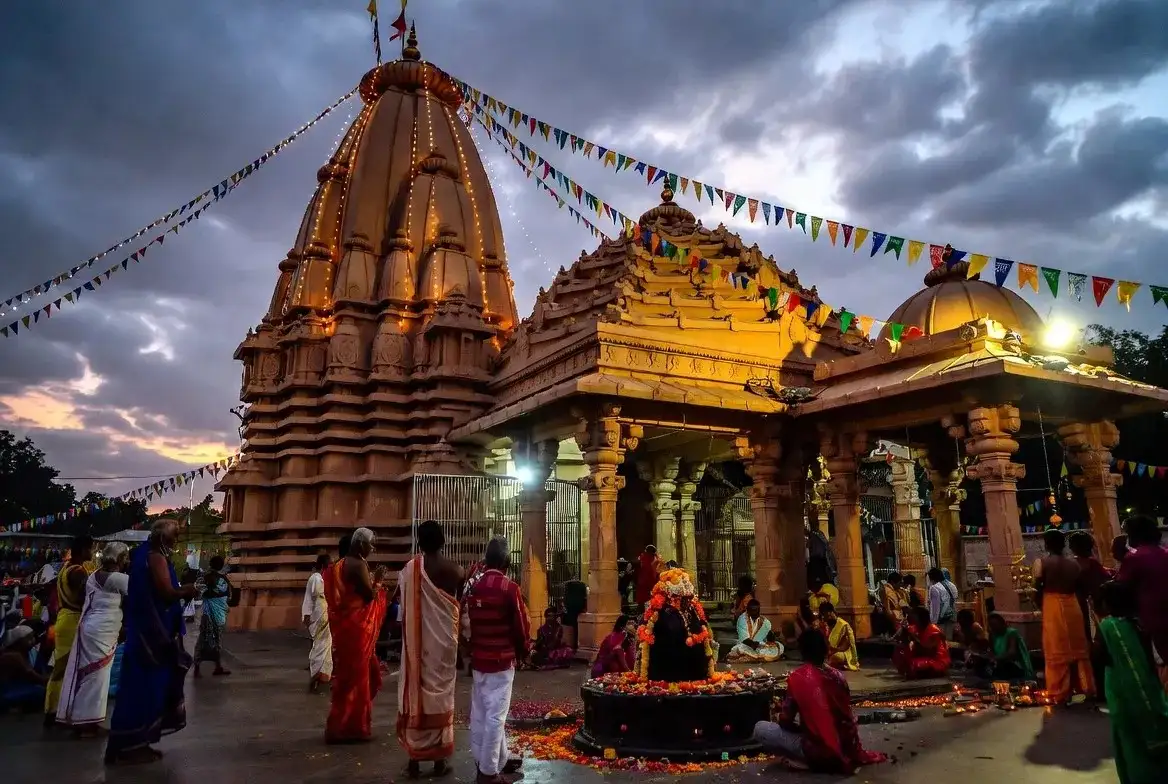
Kapaleeshwarar Temple, Mylapore – Maha Shivaratri 2026: Vibrant Chennai Celebrations, Peacock Vahana Procession & Ancient Shiva Shrine in Tamil Nadu
By HinduTone Spiritual Festivals Correspondent Published: February 10, 2026
Kapaleeshwarar Temple in Mylapore, Chennai, Tamil Nadu, is one of the most ancient, vibrant, and beloved Shiva temples in South India. Dedicated to Lord Kapaleeshwarar (Shiva as the Lord of the Skull — referring to Brahma's fifth head) along with Goddess Karpagambal (Parvati as the wish-fulfilling mother), the temple dates back over 1,000 years (with current structure rebuilt in the 16th–17th centuries during Vijayanagara and Nayak periods). It is renowned for its colorful Dravidian gopuram, intricate stucco figures, sacred tank (Kapaleeshwarar Pushkarini), and the iconic peacock vahana of the goddess — symbolizing the victory of wisdom over ego.
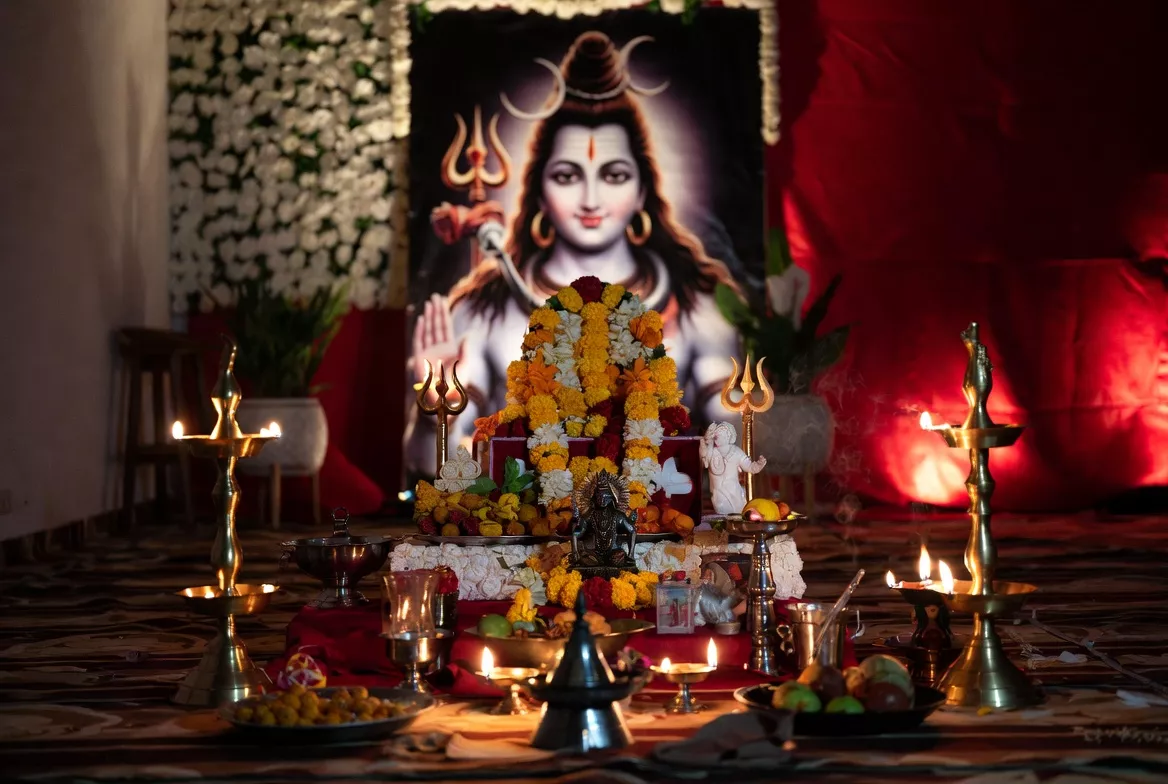
Located in the heart of Chennai’s traditional Mylapore neighborhood, the temple is a living center of Tamil Shaivism and draws thousands daily. On Maha Shivaratri 2026, observed on Sunday, February 15, 2026 (Phalguna Krishna Chaturdashi), Kapaleeshwarar Temple hosts one of Chennai’s grandest and most colorful Shiva festivals, featuring elaborate processions, mass abhishekams, and night-long bhakti events that attract lakhs of devotees from Chennai, Tamil Nadu, and neighboring states.
Temple authorities (HR&CE Department) and local Mylapore community ensure extensive preparations — street decorations, queue management, medical stations, free prasadam/annadanam, cultural stages, and police security — to manage the festive crowds during this sacred night.
Spiritual Significance of Kapaleeshwarar Temple & Maha Shivaratri
According to legend, Shiva severed Brahma’s fifth head (kapala) when Brahma showed arrogance, and later worshipped here to atone — hence the name Kapaleeshwarar. The temple is also linked to the 63 Nayanmars (Shaiva saints) and is praised in the Tevaram hymns of Sambandar, Appar, and Sundarar. Maha Shivaratri here celebrates Shiva’s marriage to Parvati, the Halahala poison episode, and cosmic Tandava — devotees believe offering Bilva leaves, performing abhishekam, and participating in jagran on this night removes ego, grants wisdom, fulfills wishes, and bestows Karpagambal’s abundant grace.
The temple’s vibrant energy, especially during the Karpagambal procession on the peacock vahana, makes Shivaratri one of the most visually and spiritually uplifting nights in Chennai.
Key Rituals & Celebrations on February 15, 2026
The Maha Shivaratri observances are rich and multi-layered:
- Early Morning → Suprabhata Seva, Maha Rudrabhishekam to the Kapaleeshwarar lingam with milk, honey, ghee, curd, Bilva leaves, and sacred waters.
- Throughout the Day → Continuous Abhishekam and Archana sessions (individual/group; thousands participate in special packages).
- Four Prahar Pujas → Night divided into four watches with dedicated aartis, Vedic chants, and offerings.
- Nishita Kaal Puja → Midnight worship — the most powerful time for darshan and prayers.
- All-Night Jagran → Devotees stay awake with mass chanting of “Om Namah Shivaya,” Tevaram hymns, Shiva Tandava Stotram, bhajans, and discourses on Nayanmar lives.
- Special Bilva Patra Archana → Offerings of 108/1008 Bilva leaves to the lingam.
- Processions & Highlights →
- Karpagambal Vahana Procession — Goddess on her majestic peacock mount around the temple streets (evening/night), accompanied by music, fireworks, and huge crowds.
- Cultural programs on temple premises with Carnatic concerts, kolam competitions, and devotional dramas.
- Lamp offerings around the sacred tank and corridors.
The temple remains open all night, with Mylapore streets alive with chants, lights, and bhakti.
Pilgrim Tips for Maha Shivaratri 2026
- Darshan & Crowds → Very heavy crowds (especially during procession); arrive early (pre-dawn) or plan for evening/night. General darshan free; special abhishekam/archana bookable on-site.
- Travel → Located in central Chennai (Mylapore). Easily accessible by MRTS train (Thiruvanmiyur/Mylapore stations), MTC buses, metro (nearby stations), or auto/cab. Parking limited — use public transport.
- Accommodation → Hotels/guesthouses in Mylapore, T. Nagar, or Adyar; many Chennai residents attend as day/evening event.
- Observance → Strict fast (nirjala/phalahar), Bilva offerings (available near temple), mantra japam, full jagran. Traditional attire mandatory.
- Health & Facilities → Free prasadam/annadanam, medical camps, drinking water, sanitation; carry ID, minimal belongings, and comfortable footwear for walking streets.
- Best Experience → Witness Karpagambal peacock vahana procession; participate in midnight puja; enjoy Mylapore’s festive atmosphere and street food (post-fast).
Spiritual Note
Kapaleeshwarar Temple is a living embodiment of humility, devotion, and divine reunion. On Maha Shivaratri, the peacock procession reminds us that wisdom triumphs over ego, and Karpagambal’s grace fulfills every sincere wish. May Lord Kapaleeshwarar and Karpagambal shower Chennai and all devotees with peace, wisdom, and boundless blessings this sacred night.
For more divine insights:
- Top 10 Lord Shiva Temples 2026: Jyotirlingas & Sites
- Maha Shivaratri 2026: Great Night of Shiva – Significance, Fasting, Rituals and Devotional Practices
- Ekambareswarar Temple Kanchipuram Guide
- Ekadasa Rudrabhishekam: Complete Guide to Benefits, Procedure & Significance
Frequently Asked Questions
Where is Kapaleeshwarar Temple Mylapore Maha Shivaratri located?
Kapaleeshwarar Temple, Mylapore – Maha Shivaratri 2026: Vibrant Chennai Celebrations, Peacock Vahana Procession & Ancient Shiva Shrine in Tamil Nadu By HinduTone Spiritual Festivals Correspondent Published: February 10, 2026 Kapaleeshwarar Temple in Mylapore, Chennai, Tamil Nadu, is one of the most ancient, vibrant, and beloved Shiva temples in South India.
Who is the presiding deity of Kapaleeshwarar Temple Mylapore Maha Shivaratri?
The presiding deity is Lord Shiva.
What are the timings and how do I reach Kapaleeshwarar Temple Mylapore Maha Shivaratri?
Temples typically open early morning and evening; confirm current darshan timings before visiting. The nearest airport, railway station and road routes are covered in the guide above.
What is the best time to visit Kapaleeshwarar Temple Mylapore Maha Shivaratri?
Major festival days and the cooler months are popular, though weekday mornings offer a calmer darshan. Plan around the temple's key festivals for the most vibrant experience.
Share this with family and friends
Send it on WhatsApp, post it, or copy the link.
More from Maha Shivaratri 2026
- Maha Shivaratri Four Prahar Puja — The Complete Night-by-Night Ritual Guide
- Devotion in the Sands: The Inspiring Story of a Karnataka Couple Crafting 1008 Shiva Lingams Every Maha Shivaratri
- Isha Foundation's Mahashivratri 2026 Sets New Record as Most Viewed Celebration on YouTube
- The 33rd Mahashivratri at Isha Yoga Center
- Maha Shivaratri 2026 Celebrations in Germany: How the Hindu Community Honored Lord Shiva Yesterday – A Complete Guide to Cities, Temples, and Events
You might also like
Maha Shivaratri 2027 in Cambodia: Your Complete Celebration Guide
Maha Shivaratri 2027 Celebrations in Australia: How the Hindu Diaspora Honored Lord Shiva Yesterday – A Complete Guide to Cities, Temples, and Events
Maha Shivaratri 2027 in Norway: Your Complete Celebration Guide