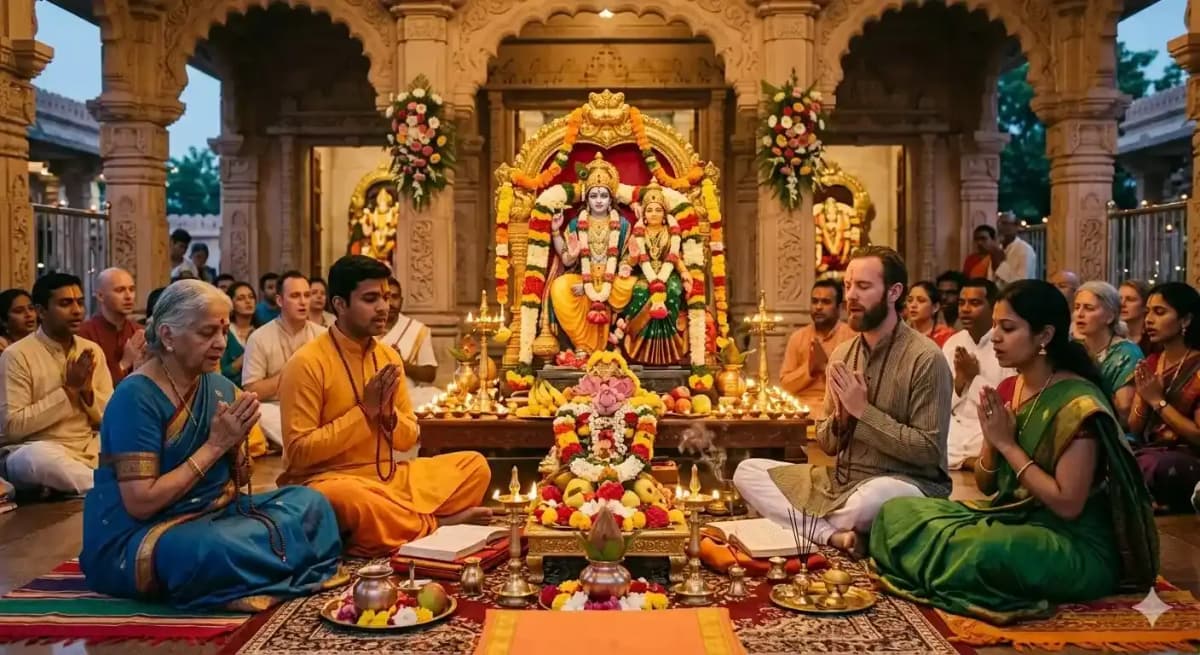
Sri Kailasanathar Temple, Kanchipuram – Maha Shivaratri 2026
Sri Kailasanathar Temple, Kanchipuram – Maha Shivaratri 2026: Pallava Rock-Cut Masterpiece, Ancient Lingam Worship & Serene Tamil Nadu Celebrations By…
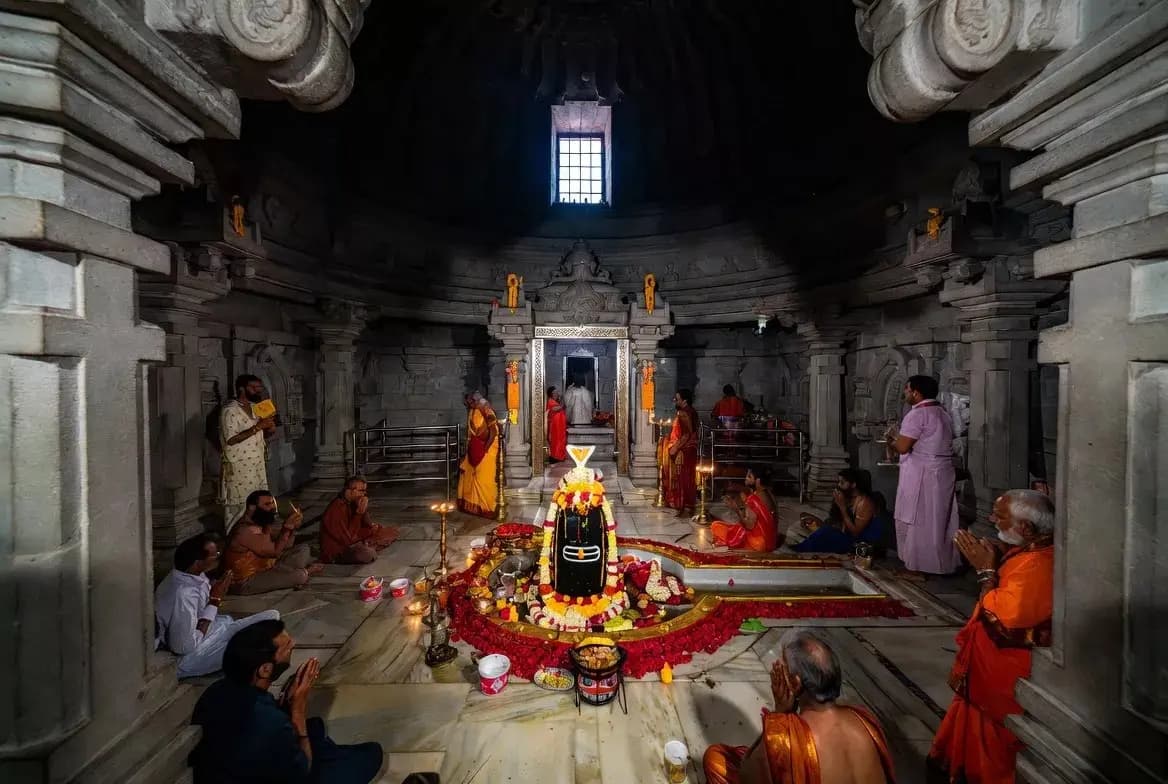
Sri Kailasanathar Temple, Kanchipuram – Maha Shivaratri 2026: Pallava Rock-Cut Masterpiece, Ancient Lingam Worship & Serene Tamil Nadu Celebrations By…
Sri Kailasanathar Temple, Kanchipuram – Maha Shivaratri 2026: Pallava Rock-Cut Masterpiece, Ancient Lingam Worship & Serene Tamil Nadu Celebrations
By HinduTone Spiritual Festivals Correspondent Published: February 10, 2026
Sri Kailasanathar Temple (also known as Kailasanatha Temple), located in Kanchipuram, Tamil Nadu (about 75 km from Chennai), is one of the oldest surviving structural temples in South India and a masterpiece of early Pallava architecture (built circa 685–705 CE by Rajasimha Pallava). Dedicated to Lord Kailasanathar (Shiva as the Lord of Kailash) along with Goddess Sri Kamakshi Amman (in a separate shrine), the temple is renowned for its exquisite sandstone carvings, 58 small shrines surrounding the main sanctum, intricate friezes depicting Shiva’s various forms, and the famous Somaskanda panel (Shiva, Parvati, and Skanda together).
This rock-cut and structural marvel is a precursor to later Chola temples and is protected as an Archaeological Survey of India (ASI) monument. On Maha Shivaratri 2026, observed on Sunday, February 15, 2026 (Phalguna Krishna Chaturdashi), the temple hosts intimate yet deeply devotional celebrations with special abhishekams, Vedic recitations, and night-long prayers, attracting devotees who seek the ancient, meditative energy of this historic Shiva shrine.
The temple remains serene compared to larger urban temples, making it ideal for those desiring quiet reflection and profound worship on this sacred night.
Spiritual Significance of Kailasanathar Temple & Maha Shivaratri
The temple is named after Mount Kailash, Shiva’s abode, and symbolizes the Himalayan Kailash in stone form in the plains of Tamil Nadu. Legends describe it as a place where Shiva granted darshan in His cosmic form. Maha Shivaratri here celebrates Shiva’s marriage to Parvati, the Halahala poison episode, and Tandava — devotees believe offering Bilva leaves, performing abhishekam to the ancient lingam, and staying awake on this night purifies the soul, removes deep-rooted karma, and invokes Shiva’s grace for inner peace, wisdom, and liberation.
The temple’s Pallava-era sculptures — depicting dancing Shiva, ganas, and mythical beings — create a powerful meditative atmosphere that enhances Shivaratri’s focus on introspection and divine union.
Key Rituals & Celebrations on February 15, 2026
The observances follow traditional Shaiva Agama rituals in a calm, classical style:
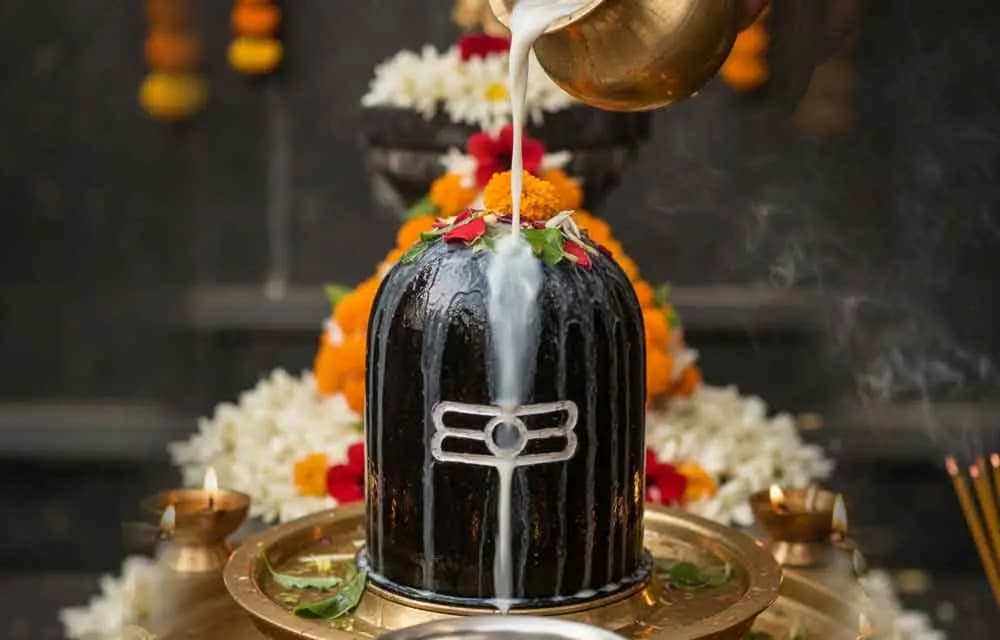
- Early Morning → Suprabhata Seva, Maha Rudrabhishekam to the main Kailasanathar lingam with milk, honey, ghee, curd, Bilva leaves, and sacred waters.
- Throughout the Day → Continuous Abhishekam and Archana sessions (individual/group; smaller scale but deeply reverent).
- Four Prahar Pujas → Night divided into four watches with dedicated aartis, Vedic chants (especially Rudram), and offerings.
- Nishita Kaal Puja → Midnight worship — the most auspicious time for darshan of the lingam.
- All-Night Jagran → Devotees stay awake with chanting of “Om Namah Shivaya,” Tevaram hymns, Shiva Tandava Stotram, and quiet meditation amid the ancient carvings.
- Special Bilva Patra Archana → Offerings of 108/1008 Bilva leaves to the lingam.
- Highlights → Lamp offerings around the circumambulatory path and small shrines, soft Carnatic music or Vedic recitations, and peaceful circumambulation of the temple.
The temple remains open all night, with subdued lighting highlighting the 1,300-year-old sculptures and creating a timeless spiritual ambiance.
Pilgrim Tips for Maha Shivaratri 2026
- Darshan & Crowds → Moderate crowds (much quieter than larger Kanchipuram temples); arrive early for peaceful darshan. General entry free; special abhishekam/archana available on-site.
- Travel → Nearest airport: Chennai (75 km). Train to Kanchipuram station; frequent buses from Chennai. Private vehicles/cabs convenient. The temple is in a quieter part of Kanchipuram — easy to combine with Ekambareswarar or Kamakshi visits.
- Accommodation → Temple-run choultries (limited); private hotels/lodges in Kanchipuram town. Day trip from Chennai is feasible.
- Observance → Strict fast (nirjala/phalahar), Bilva offerings (available nearby), mantra japam, full jagran. Traditional attire required.
- Health & Facilities → Basic prasadam, drinking water, sanitation; limited medical aid — carry essentials. Comfortable footwear recommended for walking the stone corridors.
- Best Experience → Meditate in front of the ancient carvings; witness midnight puja in silence; appreciate the Pallava artistry under lamp light; combine with a quiet circumambulation.
Spiritual Note
Kailasanathar Temple is a silent witness of devotion across centuries — its ancient stones echo the timeless presence of Shiva. On Maha Shivaratri, the temple offers a rare space for inner stillness amid the grandeur of Pallava craftsmanship. May Lord Kailasanathar grant every devotee the steadiness of the earth, the purity of devotion, and the vision of Kailash within this sacred night.
For more divine insights:
- Top 10 Lord Shiva Temples 2026: Jyotirlingas & Sites
- Maha Shivaratri 2026: Great Night of Shiva – Significance, Fasting, Rituals and Devotional Practices
- Kapaleeshwarar Temple Mylapore Guide
- Ekadasa Rudrabhishekam: Complete Guide to Benefits, Procedure & Significance
Frequently Asked Questions
Where is Sri Kailasanathar Temple, Kanchipuram – Maha located?
Sri Kailasanathar Temple, Kanchipuram – Maha Shivaratri 2026: Pallava Rock-Cut Masterpiece, Ancient Lingam Worship & Serene Tamil Nadu Celebrations By HinduTone Spiritual Festivals Correspondent Published: February 10, 2026 Sri Kailasanathar Temple (also known as Kailasanatha Temple), located in Kanchipuram, Tamil Nadu (about 75 km from Chennai), is one of t
Who is the presiding deity of Sri Kailasanathar Temple, Kanchipuram – Maha?
The presiding deity is Lord Shiva.
What are the timings and how do I reach Sri Kailasanathar Temple, Kanchipuram – Maha?
Temples typically open early morning and evening; confirm current darshan timings before visiting. The nearest airport, railway station and road routes are covered in the guide above.
What is the best time to visit Sri Kailasanathar Temple, Kanchipuram – Maha?
Major festival days and the cooler months are popular, though weekday mornings offer a calmer darshan. Plan around the temple's key festivals for the most vibrant experience.
You might also like
Janmashtami 2026 in India: Date, Rituals & Top Temples to Visit
Shiva Vrats of June 2026: Kalashtami (June 8) & Masik Shivaratri (June 13)
Maha Shivratri 2026: Complete Puja Guide with Mantras, Four Prahara Vigil & Fast Rules