

Kanakadhara Stotram: Complete Guide to Chanting, Rituals, Benefits & Full Text with Meaning – For Prosperity & Wealth
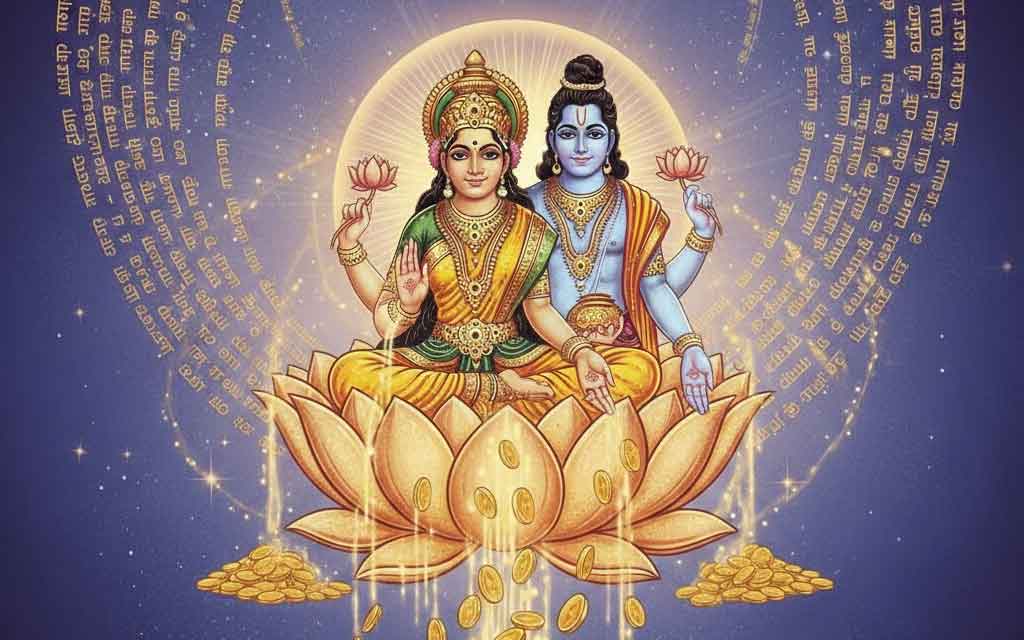
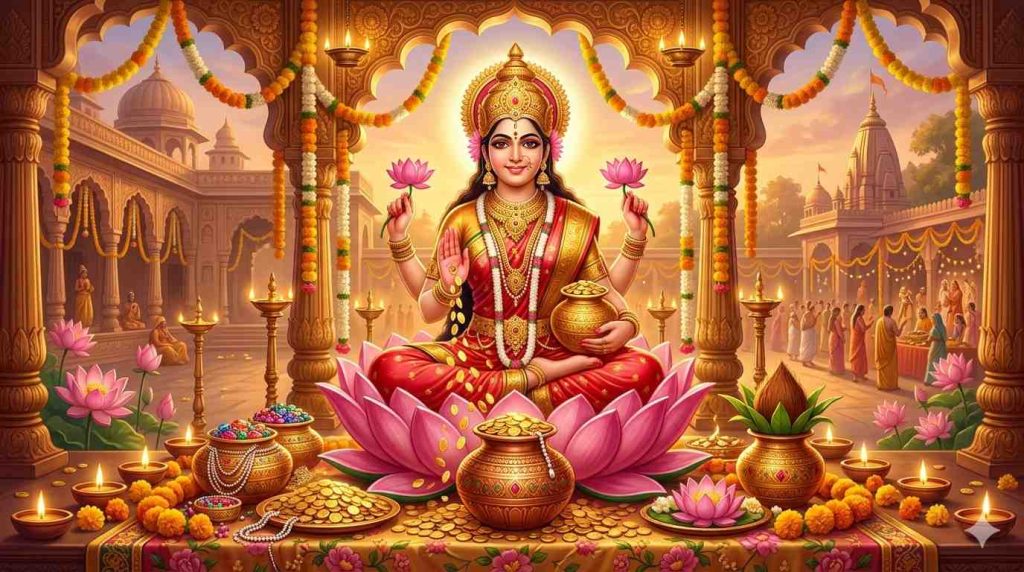
Kanakadhara Stotram (कनकधारा स्तोत्रम्) is one of the most powerful and beloved hymns dedicated to Goddess Mahalakshmi, composed by the revered Jagadguru Adi Shankaracharya in the 8th century. The name “Kanakadhara” literally means “a continuous stream (dhara) of gold (kanaka),” symbolizing the showering of wealth, abundance, and divine grace upon sincere devotees.
This stotram is especially chanted to overcome financial difficulties, remove poverty (daridra), clear debts, attract prosperity, and invite the compassionate glance (kataaksha) of Goddess Lakshmi. Legend has it that Adi Shankaracharya composed these 21 verses spontaneously to help a poor, pious woman who could offer only a dried amla fruit (amla) as dakshina—her selfless devotion moved the Acharya to invoke Lakshmi’s blessings, resulting in a “rain of gold” for her household.
On www.hindutone.com, this detailed guide covers the full text (Sanskrit lyrics), English transliteration, verse-by-verse meaning, step-by-step chanting procedure (vidhi), complete rituals, benefits, best timings, rules, and tips for maximum spiritual and material results. Optimized for searches like “Kanakadhara Stotram full text with meaning,” “how to chant Kanakadhara Stotram,” “Kanakadhara Stotram benefits and vidhi,” and “Adi Shankaracharya Kanakadhara Stotram rituals.”
The Legend Behind Kanakadhara Stotram
Adi Shankaracharya, during his travels, sought alms (bhiksha) at a poor Brahmin woman’s home. Despite extreme poverty, she offered a single dried amla fruit with utmost devotion. Deeply touched by her bhakti, the Acharya sat under a tree and spontaneously composed the Kanakadhara Stotram in praise of Goddess Lakshmi. As he recited it, Goddess Lakshmi showered golden amla fruits (and wealth) upon the woman, transforming her life. This miracle underscores the stotram’s power: sincere devotion, even from the humblest, can invoke divine abundance.
Benefits of Chanting Kanakadhara Stotram
Regular recitation is believed to:
- Attract steady wealth, financial stability, and unexpected gains
- Remove poverty, debts, and financial obstacles
- Invite the compassionate, prosperity-bestowing glance of Mahalakshmi
- Bring peace of mind, family harmony, and overall auspiciousness
- Enhance business success, job opportunities, and career growth
- Purify past karma related to wealth and grant long-term prosperity
- Foster spiritual growth alongside material abundance
Devotees often report positive shifts after 21, 40, or 108 days of consistent chanting—always combined with ethical living, charity, and hard work.
Complete Rituals & Vidhi: How to Chant Kanakadhara Stotram Step-by-Step
Follow this traditional procedure for best results. The stotram is simple yet potent—no elaborate homa is required, but purity and devotion are essential.
Preparation (Before Chanting)
- Purification: Take a bath early in the morning (or evening). Wear clean, preferably white or yellow/red clothes (colors dear to Lakshmi).
- Sacred Space: Choose a clean, quiet area facing east or north. Place a picture or idol of Goddess Lakshmi (with Lord Vishnu if possible). Light a ghee/oil lamp (deepam) and incense sticks.
- Offerings (Naivedya): Prepare simple sattvic items—fruits (especially banana, mango, or amla), sweets (payasam, laddu), betel leaves/nuts, flowers (lotus or red hibiscus), and turmeric-kumkum.
- Sankalpa (Intention): Sit comfortably on a mat or asana. Take water in your right palm and mentally declare your purpose (e.g., “I chant this stotram for removal of financial difficulties and invoking Mahalakshmi’s grace”).
- Ganapati Invocation: Begin with “Om Gam Ganapataye Namah” (3 times) to remove obstacles.
Chanting Method
- Best Time: Brahma Muhurta (4–6 AM), Friday mornings (Lakshmi’s day), or during auspicious muhurats like Diwali, Akshaya Tritiya, Fridays, or full moon days. Evening (after sunset) is also acceptable.
- Number of Repetitions:
- Beginners: 1 full recitation daily
- For specific desires: 3, 5, 11, or 21 times daily
- Intensive sadhana: 108 times (using a rudraksha/tulsi mala) for 21 or 40 days
- Posture & Focus: Sit straight, close your eyes (or gaze softly at the deity), concentrate on the meaning, and visualize golden light/rain showering upon you.
- Pronunciation: Chant slowly and clearly. If unsure, listen to authentic renditions (e.g., by Uthara Unnikrishnan or Sunitha Ramakrishna) for guidance.
- Ending Ritual:
- Offer aarti (camphor or lamp wave) to Goddess Lakshmi.
- Pray: “Om Mahalakshmyai Namah” or “Sarva Mangala Mangalye…”
- Distribute prasad (offerings) to family or the needy.
- Perform charity (daana)—even small amounts of food/money amplifies results.
Additional Rules & Tips
- Maintain sattvic lifestyle: vegetarian food, avoid alcohol/onion-garlic on chanting days.
- Chant with full faith and concentration—avoid distractions.
- Women during menstruation may skip or chant mentally.
- Combine with Lakshmi mantras (e.g., Om Shreem Mahalakshmyai Namah) for enhanced effects.
- For home puja: Place a small Kanakadhara Yantra or coin near the deity.
Full Text of Kanakadhara Stotram (Sanskrit with Transliteration & English Meaning)
The stotram has 21 verses. Here is a concise version based on traditional sources:
- Angam hareh pulaka bhooshanamasrayanthi… Transliteration: Aṅgaṃ hareḥ pulakabhūṣaṇamāśrayantī… Meaning: Salutations to Mother Lakshmi who dwells in Hari’s body like an ornament of ecstatic delight… May that auspicious Goddess bring mangalya to me.
- Mugdha muhur vidhadhati vadane murare… Meaning: She who bashfully glances repeatedly at Murari’s face… May She direct Her glance upon me and grant prosperity.
(Continuing similarly for all 21 verses—each praises Lakshmi’s beauty, compassion, power to grant boons, and requests Her to shower wealth.)
For the complete verse-by-verse Sanskrit, accurate transliteration, and detailed English meaning, devotees often refer to authentic sources like greenmesg.org or vignanam.org, which provide line-by-line breakdowns emphasizing Her divine glance (apanga leela) that bestows infinite riches.
Many chant along with audio for correct swara (melody) and pronunciation.
Final Thoughts: Embrace the Grace of Mahalakshmi
The Kanakadhara Stotram is not merely a prayer for material wealth—it’s a profound surrender to the Divine Mother, aligning one’s life with dharma, bhakti, and abundance. Chant it daily with love, perform small acts of kindness, and watch how Goddess Lakshmi’s compassionate glance transforms challenges into golden opportunities.
May the stream of gold flow eternally in your life! Om Shreem Mahalakshmyai Namah! Kanakadhara Stotram benefits all who approach with pure heart.
Practice consistently and share your experiences in the comments on www.hindutone.com! Shubhamastu.
Related posts:
 Powerful Mantras for Students to Chant Before Exams
 Tuesday Fasting Rules: What to Eat, Avoid, and Rituals for Maximum Blessings
 Pratyangira Devi: The Fierce Protector – Story, Worship, Mantras, and Pujas
 30-Day Powerful Hindu Mantra Schedule for Career Success, Salary Hike, and Job Security
 108 Powerful Diwali Mantras to Chant in 2025 for Wealth, Prosperity and Happiness
 Om Namah Shivaya Mantra Meaning and Benefits
 Top 10 Powerful Hindu Mantras to Chant in 2026: Daily Chants for Peace, Prosperity, Health & Success | HinduTone Guide
 Powerful Hindu Mantras for Financial Freedom and Career Success: Invoke Divine Abundance and Professional Growth