

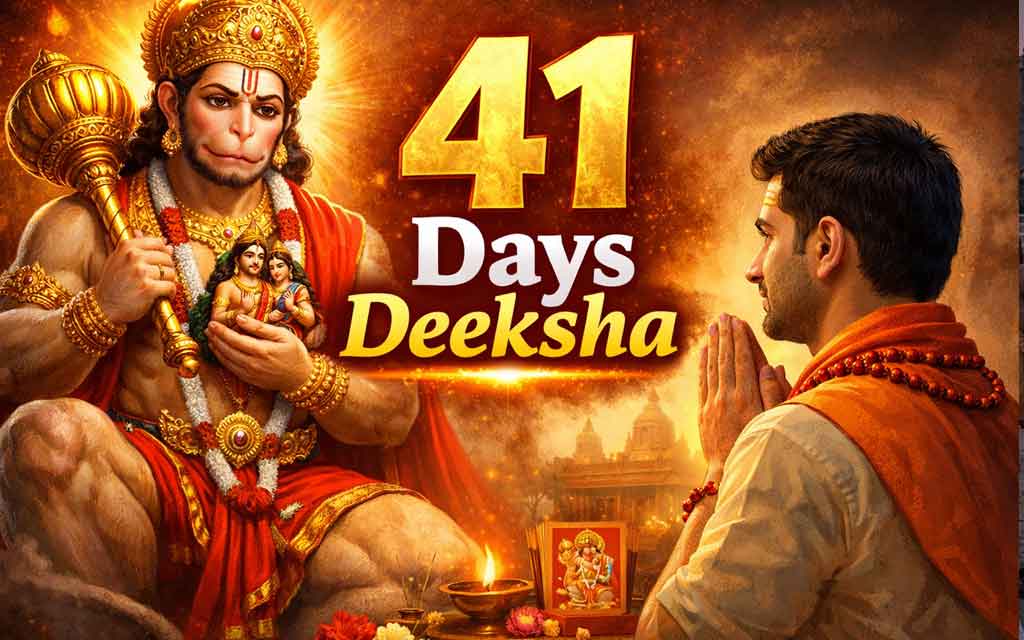
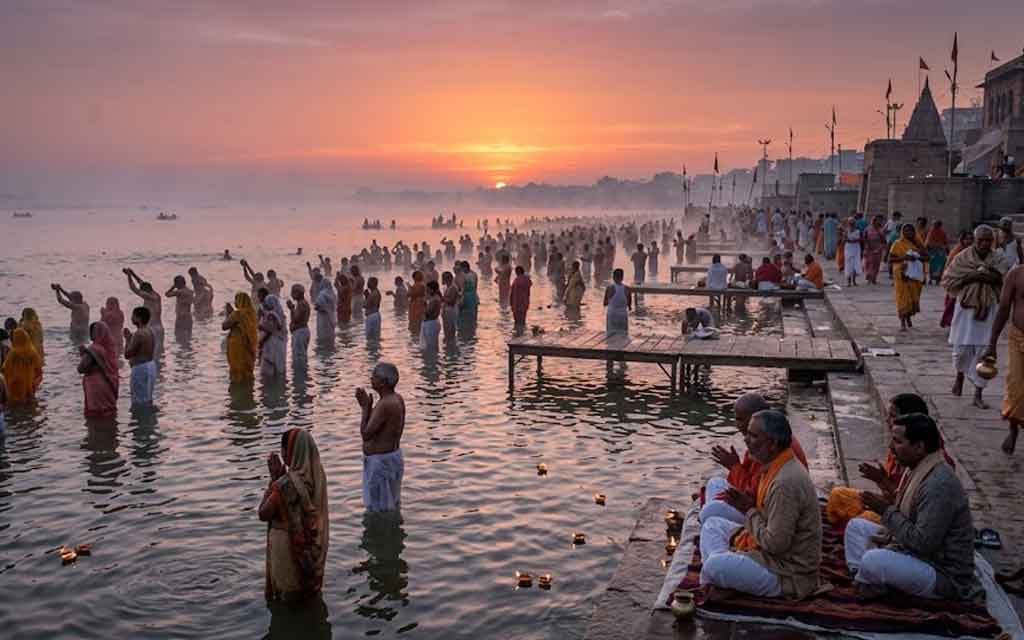
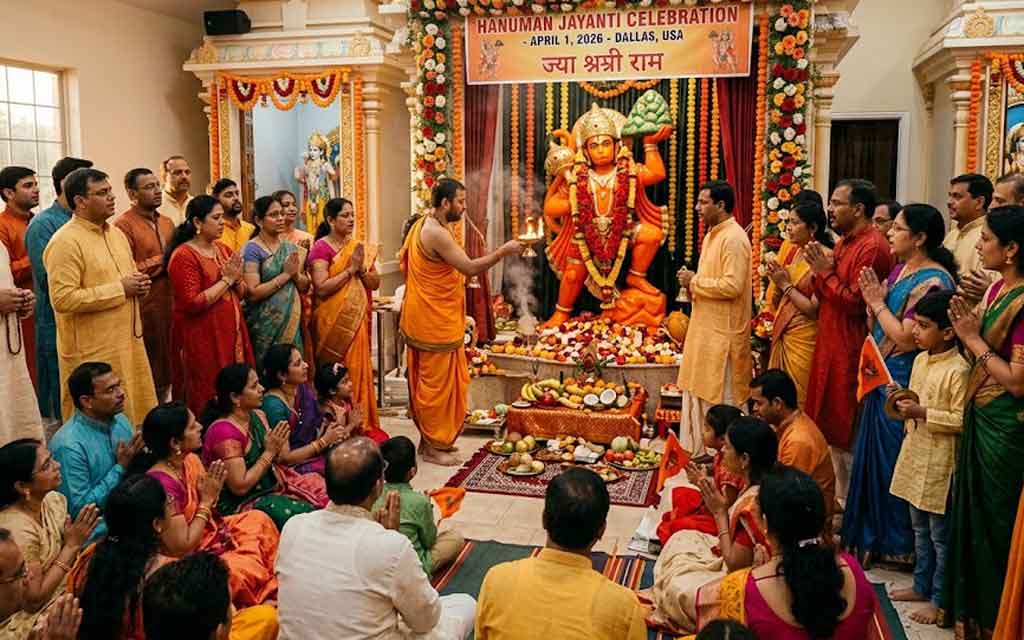
Hanuman Jayanti 2026: Date, Timings, Complete Birth Story, Puja Vidhi & Famous Temples to Visit
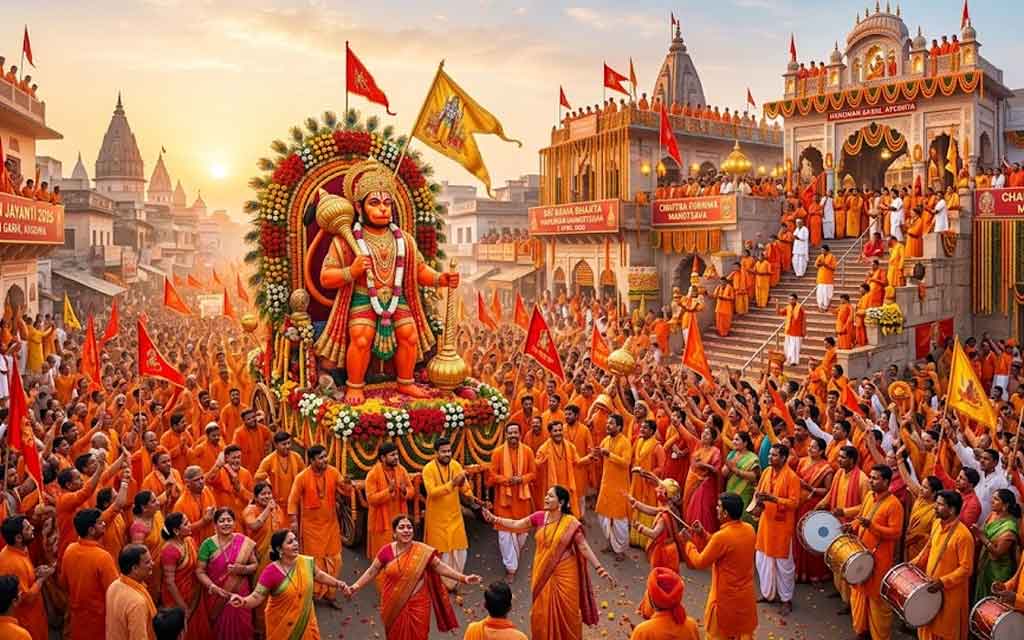
Hanuman Jayanti 2026 / Hanuman Janmotsava / Chaitra Purnima Vrat falls on Thursday, April 2, 2026. This powerful festival celebrates the birth anniversary of Lord Hanuman (also known as Bajrangbali, Pawan Putra, Anjaneya, and Maruti), the ultimate symbol of strength, courage, selfless devotion (bhakti), and unwavering loyalty to Lord Rama.
In many North Indian states like Uttar Pradesh, Rajasthan, Bihar, Madhya Pradesh, and Delhi, Hanuman Jayanti is observed on Chaitra Shukla Purnima (the first full moon of the Hindu New Year). Devotees observe Chaitra Purnima Vrat, recite the Hanuman Chalisa 108 times or more, visit Hanuman temples, and participate in grand bhajans, kirtans, and processions.
Hanuman Jayanti 2026 Date & Auspicious Timings
- Main Celebration Date: Thursday, April 2, 2026
- Purnima Tithi Begins: 7:06 AM on April 1, 2026
- Purnima Tithi Ends: 7:41 AM on April 2, 2026
- Best Time for Puja & Vrat: Early morning to afternoon on April 2 (Brahma Muhurta is highly auspicious as Hanuman was born at sunrise)
- Moonrise: Evening of April 1 / early April 2 (ideal for Chandra Arghya along with Hanuman prayers)
Note: While observances may begin on April 1 evening with Chaitra Purnima rituals, the primary Hanuman Janmotsava celebrations, including special abhishekam and processions, peak on April 2, 2026.
Significance of Hanuman Jayanti & Chaitra Purnima Vrat
Observing this day grants physical and mental strength, removes obstacles (sankat), protects from negative energies, and blesses devotees with courage and success. It is especially beneficial for those facing challenges, court cases, health issues, or seeking protection for their family. Many combine it with charity, feeding the needy, and reading Ramayana or Hanuman-related texts.
In North India, temples organize massive Shobha Yatra (processions) with devotees carrying Hanuman flags, wearing saffron attire, and chanting “Jai Shri Ram! Jai Hanuman!” loudly.
Complete Story of Lord Hanuman’s Birth (Hanuman Janmotsava Katha)
According to the Valmiki Ramayana, Puranas, and Ananda Ramayana, the divine birth of Hanuman is a miraculous event involving multiple celestial blessings.
An apsara named Anjana (Anjani) was cursed to be born as a vanara (monkey-like being) on Earth. She married the brave vanara king Kesari. The childless couple performed rigorous penance to Lord Shiva. Pleased with Anjana’s tapasya, Shiva blessed her with a son endowed with his own divine power and immense strength.
Meanwhile, the gods were preparing for Lord Vishnu’s incarnation as Sri Rama to vanquish Ravana. To create powerful allies for Rama, the deities contributed portions of the sacred payasam (divine pudding) prepared for King Dasharatha’s yajna.
The Wind God Vayu (Pawan Dev) carried a portion of this celestial payasam and placed it in Anjana’s hands while she was deep in meditation on a mountain. Anjana consumed it reverently. Through the combined grace of Shiva’s boon, Vayu’s energy, and the divine pudding, she conceived a glorious son.
On the Purnima (full moon day) of Chaitra month, in a cave on Anjanadri mountain, Anjana gave birth to a radiant baby boy with a reddish glow. The infant felt intense hunger and, seeing the rising red sun, mistook it for a fruit. He leaped high into the sky with extraordinary power to catch it.
Indra, the king of gods, panicked and struck the child with his Vajra (thunderbolt). The baby fell back, and his jaw (hanu) was slightly injured — hence he was named Hanuman (“one with a prominent or injured jaw”).
Enraged, Vayu withdrew all air from the world, causing distress among living beings. The gods apologized and showered the child with powerful boons:
- Immense physical strength and speed like the wind
- Ability to change size at will (from tiny to gigantic)
- Invulnerability to weapons and fire
- Supreme wisdom, knowledge of scriptures, and longevity
- Protection from all dangers and diseases
Lord Brahma, Shiva, and other deities further empowered him, making him one of the greatest devotees and warriors. His parents named him Anjaneya (son of Anjana), Maruti (son of Marut/Vayu), Bajrangbali, and Pawan Putra.
As a child, Hanuman was playful yet extraordinarily powerful. He learned the Vedas and scriptures from Surya Dev, flying alongside the sun god’s chariot. His eternal devotion to Lord Rama later became legendary during the Ramayana — from finding Sita in Lanka and burning the golden city with his tail to carrying the Sanjeevani mountain and fighting valiantly in the battle against Ravana.
This birth story teaches the power of pure bhakti, humility despite immense strength, and complete surrender to dharma.
How to Celebrate Hanuman Jayanti 2026 – Puja Vidhi & Observances
- Vrat / Fasting: Observe a full or partial fast (phalahar – fruits, milk, sweets). Break the fast after puja on April 2.
- Morning Abhishekam: Bathe the Hanuman idol with panchamrita (milk, curd, ghee, honey, sugar), Gangajal, and rose water while chanting mantras.
- Hanuman Chalisa Recitation: Chant the Hanuman Chalisa 11, 21, 108, or 1008 times. Many complete multiple rounds for special wishes.
- Offerings: Sindoor (vermilion), laddoos, boondi, betel leaves, coconut, red flowers, and jasmine garlands. Apply sindoor to the idol as Hanuman loved it.
- Special Mantras: “Om Hanumate Namah”, “Jai Bajrangbali”, “Shri Ram Jai Ram Jai Jai Ram”, and Bajrang Baan.
- Temple Visit & Procession: Join or organize local Hanuman Shobha Yatra with bhajans.
- Charity: Donate food, clothes, or blankets to the needy. Feeding monkeys is also considered auspicious in some traditions.
- Evening Aarti: Perform Hanuman Aarti at sunset or moonrise.
Wearing saffron or red clothes is recommended.
Famous Hanuman Temples to Visit on Hanuman Jayanti 2026
Here are some of the most powerful and popular Hanuman temples in North India where grand celebrations take place:
- Hanuman Garhi (Hanumangarhi), Ayodhya, Uttar Pradesh One of the most revered temples, believed to be where Hanuman resided guarding Rama’s birthplace. The idol shows Maa Anjana with Bal Hanuman on her lap. It is a fort-like structure with 76 steps. Thousands gather here for special Janmotsava celebrations, processions, and bhajans. Devotees often visit Hanuman Garhi before going to Ram Mandir.
- Sankat Mochan Hanuman Temple, Varanasi, Uttar Pradesh Founded by Goswami Tulsidas, this temple is famous for removing all troubles (sankat). It hosts the annual Sankat Mochan Sangeet Samaroh with classical music and dance. Ideal for those seeking relief from obstacles.
- Mahavir Mandir, Patna, Bihar One of the most visited Hanuman temples in eastern India, located near Patna Junction. It grants family happiness, protection, and prosperity. Massive crowds and special pujas mark Hanuman Jayanti here.
- Salasar Balaji Temple, Salasar, Churu, Rajasthan Famous for its self-manifested idol of Balaji (Hanuman). Devotees come from across North India seeking wish fulfillment. The temple sees huge celebrations with processions and offerings of laddoos.
- Mehandipur Balaji Temple, Dausa, Rajasthan Known for exorcising negative influences and granting courage. Special rituals are performed on Hanuman Jayanti.
- Prachin Hanuman Mandir (Old Hanuman Temple), Connaught Place, New Delhi An ancient temple believed to date back to Mahabharata times. It is thronged by Delhiites on Tuesdays and especially during Hanuman Jayanti with colorful processions.
- Bade Hanuman Temple (Lete Hanuman), Prayagraj (Allahabad), Uttar Pradesh Unique temple where Hanuman is in a reclining (lying) posture. Very powerful for protection.
Other notable temples include Jakhu Temple in Shimla (with a massive 108-ft statue) and many local Hanuman mandirs in Rajasthan and Uttar Pradesh that organize vibrant fairs.
Benefits of Observing Hanuman Jayanti
- Grants immense physical and mental strength
- Removes fear, obstacles, and planetary doshas (especially Shani and Mangal related)
- Enhances concentration, discipline, and devotion
- Protects from black magic, evil eyes, and enemies
- Brings success in endeavors and family harmony
Jai Shri Ram! Jai Hanuman! Bajrangbali Ki Jai!
This detailed guide for Hanuman Jayanti 2026 is optimized for devotees searching for accurate dates, birth story, puja method, and temple visits. Plan your visit to any of the above temples for a spiritually uplifting experience.
Related posts:
 Regional Bhadrapada Festivals: From Onam to Hartalika Teej
 Neeru Bandi Utsav 2025: Ancient Water Chariot Festival Returns to Karnataka’s Kukke Subrahmanya Temple
 Vaikuntha Ekadashi in Ancient Indian Inscriptions & Temple Records
 Vaikunta Ekadashi 2025 in Boston: Temples, Events & Complete Devotee Guide
 Pongal 2026 Canada: Complete City-Wise Celebration Guide
 Lohri 2026 in Canada: City-Wise Celebration Guide for NRIs and Punjabi Diaspora Communities
 Pongal Celebrations in the USA 2026: State & City Guide
 Pohela Boishakh 2026, the auspicious Bengali New Year
