Neeru Bandi Utsav 2025: Ancient Water Chariot Festival Returns to Karnataka's Kukke Subrahmanya Temple
The sacred Kukke Subrahmanya Temple in Karnataka's Western Ghats will host the highly anticipated Neeru Bandi Utsav 2025 on December 5, drawing thousands of…
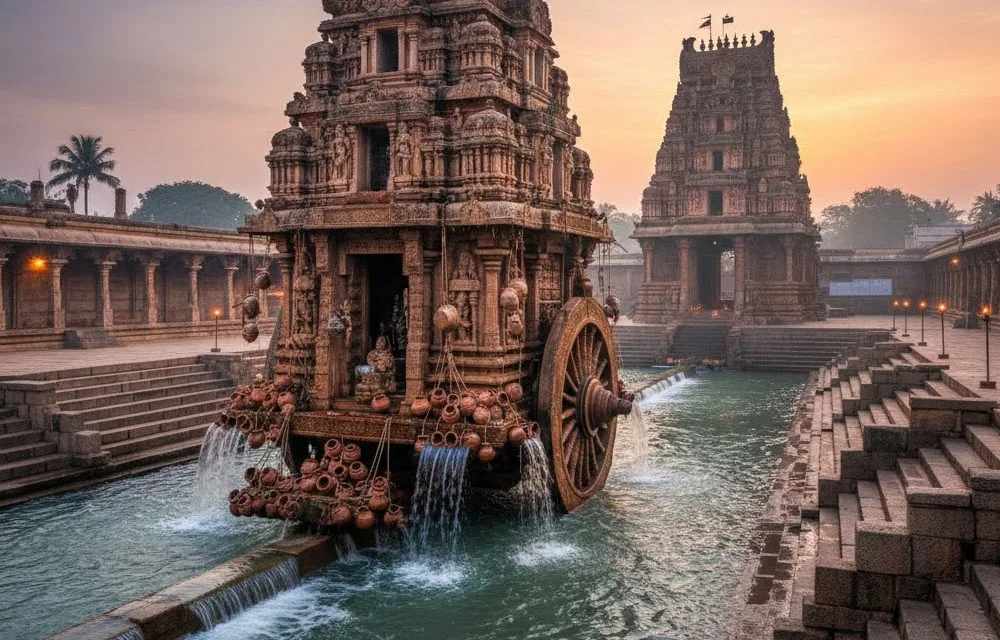
The sacred Kukke Subrahmanya Temple in Karnataka's Western Ghats will host the highly anticipated Neeru Bandi Utsav 2025 on December 5, drawing thousands of…
The sacred Kukke Subrahmanya Temple in Karnataka's Western Ghats will host the highly anticipated Neeru Bandi Utsav 2025 on December 5, drawing thousands of devotees from across India and the global diaspora for this ancient water chariot festival dedicated to Lord Subrahmanya.
What Makes This Festival Unique
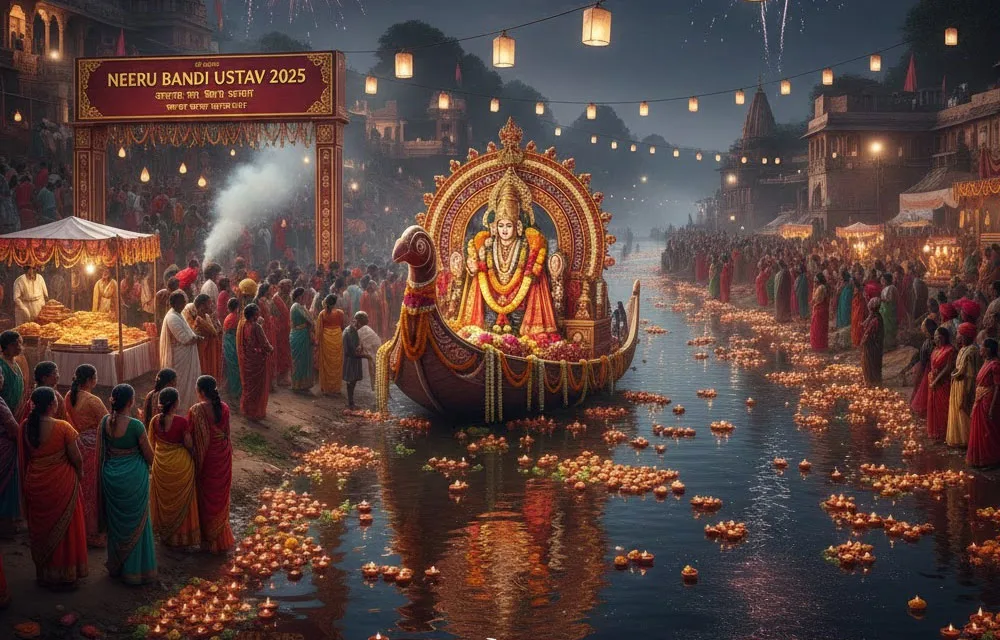
Unlike typical temple celebrations, Neeru Bandi Utsav—translating to "Water Chariot Festival"—features a spectacular procession where the deity's idol is carried on an ornately decorated wooden chariot through streets sprinkled with holy water from the Kumaradhara River. The festival represents Lord Subrahmanya's divine victory and is deeply connected to serpent worship traditions unique to this region.
Festival Highlights for 2025
The day-long celebration begins at dawn with the ceremonial bathing of the temple elephant in the Kumaradhara River, followed by the grand chariot procession pulled by hundreds of devotees chanting "Kartikeya Victory!" Evening festivities include traditional Yakshagana performances, folk dances, and devotional music recitals.
Special rituals including Sarpa Samskara and Ashlesha Bali poojas will be conducted throughout the day, offering devotees relief from Naga Dosha—believed to be serpent-related karmic afflictions affecting prosperity and health.
Historical and Cultural Significance
With roots extending over 1,500 years to the Kadamba dynasty, this festival preserves ancient Dravidian traditions documented in the Skanda Purana. Temple inscriptions from the Rashtrakuta era reveal that early forms of this water-based chariot ritual have been celebrated since the 9th century, making it one of Karnataka's most enduring cultural traditions.
The festival holds special importance for:
- Spiritual seekers looking for liberation from ancestral curses
- Environmental consciousness through its water-centric rituals honoring rivers
- Cultural preservation of endangered art forms like Yakshagana
- Community building across caste and faith boundaries
Planning Your Visit
Located 105 kilometers from Mangalore, Kukke Subrahmanya Temple is accessible by road and rail. December weather remains pleasant with temperatures between 20-28°C, ideal for outdoor participation. Temple authorities expect over 50,000 visitors this year and advise early booking of accommodations.
For NRIs planning a heritage trip to India, this festival offers an authentic immersion into Karnataka's spiritual traditions. The celebration follows Champa Shashti, which concludes on December 4, making it possible to experience both festivals during a single visit.
Connect with Your Roots
Neeru Bandi Utsav represents more than religious observance—it's a living connection to India's ancient wisdom and community values. For diaspora families seeking to introduce younger generations to Hindu traditions, this festival provides an unforgettable cultural education combining mythology, art, and spiritual practice.
Why Kukke Subrahmanya Is the Chosen Seat of Sarpa Devata Worship
Kukke Subrahmanya, nestled at the confluence of the Kumaradhara and Shalmala rivers in the Dakshina Kannada district of Karnataka, is regarded in the Skanda Purana as the precise location where Lord Subrahmanya — also venerated as Kartikeya, Shanmukha, and Kumara — granted refuge to the king of serpents, Vasuki, after the latter was threatened by Garuda. This narrative of divine sanctuary is not merely mythological colour; it is the theological foundation that makes every ritual at this temple, including the Neeru Bandi Utsav, an enactment of that original act of protection and grace.
The presiding deity here is worshipped in the rare form of Subrahmanya-cum-Shesha, meaning the god rests upon the cosmic serpent rather than merely being associated with it. This iconographic fusion is attested in the temple's main sanctum and distinguishes Kukke from the six celebrated Arupadai Veedu shrines of Tamil Nadu, which depict Murugan primarily as a warrior deity. The Western Ghats setting, with its dense forest cover and river tributaries, further reinforces the ancient connection between serpent veneration, water, and biodiversity that the festival makes visible each year.
The Sacred Role of the Kumaradhara River in the Chariot Ritual
The Kumaradhara River is not a passive backdrop to the Neeru Bandi Utsav — it is an active ritual participant. The name Kumaradhara itself translates from Sanskrit as 'the stream that bears the young lord,' an epithet traceable to local Sthalapuranas that describe the river as the channel through which Subrahmanya's divine energy flows from the Western Ghats into the plains. Temple priests (called Shivalli Brahmins in this tradition) draw water from specific upstream tirthas before dawn on the festival day, consecrating it with Vedic Panchakshara mantras before it is used to sprinkle the chariot's path.
This practice of purifying the processional route with river water echoes the concept of Tirtha Yatra Phala — the spiritual merit associated with sacred rivers — described in the Mahabharata's Vana Parva (chapters on pilgrimage). By extending the river's sacred water onto the streets, the entire town is temporarily transformed into a tirtha-kshetra, a sacred crossing point. Environmentally, the festival has historically reinforced communal responsibility toward the Kumaradhara's health, as polluting the river in the weeks preceding the event was considered a ritual transgression.
What Are Sarpa Samskara and Ashlesha Bali — and Why Are They Performed Here
Sarpa Samskara is a post-mortem purification rite performed for snakes accidentally killed, especially by the devotee's ancestors. According to the Garuda Purana and regional folk texts called Naga Katha Paddathi, the unintentional killing of a serpent — considered a divine being associated with fertility and the earth — can accumulate a karmic debt known as Naga Dosha, which may manifest across generations as childlessness, skin ailments, or persistent family discord. Performing Sarpa Samskara at Kukke Subrahmanya, where the deity himself is the protector of serpents, is believed to provide the most efficacious resolution.
Ashlesha Bali is a separate but complementary ritual tied to the Ashlesha nakshatra (the ninth lunar mansion governed by the serpent deity Ahi or Naga). It involves the symbolic feeding — or 'bali' offering — of food, milk, and turmeric to snake idols or live ant-hills (considered serpent dwellings) within the temple precincts. The Neeru Bandi Utsav day is considered especially potent for these rites because the combined energy of the water procession and the assembled devotees is believed to amplify the rites' efficacy, drawing thousands of families from Andhra Pradesh, Kerala, Tamil Nadu, and Karnataka who book ritual slots months in advance.
Yakshagana: The Living Scripture That Accompanies the Festival
Yakshagana, the traditional theatre form of coastal Karnataka, is not merely entertainment appended to the Neeru Bandi Utsav — it functions as what scholars of Indian performance tradition call Drishya Kavya, or 'visible poetry,' bringing Puranic narratives to life for audiences who may not access Sanskrit texts directly. The performance style combines elaborate headgear (called Mundasu), face paint following strict colour codes (red for heroic characters, black for demonic), classical footwork, and improvised prose dialogue called Mattu, all performed through the night under oil lamps or modern stage lighting.
The episodes most frequently staged during the Kukke festival focus on Subrahmanya's battles — particularly the defeat of the demon Tarakasura as narrated in the Skanda Purana's Yuddha Khanda — and on the Naga narratives that give the temple its theological identity. Yakshagana troupes (called Melas) from Dharmasthala, Udupi, and Kasaragod are typically invited, and the art form itself is currently listed on UNESCO's Intangible Cultural Heritage consideration list, lending additional international visibility to the Kukke festival as a site of its preservation.
How to Prepare for the Pilgrimage: Practical and Ritual Guidance
Devotees planning to attend the Neeru Bandi Utsav on December 5, 2025 are advised to book darshan and ritual slots through the temple's official online portal, administered by the Kukke Subrahmanya Temple Trust. Special sevas such as Ashlesha Bali and Sarpa Samskara require advance registration with full family horoscope details, as priests verify nakshatra and gotra information before conducting the rites. The nearest railway station is Subrahmanya Road on the Mangaluru–Hassan line, approximately 7 kilometres from the temple town, with connecting bus and taxi services.
Traditional pilgrimage etiquette at Kukke includes maintaining a vegetarian diet for at least three days before arrival, wearing satvic colours (white, yellow, or saffron) rather than black or red, and carrying a small vessel to collect Kumaradhara water as prasada. Devotees who wish to observe the chariot procession at close range should position themselves along the designated route before 6 a.m., as the elephant bathing ceremony and procession commencement happen at first light. The temple administration typically coordinates with Karnataka State Police for crowd management, and emergency medical camps are set up along the riverbank.
The Broader Tradition of Theerthavari and Water Chariot Festivals in South India
The Neeru Bandi Utsav belongs to a cluster of South Indian festivals categorised under the broad term Theerthavari — rituals in which deities are ceremonially immersed in or processed near a sacred water body. Similar traditions exist at the Parthasarathy Temple in Triplicane, Chennai, where the chariot enters the sea during Brahmotsavam, and at the Srirangam Ranganathaswamy Temple, where the deity is carried to the Kaveri River during Vaikunta Ekadashi celebrations. Each of these traditions reflects the Agama Shastra principle that water (Apa Tattva) is both purifying and a medium through which divine energy is transmitted to the natural world.
What distinguishes the Kukke event within this broader family of festivals is its dual focus — both on Skanda worship and on Naga worship — creating a ritual grammar that is rare even within Karnataka. The blending of these two streams (the martial deity and the chthonic serpent powers) mirrors a deeper Shaiva-Shakta synthesis: Subrahmanya as the son of Shiva embodies both the solar, conquering principle and, through his association with Vasuki, the subterranean regenerative forces of the earth. For scholars of Agama tradition and for devoted pilgrims alike, Neeru Bandi Utsav at Kukke Subrahmanya offers one of the most complete expressions of this synthesis still practiced in its original geographical and ecological context.
Frequently Asked Questions
Where is Neeru Bandi Utsav located?
The sacred Kukke Subrahmanya Temple in Karnataka's Western Ghats will host the highly anticipated Neeru Bandi Utsav 2025 on December 5, drawing thousands of devotees from across India and the global diaspora for this ancient water chariot festival dedicated to Lord Subrahmanya. What Makes This Festival Unique Unlike typical temple celebrations, Neeru Bandi U
Who is the presiding deity of Neeru Bandi Utsav?
The presiding deity is Lord Murugan.
What are the timings and how do I reach Neeru Bandi Utsav?
Temples typically open early morning and evening; confirm current darshan timings before visiting. The nearest airport, railway station and road routes are covered in the guide above.
What is the best time to visit Neeru Bandi Utsav?
Major festival days and the cooler months are popular, though weekday mornings offer a calmer darshan. Plan around the temple's key festivals for the most vibrant experience.